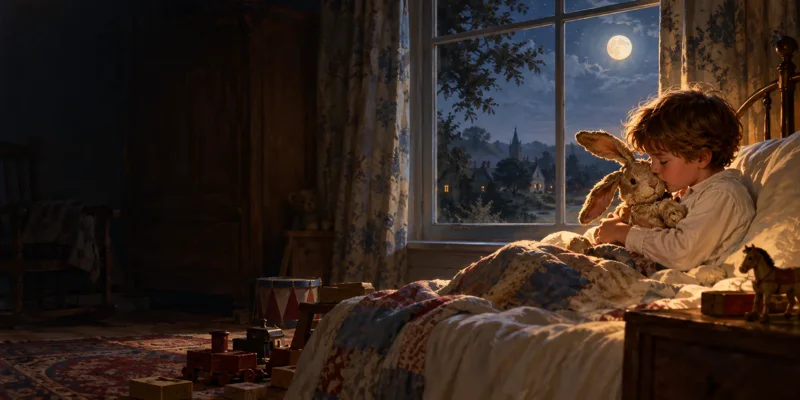
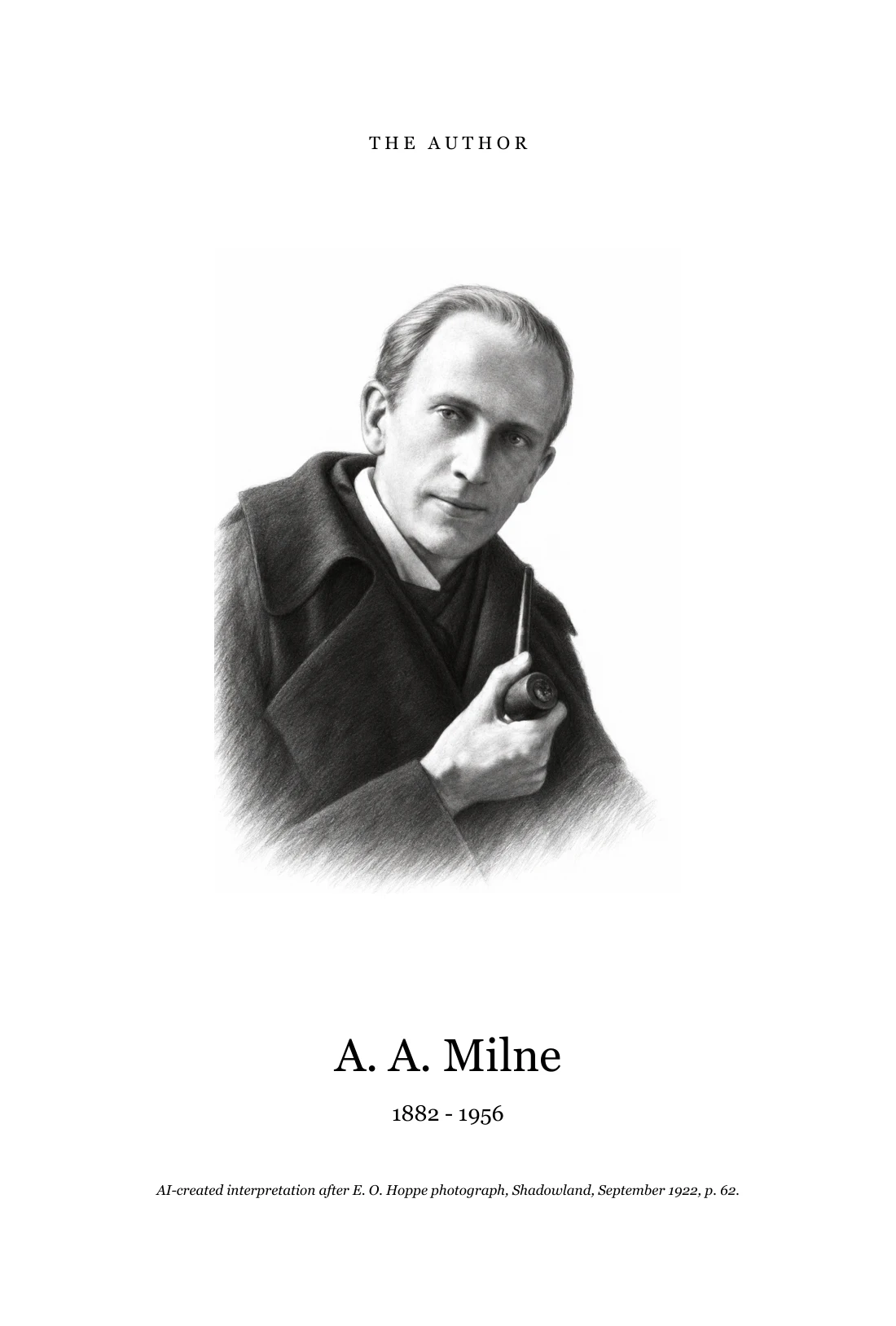
There are only two Winnie-the-Pooh storybooks: Winnie-the-Pooh (1926) and The House at Pooh Corner (1928). A. A. Milne also wrote two books of children’s verse, When We Were Very Young (1924) and Now We Are Six (1927), in which Pooh appears in a handful of poems. Those four books are the whole of Milne’s Pooh.
Everything else, from the films to the later sequels, came afterwards and from other hands. Read in order, the two storybooks take about as long as a long weekend, and they hold up beautifully for adults as well as children.
The Winnie-the-Pooh books in order
- $11.99
Winnie-the-Pooh
1926. Pooh, Piglet, Eeyore, Owl, Rabbit, Kanga and Roo. The honey pot, the Heffalump trap, Eeyore’s birthday and an expedition to the North Pole.
- $12.99
The House at Pooh Corner
1928. Tigger bounces in, Pooh invents a game called Poohsticks, and Eeyore gets a house. The final chapter is one of the most quietly moving farewells in children’s books.



How many Winnie-the-Pooh books did A. A. Milne write?
Four, if you count the poetry, and two if you mean the stories. Winnie-the-Pooh and The House at Pooh Corner each contain ten chapters, and each chapter is a complete adventure. The poetry books are a different pleasure: short, rhythmic verses about Christopher Robin’s world, of which only a few feature Pooh.
Milne chose to stop after the second storybook. He was already a successful playwright and humorist before Pooh, and he worried, with some reason, that the bear would overshadow everything else he wrote. For one of those other books, his detective novel The Red House Mystery, see Did you know A. A. Milne wrote a detective novel?
Who is in the Winnie-the-Pooh books?
Most of the characters were Christopher Robin Milne’s own toys: Pooh, Piglet, Eeyore, Kanga, Roo and, later, Tigger. Owl and Rabbit were Milne’s own inventions. Five of the original toys are now on display at the New York Public Library; Roo was lost in the 1930s.
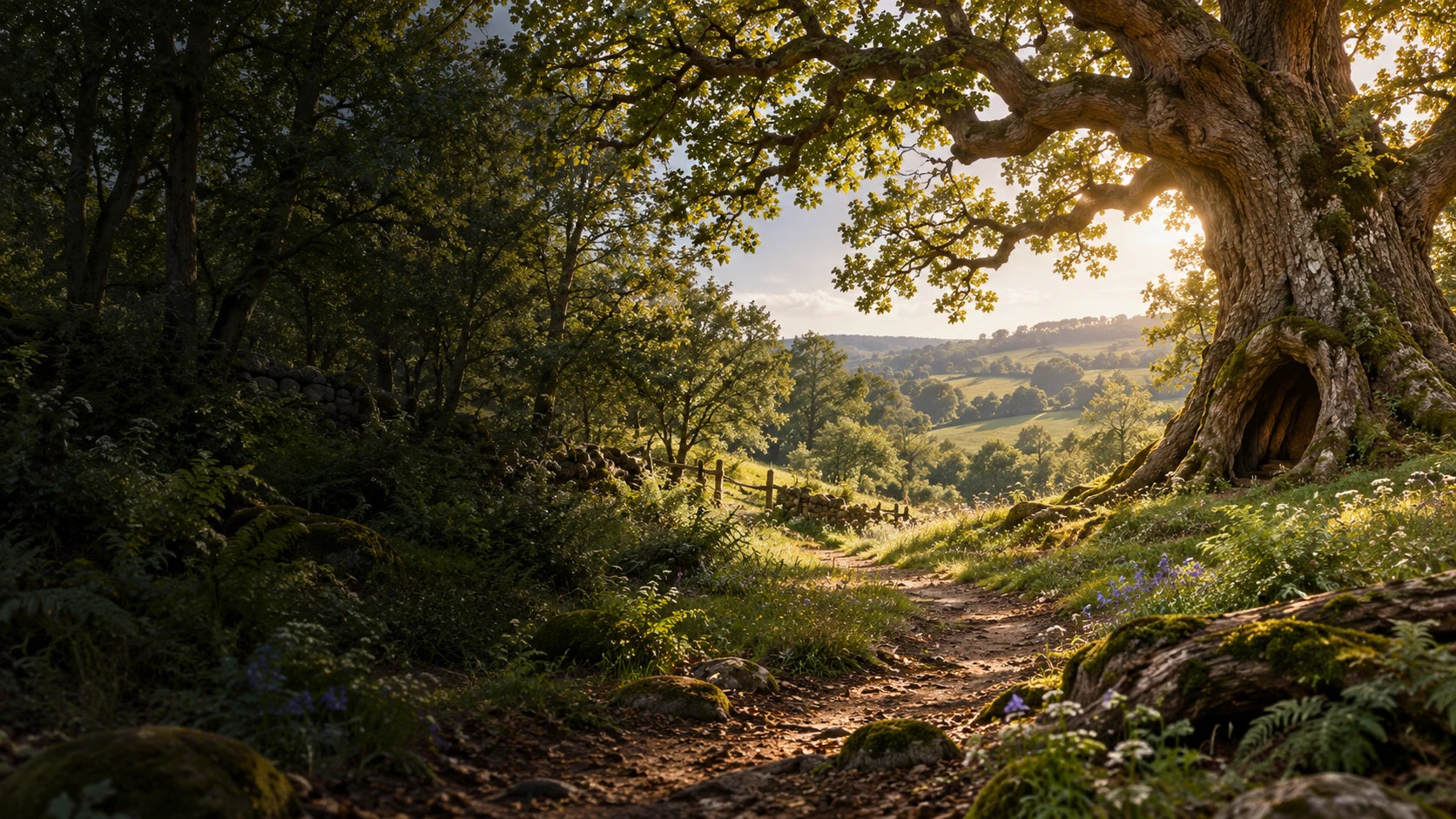
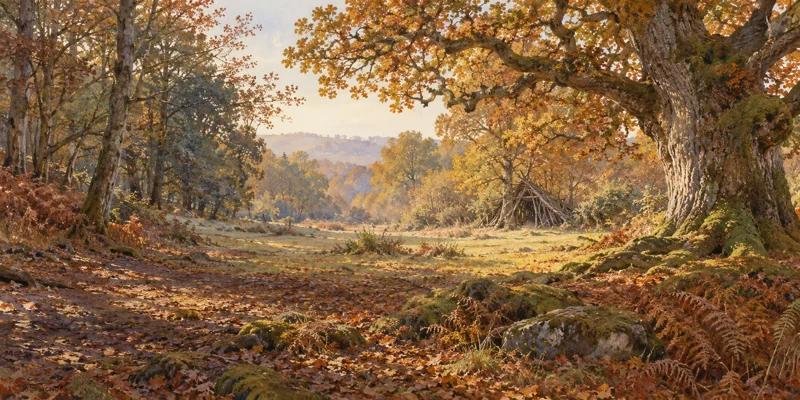
The Hundred Acre Wood is closely based on Ashdown Forest in East Sussex, near the Milnes’ country home, where the family walked. Visitors still play Poohsticks from the bridge there.
One surprise for first-time readers is that Tigger is not in the first book. He arrives early in the second, bouncing into Pooh’s house in the middle of the night and declaring that Tiggers like everything, until it turns out that they do not.
The real Christopher Robin had a more complicated relationship with the books than their readers did. As an adult he wrote memoirs, beginning with The Enchanted Places in 1974, describing how hard it had been to grow up as a character in some of the most famous children’s books in the world, and how he came to terms with it.
Should you read the Pooh books in order?
Yes, if you can. Each chapter stands on its own, but the second book builds gently on the first, and its last chapter only lands with its full weight if you have spent the whole journey in the Forest. It is about growing up, and it has made many grown-ups cry at bedtime.
These are some of the best books ever written for reading aloud. The chapters are short, the jokes work on two levels, and Milne’s narrator speaks directly to Christopher Robin, so the reader always has a part to play.
The books versus the Disney films
Disney began adapting the stories in the 1960s, and its versions have become so familiar that many readers come to the books expecting the same Pooh. The spirit is close, but Milne’s writing is drier and wittier than the films, full of wordplay and gentle irony aimed at adults. Gopher, for one, is a Disney invention. We look at more adaptations in Disney films based on classic books.
Winnie-the-Pooh entered the public domain in the United States in 2022, and The House at Pooh Corner followed in 2024, which is part of why so many new editions have appeared. Tigger, as he appears in the second book, came with it.
For more stories to share at bedtime, see classic bedtime stories to read aloud. But if you have never read the originals, start where Milne did, with a bear coming downstairs, bump, bump, bump, on the back of his head. Winnie-the-Pooh is waiting.
Questions readers ask
How many Winnie-the-Pooh books are there?
A. A. Milne wrote two Winnie-the-Pooh storybooks, Winnie-the-Pooh (1926) and The House at Pooh Corner (1928), and two poetry collections, When We Were Very Young and Now We Are Six, in which Pooh appears in some poems.
What order should I read the Winnie-the-Pooh books in?
Read Winnie-the-Pooh first, then The House at Pooh Corner. The second book introduces Tigger and ends the series.
Is Tigger in the first Winnie-the-Pooh book?
No. Tigger first appears in The House at Pooh Corner (1928), the second storybook.
What age are the Winnie-the-Pooh books for?
They make wonderful read-alouds from about age three, and confident readers of six to eight can enjoy them alone. Adults often appreciate the humour even more.
 The Red House Mystery188 pages · $13.99
 When We Were Very Young144 pages · $12.99