If you want classic read aloud books that work at bedtime, start with three: Winnie-the-Pooh for the youngest listeners, the Just So Stories for children who love a funny voice, and The Wind in the Willows for the age when a chapter a night becomes a ritual. All three have short chapters, generous language and kind endings, which is most of what a bedtime book needs.
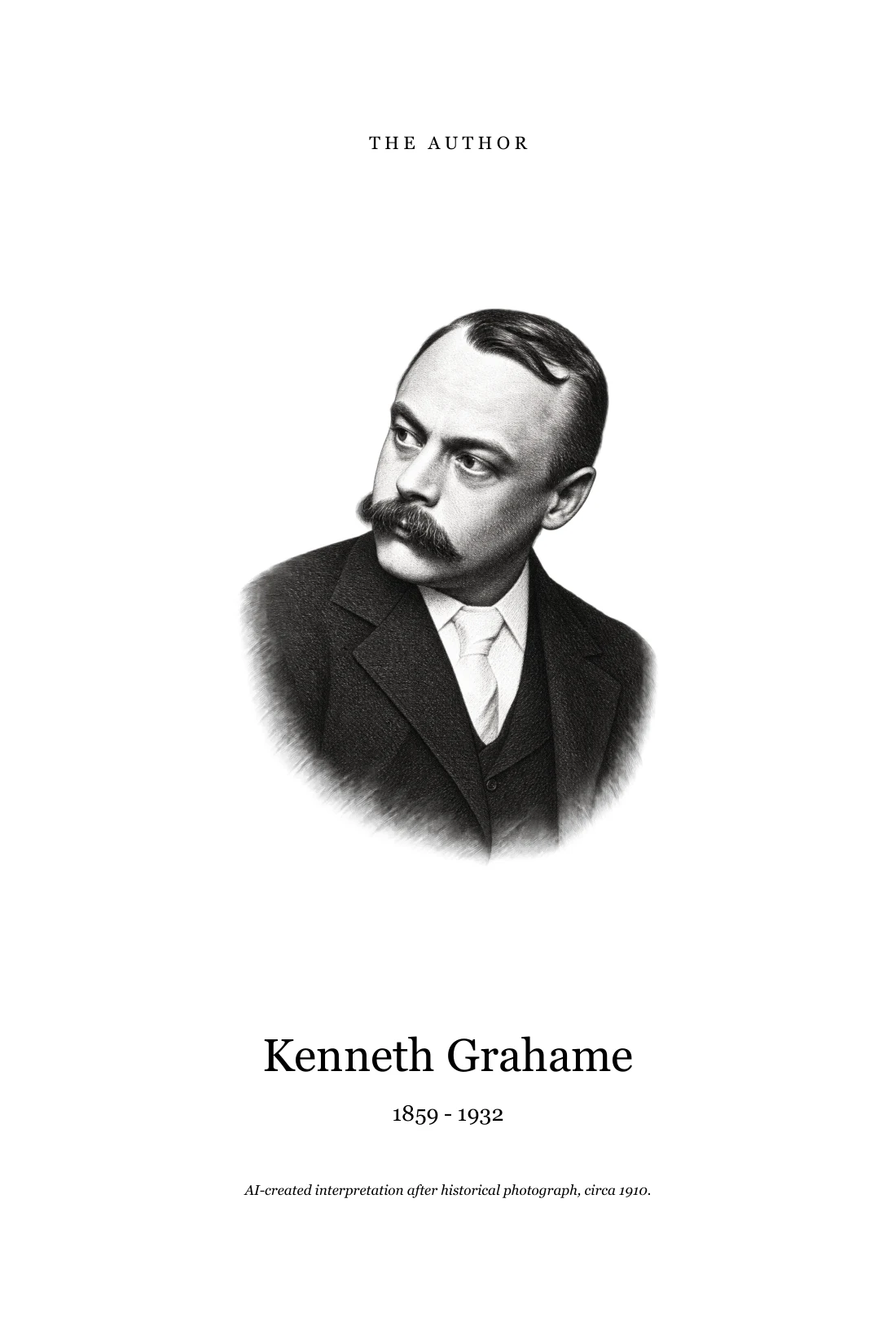
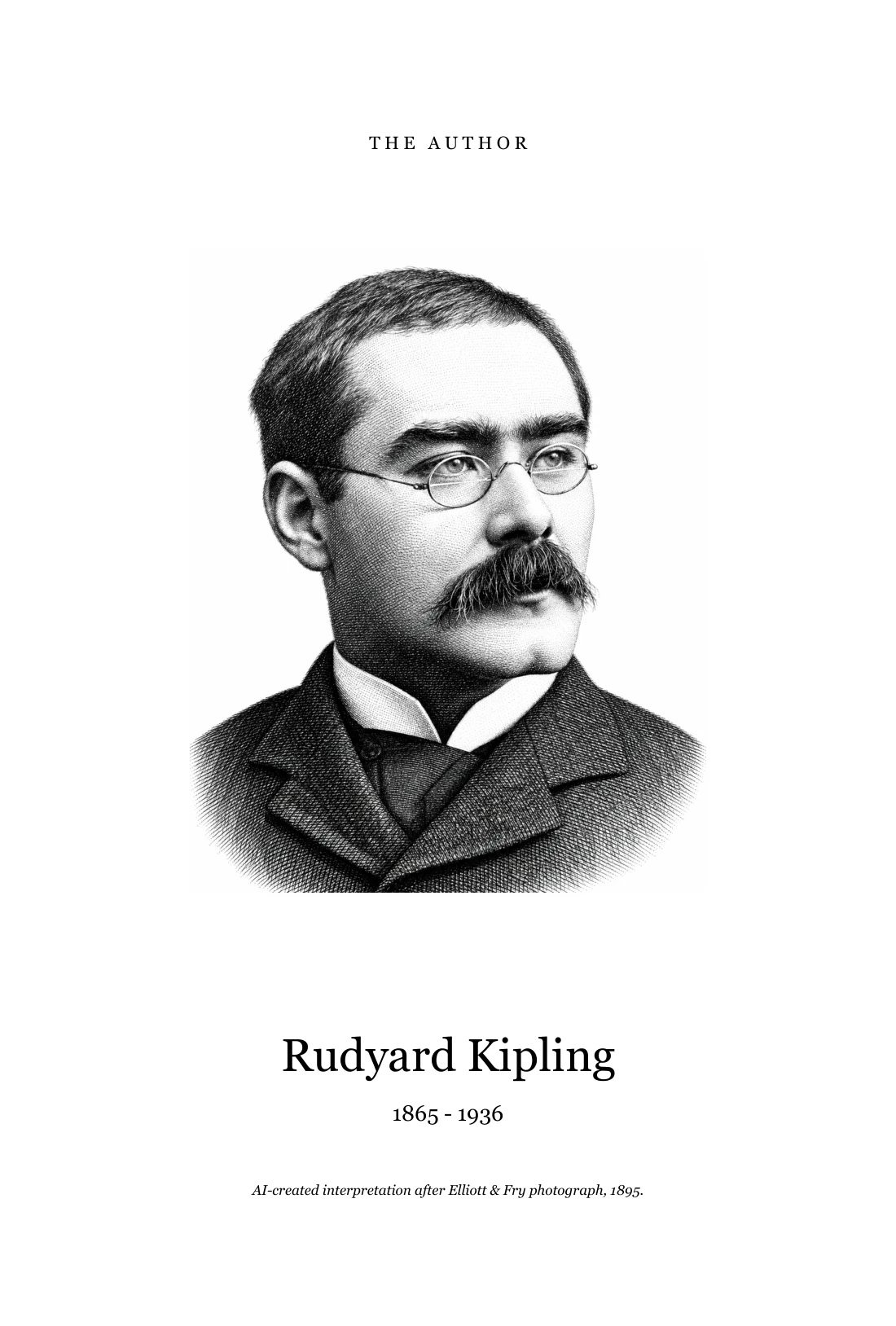
That is no accident. Kenneth Grahame first told the adventures of Mole, Rat and Toad to his young son, and kept them going in letters when the two were apart. Rudyard Kipling made up the Just So Stories for his own children, and you can still hear him talking to one of them on the page. These are books with a listener built in.
The best classic read aloud books for bedtime
Each of these can be read in nightly portions of ten to twenty minutes. The ages are a guide, not a rule: a child who loves the sound of words will happily sit through a book meant for someone a little older.
Winnie-the-Pooh
Ages 3 and up. Ten chapters, each a complete story and a single sitting. Milne’s jokes work on two levels, so the grown-up reading aloud has as much fun as the child.
The House at Pooh Corner
The second and last Pooh storybook, in which Tigger arrives. Its farewell chapter tends to move the adults more than the children.
The Velveteen Rabbit
Ages 4 and up. A short story about a toy who longs to be real, best read in one go. Be ready for a sad turn: the boy falls ill, and his nursery toys are ordered to be burned.
Just So Stories
Ages 4 and up. How the elephant got his trunk, how the camel got his hump: comic origin stories full of repeated, chantable phrases.
A Child's Garden of Verses
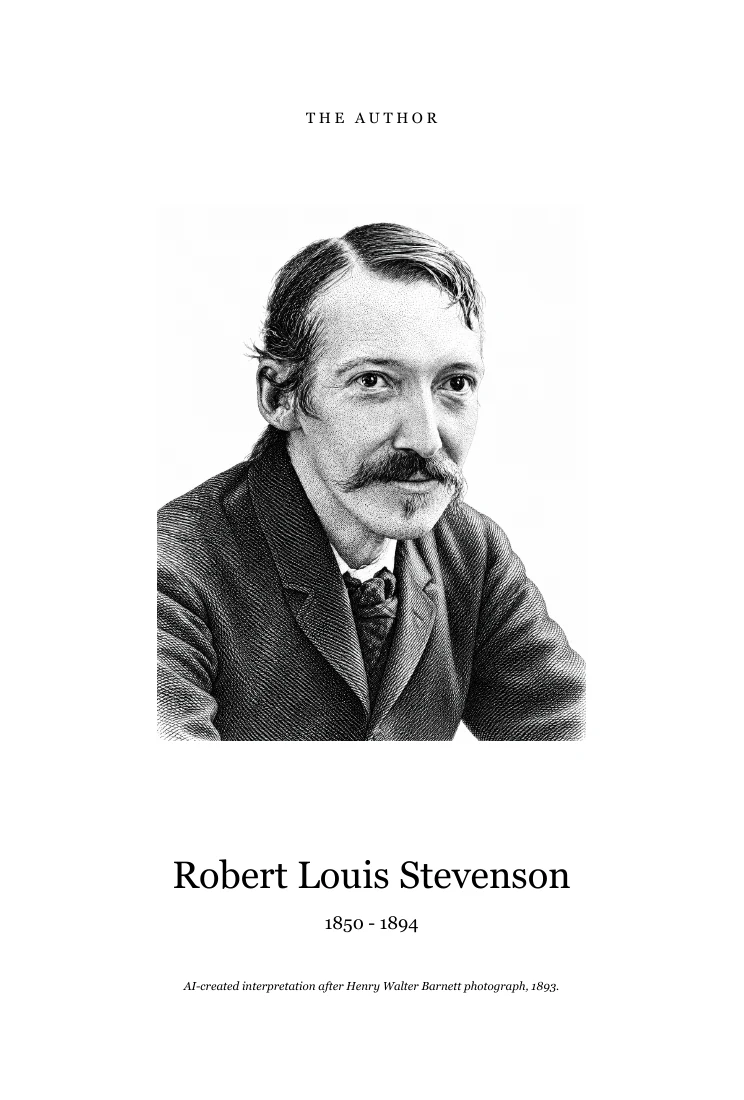
Ages 3 and up. Stevenson’s poems about bedtime, shadows, rain and the land of counterpane. One or two make a perfect last word before lights out.
The Wind in the Willows
Ages 6 and up. Twelve chapters of riverbank friendship and Toad’s motoring disasters. The language is rich, so read it slowly and let the long words roll.
Grimms' Fairy Tales
Ages 5 and up, chosen carefully. The Grimms’ tales are short and gripping, but some are violent, so read ahead and pick.



Which classics suit which age?
For toddlers and preschoolers, poems and very short stories work best. A Child’s Garden of Verses came out in 1885 and still catches the small worries of bedtime exactly, from being sent to bed while it is light outside to the shadow that follows you everywhere.
In winter I get up at night / And dress by yellow candle-light.
Robert Louis Stevenson, “Bed in Summer”, A Child’s Garden of Verses (1885)
From about four, most children can follow a story across a whole chapter. Winnie-the-Pooh is the obvious place to begin, and The Velveteen Rabbit takes a single evening. The Just So Stories come next: they are longer and their sentences ask more of the reader, but they reward anyone willing to do the voices.
From six or seven, try a book that runs across many nights. The Wind in the Willows is the classic choice, and for many families it becomes the book they remember reading together. If it goes down well, a good next step is The Wonderful Wizard of Oz, whose short chapters make an ideal bedtime serial.
How to read classic books aloud
- Read ahead, at least the first time. Older books sometimes take a turn you would rather see coming.
- Slow down. Grahame and Kipling wrote for the ear, and their long sentences make sense when you give them room.
- Do the voices, even badly. Eeyore, Toad and the Elephant’s Child all reward a little performance.
- Explain old words lightly, or not at all. Children are good at guessing from the sound, and a story stopped too often loses its spell.
- Stop at a good place, not at the bottom of a page. These books have short chapters, so a natural pause is never far away.

What parents should know
These books are gentle, but they are not all sugar. The Velveteen Rabbit is about love and loss, and the moment when the sick boy’s toys are to be burned can upset sensitive listeners, even though the story ends well. The Wind in the Willows has a frightening night in the Wild Wood, and its chapter “The Piper at the Gates of Dawn” is more mystical than exciting; some families skip it on a first reading.
The Just So Stories were published in 1902 and show it. “How the Leopard Got His Spots” in particular reflects the racial attitudes of its time and includes language that is offensive today. Many parents skip that story or talk about it briefly, and either is reasonable.
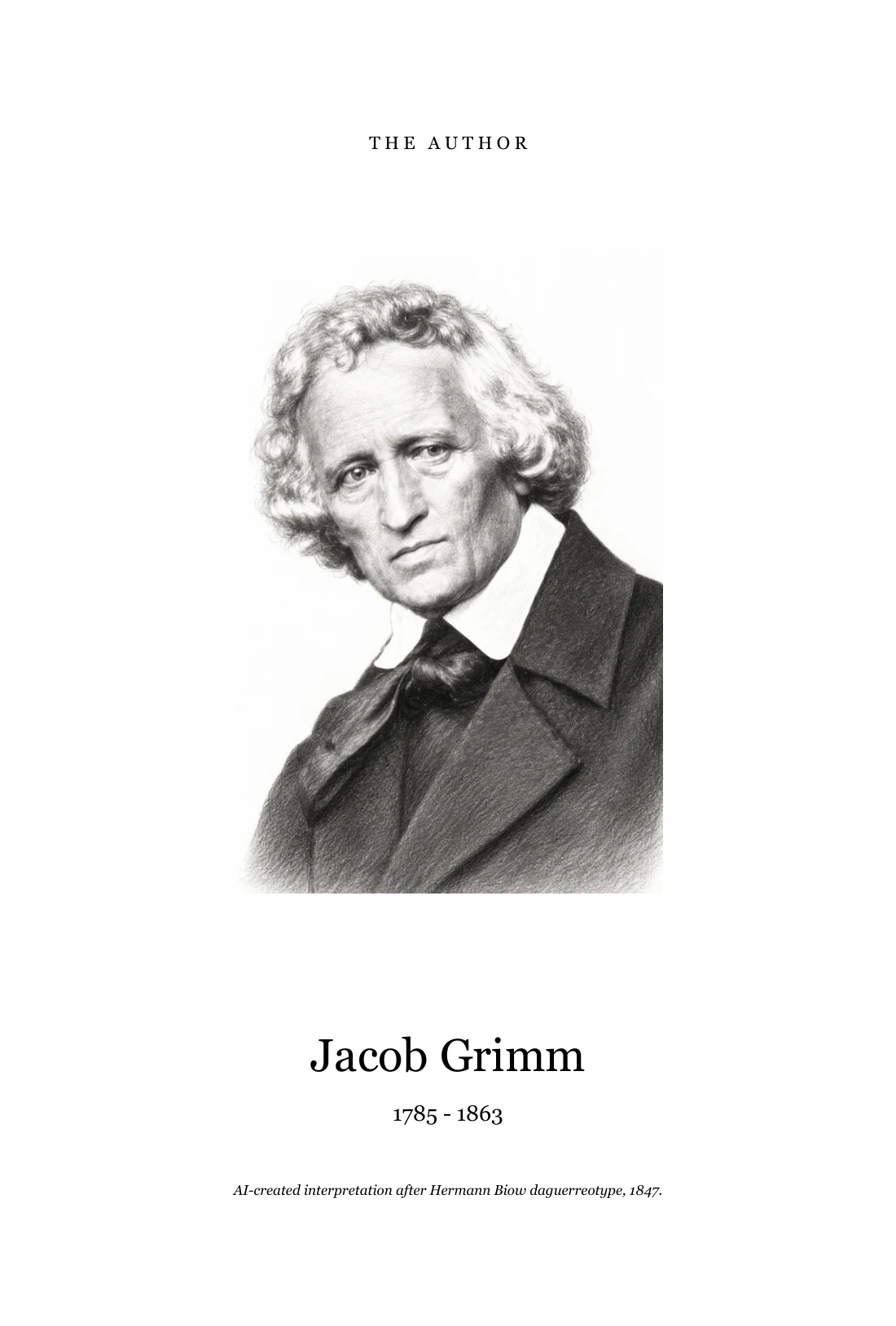
The Grimms’ tales need the most care, because their violence is told so plainly: wolves are cut open and witches pushed into ovens. Our post on how much darker the original fairy tales were can help you choose the gentler ones.
Why choose classics at bedtime?
Modern picture books are wonderful, but the old read-aloud classics do something different. They trust children with long sentences and odd words, and they leave room for the listener to imagine Pooh’s house or the River Bank for themselves. Both the Pooh books and The Wind in the Willows have stories behind the stories, if you are curious how they began, and our children’s shelf has plenty more.
If you are choosing just one tonight, choose Winnie-the-Pooh. Read the first chapter, in which Pooh tries to reach a bees’ nest by floating up to it on a balloon, and see whether you are asked for another.
Questions readers ask
What are the best classic books to read aloud?
Winnie-the-Pooh, the Just So Stories, The Wind in the Willows and A Child’s Garden of Verses are among the best classic read aloud books. They were written to be heard, with short chapters and language that sounds better spoken.
What age is The Wind in the Willows for?
Most children enjoy it read aloud from about six or seven. The vocabulary is rich, so independent readers usually tackle it themselves from nine or ten.
Are Grimms’ fairy tales suitable for bedtime?
Some are, but read them yourself first. Many Grimm tales include violence and cruel punishments told very plainly, so choose the gentler ones for young or sensitive children.
How long should a bedtime read-aloud be?
Ten to twenty minutes suits most children, which is roughly a chapter of these books. Stopping at a natural break keeps them looking forward to the next night.