A surprising number of Disney movies are based on books, and on classics in particular. Alice in Wonderland, Peter Pan, Pinocchio and The Hunchback of Notre Dame all began as novels, and The Jungle Book as a book of stories, while Snow White and the Seven Dwarfs, Cinderella, The Little Mermaid and Frozen grew from fairy tales by the Grimms, Charles Perrault and Hans Christian Andersen. In almost every case, the book is stranger, sadder or wilder than the film.
None of that makes the films worse. But if a child, or an adult, loves the film, the book is the best next step, and here is what they will find.
Disney movies based on books: the classics behind the films
Alice's Adventures in Wonderland
Film: Alice in Wonderland (1951). The film borrows Tweedledum and Tweedledee and the talking flowers from the sequel. The book is drier and funnier.
Peter and Wendy
Film: Peter Pan (1953). Barrie’s novel is sharper and sadder: Peter forgets his friends, and the ending looks ahead to Wendy as a grown woman.
The Adventures of Pinocchio
Film: Pinocchio (1940). In the book the Talking Cricket has no name and is struck down in the fourth chapter, though he returns, and the whale is a giant shark.
The Jungle Book
Film: The Jungle Book (1967). In Kipling, Baloo is a strict teacher, Kaa is Mowgli’s ally, and King Louie does not exist.
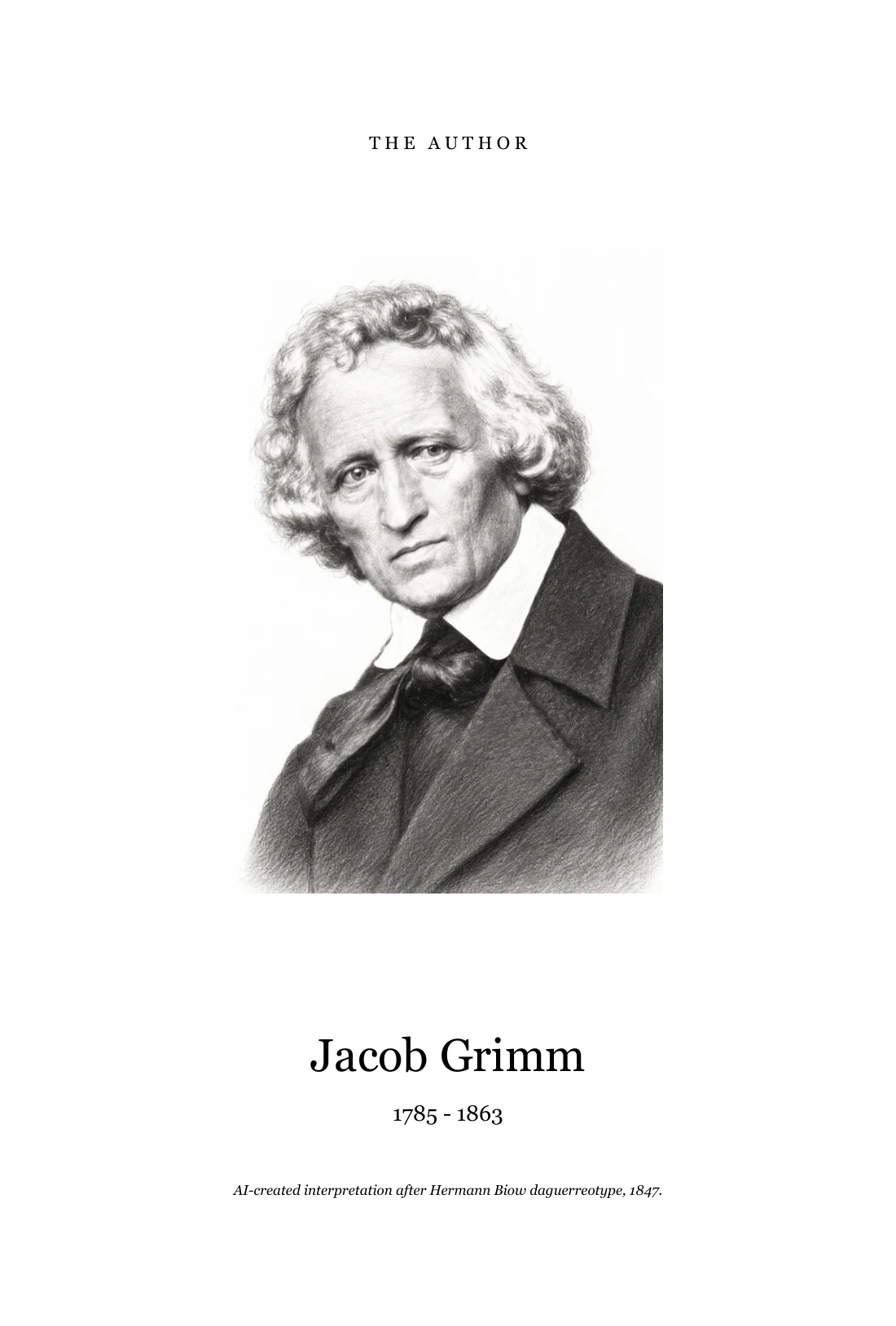
Grimms' Fairy Tales
The Grimms collected the tales behind Snow White and the Seven Dwarfs (1937) and Tangled (2010). Their dwarfs have no names, and in the German original the wicked queen dies dancing in red-hot shoes; the early English translation here gives her a gentler end.
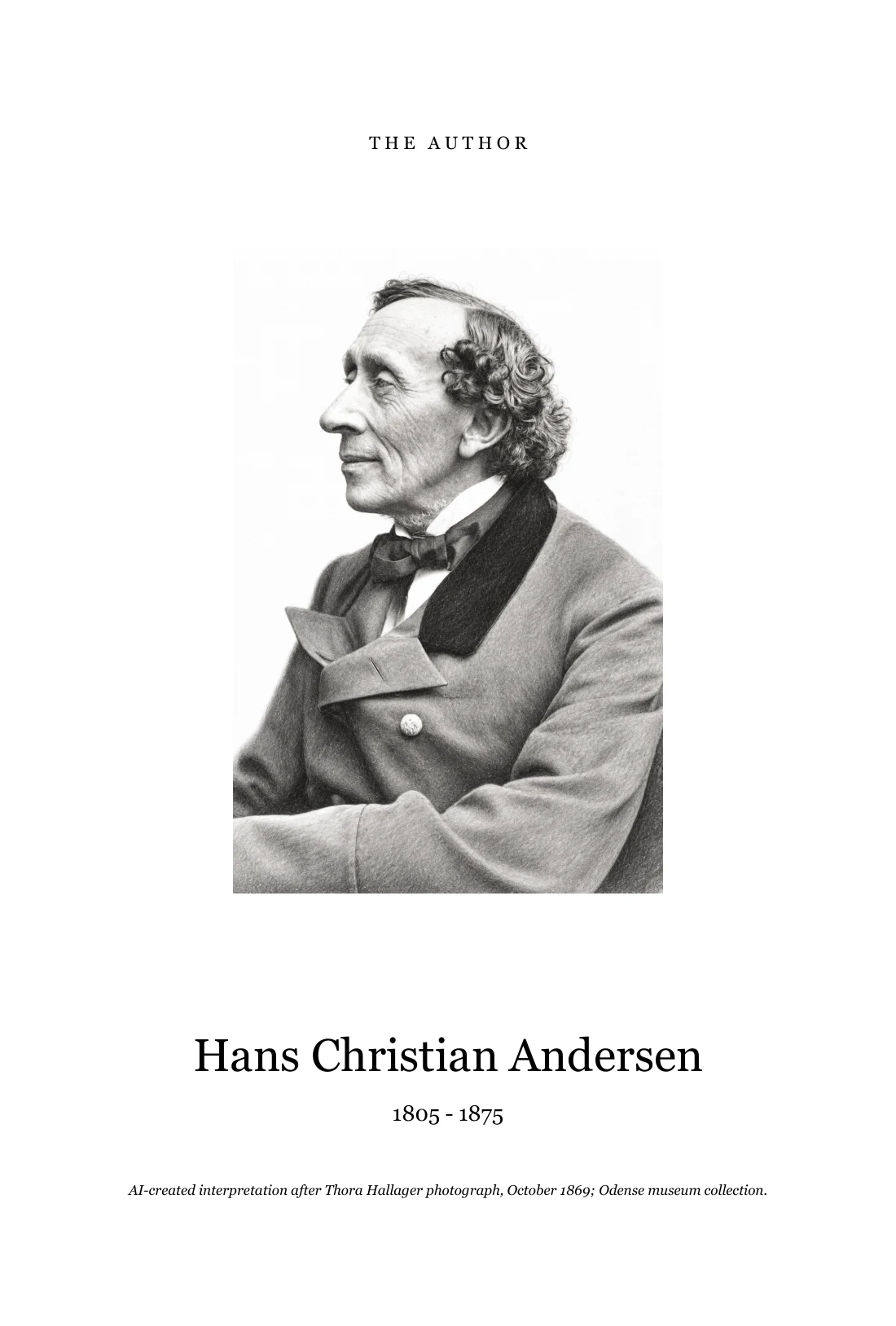
Andersen's Fairy Tales
Andersen wrote the stories behind The Little Mermaid (1989) and, loosely, Frozen (2013). This selection has “The Snow Queen”, the tale behind Frozen, but not “The Little Mermaid”.
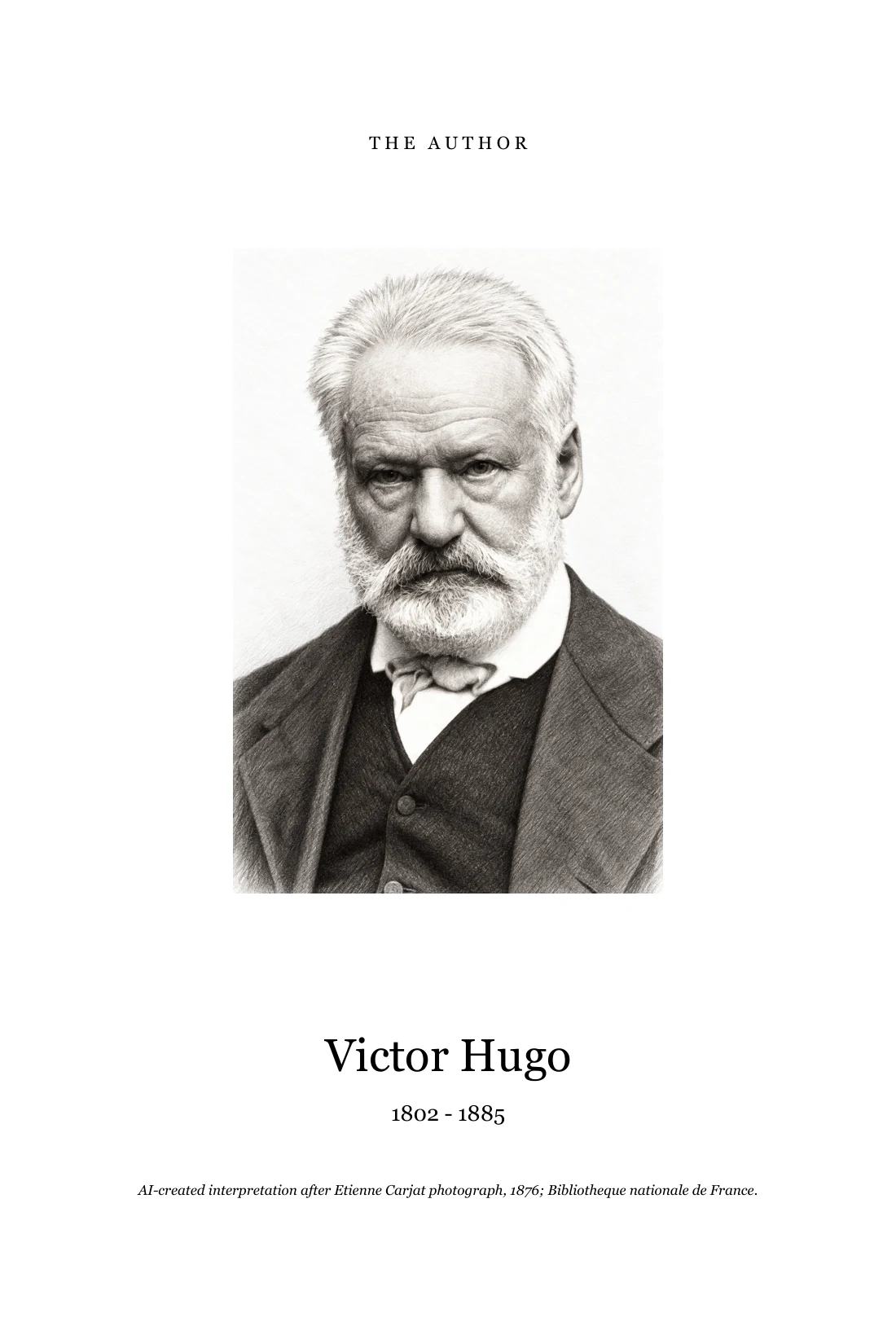
Notre-Dame de Paris
Film: The Hunchback of Notre Dame (1996). Victor Hugo’s novel is a tragedy, and Frollo is an archdeacon, not a judge.
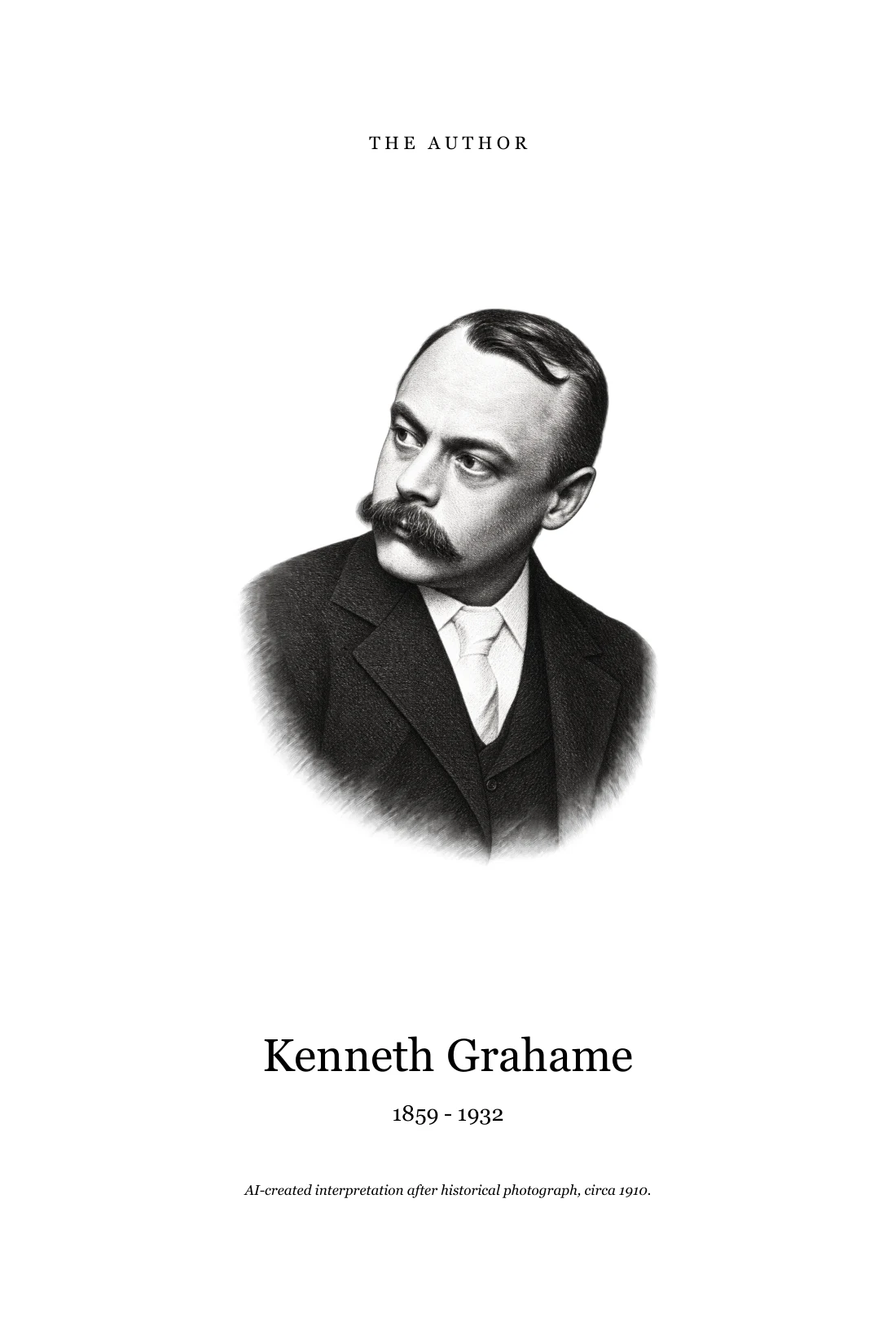
The Wind in the Willows
Film: The Adventures of Ichabod and Mr. Toad (1949), whose first half tells Toad’s story. The book has far more of Mole, Rat and the river.


Alice, Peter Pan and Pinocchio
The 1951 Alice in Wonderland mixes Lewis Carroll’s two Alice books, taking Tweedledum and Tweedledee, the Walrus and the Carpenter and the singing flowers from Through the Looking-Glass. Carroll’s Alice is cooler and more argumentative than the film’s, and the jokes are mostly in the words: puns, parodies of Victorian poems and logic games that adults enjoy as much as children.
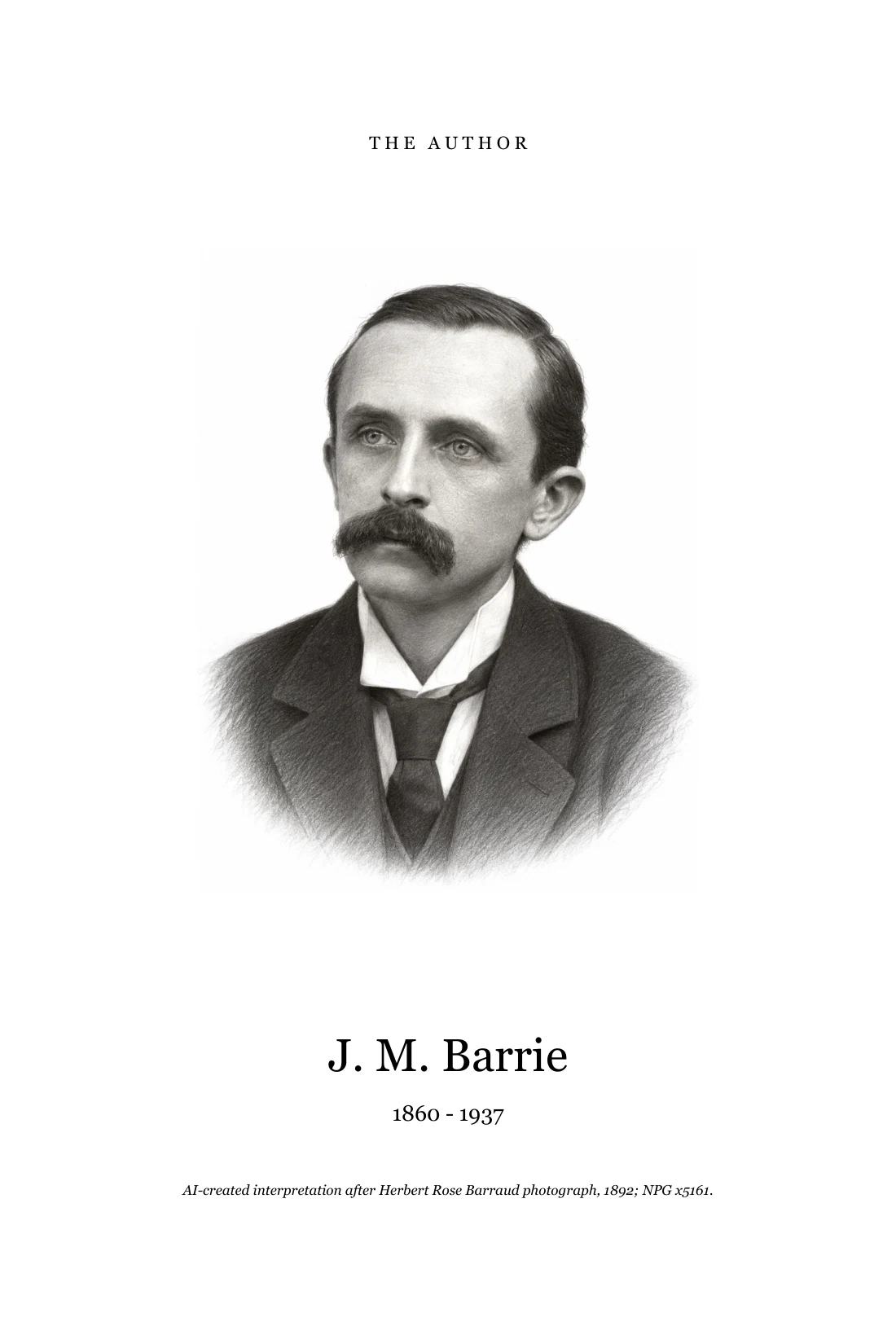
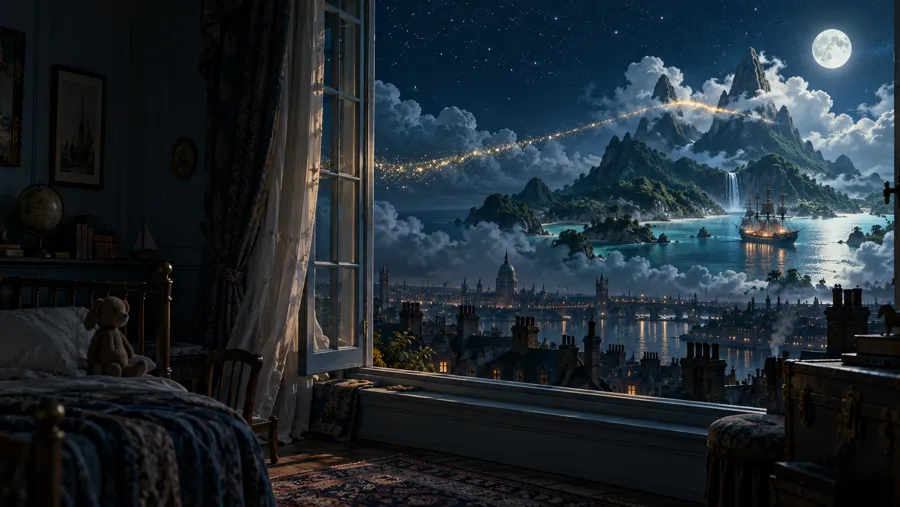
J. M. Barrie’s Peter Pan reached the stage in 1904, and the novel Peter and Wendy followed in 1911. The book’s Peter is more dangerous than the film’s. He is heartless in the way small children can be, forgets his adventures and his friends almost at once, and when the Lost Boys seem to be growing up, the narrator tells us, Peter “thins them out”. One caution: both the novel and the 1953 film portray Tiger Lily’s people through crude stereotypes of Native Americans.
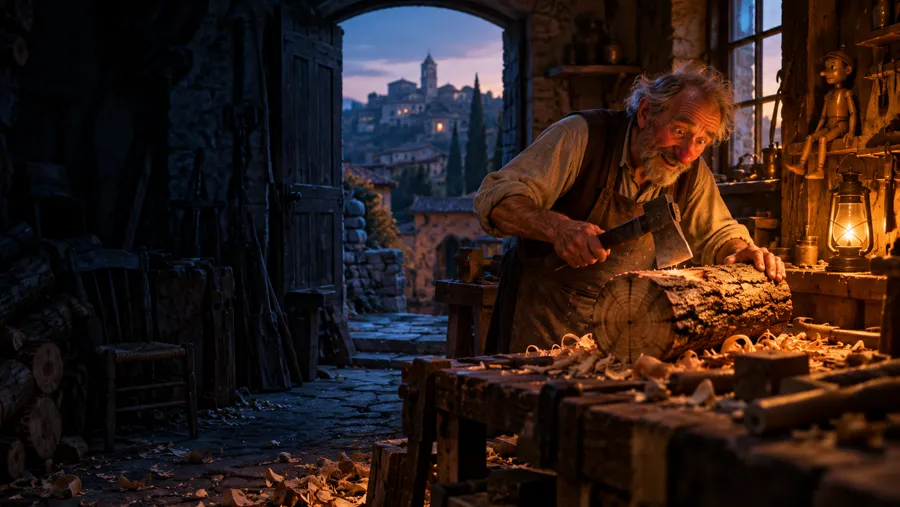
Carlo Collodi’s Pinocchio first appeared as a magazine serial in the early 1880s. His puppet is ruder and more reckless than the film’s, and the book reads like a cautionary tale with jokes. The cricket gets his name, Jiminy, only in the film. The Blue Fairy is the Fairy with Turquoise Hair, Pleasure Island is the Land of Toys, and Monstro the whale is, in the original, an enormous shark. See Pinocchio’s original ending for how the serial nearly finished much earlier.
The Jungle Book: book vs. film
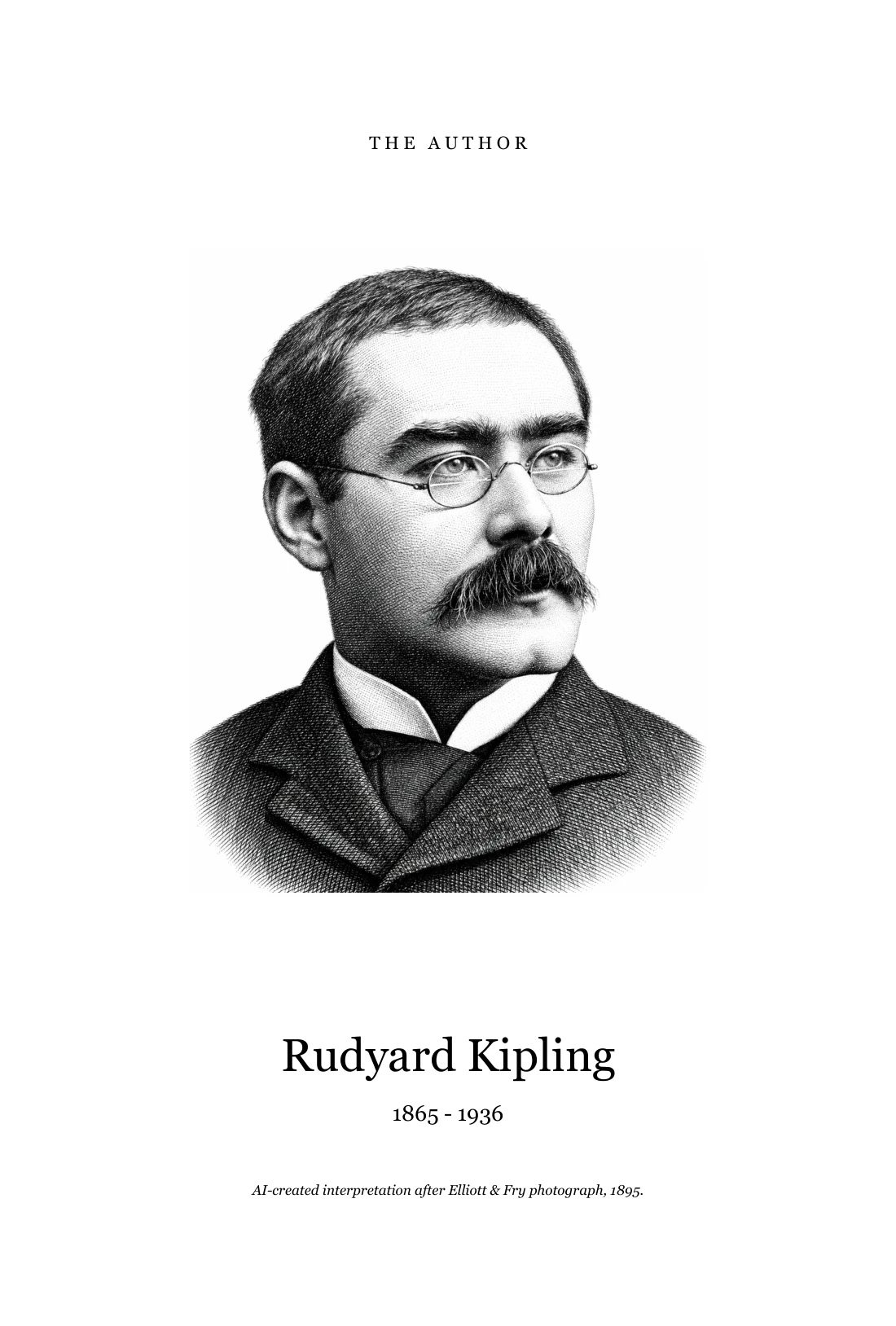
Rudyard Kipling’s Mowgli stories are about law, loyalty and belonging. Baloo is a sleepy old brown bear who teaches the wolf cubs the Law of the Jungle, and he takes it seriously. Kaa the python is a powerful, frightening ally who helps rescue Mowgli from the monkeys. The 1967 film turned Baloo into a happy-go-lucky bear and Kaa into a would-be villain, and invented King Louie; in Kipling, the monkey people have no leader at all, which is the whole point of them.
The book also has more than Mowgli. Its other stories, including “Rikki-Tikki-Tavi” and “The White Seal”, are among Kipling’s best, and Mowgli’s own story is completed in The Second Jungle Book.
Fairy tales: Snow White, Cinderella, The Little Mermaid and Frozen
Snow White and the Seven Dwarfs (1937), the studio’s first animated feature, follows the Grimm brothers’ tale in outline. But the Grimms’ dwarfs are unnamed, the queen tries to kill Snow White three times rather than once, and her end comes at Snow White’s wedding, in red-hot iron shoes. Tangled (2010) is a free retelling of the Grimms’ “Rapunzel”.
Cinderella (1950) owes more to Charles Perrault’s French version, with its fairy godmother and pumpkin coach, than to the Grimms, whose heroine is helped by birds and a hazel tree on her mother’s grave.
Hans Christian Andersen’s “The Little Mermaid” (1837) is the biggest change of all. In the story, the mermaid loses her voice for good, every step on land feels like treading on knives, and the prince marries someone else. Frozen (2013) took only a starting point from “The Snow Queen”: a queen of ice, a heart turned cold and a girl’s long journey north. For more, read Did you know the original fairy tales were darker?
The Hunchback of Notre Dame and The Wind in the Willows
Victor Hugo’s Notre-Dame de Paris (1831) is a vast, dark historical novel in which the cathedral itself is almost the main character. The 1996 film keeps Quasimodo, Esmeralda, Frollo and Phoebus, but turns Frollo from a churchman into a judge and gives the story a hopeful ending that Hugo did not. The novel is for adults and older teenagers.
The Adventures of Ichabod and Mr. Toad (1949) gave half its running time to Kenneth Grahame’s Toad, his motor-car mania and his trial. The book is gentler and more lyrical: whole chapters go by on the river with Mole and Rat and no Toad in sight.
If you want one place to start, try Pinocchio. It is short, funny and full of surprises, even for people who think they already know the story.
Questions readers ask
What Disney movies are based on books?
Disney films based on classic books include Pinocchio (1940), Alice in Wonderland (1951), Peter Pan (1953), The Jungle Book (1967) and The Hunchback of Notre Dame (1996). Snow White, Cinderella, Tangled, The Little Mermaid and Frozen are based on fairy tales.
Is The Little Mermaid book different from the movie?
Very. In Hans Christian Andersen’s 1837 story, the prince marries someone else and the mermaid dissolves into sea foam, though she is given a hope of one day gaining a soul.
Is The Jungle Book movie like the book?
Only loosely. Kipling’s Baloo is a strict teacher, Kaa is Mowgli’s ally, and King Louie was invented for the 1967 film.
Is the Pinocchio book scary?
It has darker moments than the film, including the death of the Talking Cricket and a scene in which villains hang Pinocchio from a tree. It is told with humour, and it ends happily.