THE STORY
There is a poem in an ordinary afternoon.
A. A. Milne follows a child’s imagination through staircases, walks, games and conversations. The rhythms are made for reading aloud, with room for the small rituals adults so easily forget.
Browse collections

Find your next chapter
Explore timeless stories, unexpected discoveries, and old favourites.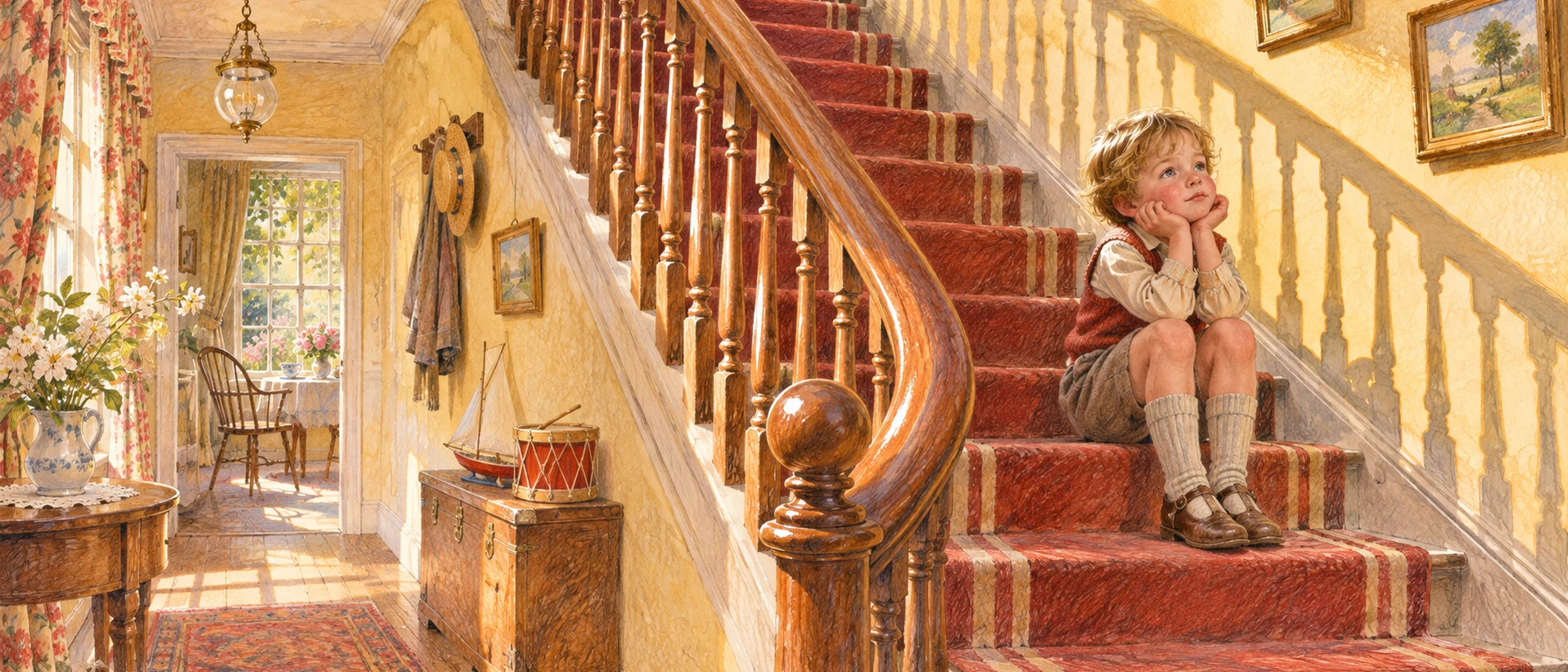
A. A. Milne follows a child’s imagination through staircases, walks, games and conversations. The rhythms are made for reading aloud, with room for the small rituals adults so easily forget.
$12.99
Printed for you. Shipping calculated at checkout.
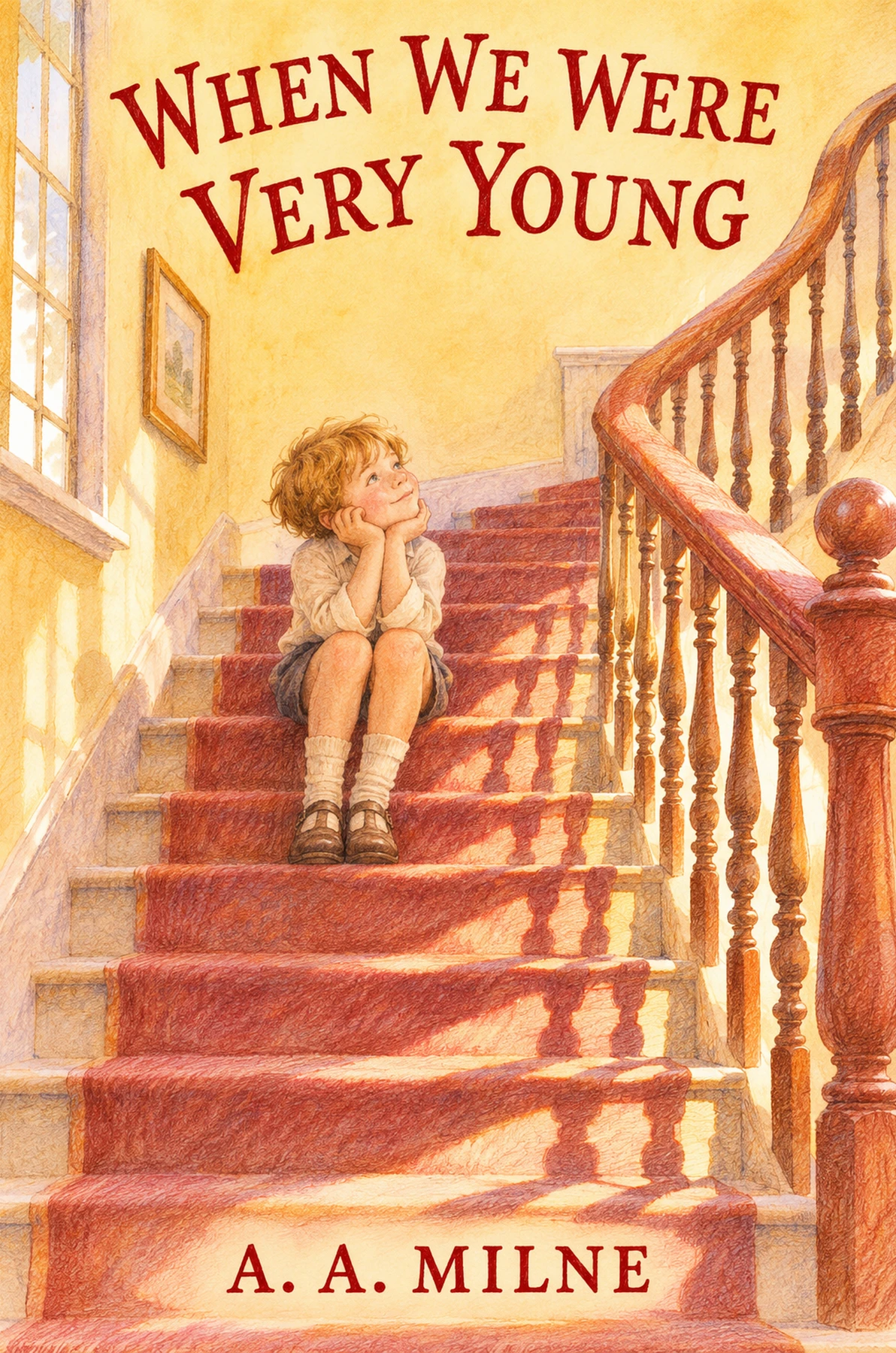

THE STORY
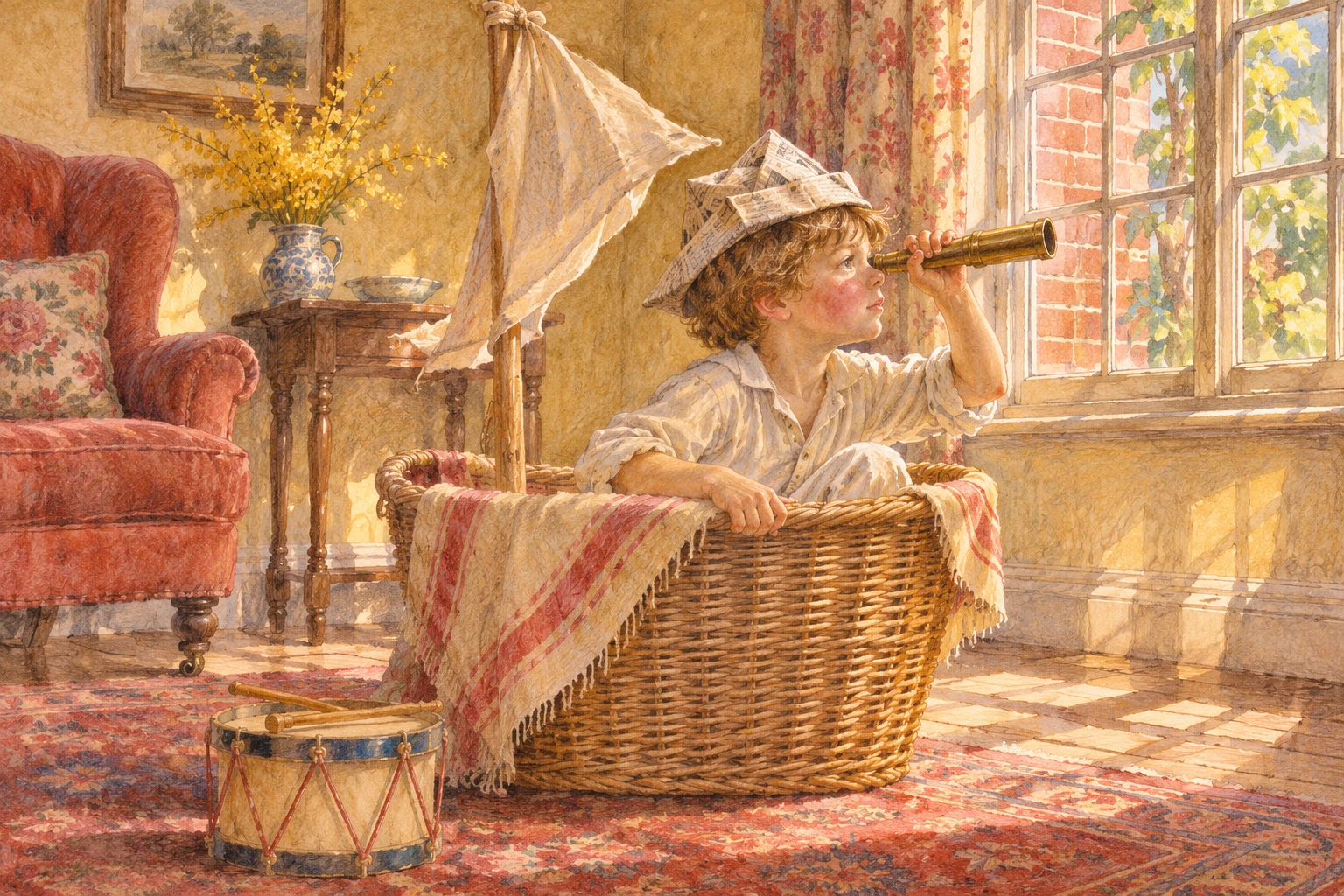
A. A. Milne follows a child’s imagination through staircases, walks, games and conversations. The rhythms are made for reading aloud, with room for the small rituals adults so easily forget.
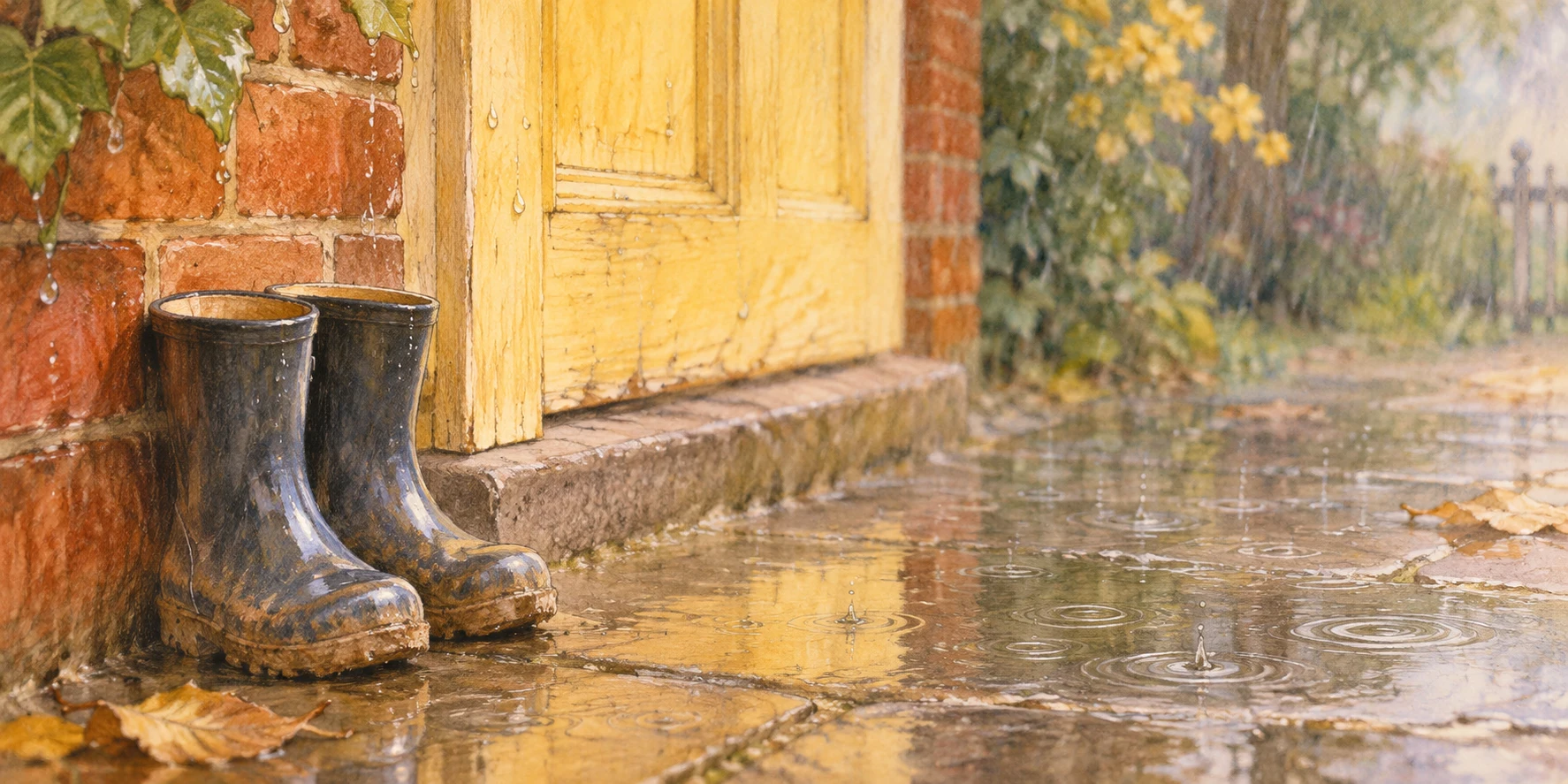
THE WORLD OF THE BOOK
Small boots stand on the wet doorstep.
LOOK INSIDE
Preview six pages from this edition. Select a page to enlarge it, or use the arrows to keep reading.
Spread 1 of 3
ABOUT THE AUTHOR
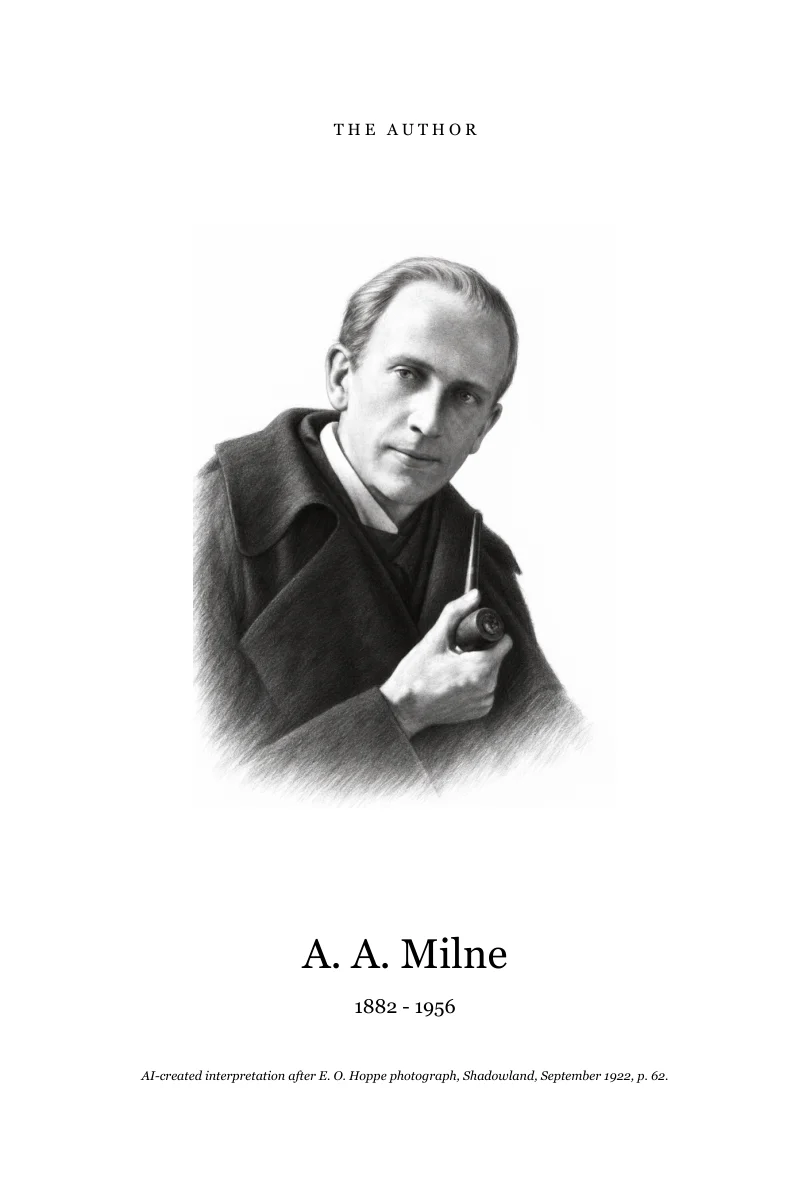
Alan Alexander Milne was an English writer whose career ranged from humorous journalism and plays to detective fiction and poetry. Born in London, he studied mathematics at Trinity College, Cambridge, where he also edited the student magazine Granta. After graduating in 1903, he pursued writing and later became assistant editor of Punch. Milne was already an established writer when his books for children brought a different kind of fame. When We Were Very Young appeared in 1924, followed by Winnie-the-Pooh in 1926, Now We Are Six in 1927 and The House at Pooh Corner in 1928. E. H. Shepard illustrated all four. His son Christopher Robin and the child's toys helped inspire the stories. Their imaginative setting also drew on the landscape around Ashdown Forest in Sussex. Milne made small incidents, conversations and misunderstandings into adventures, giving his animal characters recognisable habits and distinctive ways of thinking. The enduring popularity of these books has sometimes obscured the breadth of his other work. His writing brings together an ear for conversational rhythm, carefully managed humour and an interest in how people explain themselves. Milne left the manuscripts of his two Pooh storybooks to Trinity's Wren Library. Biographical references: Trinity College Cambridge; Wikipedia. Portrait source: E. O. Hoppe photograph, Shadowland, September 1922, p. 62. Full source records retained in the edition archive.
More about the author ↗THE NEXT CHAPTER
FREE TO READ
When We Were Very Young is in the public domain, so its words belong to everyone. Download our edition free. No account needed.
Best for phones, Apple Books, Google Play Books, Kobo and Kindle
The printed page layout, with illustrations
KEEP BROWSING