Public domain books are works whose copyright has expired, or that were never protected in the first place. Once a book enters the public domain, anyone can print it, adapt it, translate it or sell it without asking permission or paying royalties. That is why most of the great classics, from Pride and Prejudice to Dracula, are available from many different publishers at once.
Copyright was never meant to last forever. It gives authors and their heirs a long but limited period of exclusive control, after which their work passes into the common stock of culture. In the United States, as of 1 January 2026, books published in 1930 or earlier are in the public domain, and each January the line moves forward by a year: books from 1931 follow on 1 January 2027.
When do books enter the public domain?
It depends on the country, and the rules are genuinely complicated, so what follows is a general overview rather than legal advice.
In the United States, books published between 1923 and 1977 whose copyright was properly maintained are generally protected for ninety-five years from publication. Protection runs to the end of the calendar year, so the books of a given year all enter the public domain together on the first of January. Books from 1925 became free in 2021, books from 1926 in 2022, and so on. As of 1 January 2026, every book published in 1930 or earlier, wherever it first appeared, is in the public domain in the US. (Sound recordings follow separate rules.)
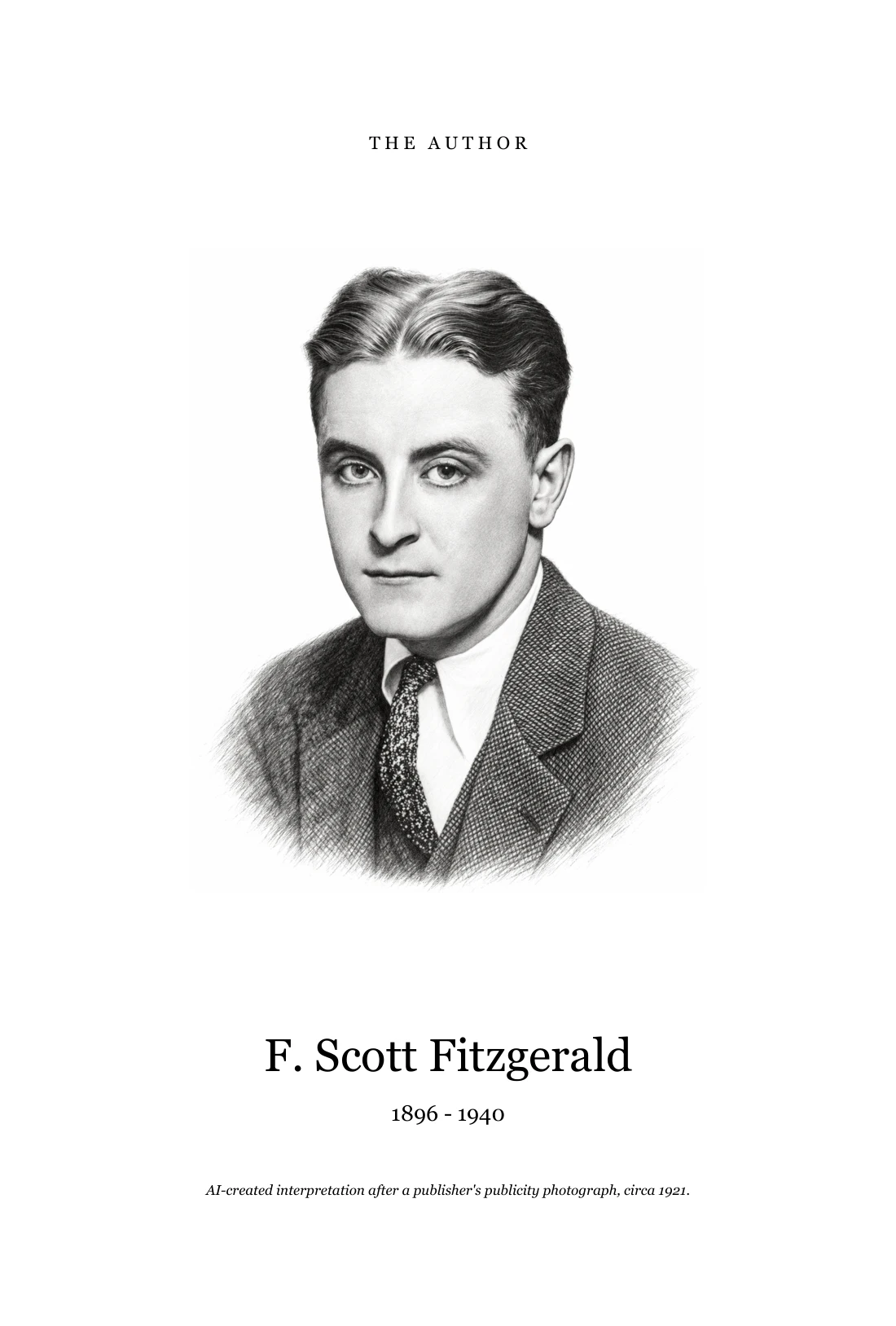
Many other countries, including the United Kingdom and the members of the European Union, use a different rule: copyright generally lasts for the author’s life plus seventy years, which is also the US rule for works created since 1978. Fitzgerald died in 1940, for instance, so The Great Gatsby came out of copyright in the UK at the start of 2011, ten years before it did in the US. So a book can be in the public domain in one country and still protected in another, depending on when it was published and when its author died. Translations, illustrations and later editions can carry copyrights of their own, too.
Classics that have recently entered the public domain
The 2020s have been a remarkable decade for readers. As the ninety-five-year terms expire, the great books of the 1920s are entering the US public domain one year at a time.
The Great Gatsby
1925. Fitzgerald’s novel of longing and money on Long Island entered the US public domain in January 2021.
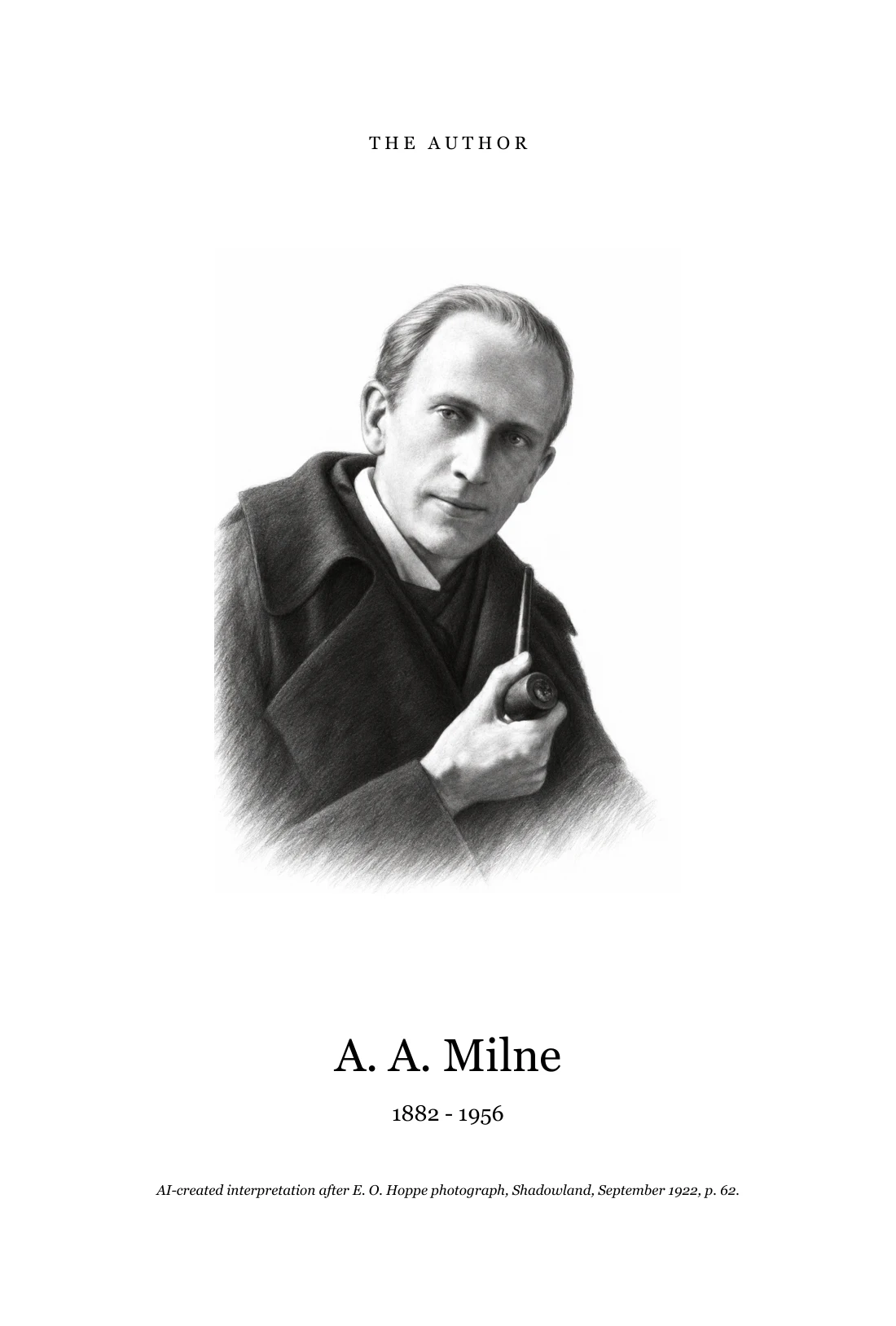
Winnie-the-Pooh
1926. Milne’s first book of Pooh stories followed in January 2022. The public domain covers the original book, not later film versions of the characters.
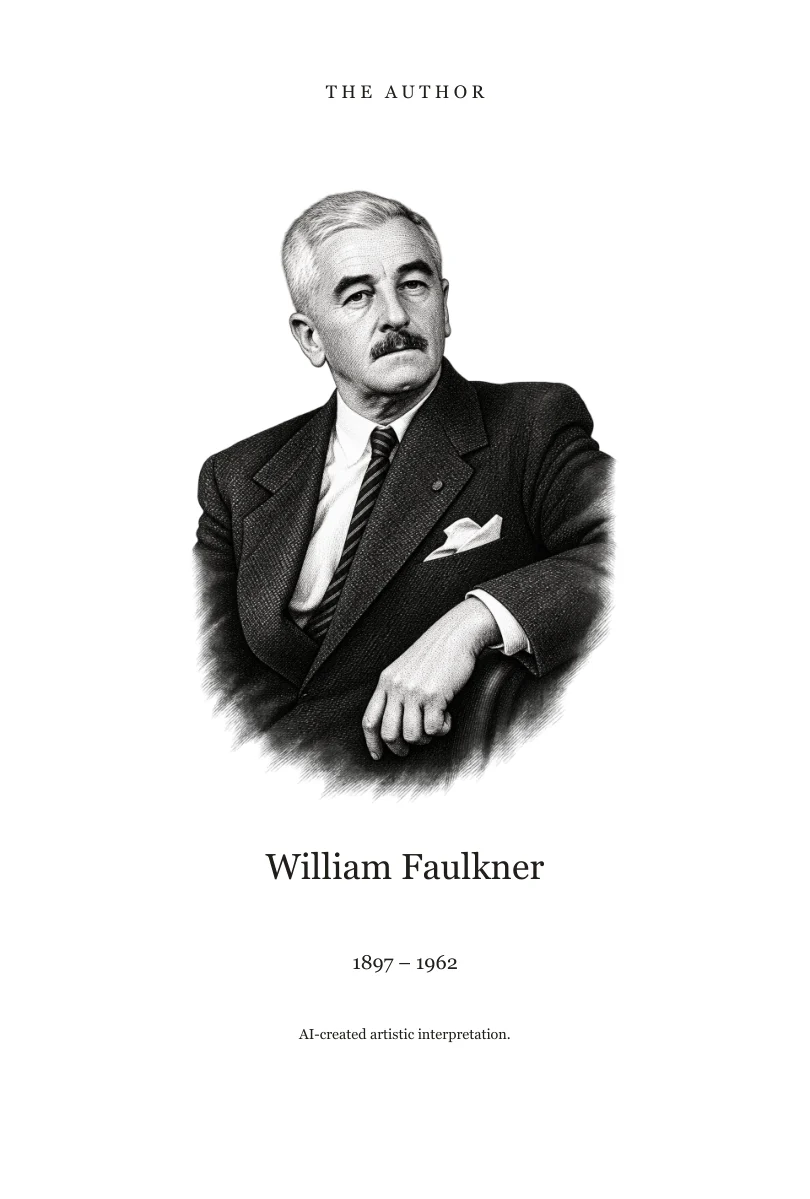
The Sound and the Fury
1929. Faulkner’s experimental novel of a Southern family’s decline entered the US public domain in January 2025.
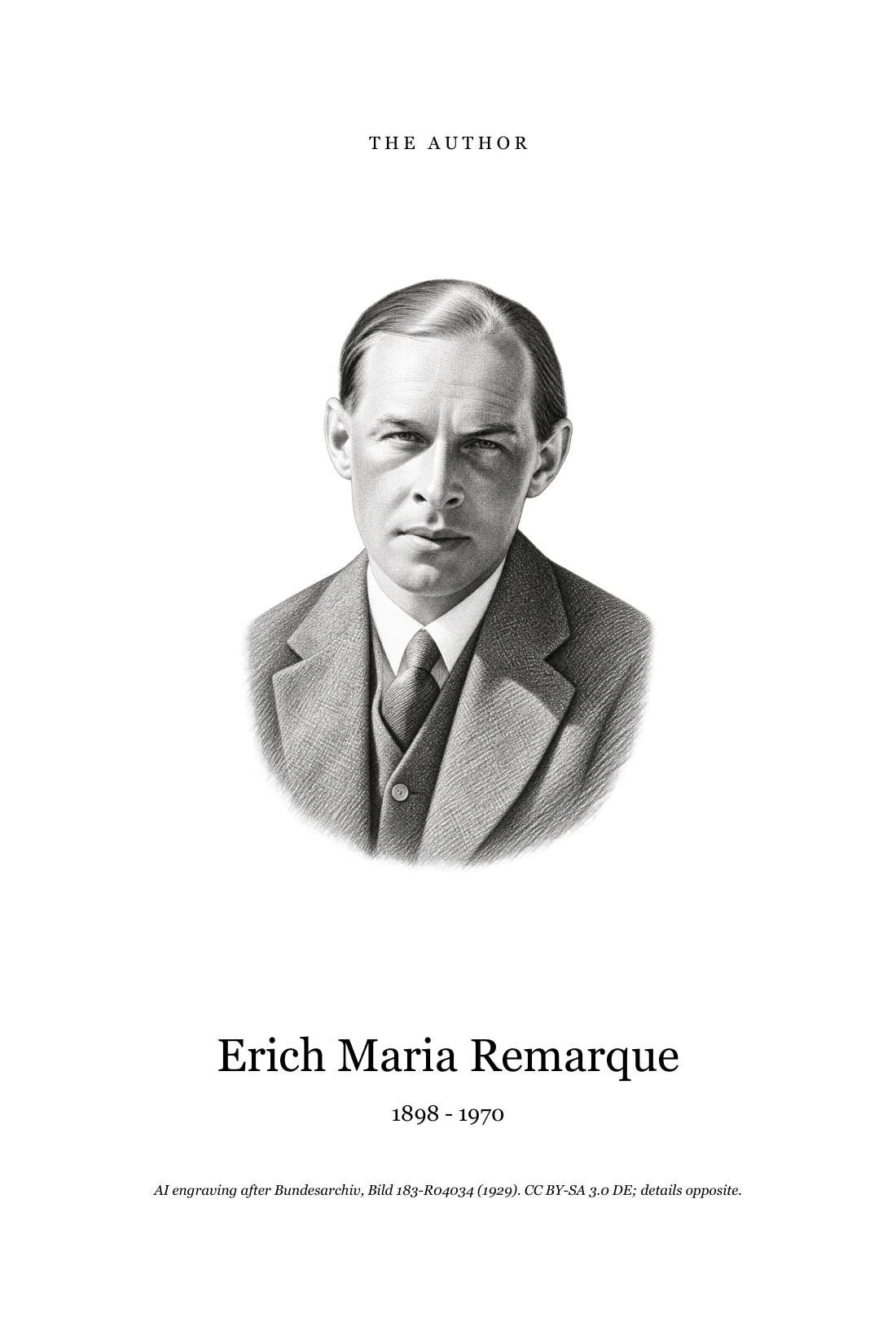
All quiet on the Western Front
1929. Remarque’s novel of young German soldiers in the trenches, an international best-seller in the year it first appeared as a book.


Each of these stories has a history worth knowing. Gatsby was a disappointment for Fitzgerald when it first appeared, as we explain in why The Great Gatsby disappointed at first. All Quiet on the Western Front was later burned by the Nazis, a story we tell in why All Quiet on the Western Front was burned. And Pooh’s whole world is mapped in the Winnie-the-Pooh books.
What the public domain does and doesn’t cover
The public domain applies to a specific published work, not to everything connected with it. When a book’s copyright expires, its original text becomes free to use. Later sequels, new translations, film versions and the particular way a studio drew a character may remain protected, and trademarks are a separate matter altogether. That is why you will see new editions of a newly free classic within weeks, while some famous adaptations stay off limits.
Why public domain books are affordable
When a book is in copyright, one publisher usually holds the exclusive right to publish it in a given market, and part of every sale goes to the author or the author’s estate as a royalty. That is exactly as it should be: it is how writers earn a living.
Once the copyright expires, no royalty is owed and any publisher may produce an edition. Competition does the rest. Publishers still have real costs, from typesetting and cover design to printing, paper and shipping, so a public domain book is not free to make. But without a licence fee and with many editions to choose from, prices fall and readers benefit. It is the reason a shelf of great books costs far less than it otherwise would, and the reason a bookshop like ours can exist at all.
The public domain is a gift
There is something generous about the whole arrangement. The system rewards writers and their heirs for a long time, and then hands their work to everyone. Shakespeare, Austen, Dickens and now The Great Gatsby belong to all of us, and anyone with an idea for a new edition, a new adaptation or a new translation is free to try.
If you want to see what one of those newly free books feels like, start with The Great Gatsby by F. Scott Fitzgerald. It is short, dazzling and just over a century old, and in the US it now belongs to everyone.
Questions readers ask
What does it mean when a book is in the public domain?
It means the book is no longer protected by copyright, so anyone may publish, adapt or translate it without permission or royalties. Rules differ from country to country, so a book can be public domain in one place and protected in another.
When do books enter the public domain in the US?
For US books published between 1923 and 1977 whose copyright was maintained, protection generally lasts ninety-five years from publication, and the books enter the public domain on the following 1 January. As of 1 January 2026, books published in 1930 or earlier are in the US public domain, and books from 1931 follow on 1 January 2027.
Is The Great Gatsby in the public domain?
Yes, in the United States. The Great Gatsby was published in 1925 and entered the US public domain on 1 January 2021. Copyright terms in other countries depend on local law.
Why are classic books so cheap?
Once a book is in the public domain, publishers pay no royalties and many can publish competing editions, which keeps prices down. Publishers still pay for design, typesetting, printing and distribution.