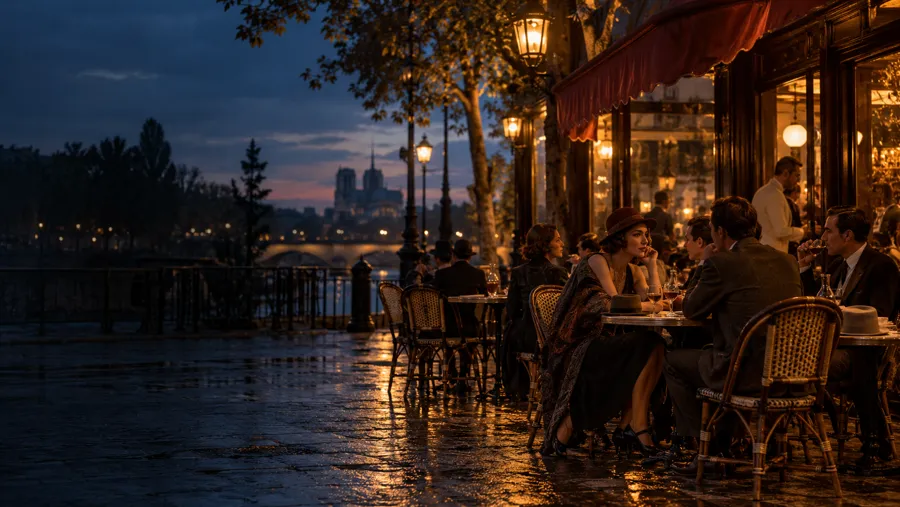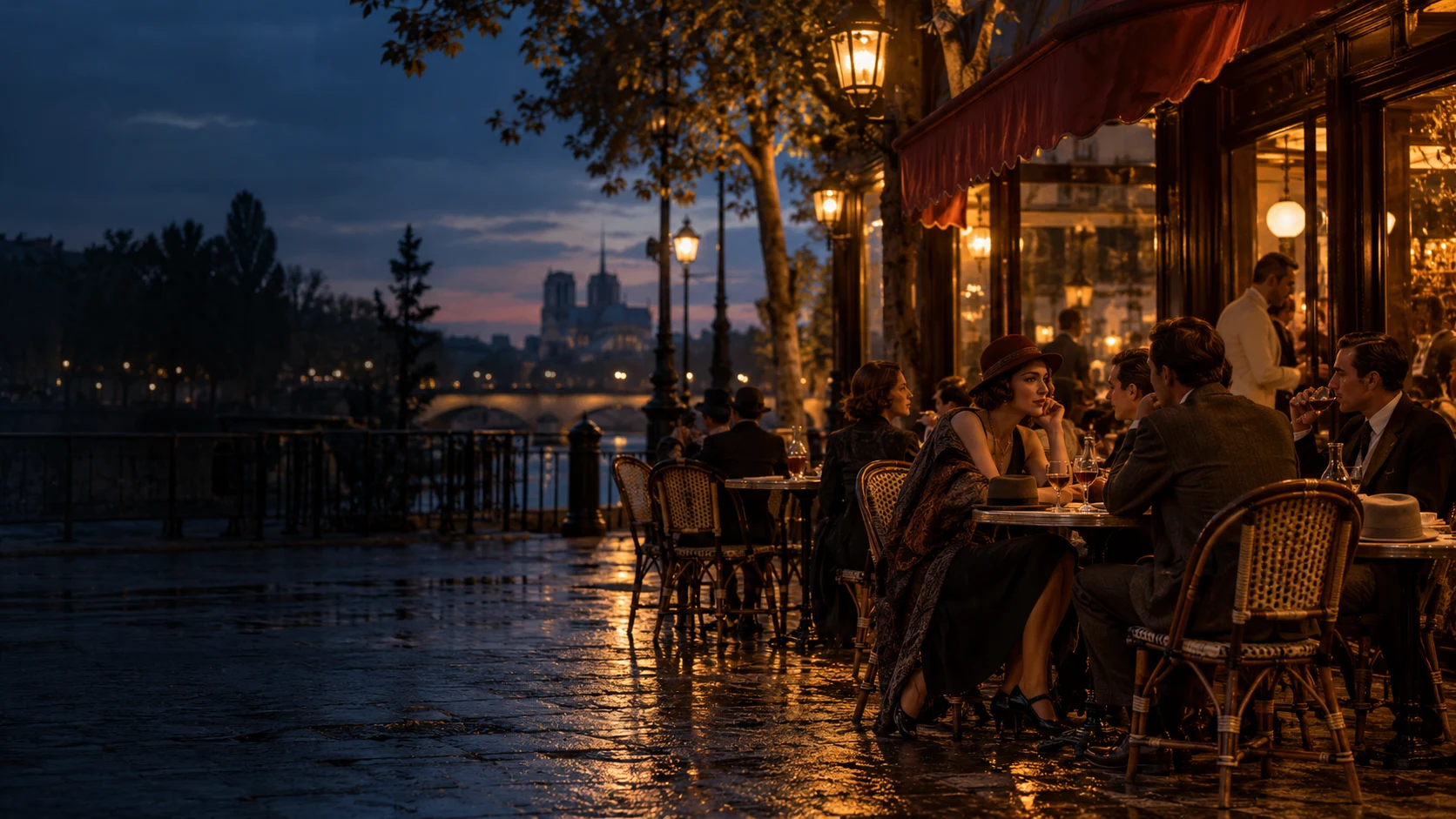
Gertrude Stein’s old Ford needed fixing. As Ernest Hemingway told the story decades later in A Moveable Feast, a young mechanic who had served in the war did a careless job, and the garage owner scolded him, telling him that his whole lot were a génération perdue, a lost generation. Stein took the phrase home and turned it on Hemingway and his friends: all of you young people who served in the war, she told him, are a lost generation.
Hemingway put her line at the front of his first full-length novel, The Sun Also Rises, in 1926, and it stuck. The Lost Generation authors are the American writers who came of age during the First World War, many of whom spent the 1920s in Paris: Hemingway, F. Scott Fitzgerald, John Dos Passos, E. E. Cummings, Archibald MacLeish, Hart Crane and others, with Stein and the older Sherwood Anderson as their mentors.
You are all a lost generation.
Gertrude Stein “in conversation”, epigraph to *The Sun Also Rises* (1926)
Who were the Lost Generation authors?
Broadly, the term covers people born in the last two decades of the nineteenth century who reached adulthood around 1914. In literature, it usually means a looser group of Americans, many of them war veterans or volunteers, who rejected the small-town and genteel values they had grown up with and went abroad, where the dollar went further and nobody was watching.
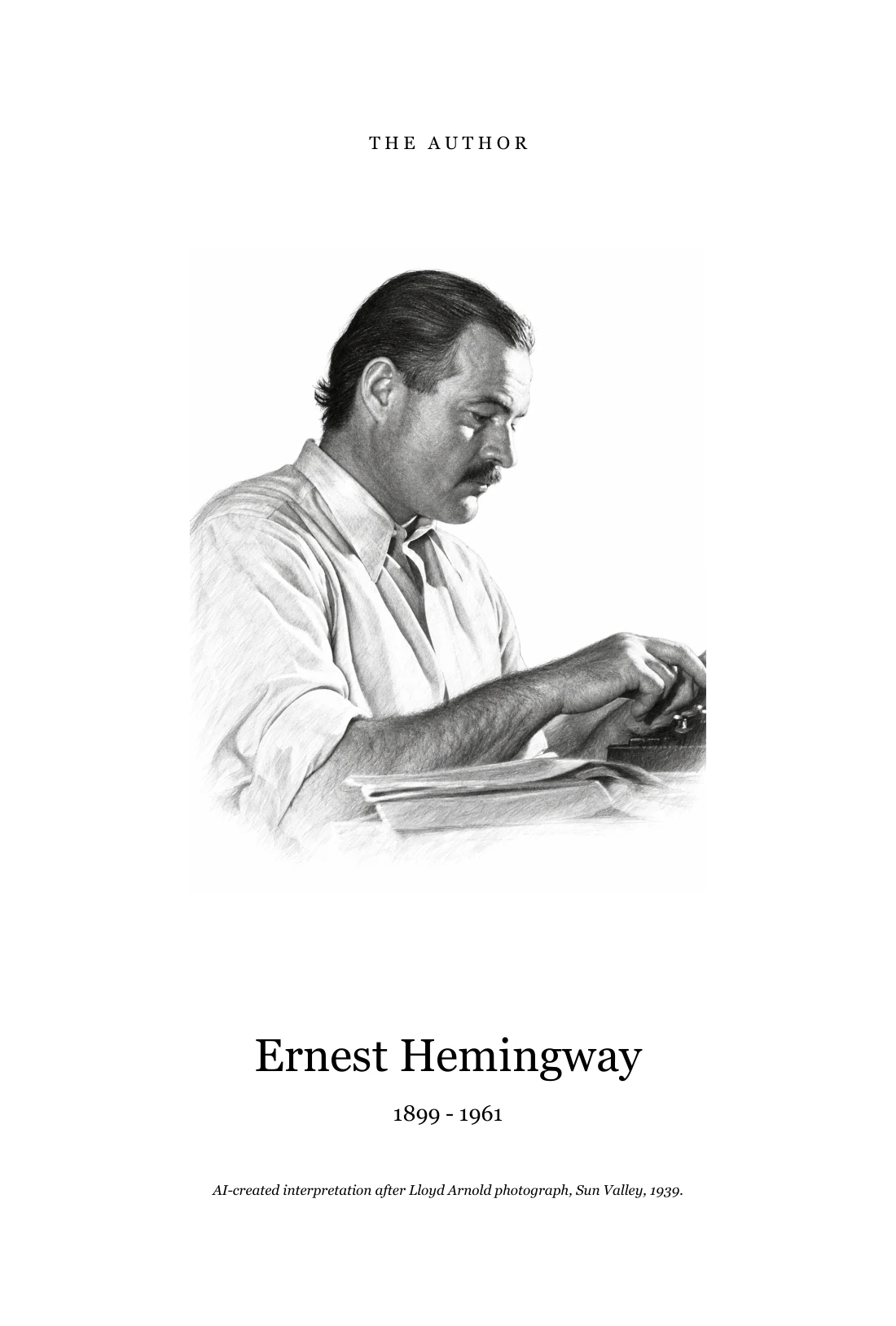
Hemingway is the centre of the story. He had driven ambulances for the Red Cross on the Italian front and was badly wounded by mortar fire at Fossalta di Piave in July 1918. In 1921 he moved to Paris with his wife Hadley, as a foreign correspondent for the Toronto Star, carrying letters of introduction from Sherwood Anderson, who had persuaded the couple to choose Paris over Rome. Those letters opened the doors of Gertrude Stein and Ezra Pound.
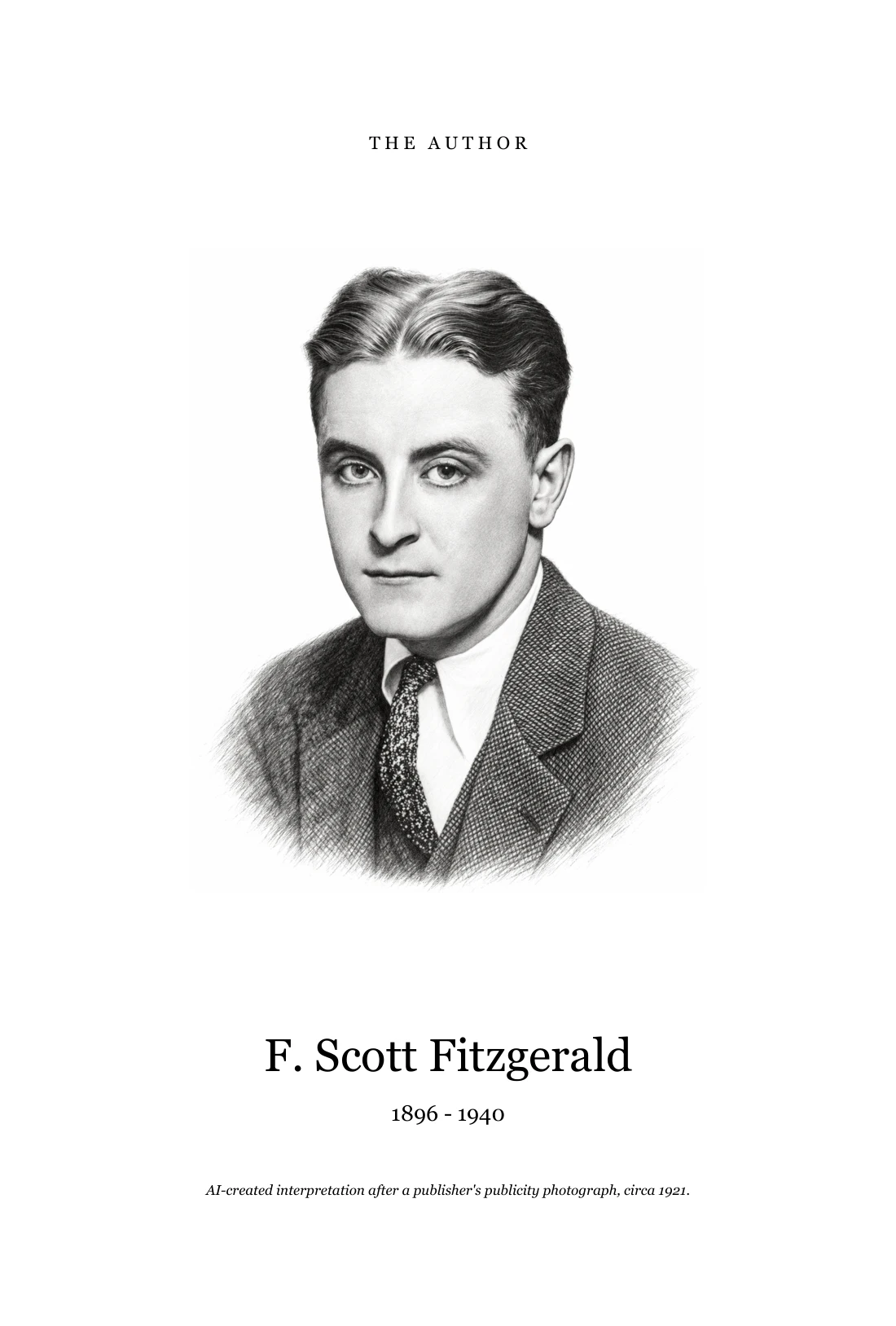
Fitzgerald was already famous by then, for This Side of Paradise (1920), and became the chronicler of the Jazz Age. The two met in Paris in 1925, the year The Great Gatsby appeared; Hemingway read it, admired it and decided his next book had to be a novel. Their friendship has been described as one of admiration and hostility, and it lasted, on and off, until Fitzgerald’s death in 1940.
- 1918
Hemingway is wounded on the Italian front
- 1919
Sherwood Anderson publishes Winesburg, Ohio
- 1920
Fitzgerald’s first novel, This Side of Paradise, makes him a celebrity
- 1921
Hemingway arrives in Paris with Anderson’s letters of introduction
- 1925
The Great Gatsby is published; Hemingway and Fitzgerald meet
- 1926
The Sun Also Rises carries Stein’s phrase to a wide audience
- 1929
Hemingway’s A Farewell to Arms turns his war into fiction
- 1964
A Moveable Feast, Hemingway’s Paris memoir, is published after his death
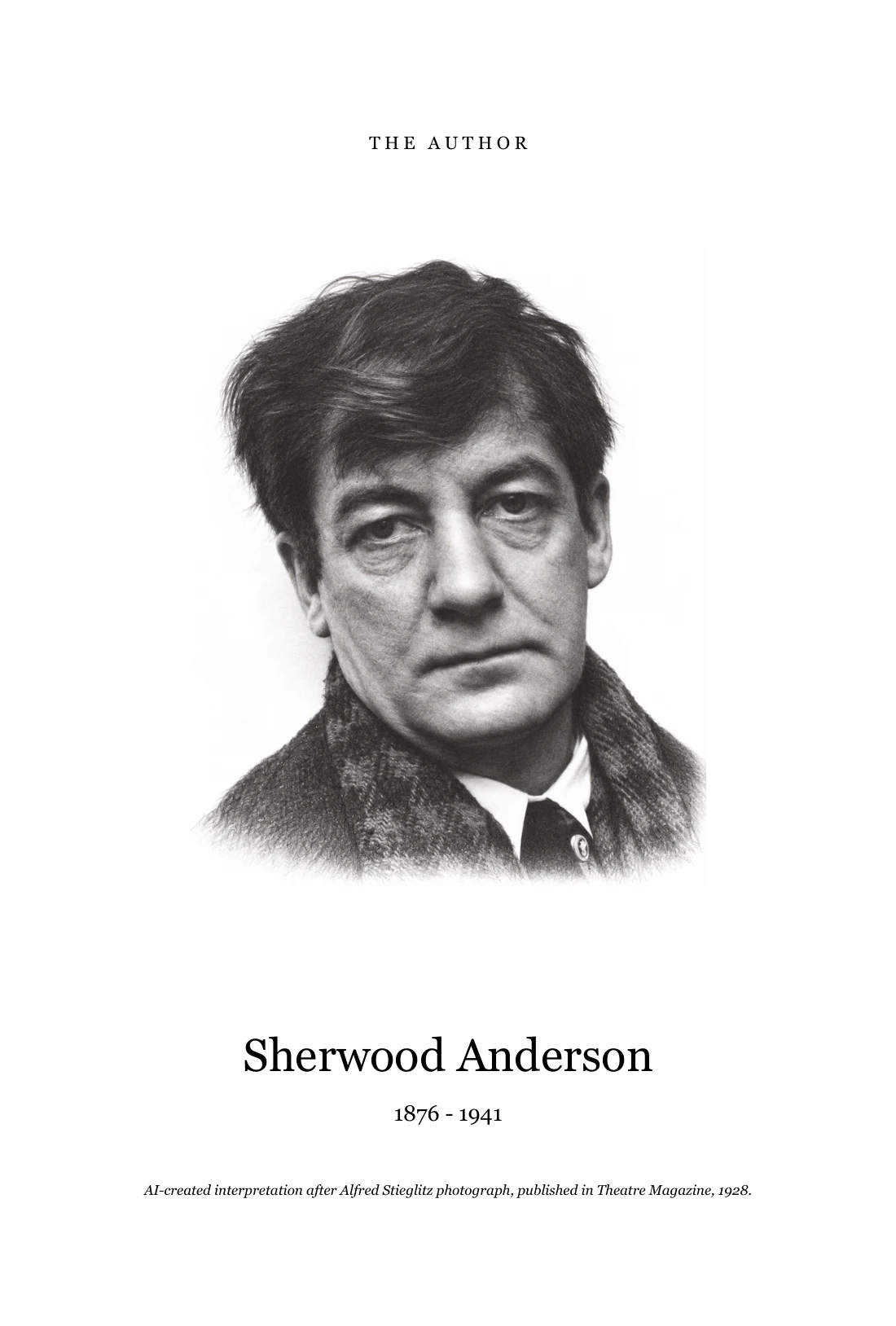
Sherwood Anderson, the elder
Anderson, born in 1876, was too old to belong to the generation, but he did as much as anyone to shape it. Winesburg, Ohio (1919), twenty-two linked stories about the lonely and damaged people of a small Ohio town modelled on his own Clyde, showed younger writers that plain American speech and small lives could make serious art. Critics have compared its structure to Hemingway’s In Our Time and to Faulkner.
His reward was mockery. In 1926 Hemingway published The Torrents of Spring, a parody of Anderson’s novel Dark Laughter, which broke his contract with Anderson’s publisher and moved him to Scribner’s. It was widely believed he wrote it partly for that reason, though he denied it.
What did the Lost Generation write about?
Their subject was the aftermath: the war and what it did to the people who came home, or did not. Their characters drink too much, travel too much and talk around the thing that hurts. Fitzgerald turned the same restlessness on the rich, and on the American Dream itself, in Jay Gatsby’s parties on Long Island. Stylistically they cut away ornament. Hemingway’s short declarative sentences, learned partly from journalism and partly from Stein and Anderson, changed how a generation of writers wrote prose.
Hemingway himself was ambivalent about the label. He paired Stein’s line in his epigraph with a passage from Ecclesiastes about one generation passing and another coming while the earth abides, and in A Moveable Feast he wondered aloud who, exactly, was calling whom lost.
Lost Generation books to read first
The Sun Also Rises
1926. Jake Barnes and Lady Brett Ashley drift from the cafés of Paris to the bullfights of Pamplona. The Lost Generation’s defining novel.
The Great Gatsby
1925. Fitzgerald’s short, perfect novel of a self-made man, a green light across the bay and the cost of reinventing yourself.
A Farewell to Arms
1929. An American ambulance officer on the Italian front, a British nurse and the long retreat from Caporetto, drawn from Hemingway’s own war.
Winesburg, Ohio: A Group of Tales of Ohio Small Town Life
1919. The elder’s masterpiece: a small town seen through the secret lives of its misfits, and the book the young writers learned from.


For more on the decade, see the Jazz Age and modernism explained. If Gatsby is your way in, try books like The Great Gatsby and the F. Scott Fitzgerald books in order.
Start with The Sun Also Rises by Ernest Hemingway. Read the two epigraphs before chapter one, then decide for yourself which of them the book believes.
Questions readers ask
Who are the Lost Generation authors?
The best known are Ernest Hemingway, F. Scott Fitzgerald, John Dos Passos, E. E. Cummings, Archibald MacLeish and Hart Crane, with Gertrude Stein and Sherwood Anderson as older mentors. Many lived in Paris in the 1920s.
Who coined the term Lost Generation?
Gertrude Stein is credited with it, and Hemingway made it famous in the epigraph to The Sun Also Rises (1926). In A Moveable Feast, Hemingway said Stein heard it from a French garage owner; Stein herself later gave a different account.
Why were they called the Lost Generation?
Because they came of age during the First World War, which left many of them disillusioned and adrift, unwilling to return to the values they had grown up with.
Was F. Scott Fitzgerald part of the Lost Generation?
Yes. Fitzgerald, born in 1896, is one of its central figures, and The Great Gatsby (1925) is often read as its great novel of the American Dream.
 Men Without Women128 pages · $11.99