
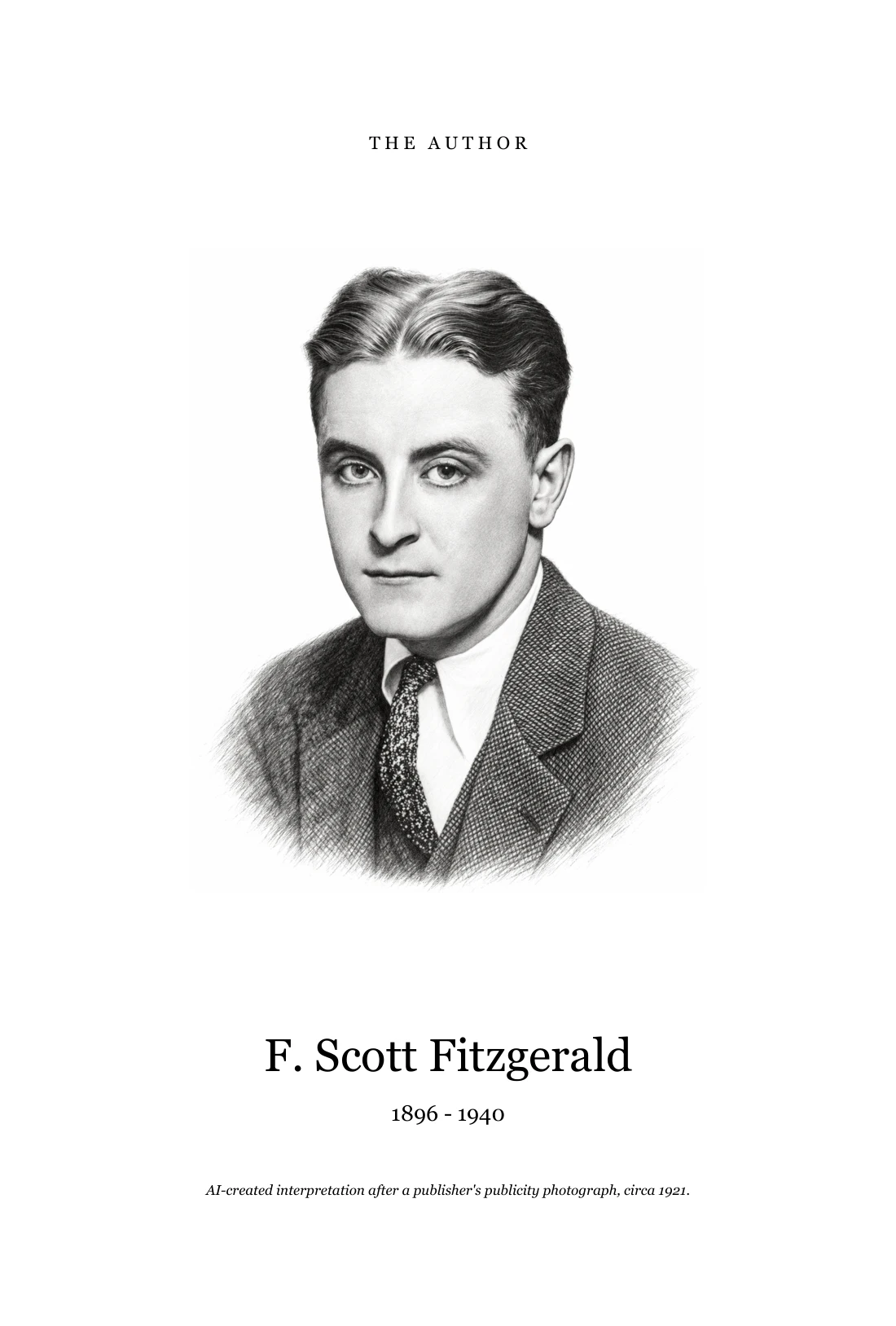
F. Scott Fitzgerald did not coin “the Jazz Age”. Writers were using the phrase in American magazines in 1919, before he had published a novel. But when he called his 1922 story collection Tales of the Jazz Age, the label stuck to him so firmly that a decade of American life is still named, in effect, after his book.
So which are the Jazz Age books to read? Begin with Fitzgerald’s first novel, This Side of Paradise (1920), then Tales of the Jazz Age (1922) and The Great Gatsby (1925). Around them sit Sinclair Lewis’s satires of Main Street America and Ernest Hemingway’s expatriates in Paris and Pamplona. Together they cover the same restless years from three very different angles.
When was the Jazz Age?
Historians usually mean the American 1920s, from the end of the First World War to the Wall Street Crash, though where exactly to draw the lines is a matter of taste rather than law. Fitzgerald himself drew the lines in a 1931 essay, “Echoes of the Jazz Age”. He dated the start to the May Day riots of 1919, when mounted police broke up crowds in American cities, and the end to the crash of October 1929.
Between those dates came Prohibition, votes for women, the radio, the motor car and the music itself, which had grown out of Black communities in New Orleans and spread north to Chicago and New York. The fiction of the decade is often less about jazz than about the young white Americans who danced to it, and about the money that paid for the dancing.

Fitzgerald’s Jazz Age books in order
- $15.99
This Side of Paradise
1920. Amory Blaine drifts from Princeton to the war to an advertising job in New York. A messy, brilliant debut that made its 23-year-old author famous almost overnight.
- $18.99
The Beautiful and Damned
1922. A young couple waiting for an inheritance party their way through New York. Darker than the debut, and a portrait of a marriage running on borrowed time.
- $15.99
Tales of the Jazz Age
1922. Eleven stories grouped under “My Last Flappers”, “Fantasies” and “Unclassified Masterpieces”, including “May Day” and “The Curious Case of Benjamin Button”.
- $12.99
The Great Gatsby
1925. Nick Carraway rents a bungalow next to a millionaire who throws parties he never seems to enjoy. The Jazz Age seen at its height, by a narrator already half outside it.


The novel that came before the decade
One oddity: This Side of Paradise is mostly about the 1910s. Amory’s college years end with America’s entry into the war, and only the last part of the book is set after the armistice. Yet readers in 1920 took it as a report on the generation coming of age right then, and the press cast Fitzgerald as the spokesman for youth in revolt. Its closing pages hand that generation its motto.
Here was a new generation, shouting the old cries, learning the old creeds, through a revery of long days and nights; destined finally to go out into that dirty gray turmoil to follow love and pride; a new generation dedicated more than the last to the fear of poverty and the worship of success; grown up to find all Gods dead, all wars fought, all faiths in man shaken....
F. Scott Fitzgerald, This Side of Paradise

Tales of the Jazz Age: the book behind the name
The collection is a curious object. Fitzgerald wrote a chatty annotated contents page, explaining where each story came from and apologising for some of them, and closed it by offering “these tales of the Jazz Age into the hands of those who read as they run and run as they read.” Contemporary reviewers were not all kind, and one complained that it felt more like a magazine than a book.
That is part of its interest now. Here is the full range of what Fitzgerald could do at speed: the flapper comedies that paid his bills, the bitter social panorama of “May Day”, set during the riots he later used to date the whole era, and fantasies like “The Diamond as Big as the Ritz”, about a family that owns a mountain made of a single diamond.
Beyond Fitzgerald: other Jazz Age novels
Fitzgerald saw the decade from the dance floor. Other novelists of the 1920s watched from Main Street, from the office and from abroad.
Main Street
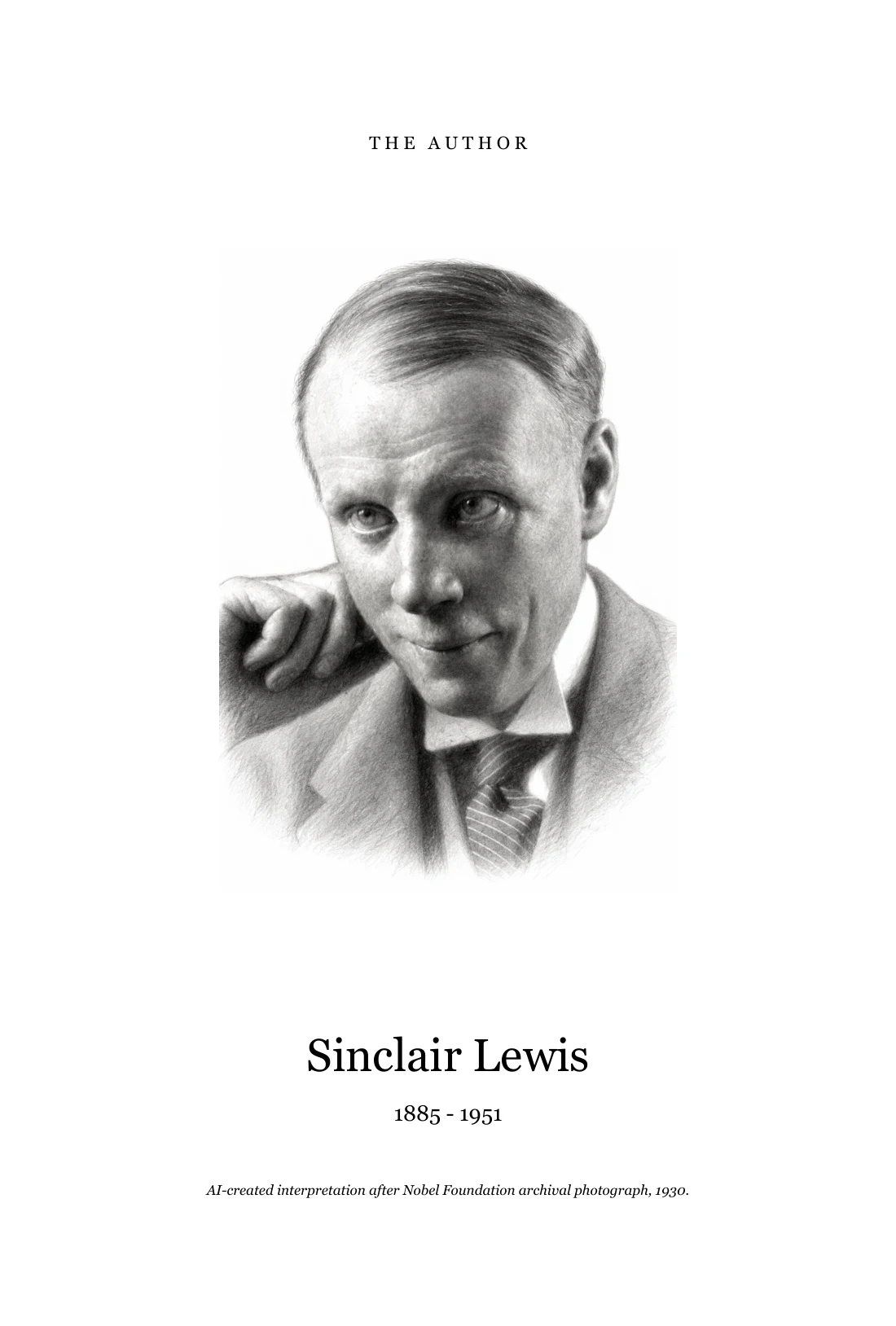
1920. Carol Kennicott marries a small-town doctor and tries to bring culture to Gopher Prairie. Sinclair Lewis’s satire of the America the flappers were escaping.
Babbitt
1922. George F. Babbitt, estate agent, booster and joiner, begins to suspect his prosperous life is hollow. The word “babbitt” entered the dictionary on the strength of it.
The Sun Also Rises
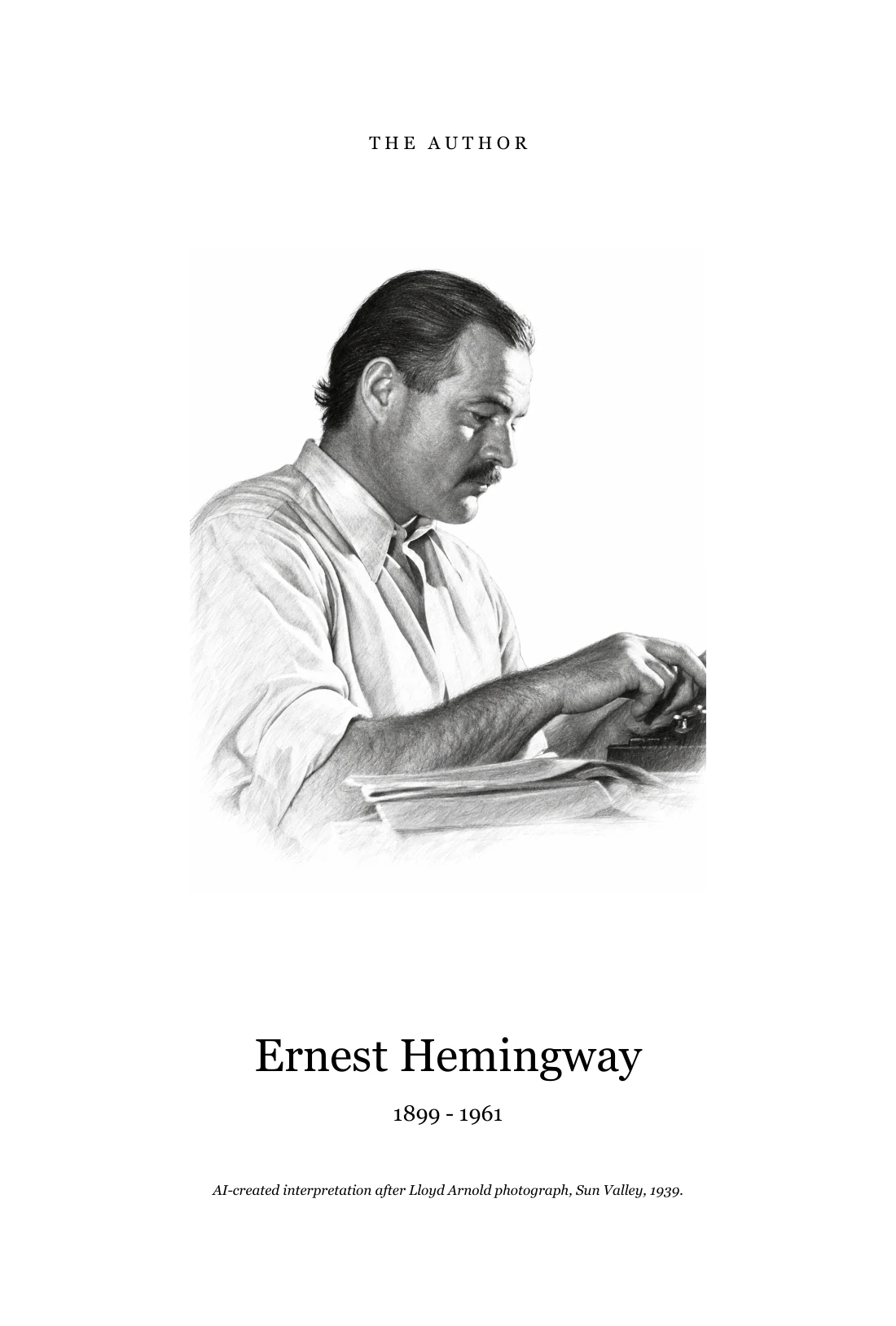
1926. Expatriates drink their way from Paris to the fiesta at Pamplona. Hemingway’s first major novel, and the other face of the decade: the war generation, not the flappers.
The Glimpses of the Moon
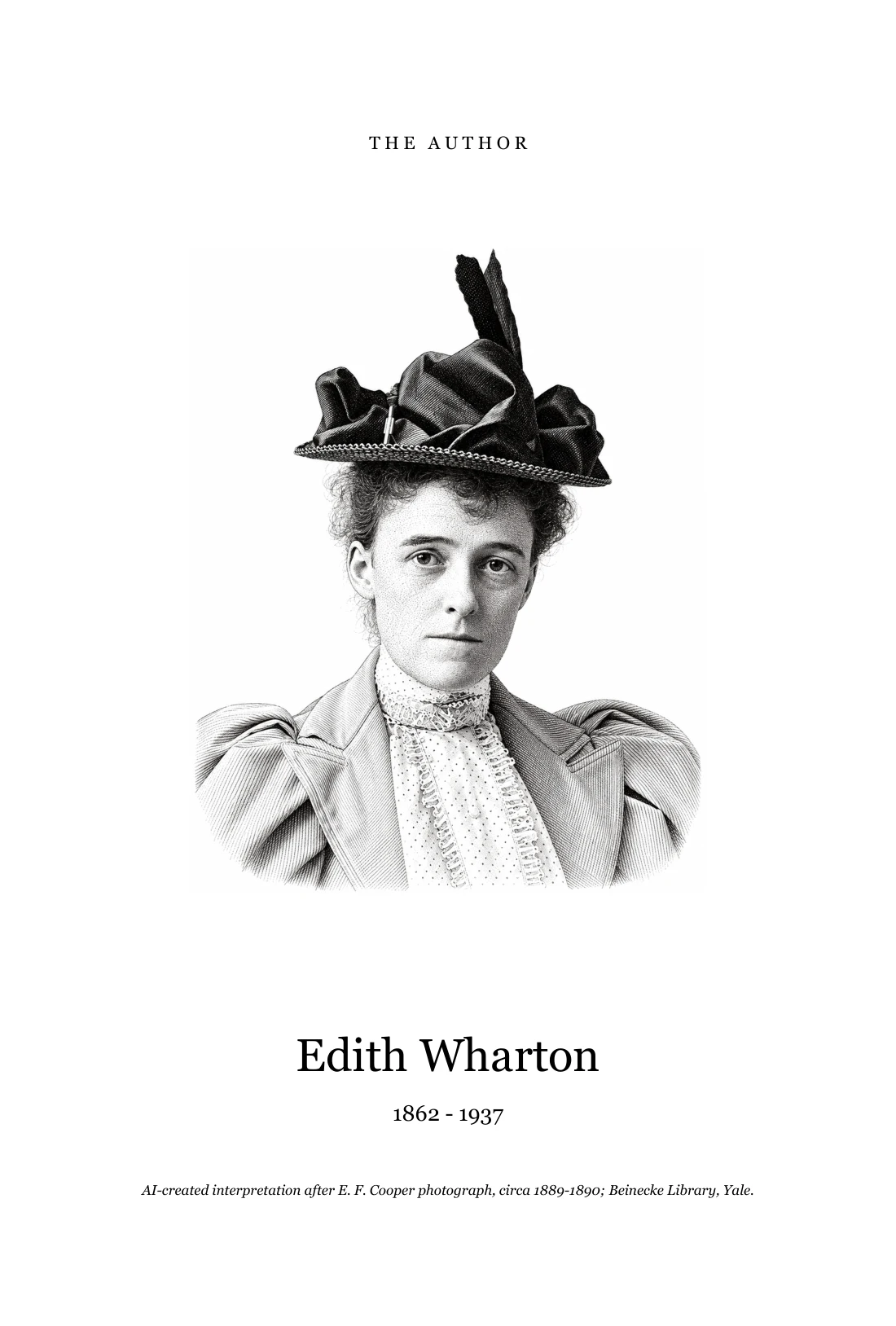
1922. Edith Wharton’s comedy of a penniless couple who marry to live off their rich friends’ hospitality for a year. Wharton, then in her sixties, turned to the Jazz Age too.


How the Jazz Age ended
The crash of 1929 ended the party in fact and in fiction. Fitzgerald’s reputation fell with the market; by the time he died in 1940, The Great Gatsby had sold modestly and he believed himself forgotten. Its revival came during the Second World War, when free copies went to American servicemen, and it has never since been out of the conversation. We tell that story in why The Great Gatsby disappointed at first.
For more of the decade, see books like The Great Gatsby, Fitzgerald’s early books in order and Edith Wharton’s 1920s novels. Then start where readers in 1920 did, with This Side of Paradise by F. Scott Fitzgerald, and watch a new generation walk on stage.
Questions readers ask
Who coined the term Jazz Age?
No single person. The phrase “jazz age” was already appearing in American magazines in 1919. F. Scott Fitzgerald popularised it with his 1922 story collection Tales of the Jazz Age, and he is the writer most associated with it.
What are the best Jazz Age books?
Start with Fitzgerald’s This Side of Paradise, Tales of the Jazz Age and The Great Gatsby. For other angles on the 1920s, read Sinclair Lewis’s Babbitt and Ernest Hemingway’s The Sun Also Rises.
When did the Jazz Age start and end?
It usually means the American 1920s. Fitzgerald dated it from the May Day riots of 1919 to the stock market crash of October 1929, though historians draw the boundaries in different places.
 All the Sad Young Men194 pages · $13.99