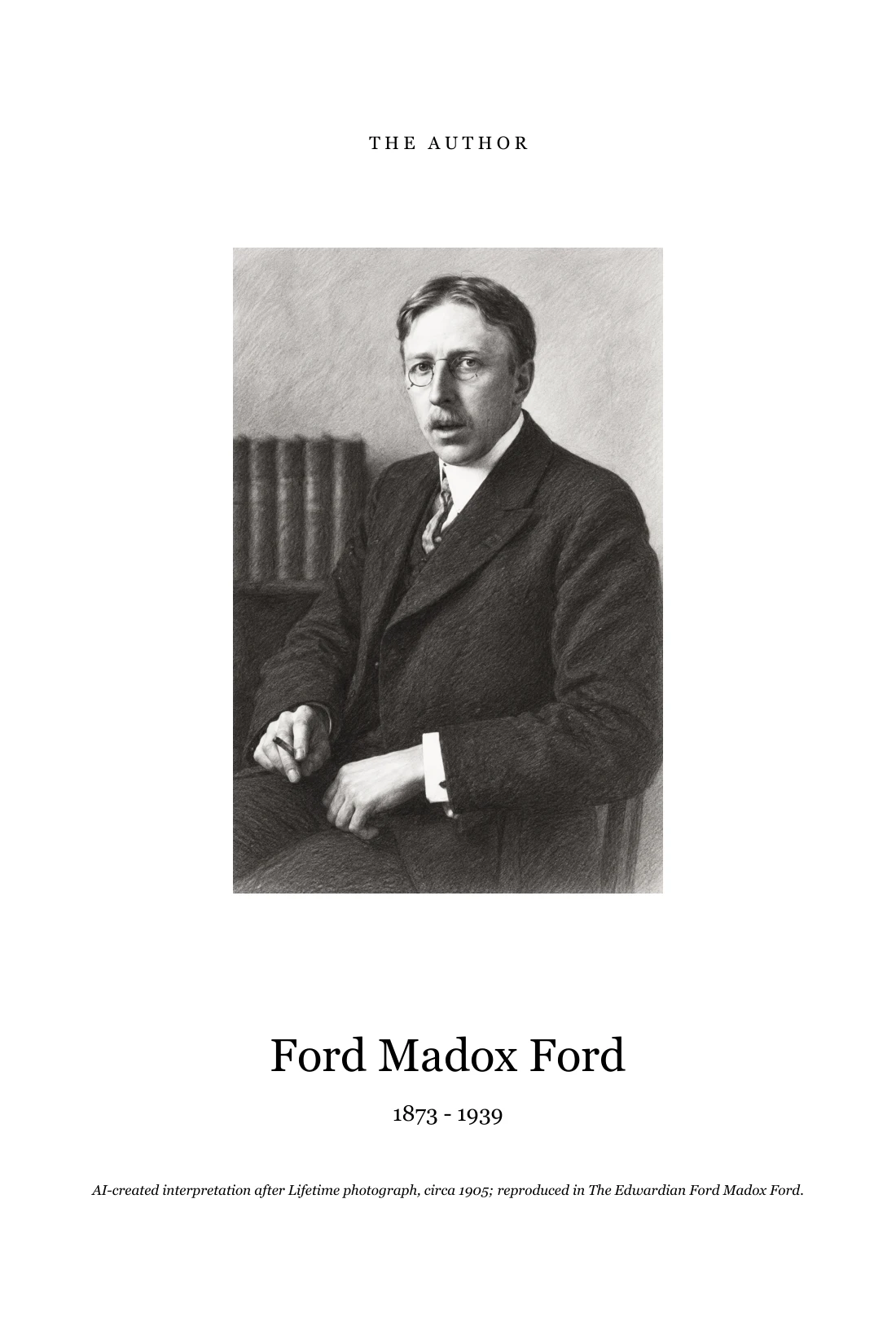
Ford Madox Hueffer had called his new novel The Saddest Story. By the time it was ready for the press, Britain was at war, and his publishers asked him for another title. It became The Good Soldier, a bitterly ironic name for a novel about adultery and self-deception, and it came out in March 1915. Four years later he changed his own surname to Ford, partly, in the words usually quoted, because a Teutonic name was “in these days disagreeable”.
That is the strange position of the novels published during the First World War. Some had been written in peacetime and suddenly read differently. Some ran straight into wartime censorship. A few were written for the war itself. The six below were all published between 1914 and 1918, and each was marked by the war in a different way.
Novels published during the war, in order
- Aug 1914
Britain declares war on Germany
- Mar 1915
The Good Soldier is published by John Lane, retitled from The Saddest Story
- Sep 1915
Conrad’s Victory, finished in May 1914, is published in London, six months after its American edition
- Oct 1915
The Thirty-Nine Steps appears as a book after running in Blackwood’s Magazine
- Nov 1915
The Rainbow is prosecuted for obscenity, and 1,011 copies are seized and burned
- 1916
Buchan’s Greenmantle sends Richard Hannay to wartime Constantinople
- Sep 1918
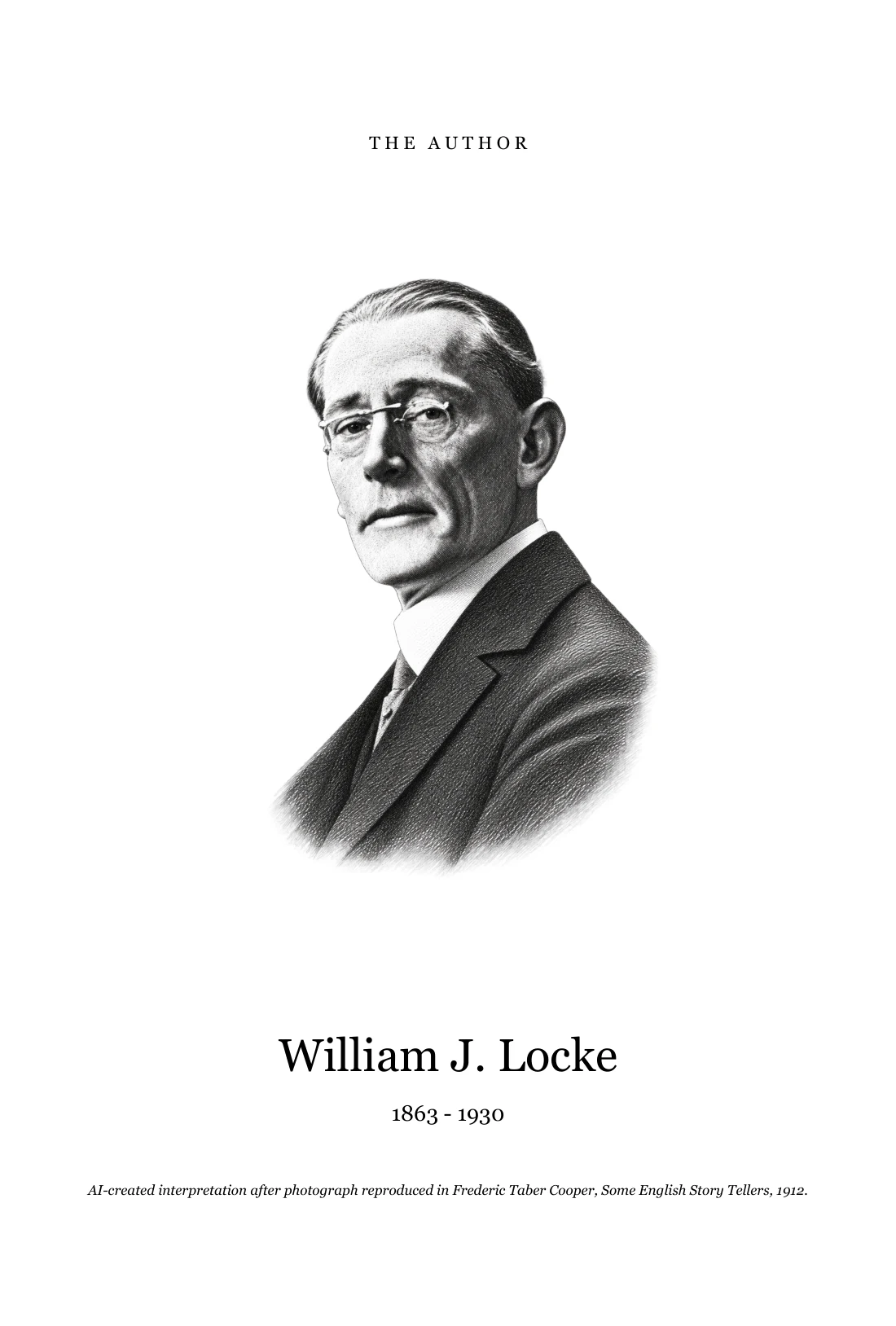
W. J. Locke’s The Rough Road follows a pampered young man to the Western Front
- Nov 1918
The Armistice ends the fighting
Finished in peacetime
Two of the greatest novels of 1915 were essentially pre-war books, and their authors knew it.
The Good Soldier
1915. John Dowell, an American, tells the story of nine years of friendship between two couples at a German spa, and slowly reveals how little he understood. Set before the war, and one of the great unreliable narrators of English fiction.
Victory
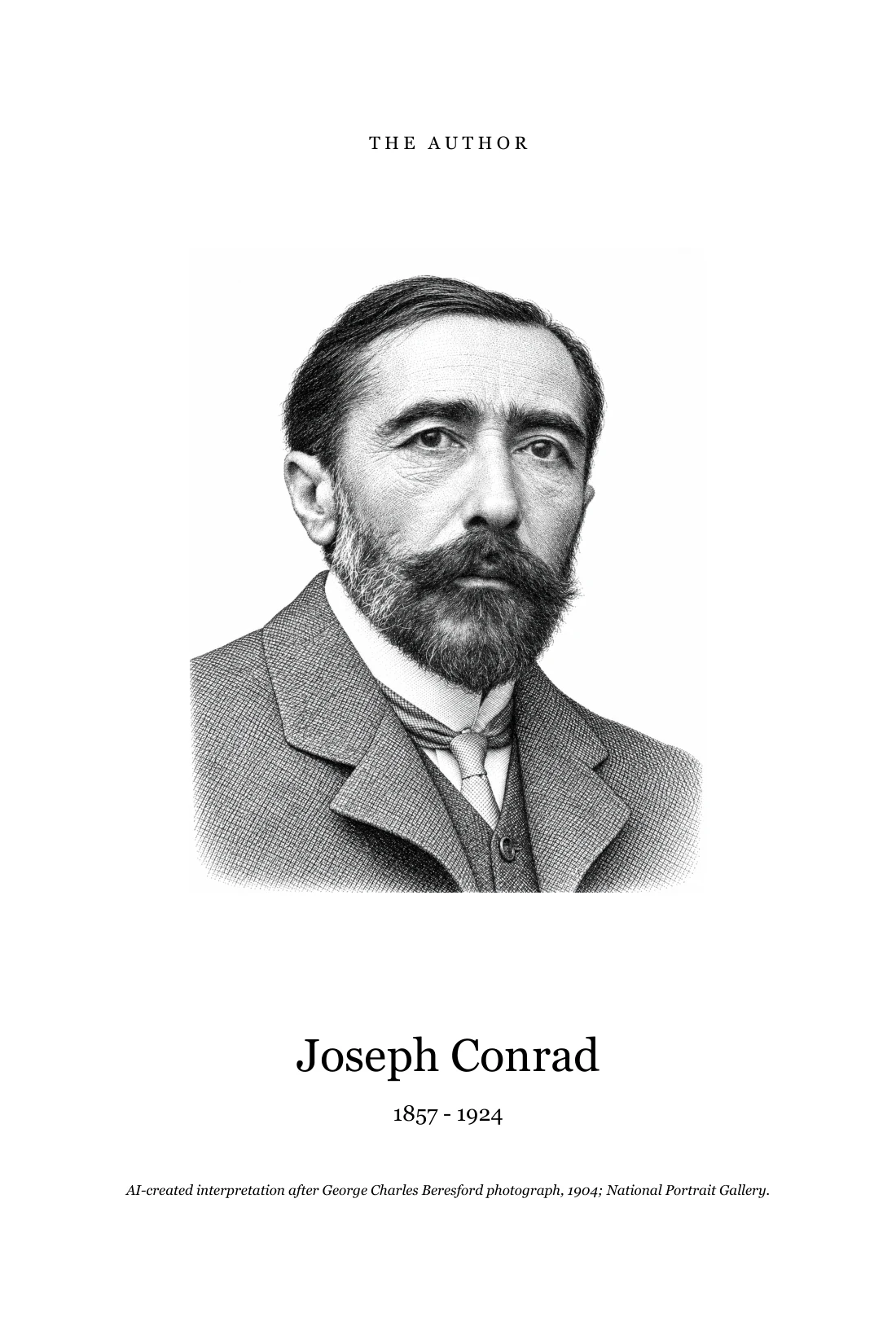
1915. Axel Heyst, a Swedish drifter living alone on an island in the Malay Archipelago, rescues a young woman from a travelling orchestra and brings disaster after them both. One of the books that finally brought Conrad popular success.


The Good Soldier opens with one of the most famous first lines in English: “This is the saddest story I have ever heard.” We collect it with others in The best opening lines in classic literature.
Joseph Conrad explained in his note to the first edition that the last word of Victory, its title, was written on 29 May 1914. He considered changing it, so that nobody would think he was cashing in on the war, but decided the coincidence was an omen:
“Victory” was the last word I had written in peace-time.
Joseph Conrad, Note to the First Edition of Victory (1915)
Banned in wartime: The Rainbow
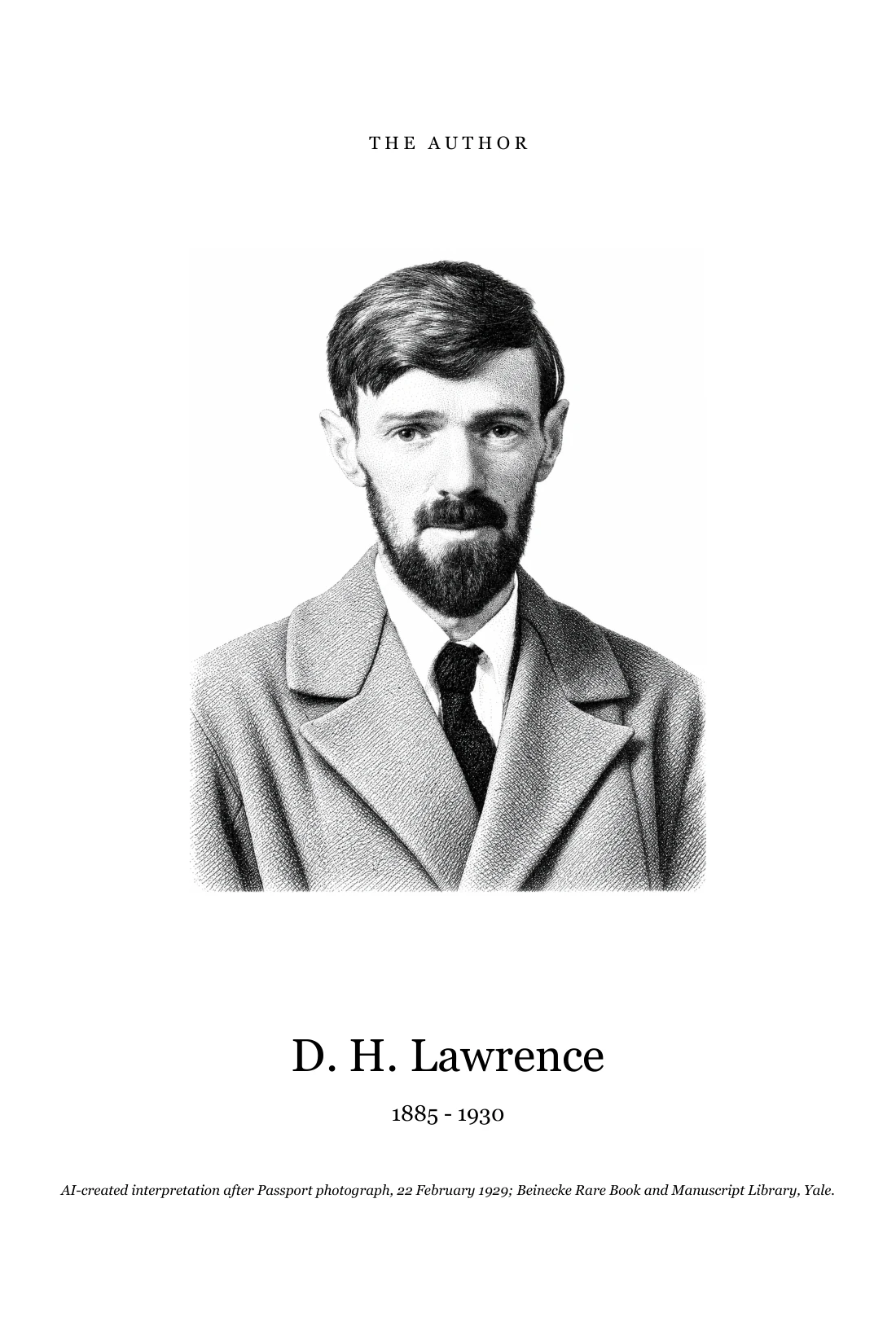
The Rainbow was prosecuted at Bow Street Magistrates’ Court on 13 November 1915 for its frank treatment of sexual desire, and 1,011 copies were seized and burned. It was unavailable in Britain for eleven years afterwards, though American editions could still be bought. The full story of D. H. Lawrence’s ordeal is in Did you know D. H. Lawrence’s The Rainbow was seized and burned in 1915?
Written for the war
The thrillers on this list are the most directly wartime books, and the most popular.
The Thirty-Nine Steps
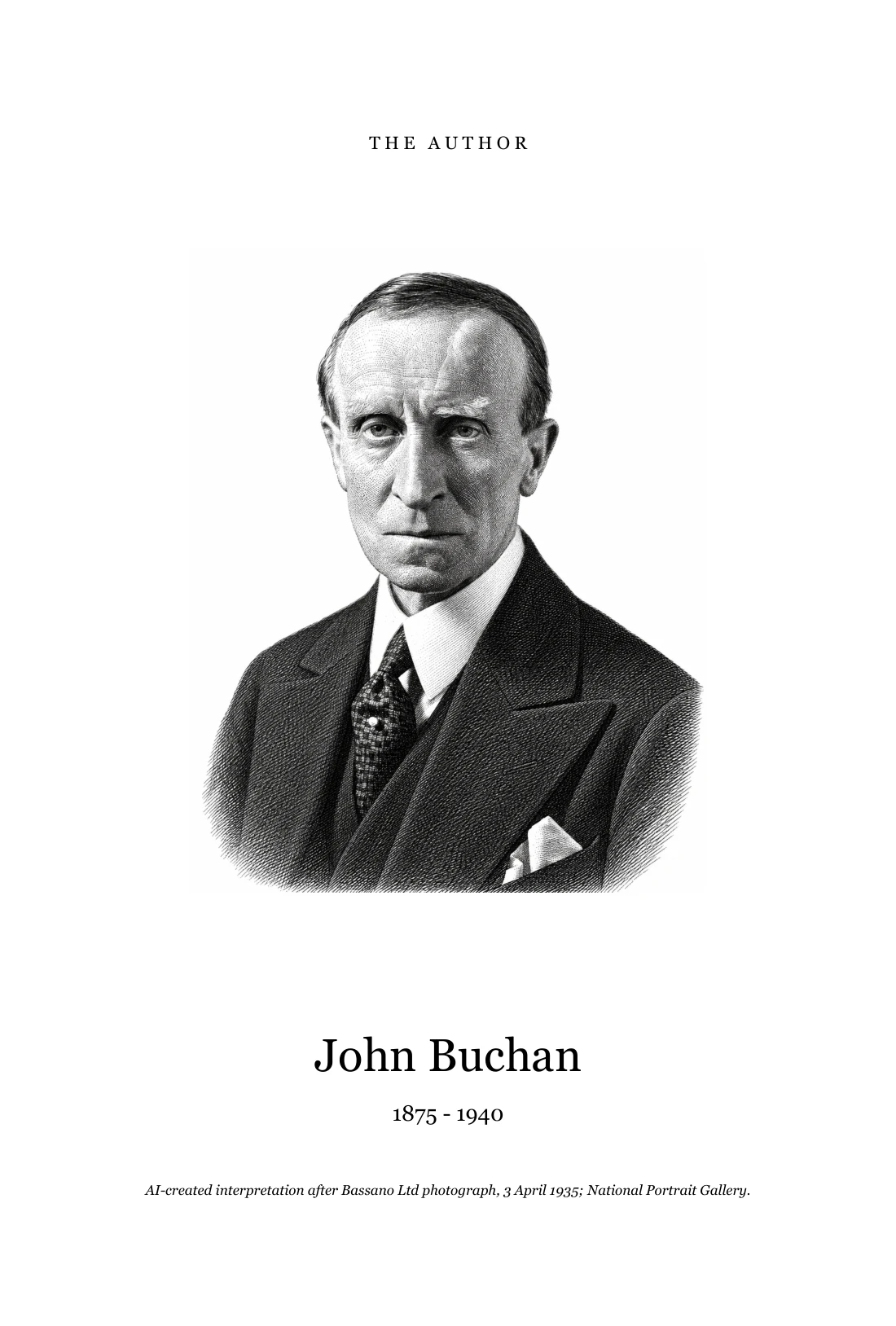
1915. Set in the weeks before the war, as Richard Hannay uncovers a German spy ring planning to steal Britain’s naval secrets. Buchan wrote it during an illness, and it was in the shops a year into the war it predicts.
Greenmantle
1916. Hannay, recovering from wounds received at Loos, is sent across enemy Europe to Constantinople to stop a German plan to raise a religious uprising in the East. It climaxes at the real battle of Erzurum.
The Rough Road
1918. Doggie Trevor, raised “like a toy Pom” by an adoring mother, serves in the ranks as a private and slowly becomes a soldier. William J. Locke’s story of a late growing-up was written while the war was still being fought.


Locke tells you on his first page that Doggie wins no medal and is “no hero of romance”, but “he went through with it and is alive to tell the tale”. Published two months before the Armistice, it caught a mood that the post-war novels would soon leave behind. Hannay’s whole career is in The Richard Hannay books in order.
Which novel from the war years should you read first?
For a classic you can finish in a weekend, choose The Good Soldier. For a book that captures the war as the people at home lived it, read The Rough Road. And for the books written after the Armistice by those who had been through it, see our classic war novels.
Start with the line that opened 1915’s strangest novel, in The Good Soldier, and see how long it takes you to stop trusting the man telling it.
Questions readers ask
What novels were published during World War One?
Notable novels published between 1914 and 1918 include Ford Madox Ford’s The Good Soldier, Conrad’s Victory, D. H. Lawrence’s The Rainbow and John Buchan’s The Thirty-Nine Steps (all 1915), Buchan’s Greenmantle (1916) and W. J. Locke’s The Rough Road (1918).
Why was The Good Soldier renamed?
Ford’s original title was The Saddest Story. After the First World War began, his publishers asked for a new title, and the book appeared as The Good Soldier in March 1915.
Was Conrad’s Victory written during the war?
No. Conrad’s note to the first edition says the last word of the novel was written on 29 May 1914, before the war began. It was published in New York in March 1915 and in London in September 1915.