THE STORY
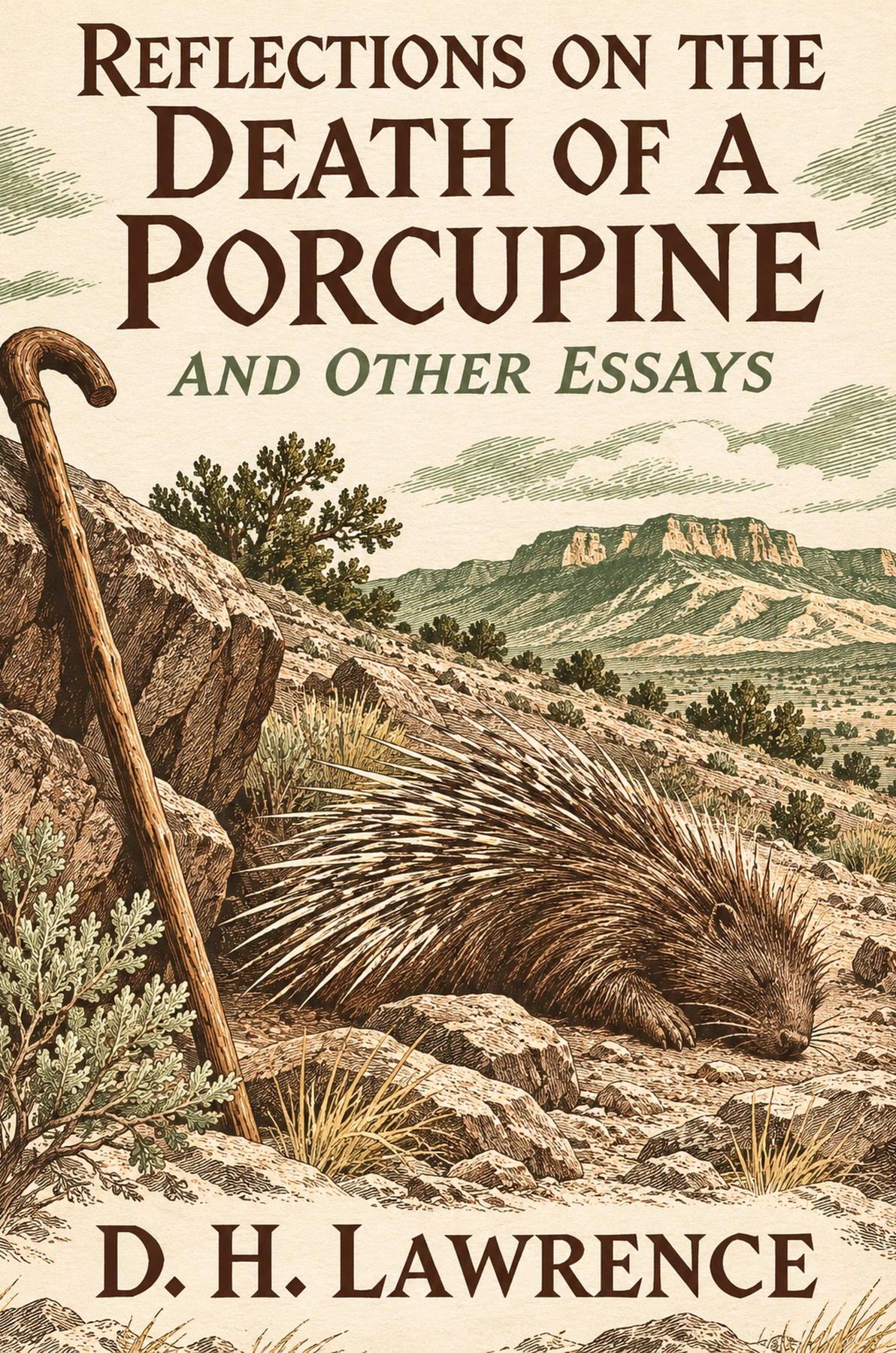
An encounter with a porcupine becomes a moral question.
D. H. Lawrence ranges across art, instinct, human behavior and the natural world. His essays repeatedly begin with a concrete experience and follow its implications into difficult territory.
ABOUT THE AUTHOR
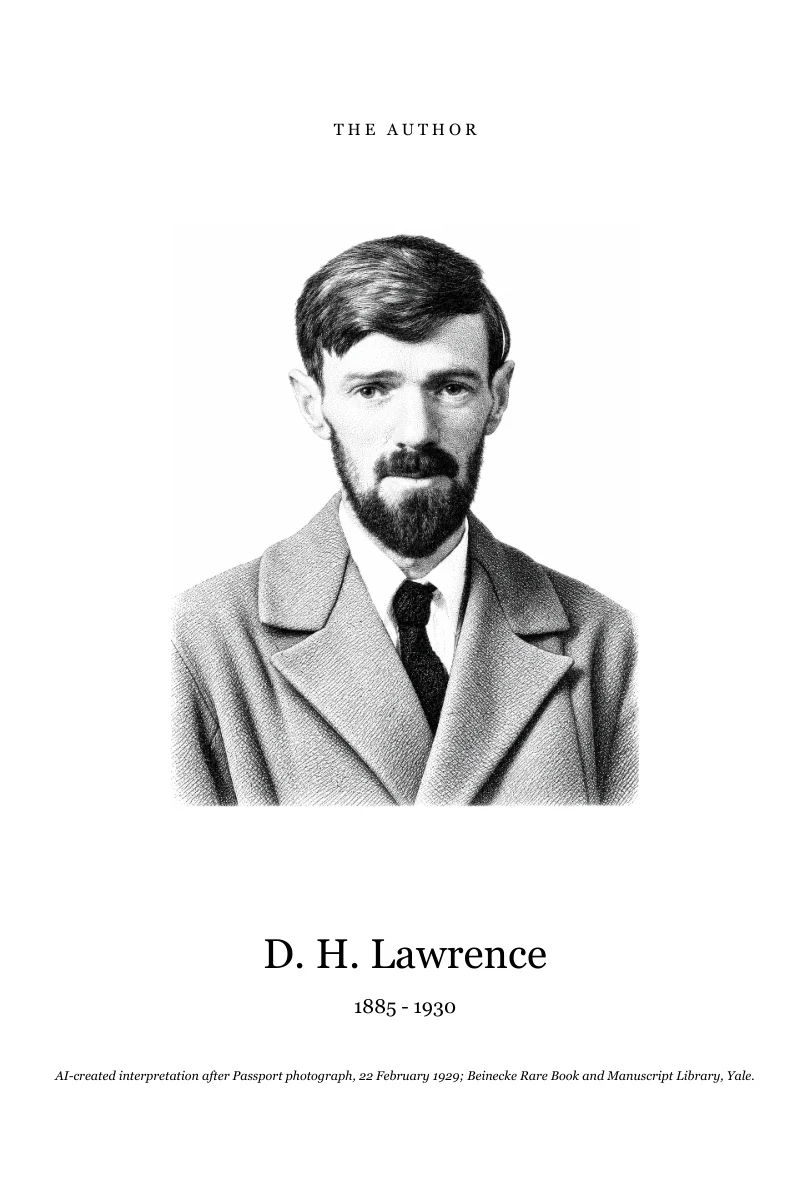
D. H. Lawrence
David Herbert Lawrence was an English novelist, poet, short-story writer and essayist. His work examines the pressures of modern life on feeling, instinct and human relationships. Alongside fiction, he wrote criticism, travel books and plays, and he also practised painting. Sons and Lovers, The Rainbow and Women in Love place intimate relationships within a wider world of social expectation and industrial change. His characters often struggle to explain their desires, and their encounters expose tensions that cannot easily be settled by rational argument. Lawrence spent much of his later life abroad. Travel and voluntary exile helped shape both his imagination and his writing about place. His work provoked strong disagreement during his lifetime, and censorship affected its publication and reception. Lady Chatterley's Lover became especially associated with debates over literary freedom. His reputation continued to develop after his death in 1930. Readers have responded differently to the intensity and arguments of his writing, but its central questions remain striking: how can people relate honestly to one another, and what happens when social habits diminish their awareness of the living world? These concerns connect his novels with his poetry and essays. Biographical reference: Wikipedia, D. H. Lawrence. Portrait source: Passport photograph, 22 February 1929; Beinecke Rare Book and Manuscript Library, Yale. Full source records are retained in the edition archive.
More about the author ↗Portrait page from this Pipcub edition