
The Germans have a word for it. Bildungsroman, the novel of formation or education, was coined by the scholar Karl Morgenstern in lectures in 1819, and the model everyone pointed to was Goethe’s Wilhelm Meister’s Apprenticeship of 1795–96: a young man leaves home, makes mistakes, and slowly learns who he is and where he belongs. English readers mostly say “coming-of-age novel” instead, but the shape is the same.
It became one of the great forms of the nineteenth century, and it is still the one most of us recognise from our own lives. Here are seven classic coming-of-age novels in the order they were published, from a Victorian orphan to a Jazz Age undergraduate.
Victorian coming-of-age novels
- $21.99
Jane Eyre
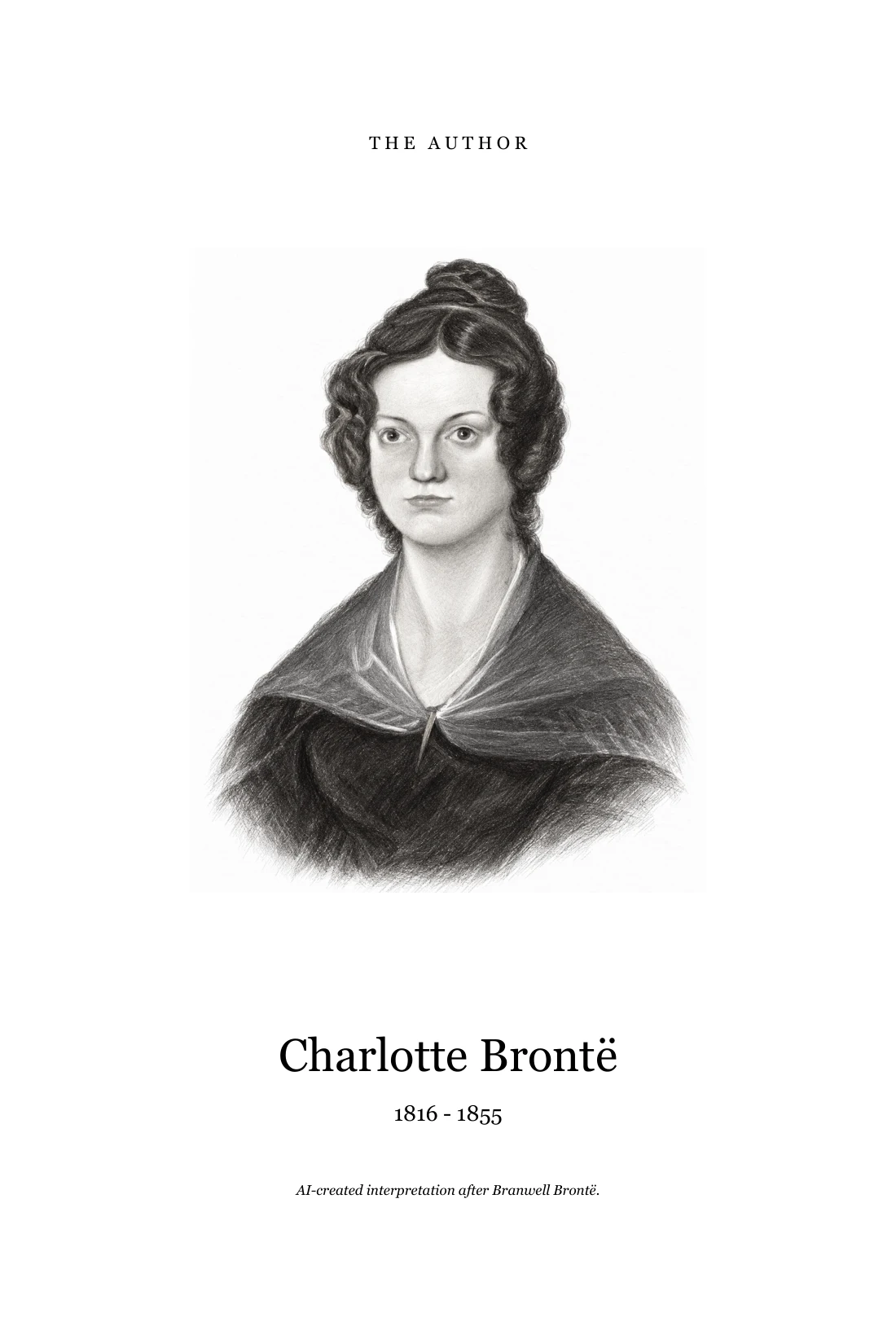
1847. Jane is ten, poor and furious when we meet her, and the novel follows her through a brutal school to Thornfield and beyond. Charlotte Brontë first published it as “an autobiography” edited by Currer Bell.
- $29.99
David Copperfield
1849–50. Dickens’s most autobiographical novel. David’s months washing bottles in a warehouse, after his stepfather sends him to work, retell almost word for word the child labour Dickens himself endured and kept secret.
- $23.99
Great Expectations
1860–61. Pip, a blacksmith’s apprentice on the Kent marshes, is told he has great expectations and becomes a gentleman, and a snob. A coming-of-age story about growing out of your own illusions.


I am no bird; and no net ensnares me; I am a free human being with an independent will, which I now exert to leave you.
Charlotte Brontë, Jane Eyre
Jane says it to Mr Rochester, and it might stand for the whole genre. These books are about people insisting on the right to make their own lives, against families, schools, money and expectation. The Victorians did it with long, crowded novels full of guardians and benefactors; the moderns did it with sharper, more inward books.

Modern coming-of-age classics
- $16.99
Kim
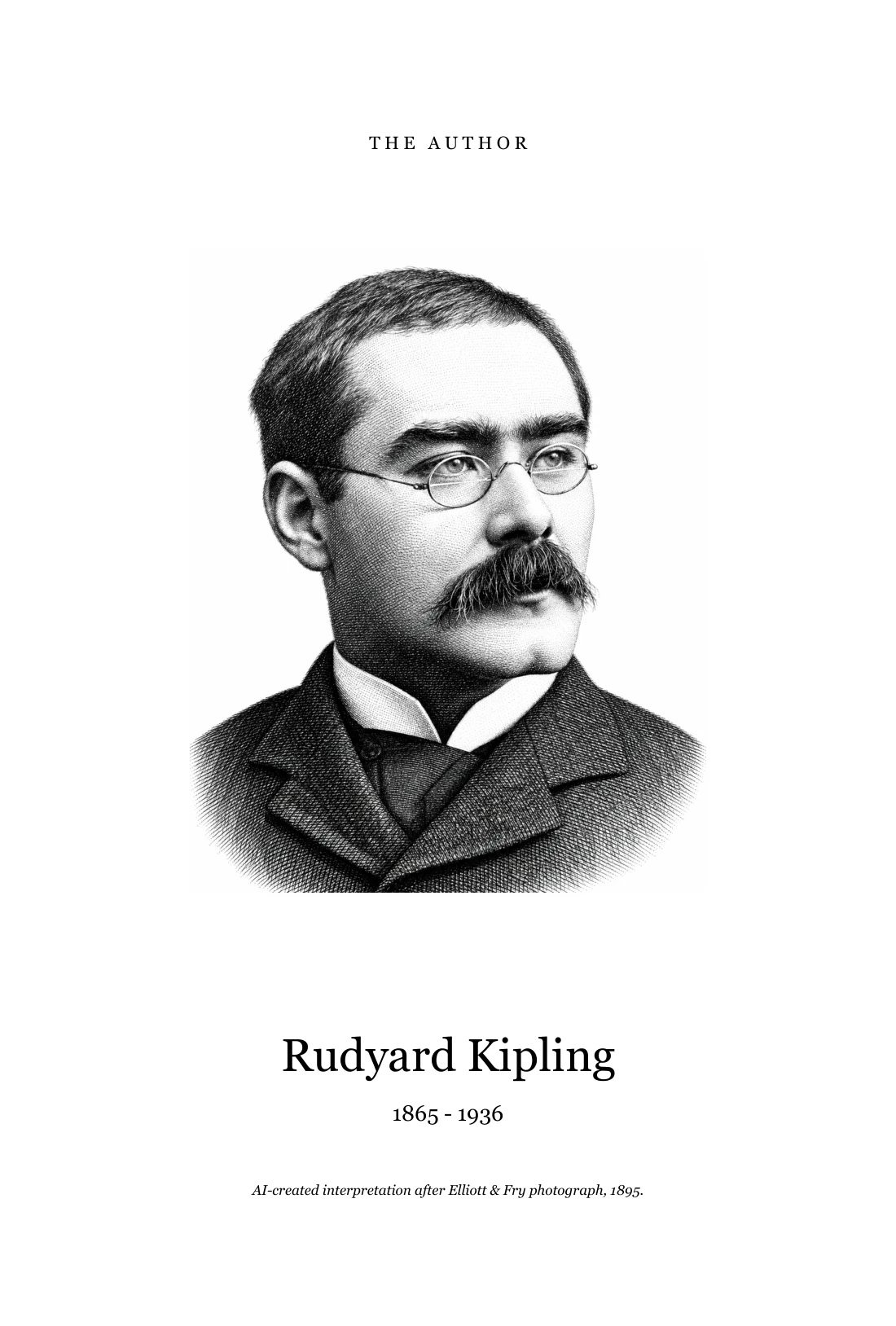
1901. Kim, the orphaned son of an Irish soldier, runs wild in the streets of Lahore, attaches himself to a wandering Tibetan lama and is drawn into the spy game between Britain and Russia. Its view of India is an imperial one, but its love of the place and its people is unmistakable.
- $21.99
Sons and Lovers
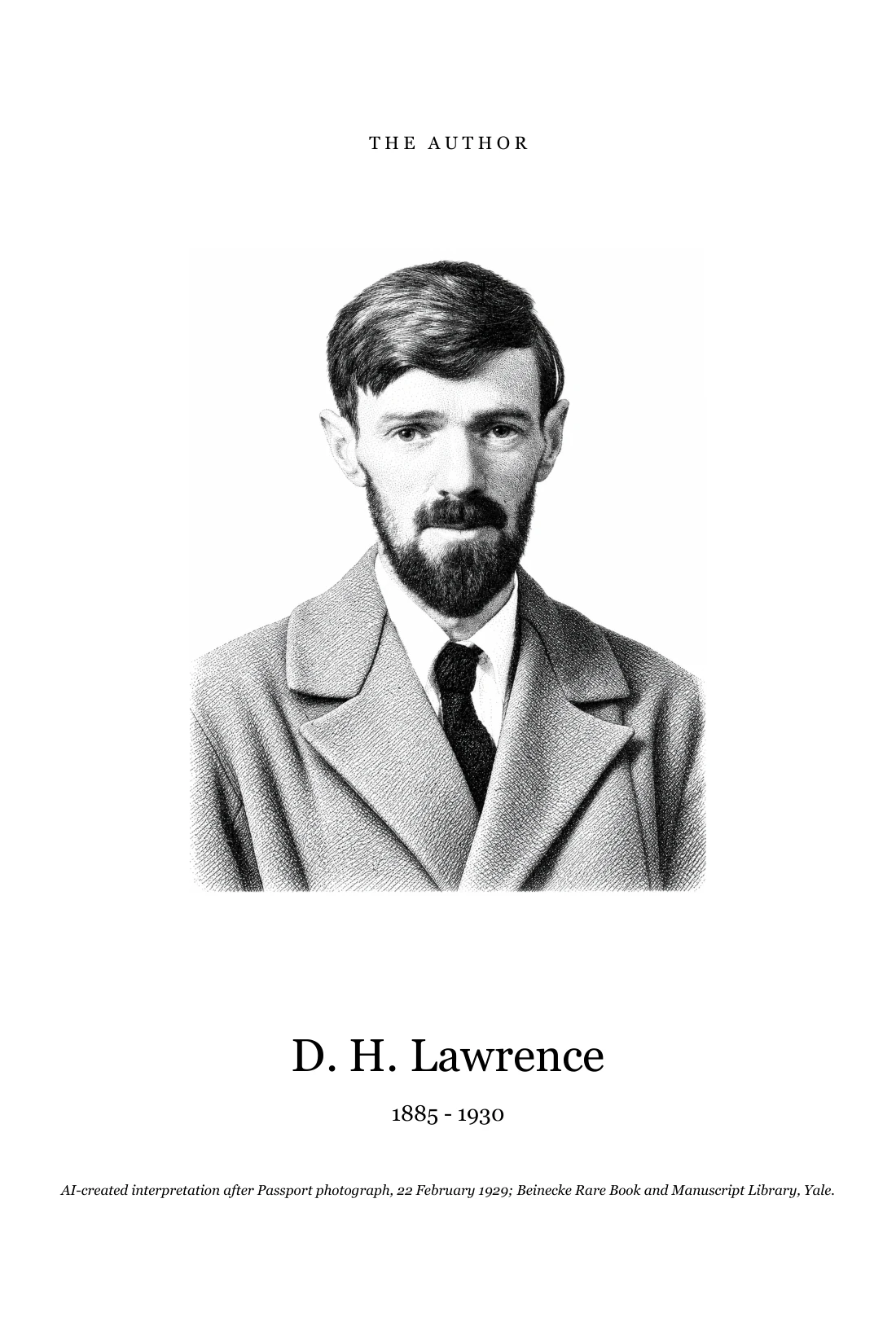
1913. Paul Morel grows up in a Nottinghamshire mining family, bound to a mother whose love will not let him go. Lawrence lost his own mother in 1910, while he was working on the book, and it shows.
- $14.99
A Portrait of the Artist as a Young Man
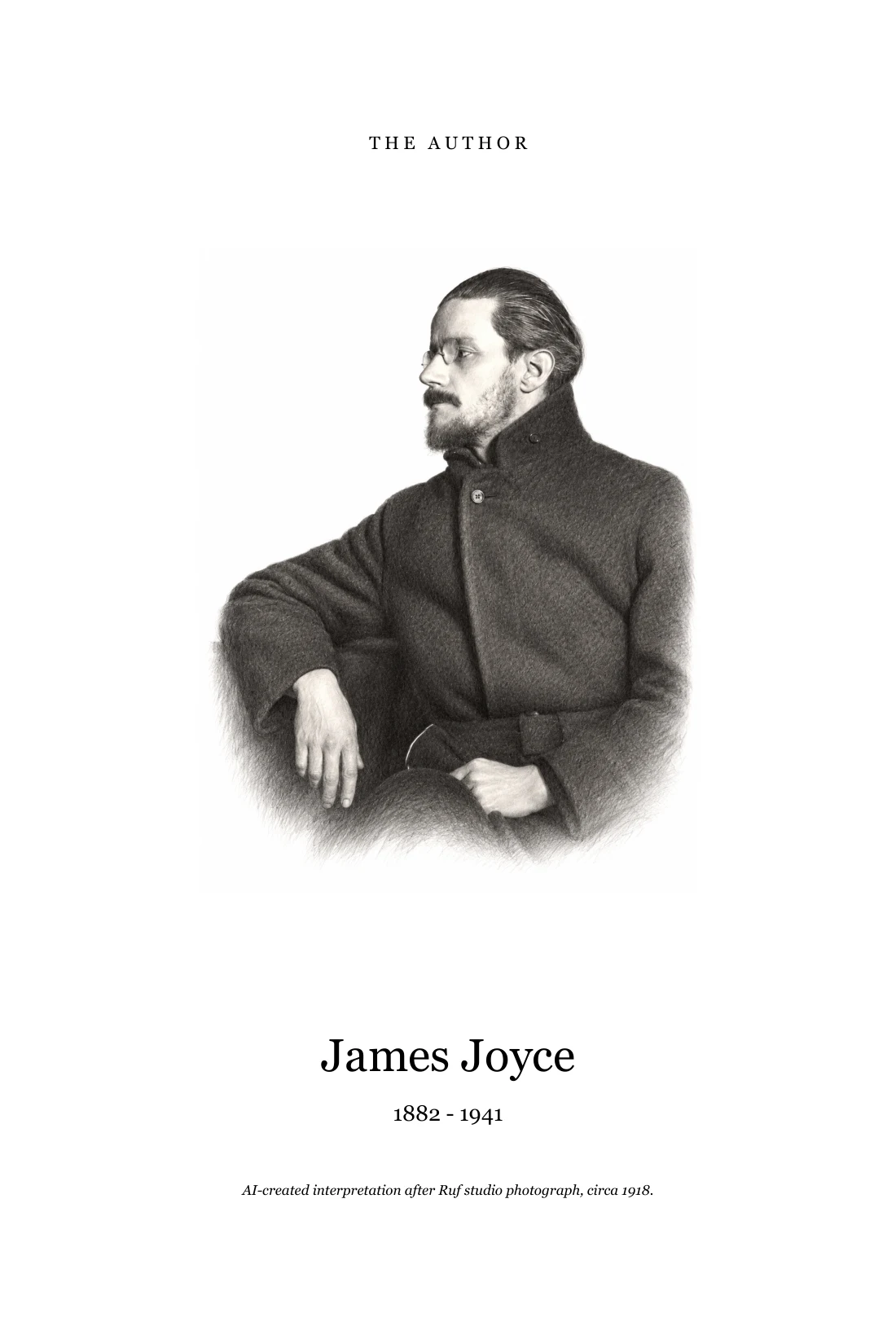
1916. Stephen Dedalus moves from a frightened schoolboy to a young man determined to be an artist, and Joyce’s prose grows up with him, from baby-talk to diary. Serialised in The Egoist in 1914–15.
- $15.99
This Side of Paradise
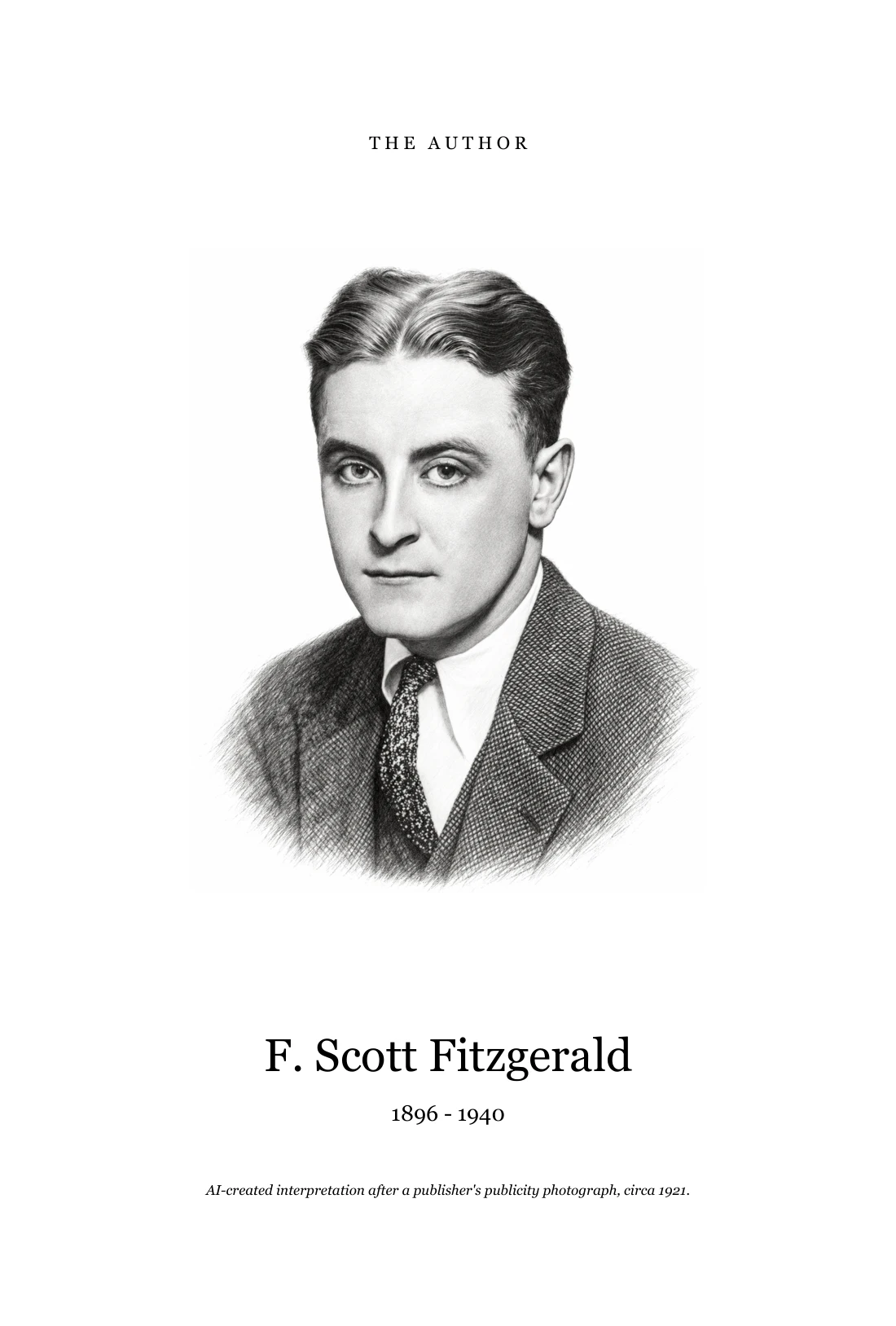
1920. Fitzgerald’s first novel follows Amory Blaine through Princeton, romance and disillusion. It was an instant sensation, and its success persuaded Zelda Sayre to marry him.


What is the difference between a coming-of-age novel and a Bildungsroman?
Very little in practice. Strictly, a Bildungsroman follows a character’s whole education from childhood to maturity, ending with some kind of settled place in the world; David Copperfield and Jane Eyre fit that pattern exactly. “Coming-of-age novel” is looser and can cover a single summer or a single crisis. Joyce’s Portrait is sometimes called a Künstlerroman, a novel of an artist’s formation, because its real subject is how Stephen becomes a writer.
The modern books here also refuse the tidy endings of the Victorians. Jane and David find their places; Paul Morel, Stephen Dedalus and Amory Blaine end their books facing an open road, unsure of where it leads. Stephen’s closing words make that a kind of manifesto:
I go to encounter for the millionth time the reality of experience and to forge in the smithy of my soul the uncreated conscience of my race.
James Joyce, A Portrait of the Artist as a Young Man
Which coming-of-age classic should you read first?
For a gripping story, Jane Eyre or Great Expectations. For adventure, Kim. For something short and intense, A Portrait of the Artist as a Young Man, which most readers finish in a few days. Teenagers often find This Side of Paradise surprisingly familiar: Amory worries about his looks, his reputation and whether he is as clever as he thinks.
Once you have read these, two longer books continue the line. George Eliot’s The Mill on the Floss (1860) follows the clever, impulsive Maggie Tulliver from childhood on the river, and Somerset Maugham’s Of Human Bondage (1915) takes Philip Carey, born with a club foot, from an unhappy boyhood to a hard-won adult life.
For more on these writers, see Did you know Jane Eyre was first published as “an autobiography”?, Did you know Great Expectations has two endings?, How to start reading James Joyce and Classic books teenagers actually enjoy.
Then go back to the beginning of the line. Jane Eyre opens on a cold November afternoon with a girl hiding behind a curtain with a book of birds, and before the chapter is out she has fought back for the first time.
Questions readers ask
What is a coming-of-age novel?
A novel that follows a young person’s growth from childhood or adolescence into adulthood, usually through a series of mistakes, losses and discoveries. The German term is Bildungsroman.
What is the first coming-of-age novel?
Goethe’s Wilhelm Meister’s Apprenticeship (1795–96) is usually named as the founding Bildungsroman, though some critics point to earlier books such as Wieland’s Agathon of 1767.
What are some classic coming-of-age books?
Jane Eyre, David Copperfield, Great Expectations, Kim, Sons and Lovers, A Portrait of the Artist as a Young Man and This Side of Paradise are among the best known in English.