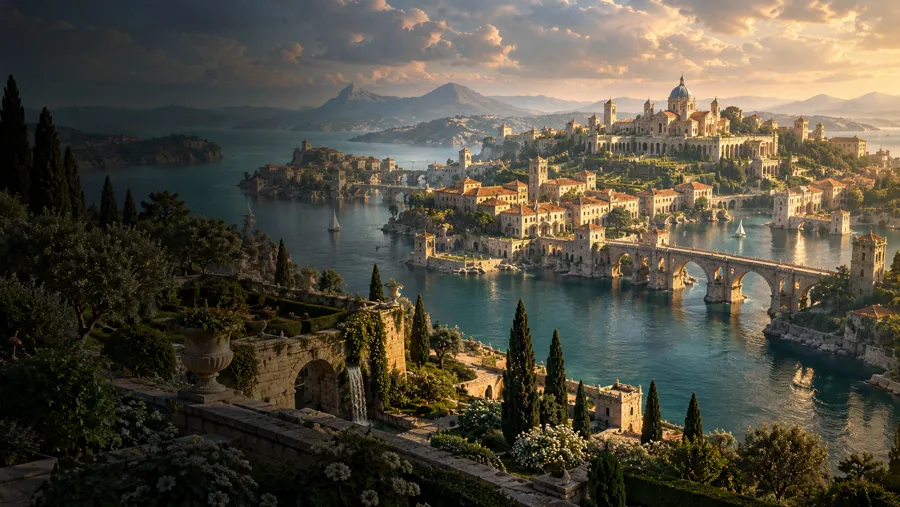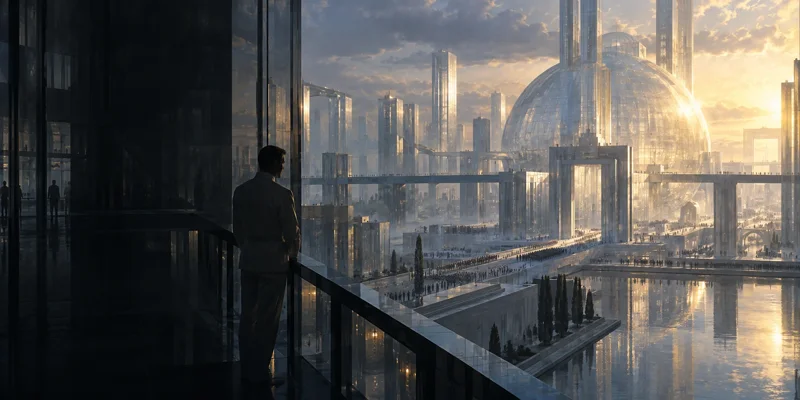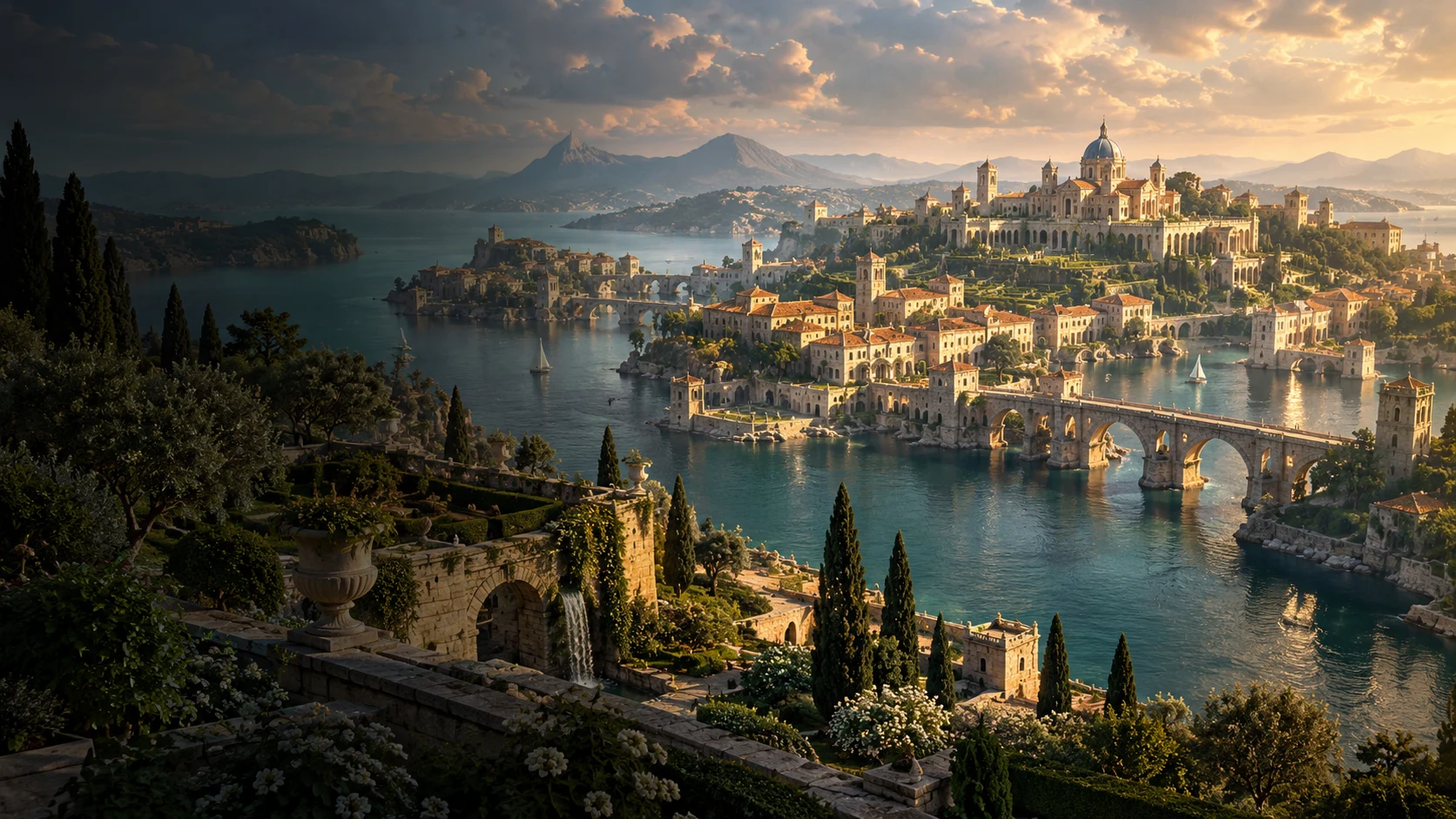
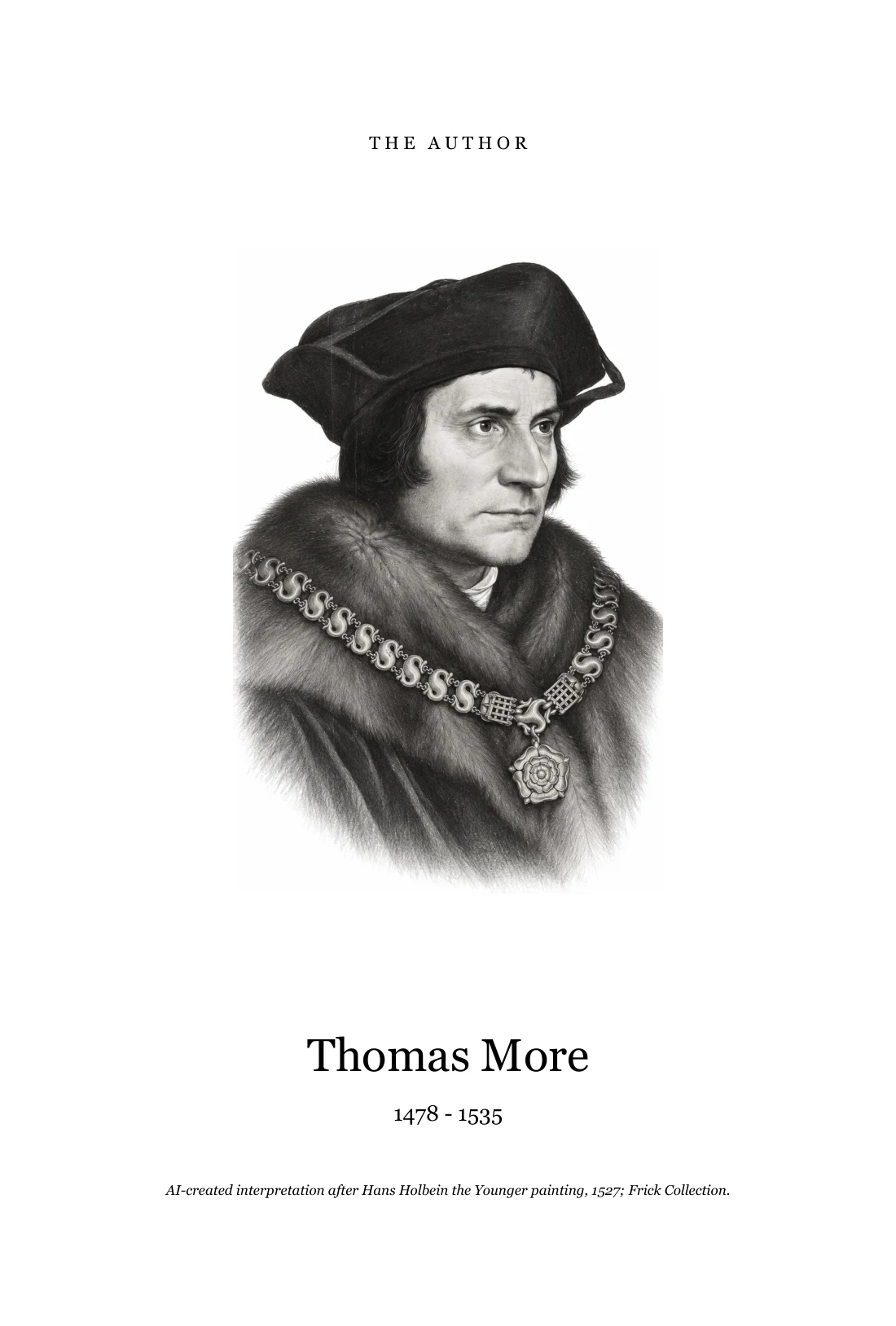

Thomas More nearly called it Nusquama. That was his first name for the imaginary island, a Latin word meaning “nowhere”. He settled instead on a Greek coinage, Utopia, from ou (“not”) and topos (“place”), knowing that in English it sounds exactly like eutopia, “good place”. The pun is the whole genre in miniature: a better world that cannot exist.
Utopia was published in Latin in 1516 and gave its name to a kind of fiction that is still being written. Its pattern has barely changed in five centuries. A traveller reaches a society organised on rational lines, a guide explains how everything works, and the reader is left to compare it with home. What changed, again and again, was what the writers thought a good society looked like.
- 1516
Thomas More’s Utopia is published in Latin
- 1551
Ralph Robinson’s English translation appears
- 1626
Francis Bacon’s New Atlantis is published after his death
- 1726
Swift’s Gulliver’s Travels sends up the travellers’ tale
- 1747
The word “dustopia” first appears in print
- 1868
John Stuart Mill uses “dystopia” in a speech in Parliament
- 1888
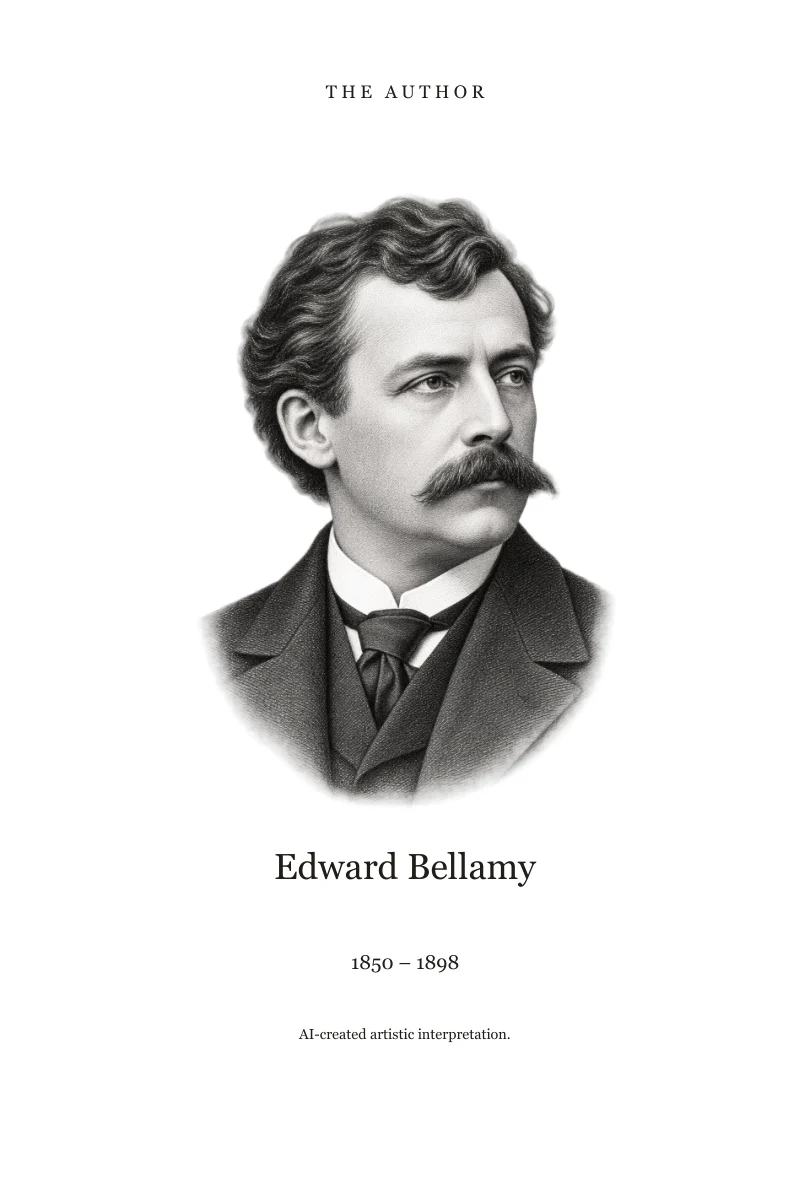
Edward Bellamy’s Looking Backward becomes a best-seller
- 1890
William Morris answers it with News from Nowhere
- 1905
H. G. Wells’s A Modern Utopia
- 1915
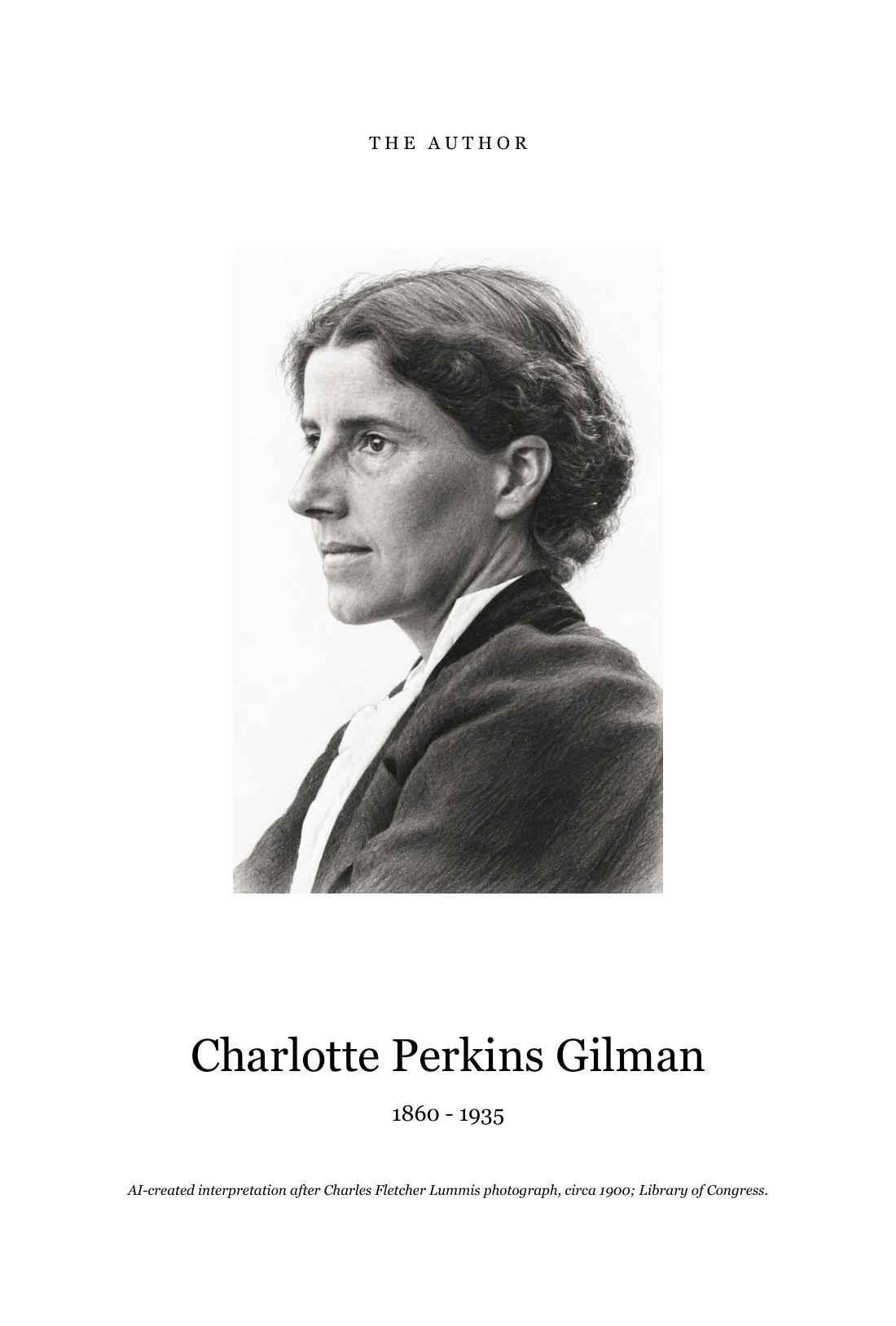
Charlotte Perkins Gilman serialises Herland in her own magazine
Thomas More’s Utopia: the book that named the genre
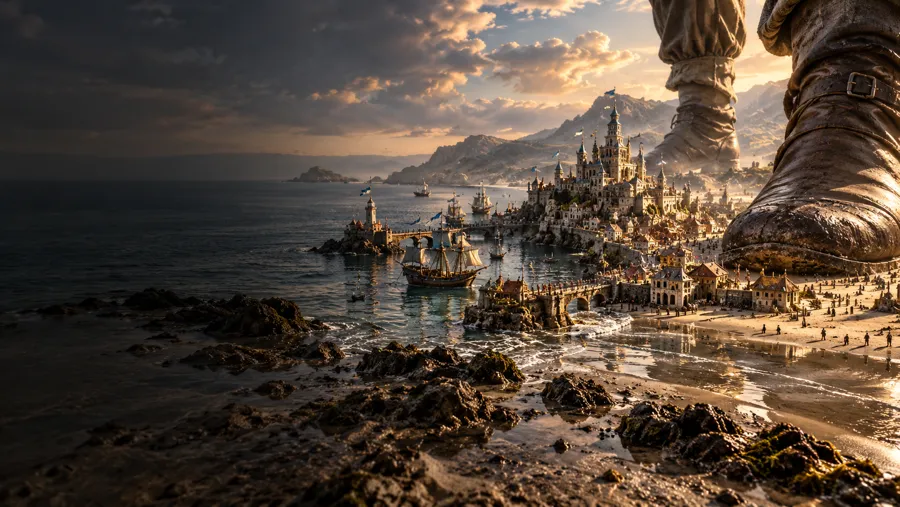
More, a London lawyer who later became Henry VIII’s Lord Chancellor, frames the book as a conversation. A traveller called Raphael Hythloday, whose surname means something like “expert in nonsense”, first attacks the injustices of England, then describes the island where he lived for five years. Its people hold property in common, work short hours and despise gold. To make sure of it, they use the precious metal for the most humiliating purposes.
They eat and drink out of vessels of earth or glass, which make an agreeable appearance, though formed of brittle materials; while they make their chamber-pots and close-stools of gold and silver, and that not only in their public halls but in their private houses.
Thomas More, Utopia, translated by Gilbert Burnet
Readers still argue over how seriously More meant it. Utopia also has slaves, and some scholars read the book as a critique of the humanist ideals of More’s own circle, or even as a parody of his friend Erasmus. That doubleness, a good place that may also be a joke, runs through the genre.
From islands to the future
For two centuries utopias stayed on remote islands. Francis Bacon’s New Atlantis, published in 1626 after his death, imagines Bensalem, an island run around a great research institution, Salomon’s House. Jonathan Swift mocked the whole tradition in Gulliver’s Travels, where the most rational society Gulliver finds belongs to horses.
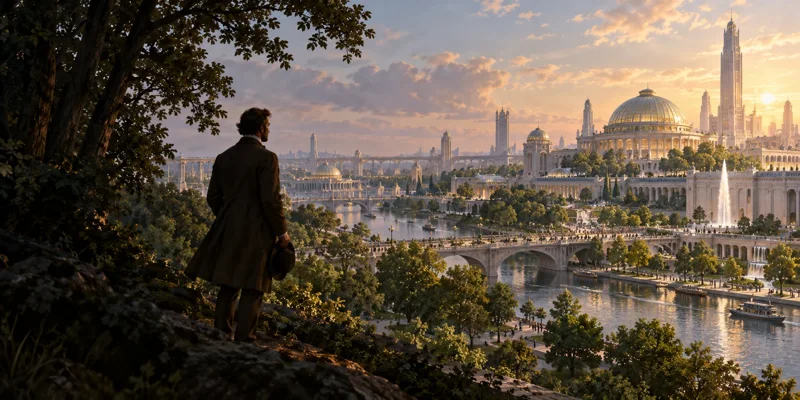
The decisive change came in the nineteenth century, when writers moved utopia from somewhere else to some time else. The most successful was an American journalist, Edward Bellamy. In Looking Backward (1888), a Bostonian falls into a hypnotic sleep in 1887 and wakes in the year 2000 to find poverty abolished, industry run by the nation and shopping done with a card of credit. It reportedly sold a million copies, and more than 160 clubs sprang up across the United States to promote its ideas.
Answering back: Morris, Wells and Gilman
Utopias provoke replies. William Morris abhorred the industrialised state socialism of Bellamy’s book, which he reviewed in 1889, and in News from Nowhere (1890) imagined instead a green, unhurried England where work is creative and pleasurable. H. G. Wells, in A Modern Utopia (1905), tried something stranger: a planet beyond Sirius identical to Earth, where everyone you know exists in duplicate, living under a better system run by a voluntary order he called the Samurai.
Charlotte Perkins Gilman went furthest. In Herland (1915), three American men find a hidden country inhabited only by women, who have had no men for two thousand years, bear children without them and have built a society without war. The joke is at the men’s expense, and Gilman’s targets are the assumptions of her own day. The novel appeared month by month in The Forerunner, a magazine Gilman wrote and edited herself, and was not published as a book until 1979.
Utopian classics to read
- $11.99
Utopia
1516. The original: a dialogue about injustice at home, then a guided tour of an island where gold is used for chamber pots. Short, odd and still argued over.
- $14.99
Looking Backward, 2000 to 1887
1888. A Boston gentleman sleeps for 113 years and wakes to a cooperative America. The best-seller that turned utopia into a political movement.
- $15.99
A Modern Utopia
1905. Two walkers in the Alps step into a parallel Earth under a world state. Wells half-novel, half-argument, and often funny about both.
- $12.99
Herland
1915. Three explorers, one hidden country of women, and a lot of male confidence slowly dismantled. The sharpest comedy in the genre.


Who coined the word dystopia?
Utopia’s opposite took longer to name. The earliest known printed form, “dustopia”, turns up in 1747, and Jeremy Bentham proposed “cacotopia” in 1818. The usage that stuck is usually dated to 1868, when John Stuart Mill used “dystopia” in a speech in the House of Commons. Fiction had already begun to imagine bad futures: Wells’s The Sleeper Awakes, first published in 1899, uses the same device as Bellamy, a man who sleeps into the future, but wakes him in a nightmarish London.
For more perfect worlds, see utopian classics and the 1888 novel that imagined the credit card, and for Gilman’s wider career, Charlotte Perkins Gilman’s books.
Start where the word started, with Utopia by Thomas More, then cross four centuries to Herland by Charlotte Perkins Gilman. Between them you will see how much a perfect world reveals about the imperfect one that dreamed it.
Questions readers ask
What was the first utopian novel?
Thomas More’s Utopia, published in Latin in 1516, gave the genre its name and is usually treated as its starting point, though writers since Plato had described ideal states.
Who coined the word utopia?
Thomas More coined it from the Greek for “no place”, punning on a near-identical word meaning “good place”. His first choice for the island’s name was the Latin Nusquama, “nowhere”.
Who coined the word dystopia?
The form “dustopia” appeared in print in 1747, but John Stuart Mill’s use of “dystopia” in an 1868 parliamentary speech is the example usually cited as the word’s first modern use.
What are the most famous utopian novels?
Thomas More’s Utopia (1516), Francis Bacon’s New Atlantis (1626), Edward Bellamy’s Looking Backward (1888), William Morris’s News from Nowhere (1890), H. G. Wells’s A Modern Utopia (1905) and Charlotte Perkins Gilman’s Herland (1915).