THE STORY
What people leave unsaid.
A boxer awaits his next fight. Two people talk beside a railway line in Spain. Across these stories, Hemingway makes gesture, silence and a few ordinary words carry the weight of what his characters cannot say.
Browse collections

Find your next chapter
Explore timeless stories, unexpected discoveries, and old favourites.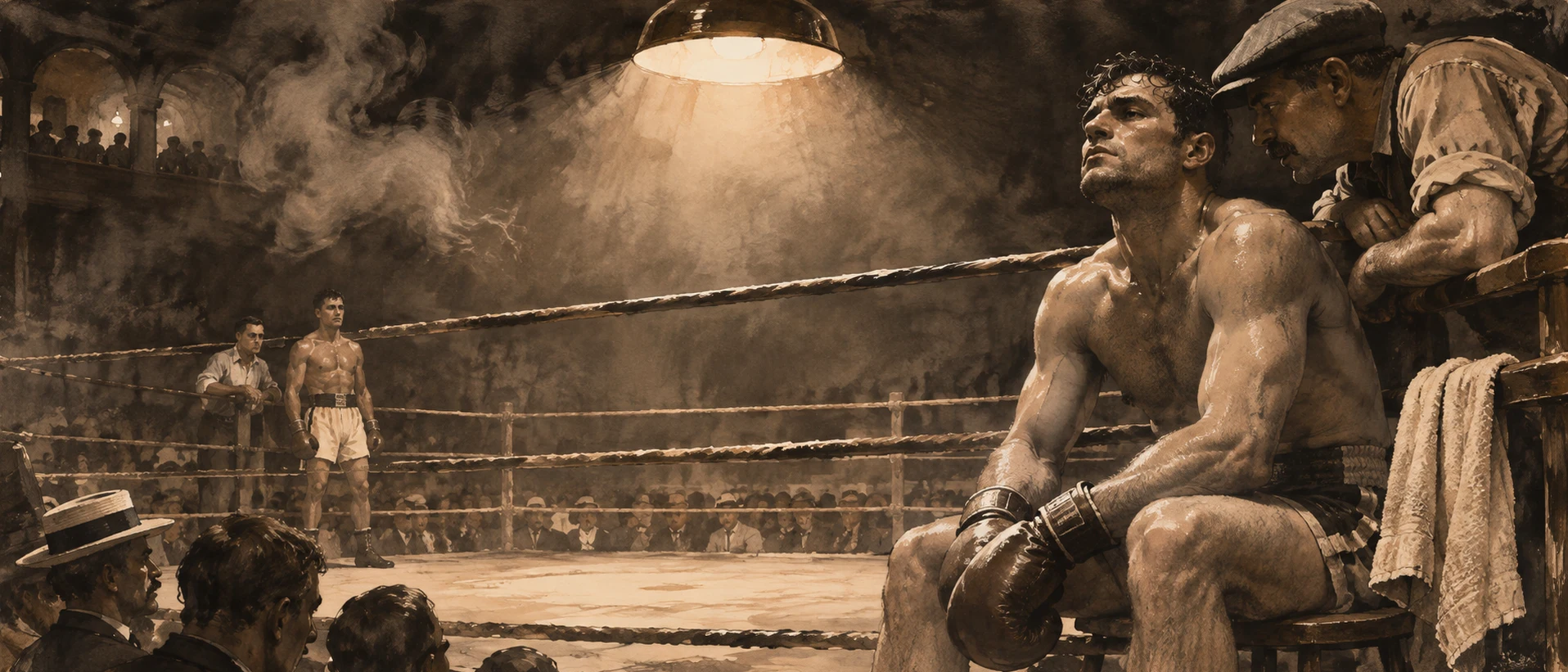
A boxer awaits his next fight. Two people talk beside a railway line in Spain. Across these stories, Hemingway makes gesture, silence and a few ordinary words carry the weight of what his characters cannot say.
$11.99
Printed for you. Shipping calculated at checkout.

THE STORY
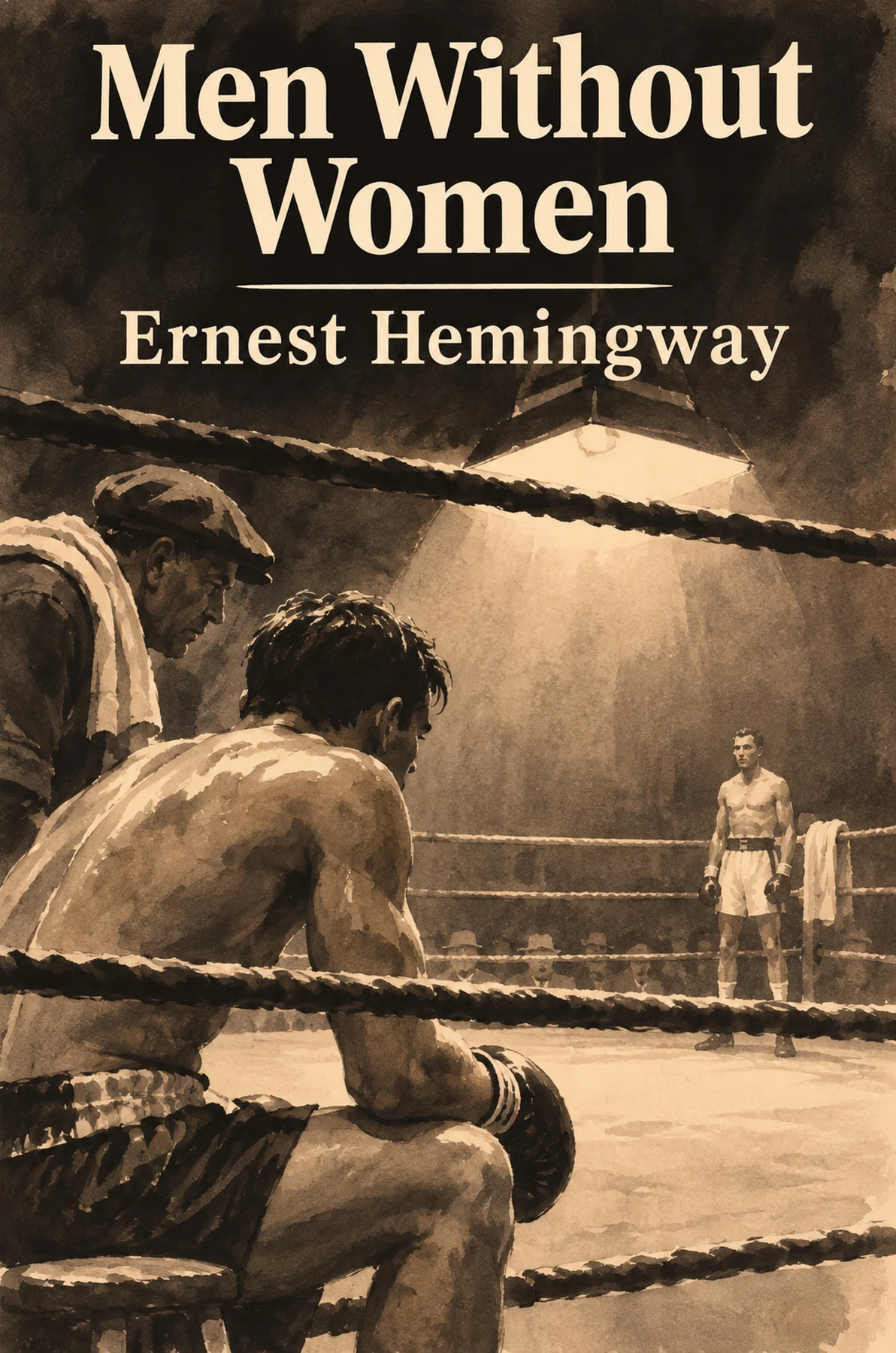
A boxer awaits his next fight. Two people talk beside a railway line in Spain. Across these stories, Hemingway makes gesture, silence and a few ordinary words carry the weight of what his characters cannot say.

THE WORLD OF THE BOOK
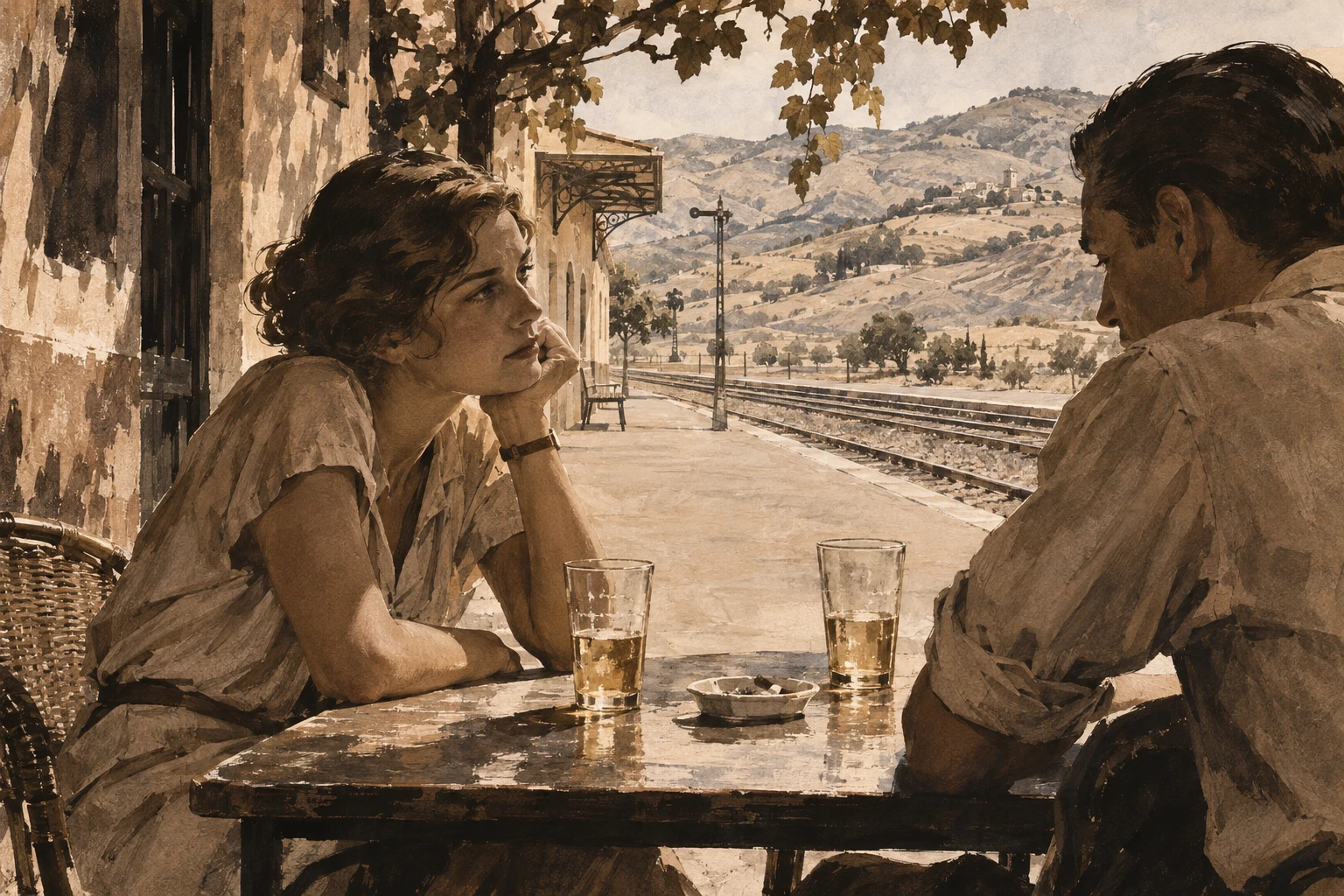
Two glasses stand beside the tracks stretching into the hills.
LOOK INSIDE
Preview six pages from this edition. Select a page to enlarge it, or use the arrows to keep reading.
Spread 1 of 3
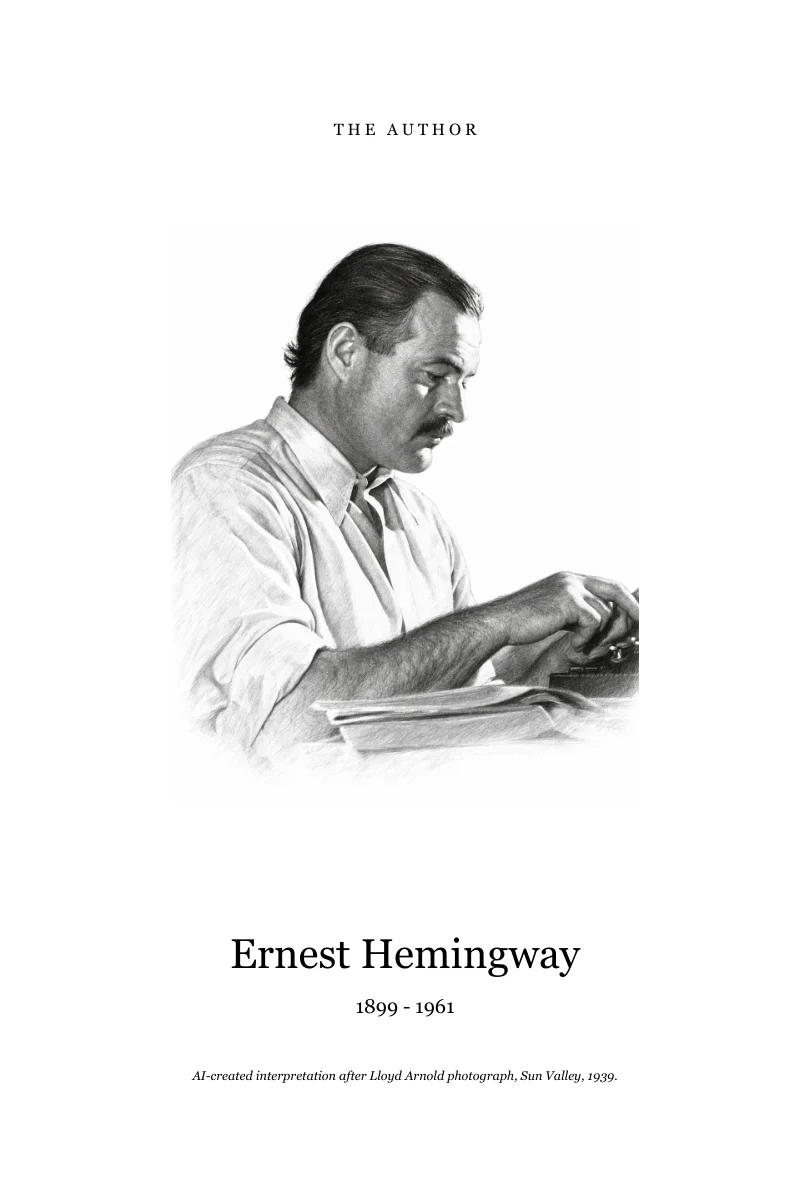
ABOUT THE AUTHOR
Ernest Hemingway was an American novelist, short-story writer and journalist whose spare prose helped shape twentieth-century fiction. Born in Oak Park, Illinois, he began working for a newspaper in Kansas City while still a teenager. During the First World War he served as a volunteer ambulance driver in Italy and was seriously wounded. In the 1920s he lived in Paris among expatriate writers and artists. The Sun Also Rises, published in 1926, established his reputation as a novelist. A Farewell to Arms followed in 1929, drawing on the experience of war and its consequences for private life. Journalism and travel continued to supply settings and material. His reporting from the Spanish Civil War informed For Whom the Bell Tolls. Later, The Old Man and the Sea brought renewed acclaim, and in 1954 he received the Nobel Prize in Literature. Hemingway's stories often leave their deepest conflicts partly unstated. Short exchanges and concrete actions can suggest emotions that the characters cannot easily name. Reading him closely means attending to silence as well as speech: what is avoided, repeated or concealed may matter as much as what is directly described. He died in Idaho in 1961. Biographical references: Nobel Foundation; Wikipedia. Portrait source: Lloyd Arnold photograph, Sun Valley, 1939. Full source records retained in the edition archive.
More about the author ↗THE NEXT CHAPTER
FREE TO READ
Men Without Women is in the public domain, so its words belong to everyone. Download our edition free. No account needed.
Best for phones, Apple Books, Google Play Books, Kobo and Kindle
The printed page layout, with illustrations
KEEP BROWSING