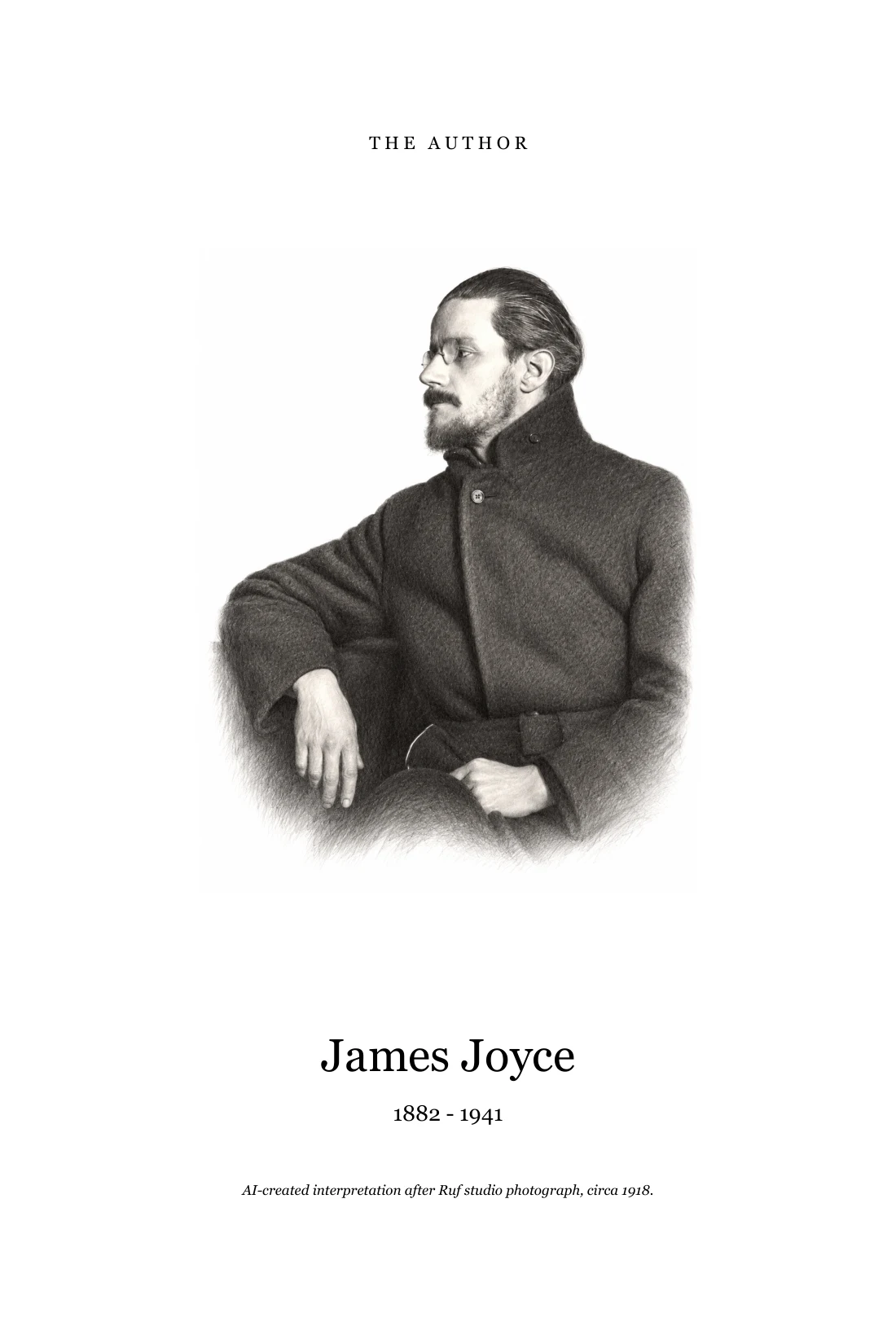
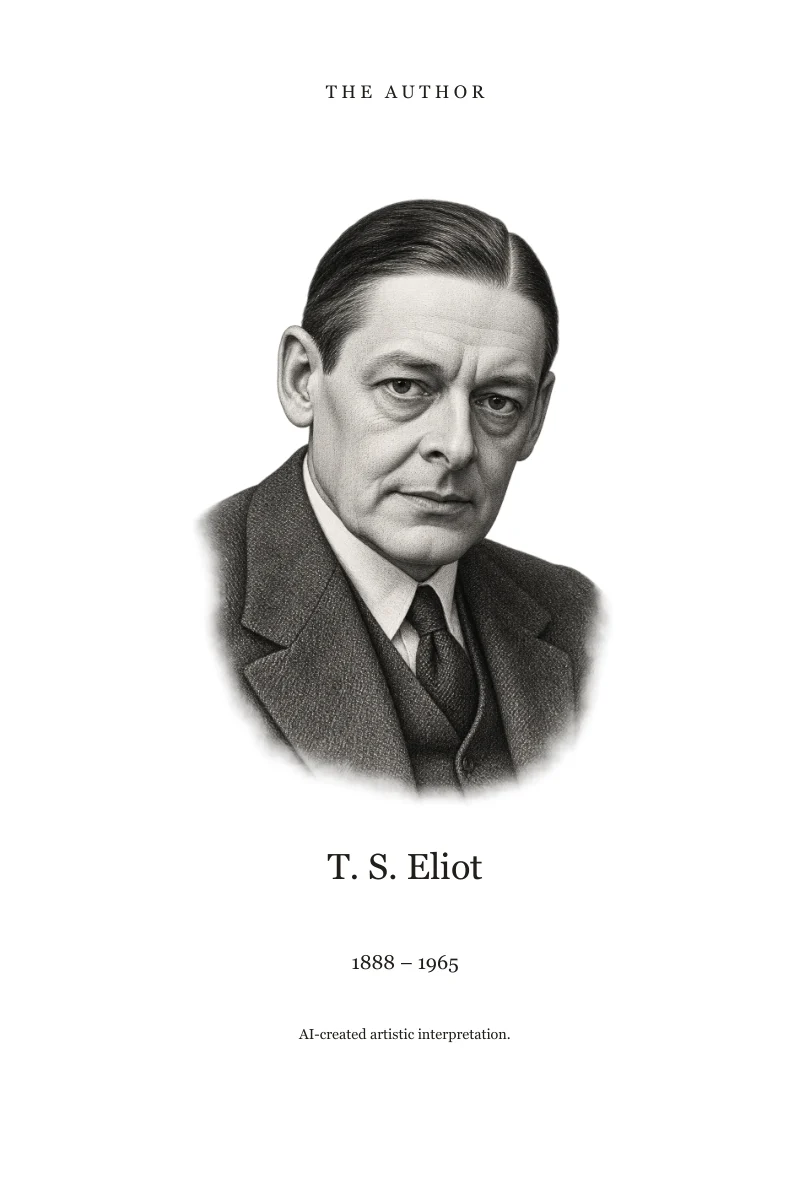
In 1922 a Paris bookshop published a novel about one day in Dublin, and a London magazine printed a poem of 434 lines that ended in Sanskrit. Ulysses appeared on 2 February, James Joyce’s fortieth birthday; The Waste Land followed in October. Literary historians often treat that year as the high point of modernism, and the two books as its clearest proof.
What is literary modernism? Put simply, it is the name for the break that writers made, roughly between the 1890s and the Second World War, with the way Victorian novels and poems worked. Out went the all-knowing narrator and the tidy plot. In came stories told from inside a character’s head, poems built from fragments and quotations, and time that jumps backwards and forwards. Its boundaries are agreed by habit, not by any rule: critics date its start anywhere from the 1890s to 1910, and some speak of a “late modernism” after 1930.
Why “on or about December 1910”?
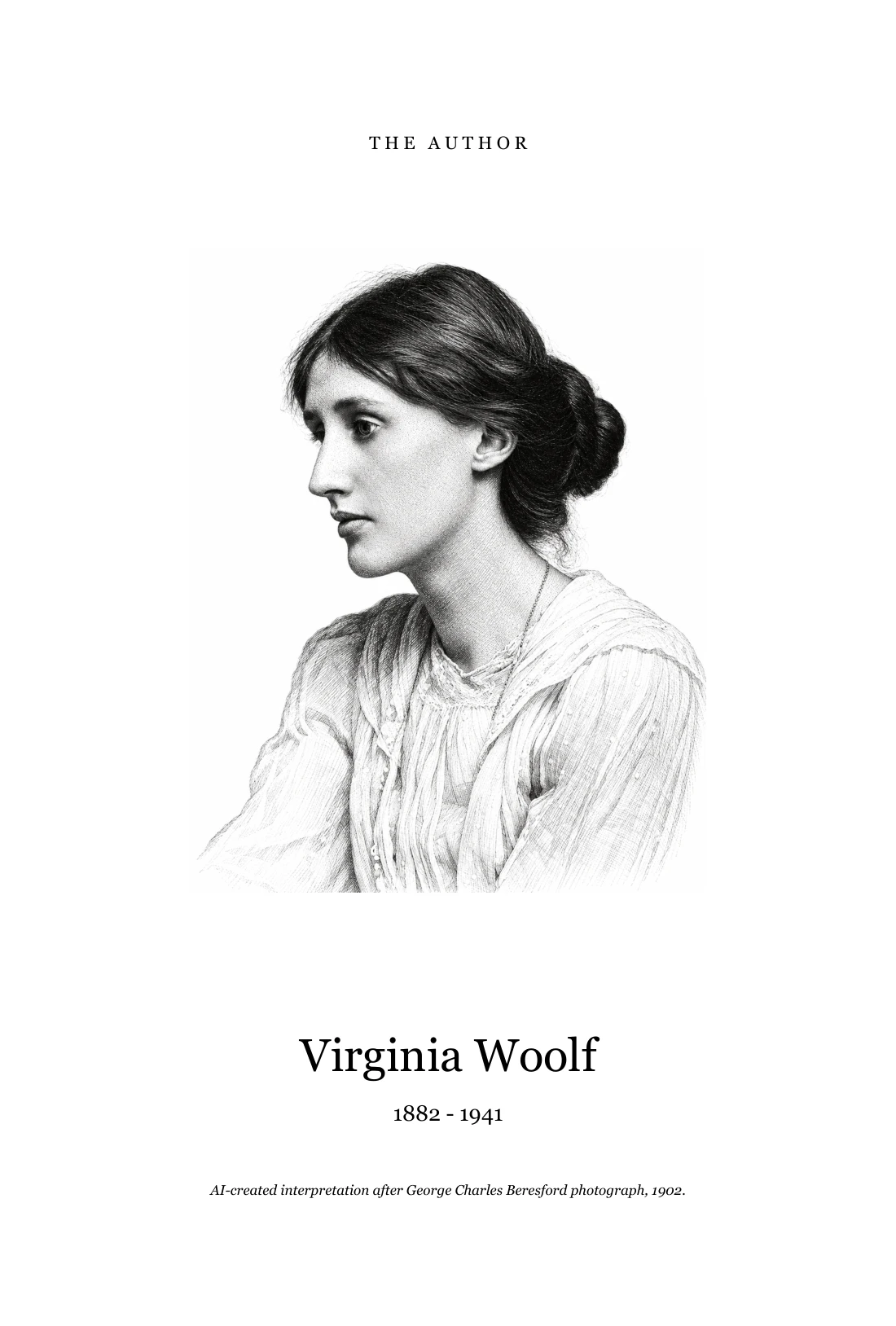
The modernists knew they were doing something new. Ezra Pound’s maxim was “Make it new”. Virginia Woolf, answering the novelist Arnold Bennett in a 1924 essay, put a date on it with deliberate cheek.
And now I will hazard a second assertion, which is more disputable perhaps, to the effect that on or about December 1910 human character changed.
Virginia Woolf, Mr. Bennett and Mrs. Brown
She admitted at once that the date was arbitrary. It is often linked to Roger Fry’s exhibition of Post-Impressionist painting in London which opened in November 1910 to a largely hostile reception, and to the change of king that year. Woolf’s real point was that the old ways of describing people no longer caught how people felt. Her essay calls Wells, Bennett and Galsworthy “the Edwardians”, and Forster, Lawrence, Joyce and Eliot “the Georgians”; we look at the first camp in the Edwardian novel.
- 1890
William James uses the phrase “stream of consciousness” in The Principles of Psychology
- 1910
Roger Fry’s Post-Impressionist exhibition opens in London
- 1918
May Sinclair first applies “stream of consciousness” to fiction, writing about Dorothy Richardson
- 1918–20
Ulysses is serialised in The Little Review until an obscenity prosecution
- 2 Feb 1922
Sylvia Beach publishes Ulysses in Paris
- Oct 1922
The Waste Land appears in Eliot’s magazine The Criterion
- 14 May 1925
Mrs Dalloway is published
- 7 Oct 1929
The Sound and the Fury is published in New York
Literary modernism in four books
- $19.99
Ulysses
1922. A Dublin day, 16 June 1904, mapped onto Homer’s Odyssey. Each episode is written in a different style, from interior monologue to newspaper headlines to a play script.
- $9.99
The Waste Land
1922. Voices, quotations and broken scenes from London and the ancient world. Eliot added his famous notes to make it long enough for a book.
- $12.99
Mrs. Dalloway
1925. One June day in London as Clarissa Dalloway prepares a party and a shell-shocked veteran, Septimus Smith, moves towards crisis. Big Ben marks the hours.
- $15.99
The Sound and the Fury
1929. A Mississippi family’s decline told four times, three of them by brothers. The first section is narrated by Benjy, who cannot understand time at all.


What modernist writers changed
Each of these books does at least one thing a Victorian novel would not. They show modernism’s main habits better than any definition.
- Inside the mind. Joyce and Woolf follow thought as it actually moves, half-sentences and memories included. The phrase “stream of consciousness” comes from the psychologist William James; the novelist May Sinclair first used it of fiction in 1918.
- Fragments instead of a story. The Waste Land has no narrator and no plot, only shifting voices and scraps of other poems, which the reader has to assemble.
- Time out of order. The Sound and the Fury jumps between 1928 and 1910 without warning, and Mrs Dalloway slides from a June morning into memories of Clarissa’s youth.
- Old myths, new streets. Joyce lays the Odyssey over a single ordinary day; Eliot borrows from legend and scripture to describe post-war London.
How hard are modernist books to read?
Harder than most novels, easier than their reputation. The trick is to stop expecting to understand every line on first reading. Here is how Mrs Dalloway begins, with no setting or explanation: “Mrs. Dalloway said she would buy the flowers herself.” Within a page you are inside her head, and you learn who she is the way you learn about a stranger, from what she notices.
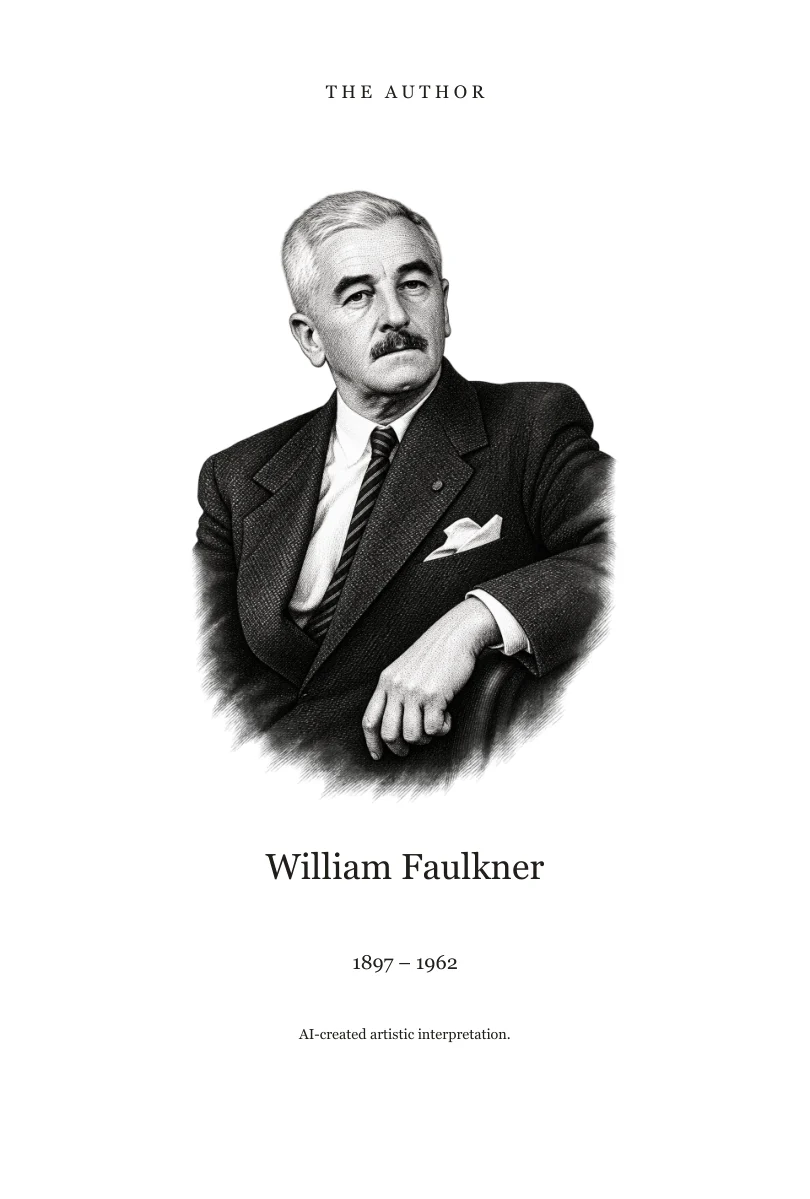
Faulkner asks more. Benjy’s section opens with a scene through a fence: “Through the fence, between the curling flower spaces, I could see them hitting.” Only slowly do you realise he is watching men play golf on land his family once owned. Faulkner admired Joyce and once gave his wife a copy of Ulysses to help her understand his own writing.
Which modernist book should you start with?
Start with Mrs Dalloway. It is the shortest of the novels here, it covers a single day, and it shows the technique at its most lucid. Then read The Waste Land aloud, which takes well under an hour, before moving on to Faulkner and, last, Joyce. Our guides on how to read Ulysses, why Eliot added notes to The Waste Land and where to start with Virginia Woolf will help along the way.
Begin with Mrs. Dalloway by Virginia Woolf, on the June morning when Clarissa steps out to buy the flowers, and let the city carry you.
Questions readers ask
What is literary modernism?
Literary modernism is the broad movement, roughly from the 1890s to the Second World War, in which writers broke with Victorian conventions, using techniques such as stream of consciousness, fragmented structure and non-linear time. Critics disagree about its exact dates.
What are the most famous modernist books?
James Joyce’s Ulysses (1922), T. S. Eliot’s The Waste Land (1922), Virginia Woolf’s Mrs Dalloway (1925) and William Faulkner’s The Sound and the Fury (1929) are among the best-known examples.
Who coined the term stream of consciousness?
The psychologist William James used the phrase in The Principles of Psychology (1890). The novelist May Sinclair first applied it to fiction in 1918, writing about Dorothy Richardson’s novels.
Why is 1922 important in modernism?
Ulysses and The Waste Land were both published in 1922, along with other major works, so many critics treat it as modernism’s peak year.