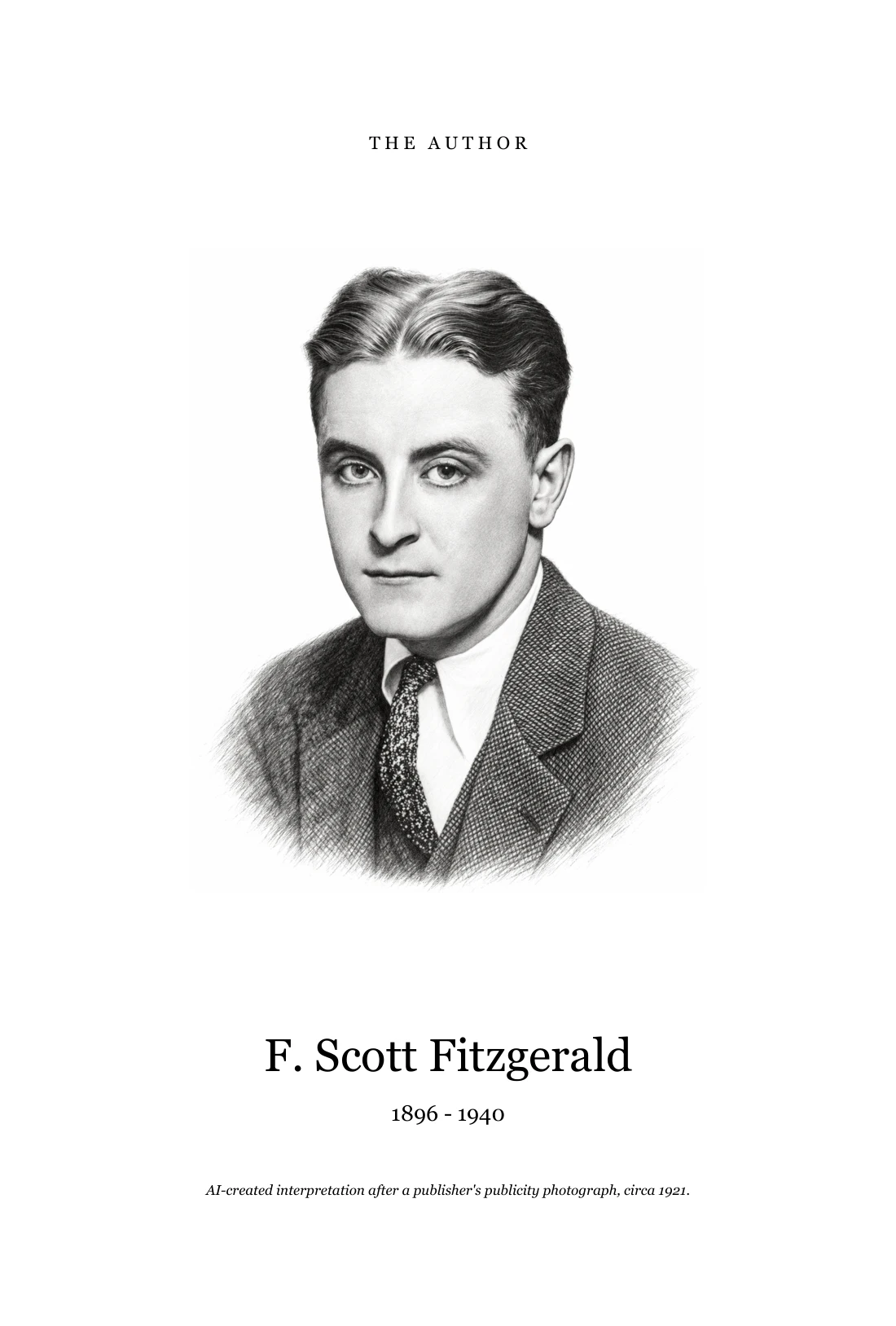
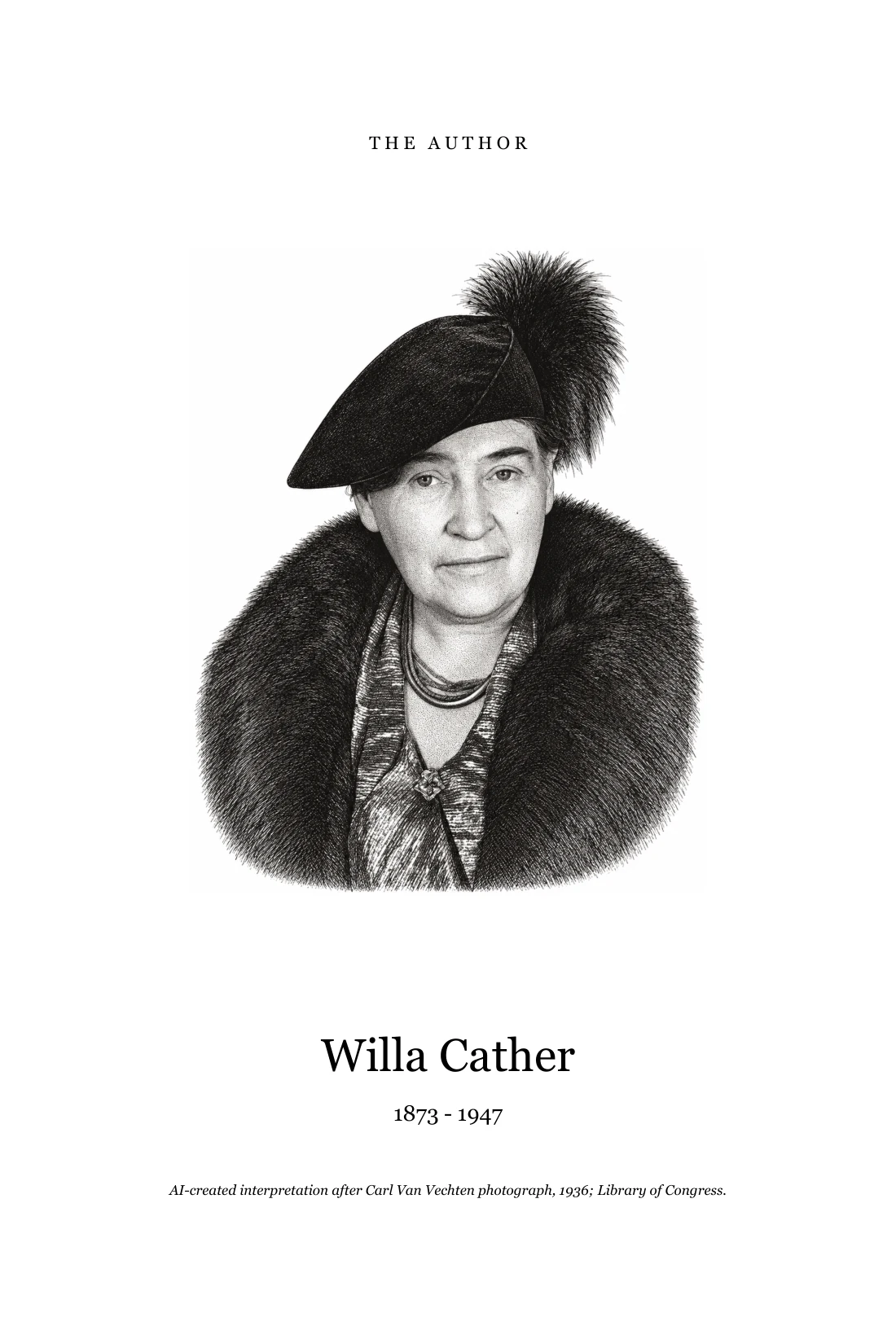
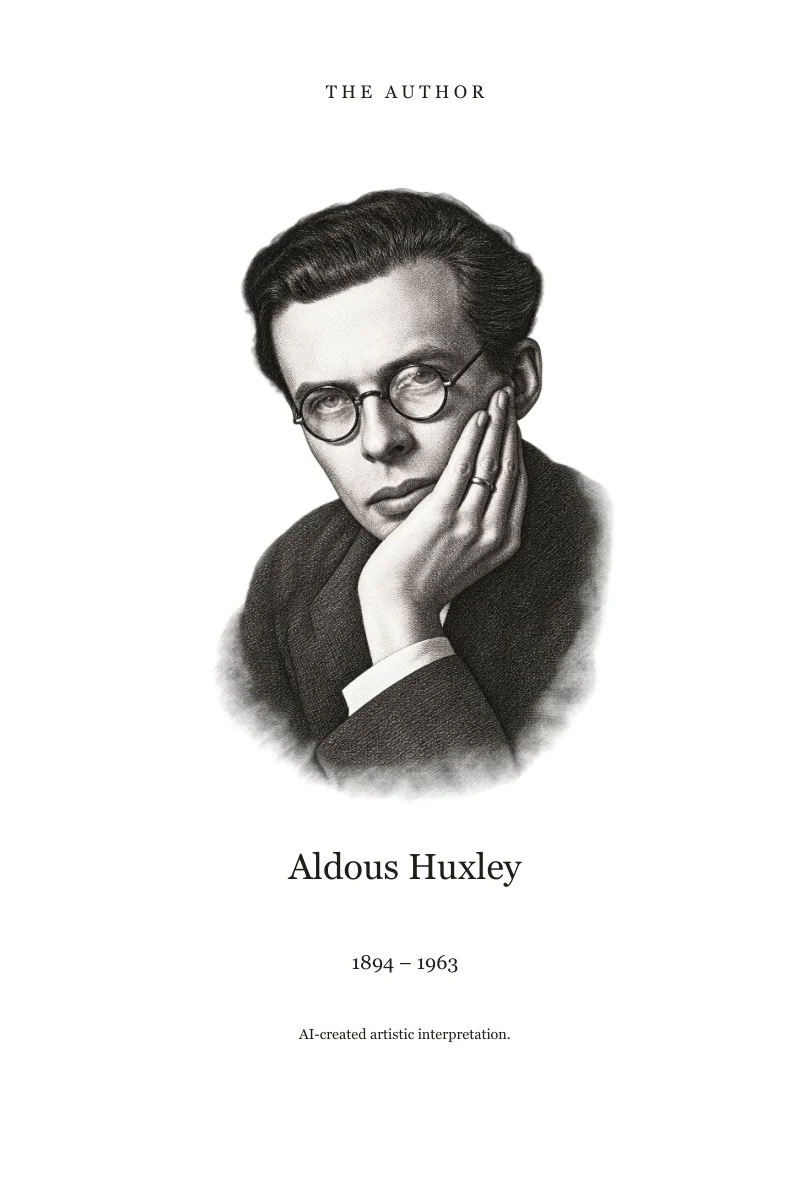
Somewhere in The Great Gatsby Nick Carraway mentions that he once wrote down the names of everyone who came to Gatsby’s house that summer, on the empty spaces of an old railway timetable “headed ‘This schedule in effect July 5th, 1922.’” The list that follows is among the funniest and saddest passages in the book: a roll call of the rich, the shady and the hopeful, most of whom never think of Gatsby again.
That is the mood to look for in books like The Great Gatsby: glamour with a crack running through it. The six below were all written in the 1920s or at the very turn of the decade, in America and England, and each shares at least one of Gatsby’s obsessions. Money and who has it. Parties that go on too long. And someone who wants, very badly, to get back to a moment that has already gone.
Novels like The Great Gatsby, published the year it is set
Gatsby’s summer is 1922, and that same year Fitzgerald and Edith Wharton both published novels full of beautiful people running out of money.
The Glimpses of the Moon
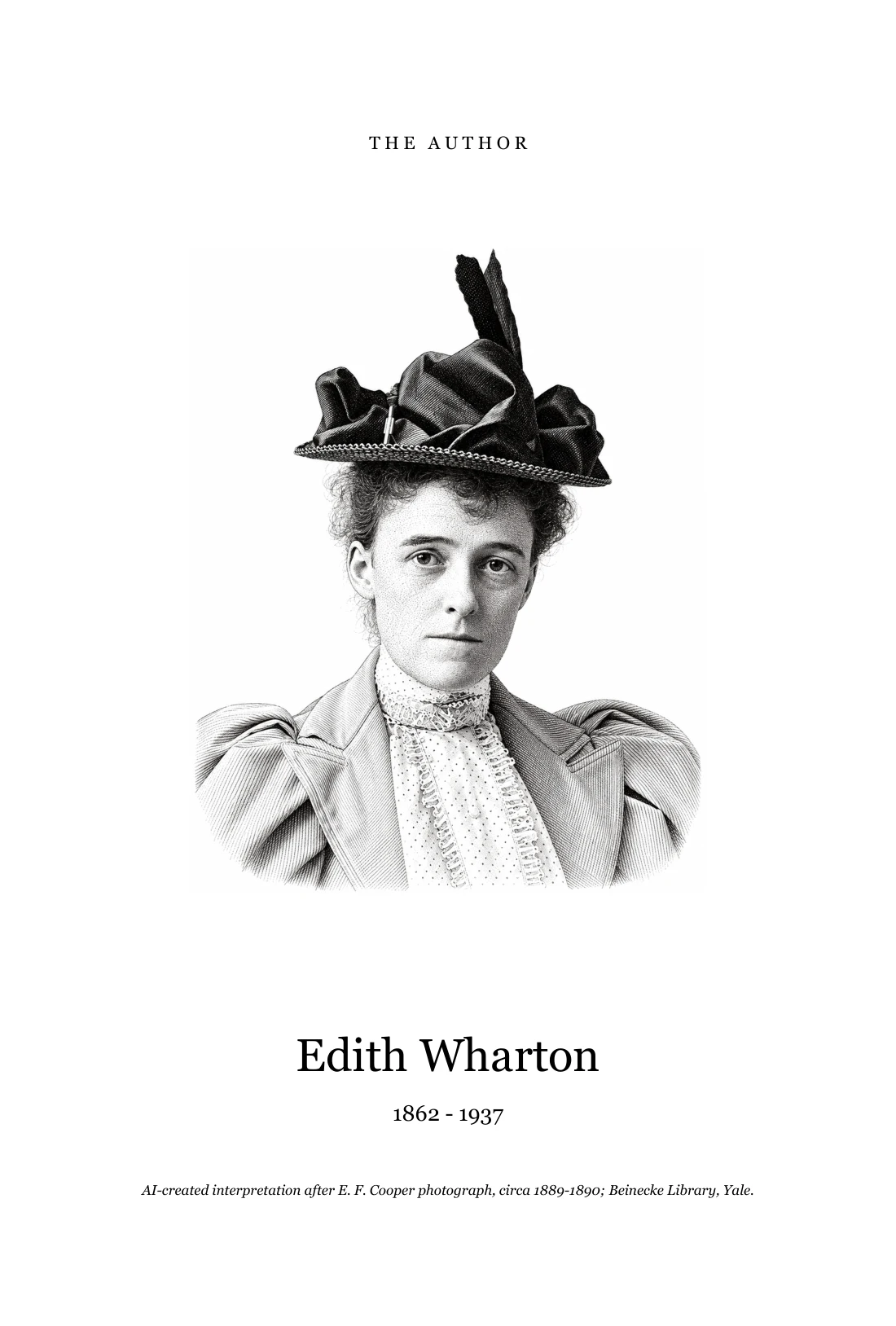
1922. Susy and Nick Lansing are charming, well connected and broke, so they marry on a bargain: they will live for a year on wedding presents and the borrowed villas of rich friends, starting with a honeymoon on Lake Como, and release each other if either gets a better chance. Edith Wharton’s sharpest comedy of the leisure class, and more tender than it first appears.
The Beautiful and Damned
1922. Anthony Patch waits in New York for his grandfather’s millions while he and his dazzling wife, Gloria, spend as if the money had already arrived. Fitzgerald’s second novel, drawn loosely from his own marriage to Zelda, and the darker twin of Gatsby.


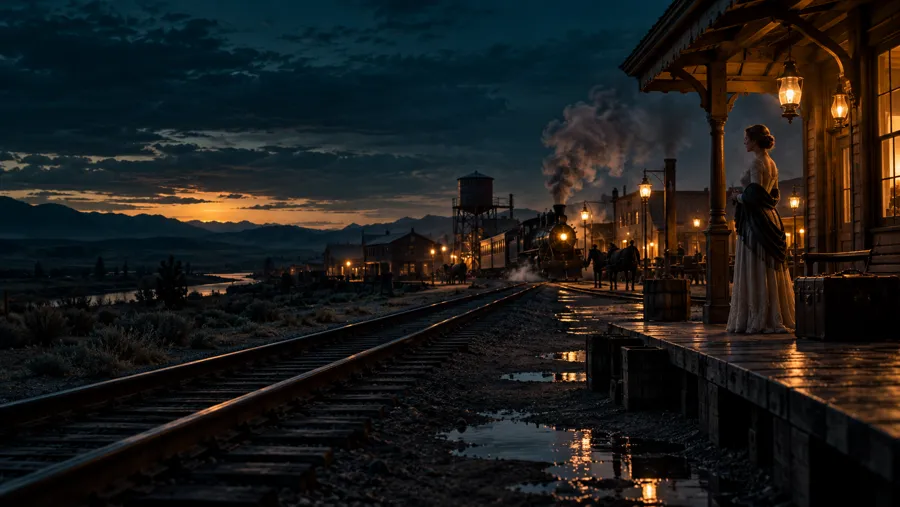
The lady who came before Daisy
In 1923 Willa Cather published a short novel about a fascinating woman remembered by a young man who idolised her. The resemblance to Gatsby did not escape Fitzgerald, who later wrote to Cather apologising for any unintentional plagiarism. We tell that story in Did you know F. Scott Fitzgerald wrote to Willa Cather about A Lost Lady?
Bright young people in London
England had its own Jazz Age, and two young satirists went to its parties with notebooks. If Gatsby’s West Egg is the American version of the house party that never ends, these are the English ones.
Crome Yellow
1921. Denis Stone, a young poet, spends a summer at Crome, a country house full of eccentrics, talkers and people he would like to impress. Aldous Huxley’s first novel, based recognisably on Garsington Manor and its hostess, Lady Ottoline Morrell.
Vile Bodies
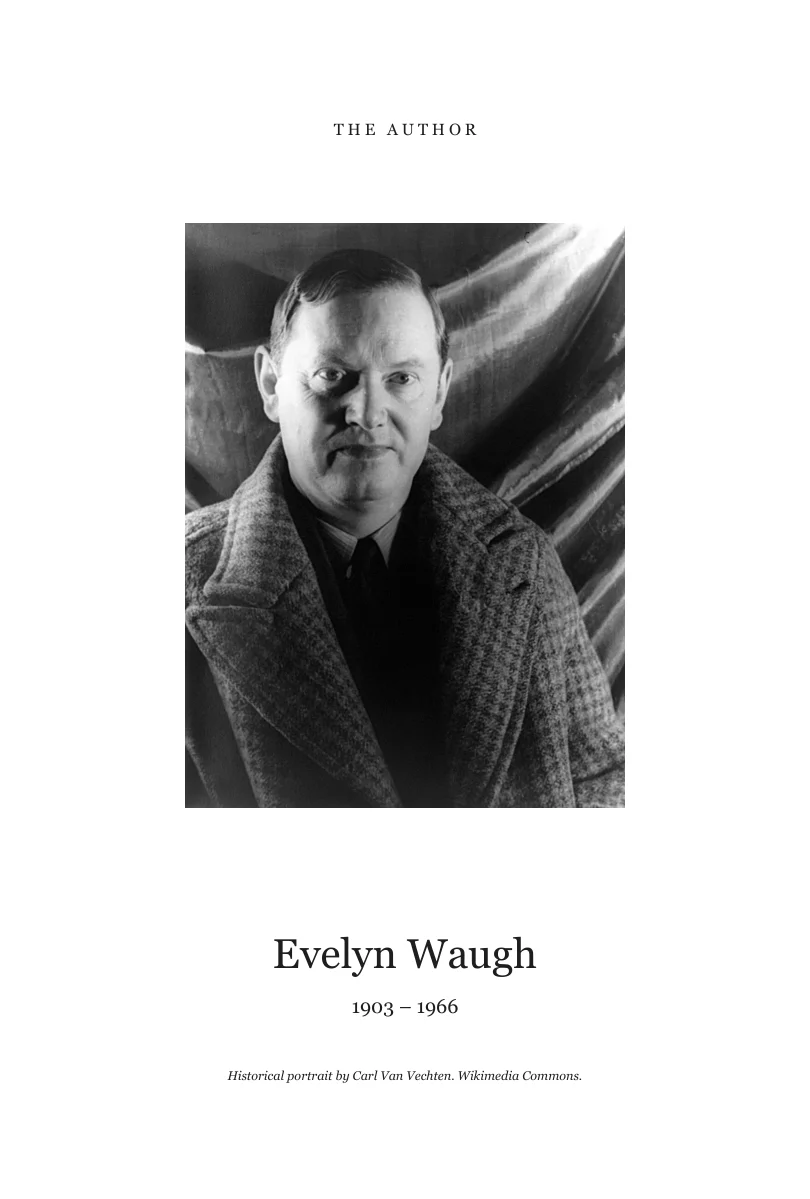
1930. Adam Fenwick-Symes keeps getting engaged to Nina Blount and losing the money to marry her, while London’s Bright Young People go from party to party. Evelyn Waugh’s second novel begins as farce and ends somewhere much colder.


Masked parties, Savage parties, Victorian parties, Greek parties, Wild West parties, Russian parties, Circus parties, parties where one had to dress as somebody else, almost naked parties in St John’s Wood…
Evelyn Waugh, Vile Bodies (1930)
The list goes on for several more lines and ends with the phrase that gave the book its title, “Those vile bodies”. For the real people behind the satire, see Who were the Bright Young Things?
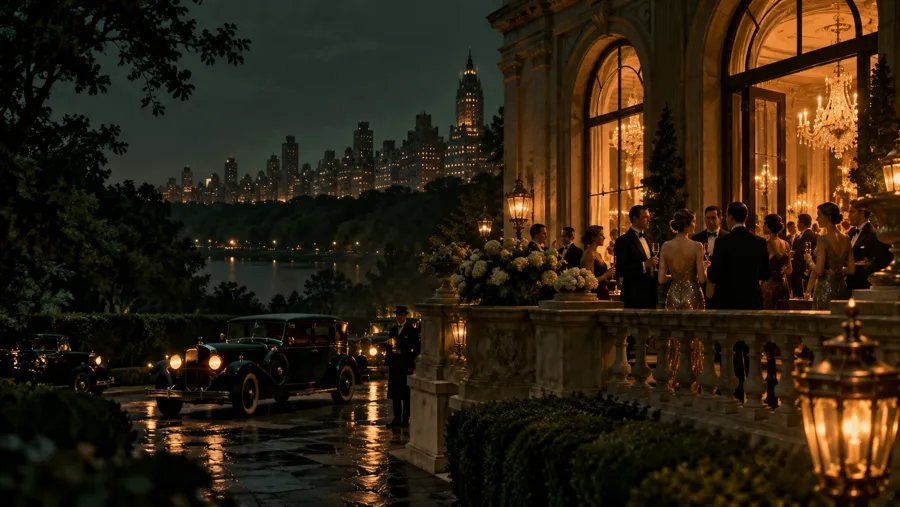
New York, five years after Gatsby
Wharton was in her sixties when Twilight Sleep appeared, and she watched the decade with an older eye than Fitzgerald’s. There is more about this late, underrated phase of her career in Did you know Edith Wharton wrote Jazz Age novels?
What makes a book like The Great Gatsby?
Not just flappers and cocktails. The novels that sit best beside Gatsby share three things with it. A sharp eye for money, especially the difference between old money and new. A narrator or heroine who is half inside the glittering world and half outside it, like Nick Carraway, watching. And a sense that the party is already ending, even while the music is still playing.
- For the closest match in tone: The Beautiful and Damned, written by Fitzgerald just before Gatsby.
- For a short read with the same ache: A Lost Lady.
- For comedy with teeth: The Glimpses of the Moon or Crome Yellow.
- For the hangover: Vile Bodies.
Where to go next
For the wider decade, read The Jazz Age in fiction, and for Fitzgerald’s own path to his masterpiece, F. Scott Fitzgerald’s early books in order. If you are curious why the book everyone now studies once sold so badly, see Did you know The Great Gatsby disappointed in Fitzgerald’s lifetime?
And if you have not reread The Great Gatsby since school, it is short enough for one evening. Read it again, then pick up The Glimpses of the Moon and watch Wharton’s young couple talk over their bargain beside a moonlit lake. You will see the same green light, from a slightly different shore.
Questions readers ask
What books are similar to The Great Gatsby?
Good choices are F. Scott Fitzgerald’s The Beautiful and Damned, Edith Wharton’s The Glimpses of the Moon and Twilight Sleep, Willa Cather’s A Lost Lady, Aldous Huxley’s Crome Yellow and Evelyn Waugh’s Vile Bodies. All were written in or just after the 1920s and deal with money, glamour and loss.
What should I read after The Great Gatsby?
The Beautiful and Damned (1922) is the natural next step: it is Fitzgerald’s previous novel, set in the same New York world. For something short, try Willa Cather’s A Lost Lady (1923), a novel Fitzgerald later wrote to Cather about because of its echoes in Gatsby.
What year is The Great Gatsby set in?
The novel takes place in the summer of 1922. Nick Carraway even mentions a railway timetable “in effect July 5th, 1922” on which he listed Gatsby’s guests.