THE STORY
What remains after the party?
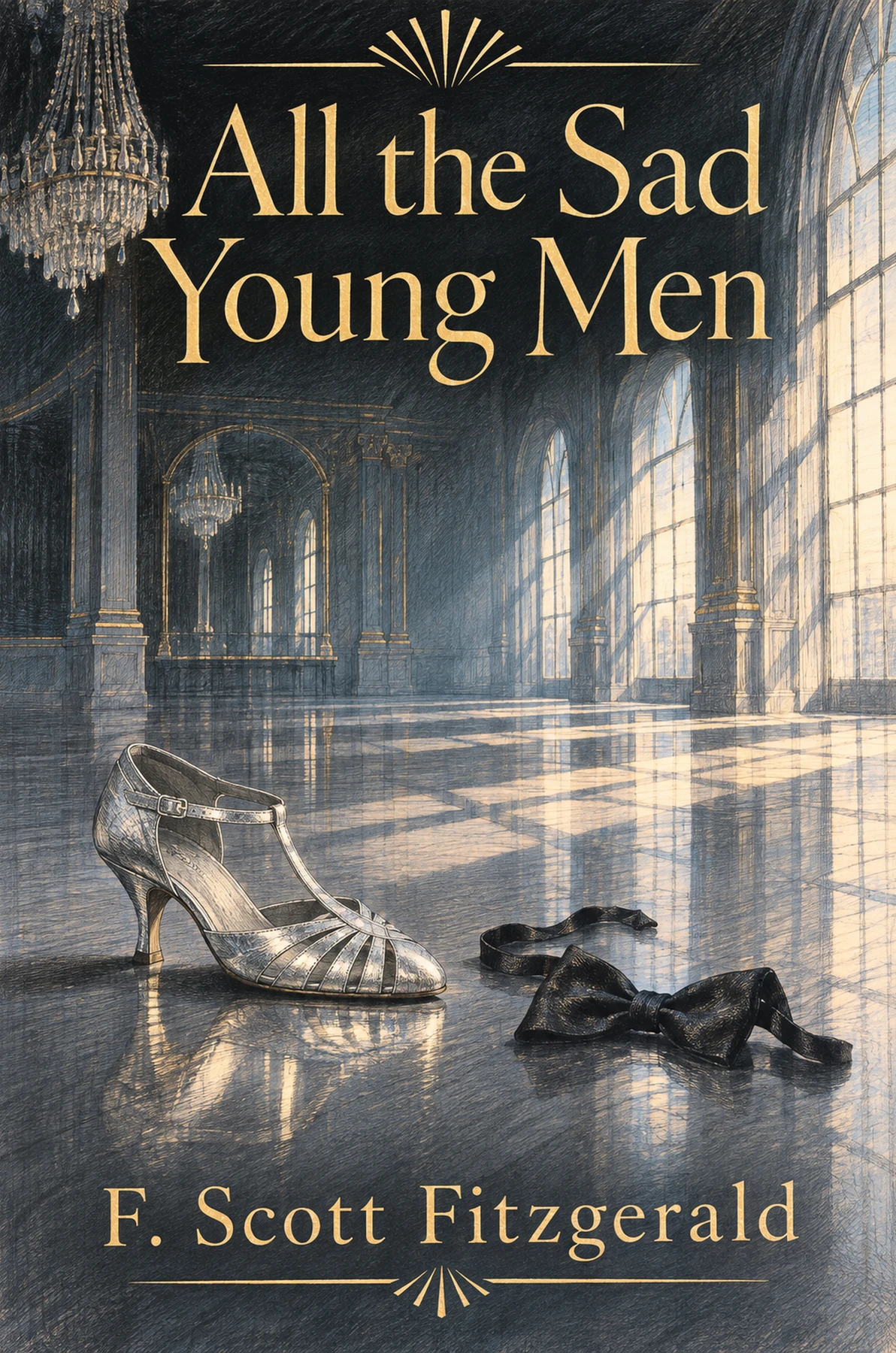
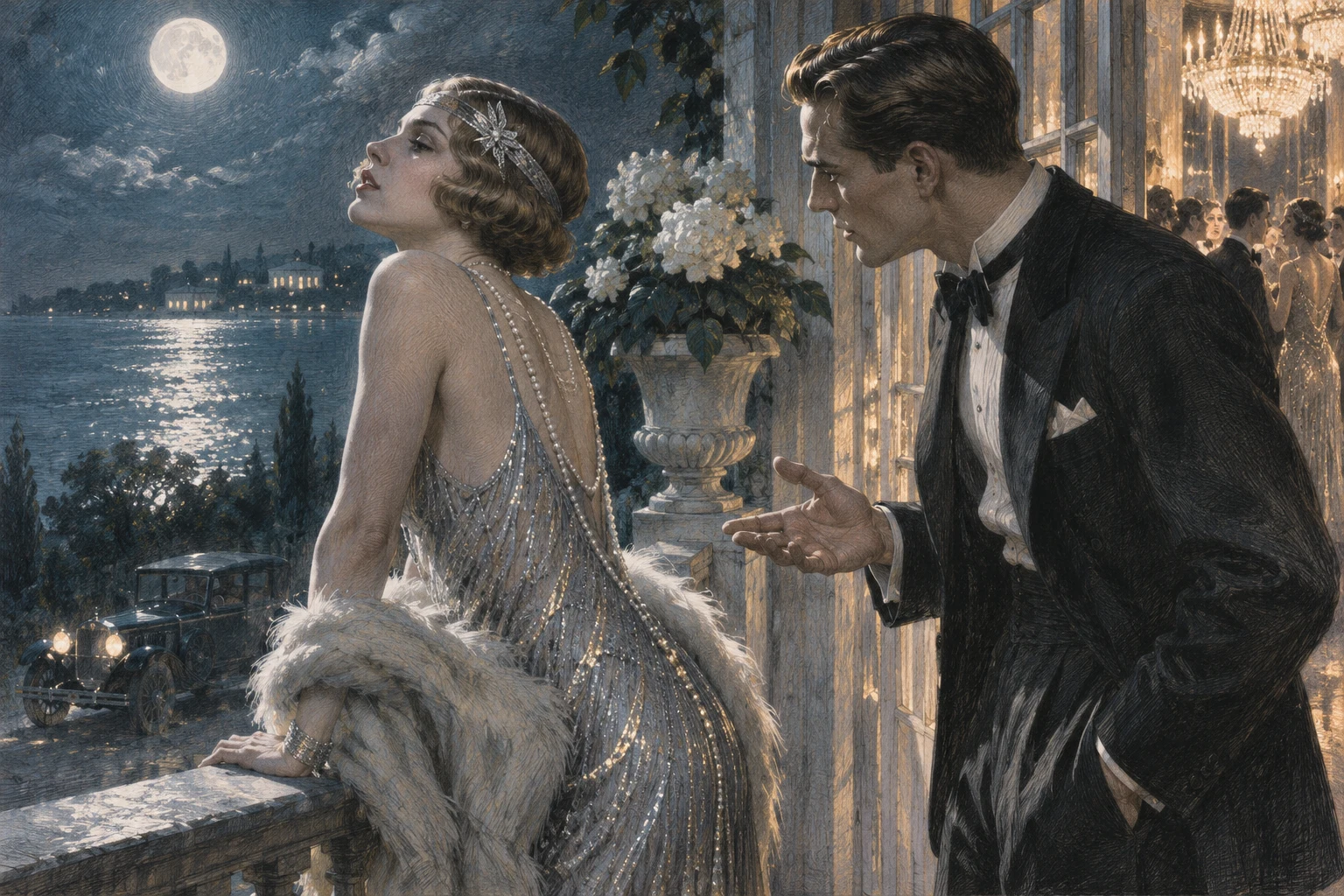
F. Scott Fitzgerald turns to young ambition, wealth, regret and the bargains people make to belong. These stories move between comedy and heartache with the precision of overheard conversation.
Browse collections

Find your next chapter
Explore timeless stories, unexpected discoveries, and old favourites.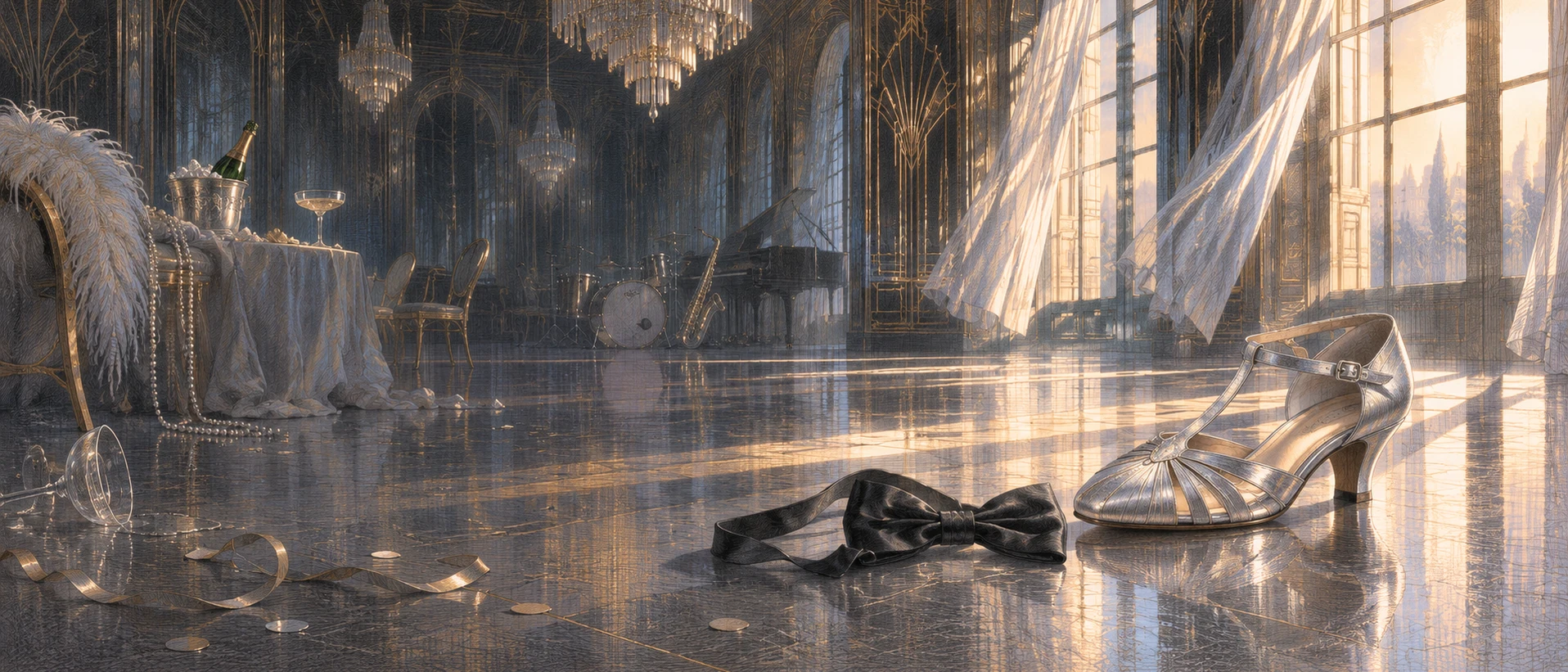
F. Scott Fitzgerald turns to young ambition, wealth, regret and the bargains people make to belong. These stories move between comedy and heartache with the precision of overheard conversation.
$13.99
Printed for you. Shipping calculated at checkout.

THE STORY
F. Scott Fitzgerald turns to young ambition, wealth, regret and the bargains people make to belong. These stories move between comedy and heartache with the precision of overheard conversation.
THE WORLD OF THE BOOK
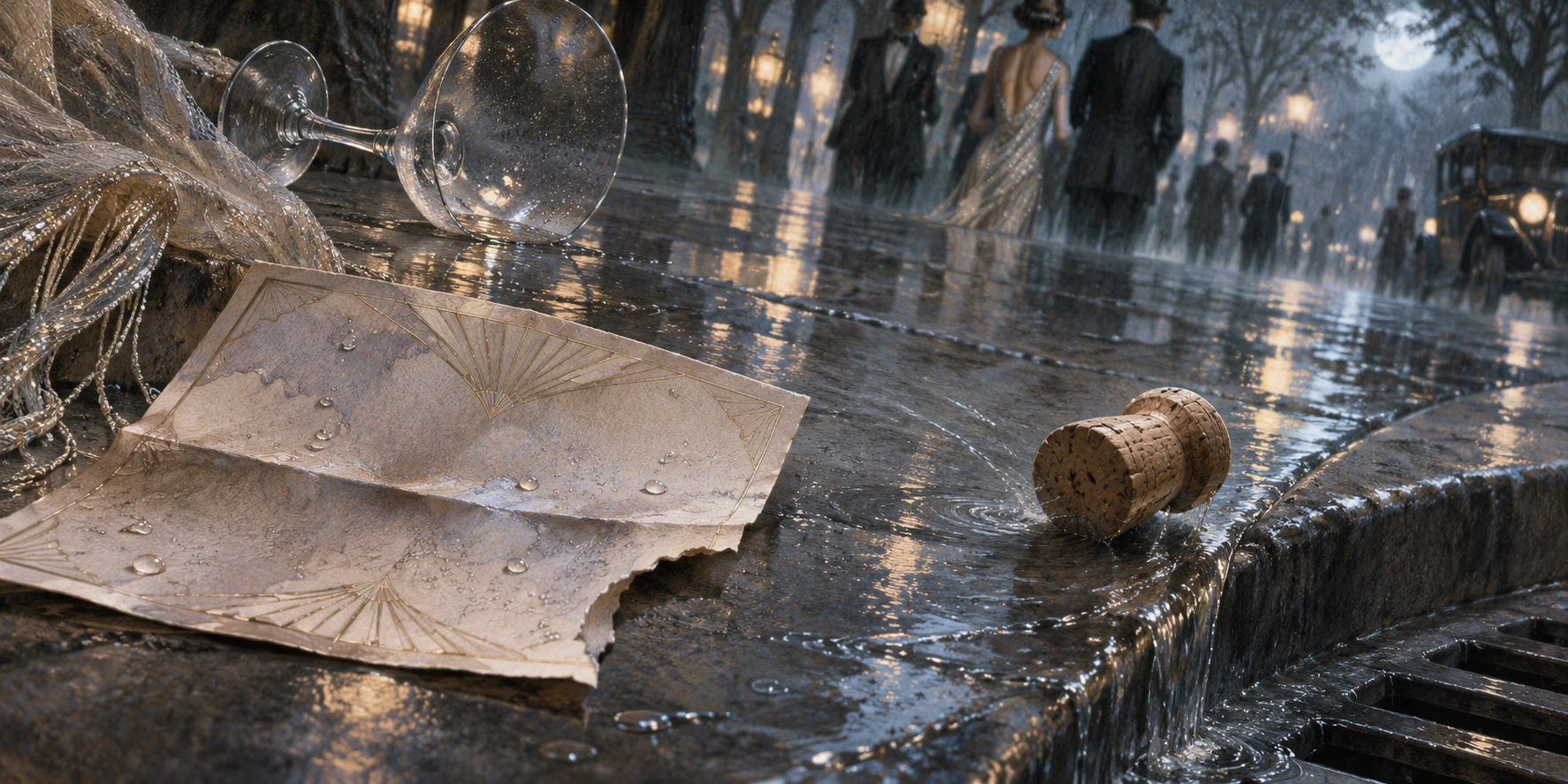
A wet note and champagne cork rest on piano keys.
LOOK INSIDE
Preview six pages from this edition. Select a page to enlarge it, or use the arrows to keep reading.
Spread 1 of 3
ABOUT THE AUTHOR
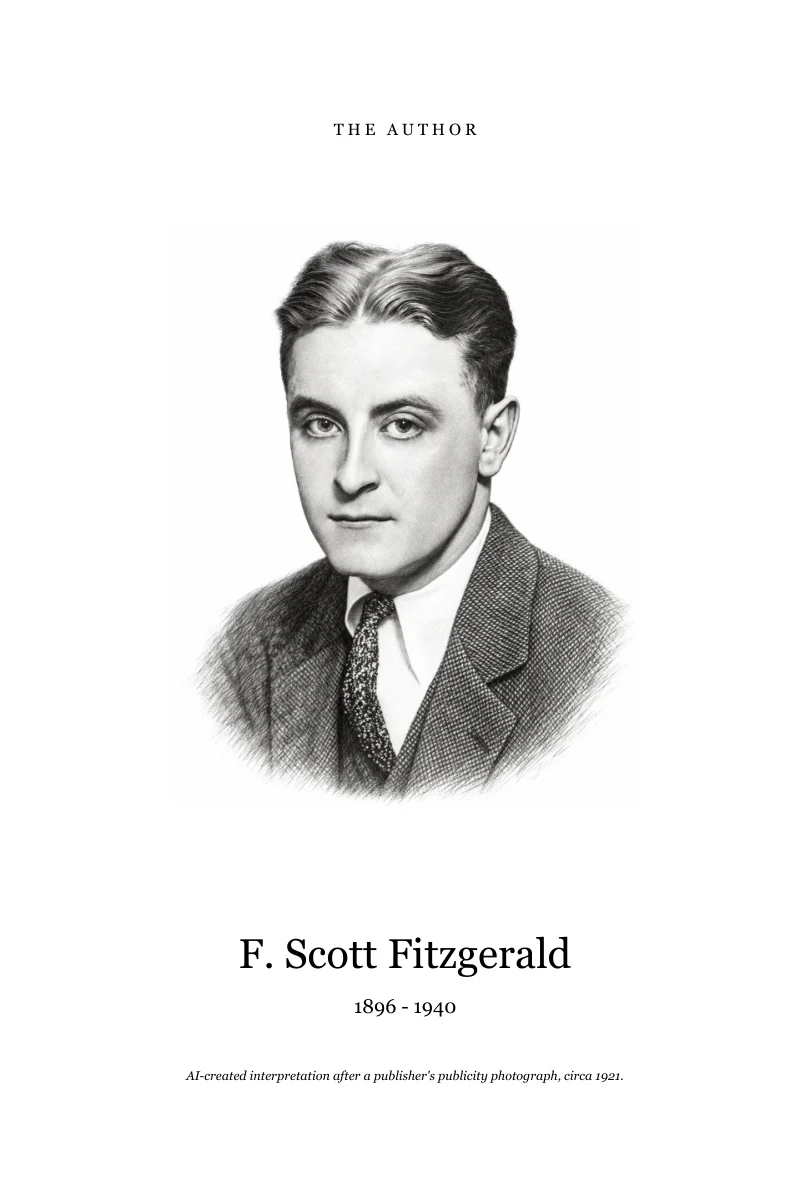
F. Scott Fitzgerald was an American novelist and short-story writer closely associated with the Jazz Age. His fiction examines the appeal of wealth, the desire to remake oneself and the distance between an imagined life and the one a person actually inhabits. Born in Saint Paul, Minnesota, he attended Princeton University before leaving to join the army during the First World War. His first novel, This Side of Paradise, appeared in 1920 and brought immediate success. That year he married Zelda Sayre. Magazine stories became an important part of his professional life and income. The Beautiful and Damned followed in 1922, and The Great Gatsby in 1925. Fitzgerald spent time in Europe among other expatriate writers and artists. His later completed novel, Tender Is the Night, appeared in 1934. Financial pressures eventually led him to work in Hollywood. He died in 1940, leaving the novel published as The Last Tycoon unfinished. His reputation grew after his death. His work remains distinctive for the way lyrical sentences can carry both longing and criticism, giving glamour its attraction while exposing the costs of believing in it. Biographical reference: Wikipedia, F. Scott Fitzgerald. Historical portrait source: a publisher's publicity photograph, circa 1921. Full source details are retained in the edition archive.
More about the author ↗THE NEXT CHAPTER
FREE TO READ
All the Sad Young Men is in the public domain, so its words belong to everyone. Download our edition free. No account needed.
Best for phones, Apple Books, Google Play Books, Kobo and Kindle
The printed page layout, with illustrations
KEEP BROWSING