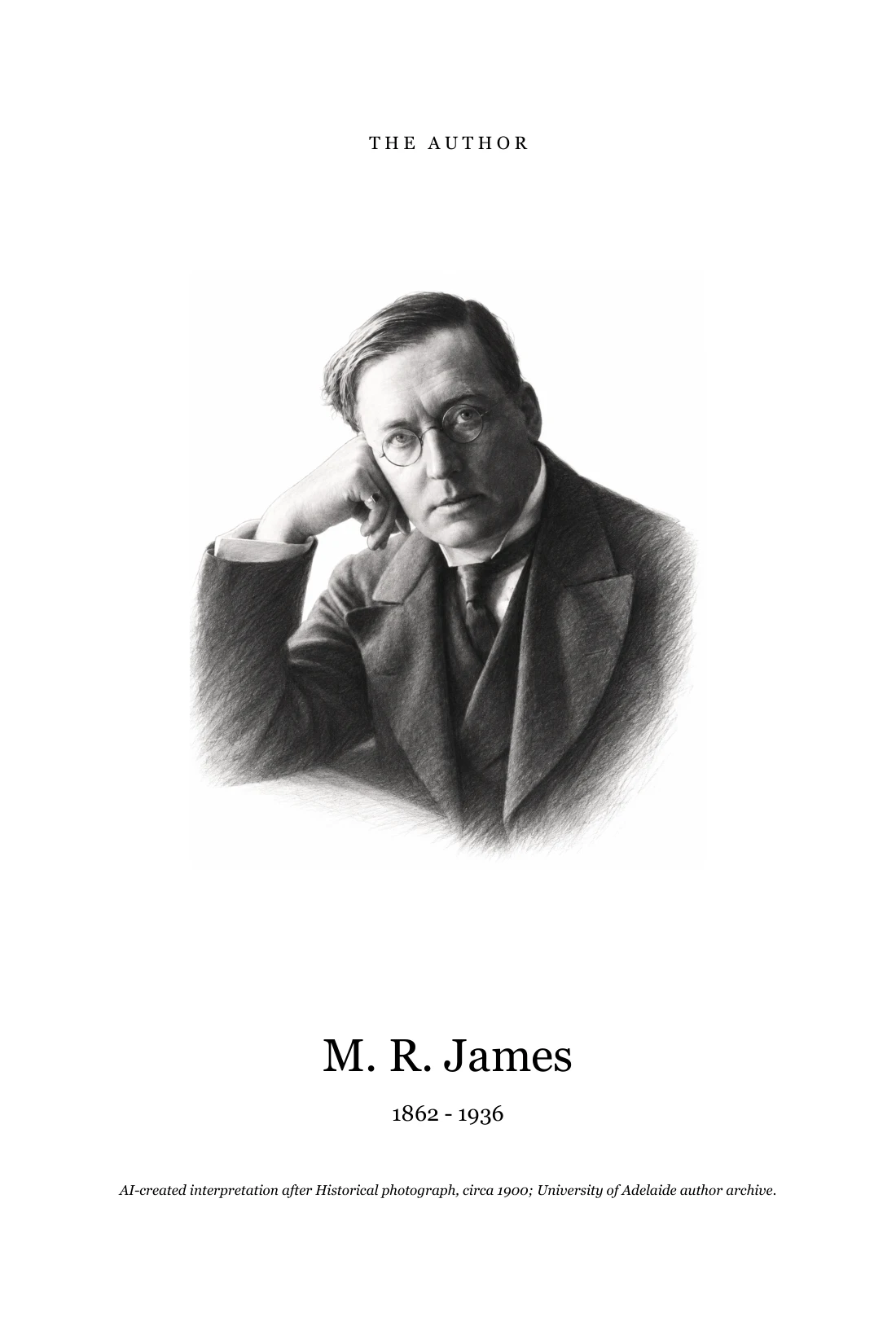
The most frightening stretch of beach in English ghost fiction belongs to a resort called Burnstow, where a Cambridge professor on a golfing holiday picks a bronze whistle out of the ruins of a Templar preceptory and, unwisely, blows it. Burnstow does not exist. Its author, M. R. James, admitted that he had Felixstowe in mind.
That story, “Oh, Whistle, and I’ll Come to You, My Lad”, is a fair place to locate the golden age of the English ghost story: a scholar’s dry humour, an ordinary setting, and something very nasty arriving by degrees. Critics usually date the golden age from the 1830s, when the Gothic novel faded, to the First World War. Those limits are critics’ shorthand, but the shelf of books between them is real.
When was the golden age of the ghost story?
The literary scholar Jack Sullivan, author of Elegant Nightmares (1978), notes that many critics see a golden age running from the decline of the Gothic novel in the 1830s to the First World War, and he credits Edgar Allan Poe and Sheridan Le Fanu with starting it. In England the key was the short story. Gothic novels had needed castles and three volumes; the new ghost story needed a few thousand words, a plausible narrator and a single door left open.
Magazines and Christmas made the market. Dickens wrote the most famous of all, A Christmas Carol, in 1843, and later published ghost stories in the Christmas numbers of his own magazines, among them the eerie railway tale “The Signal-Man” in 1866. Le Fanu’s In a Glass Darkly (1872) brought psychological unease to the form. Telling ghost stories at Christmas became a habit, as our post on the Christmas ghost story tradition explains.
- 1843
Dickens’s A Christmas Carol
- 1872
Sheridan Le Fanu’s In a Glass Darkly
- 1898
Henry James’s The Turn of the Screw is serialised in Collier’s Weekly
- 1904
M. R. James’s Ghost Stories of an Antiquary
- 1906
Algernon Blackwood’s The Empty House and Other Ghost Stories
- 1907
Blackwood’s “The Willows”
- 1910
Edith Wharton’s Tales of Men and Ghosts
- 1919
M. R. James’s A Thin Ghost and Others
M. R. James and the antiquarian ghost story
Montague Rhodes James was a medieval scholar, director of the Fitzwilliam Museum and later provost of King’s College, Cambridge, and then of Eton. He wrote his ghost stories for fun and read them aloud to friends, most often at Christmas. The first collection, Ghost Stories of an Antiquary, came out in 1904, and its preface tells you where several stories had first been heard: “read to friends at Christmas-time at King’s College, Cambridge”.
His method made him the father of what is now called the antiquarian ghost story. A quiet, bookish man finds an old object, a manuscript, a print, a whistle, and disturbs what it was guarding. The learning that surrounds these discoveries feels completely authentic. It mostly is not.
As for the fragments of ostensible erudition which are scattered about my pages, hardly anything in them is not pure invention
M. R. James, preface to Ghost Stories of an Antiquary
Henry James and the haunted mind
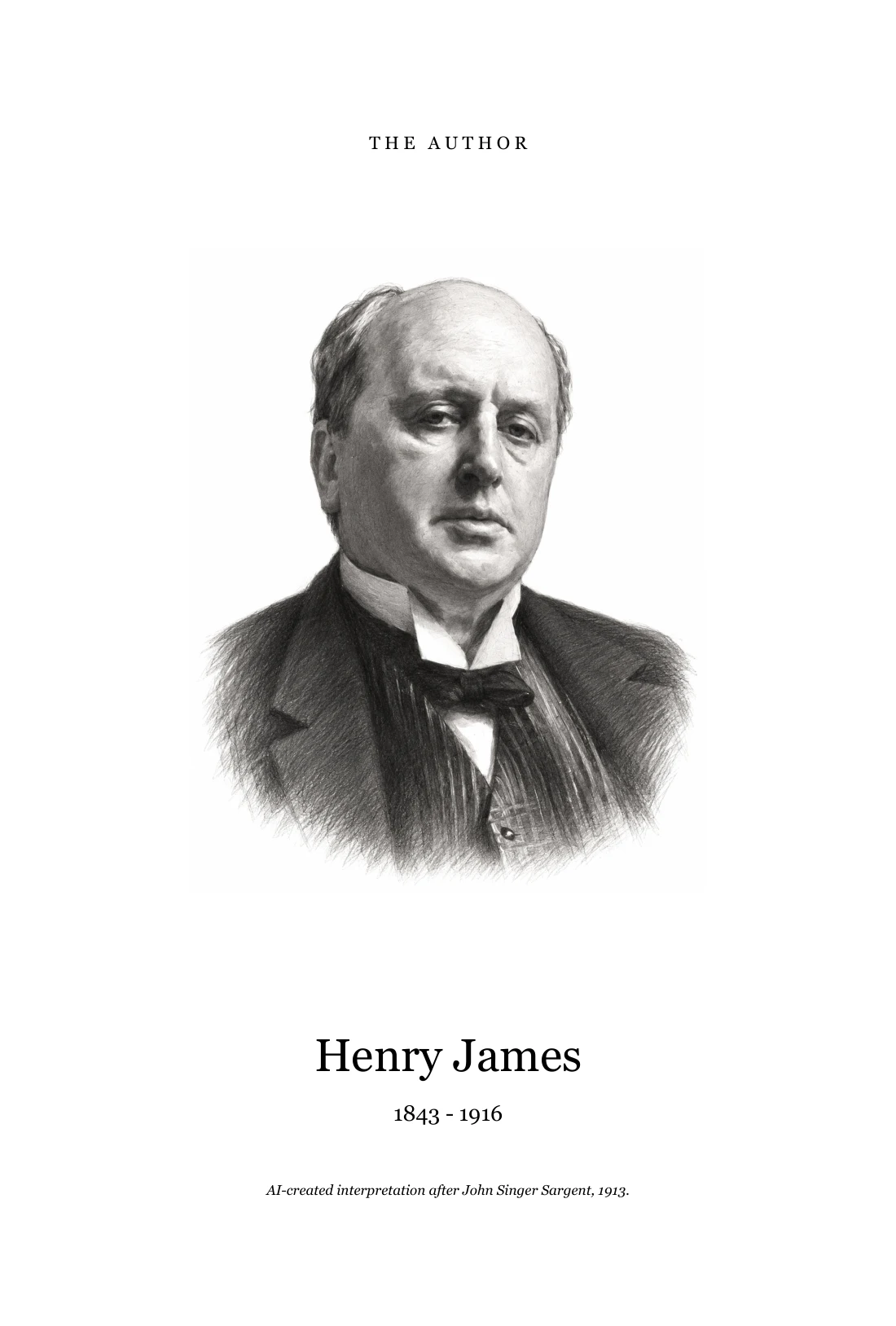
Henry James, no relation, came at the ghost story from the other side. The Turn of the Screw (1898) opens with friends round a fire on Christmas Eve, one of whom reads out a governess’s account of two children and the figures she sees around their country house. Whether those figures are real is a question readers have argued about ever since. Its ambiguity points towards the psychological ghost story of the next century.
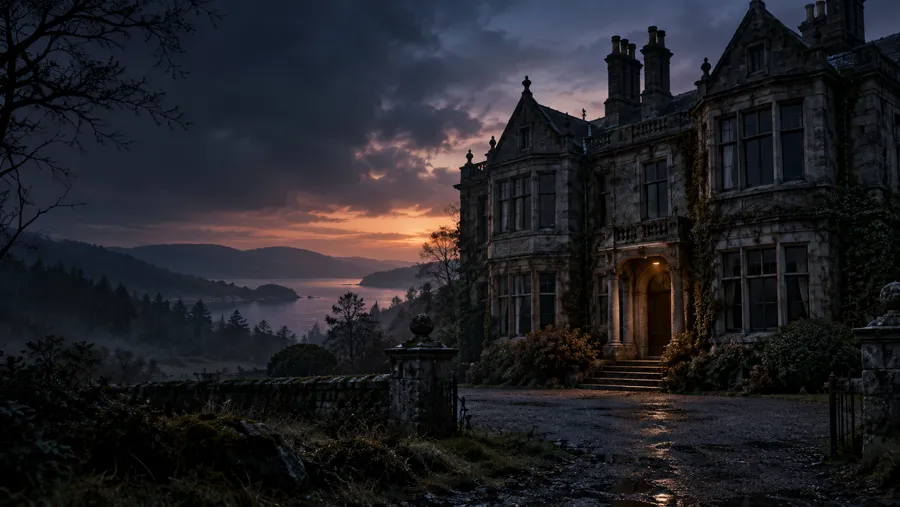
Algernon Blackwood and the wild places
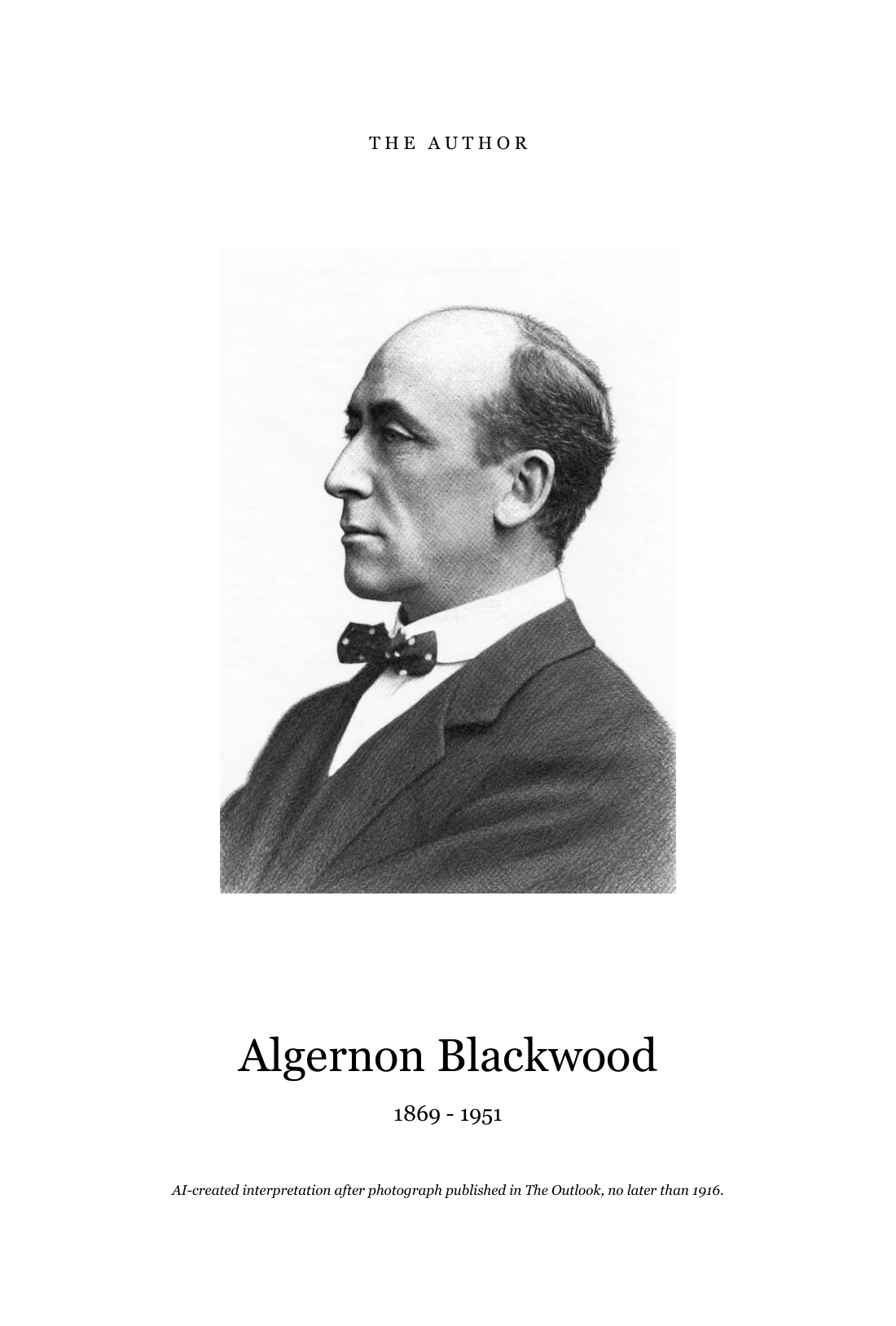
Algernon Blackwood took the ghost story out of doors. He had farmed and knocked about in Canada and worked as a reporter in New York before he settled in England and, in his late thirties, turned seriously to supernatural fiction. The Empty House (1906) is still close to the classic haunted-house tale, and opens with a sentence of fine, quiet menace: “Certain houses, like certain persons, manage somehow to proclaim at once their character for evil.” In “The Willows” (1907), two friends canoeing down the Danube camp on an island and feel the landscape itself turn against them. H. P. Lovecraft considered it the finest supernatural tale in English literature.
Classic English ghost stories to read
Ghost Stories of an Antiquary
1904. Eight stories, from “Canon Alberic’s Scrap-book” to “Oh, Whistle”. Scholarly, funny and genuinely frightening; the place to begin.
The Turn of the Screw
1898. A governess, two beautiful children and a house that may or may not be haunted. Short enough for one long evening.
The Empty House and Other Ghost Stories
1906. Ten early stories, from a haunted house in a city square to a hunting camp in the Quebec backwoods. Blackwood finding his way to the wilderness.
The Willows
1907. Two canoeists, a river island and the willows that crowd around their tent. The story Lovecraft admired above all others.
Tales of Men and Ghosts
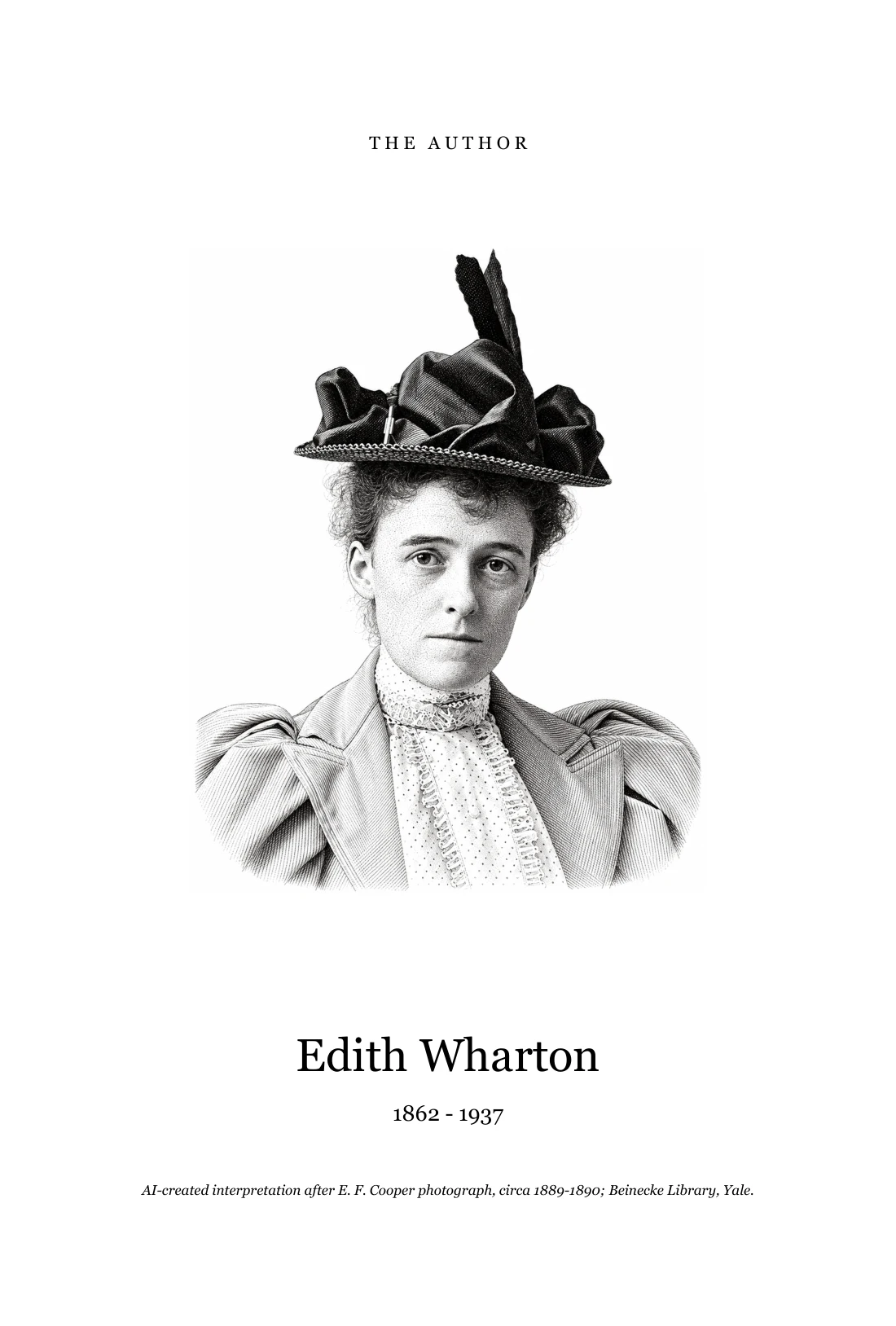
1910. Edith Wharton’s ghosts are social as well as supernatural, haunting marriages and drawing rooms as much as houses.


Why did the golden age end?
Critics who use the term usually close it with the First World War, after which the mood of the form changed. Writers such as Blackwood and Oliver Onions had already pushed it towards mysticism and psychology, the directions it would take in the new century. M. R. James kept going, publishing A Thin Ghost and Others in 1919, but the golden age, by most reckonings, was over.
For more, see the best classic ghost story collections, Algernon Blackwood’s ghost stories and The Turn of the Screw as a Christmas Eve tale. Then wait for a dark evening, open Ghost Stories of an Antiquary by M. R. James, and do not, whatever you find, blow the whistle.
Questions readers ask
When was the golden age of the ghost story?
Critics usually place it between the decline of the Gothic novel in the 1830s and the First World War, with its peak in the late Victorian and Edwardian years. Not every critic uses the label, and its edges are blurred.
Who are the best English ghost story writers?
M. R. James is the most celebrated, alongside Sheridan Le Fanu, Charles Dickens, Algernon Blackwood and Oliver Onions. Henry James’s The Turn of the Screw is the best-known ghost novella.
Why are ghost stories told at Christmas?
The custom of telling tales on long winter nights was boosted by Victorian Christmas magazines, especially Dickens’s, and by writers such as M. R. James, who read his new stories to friends at Christmas.
What is an antiquarian ghost story?
A ghost story, in the manner of M. R. James, in which a scholar or collector disturbs something supernatural through an old object, book or place.