Look for Halloween itself in the great old horror stories and you will mostly be disappointed. Jonathan Harker sets off for Castle Dracula on the eve of St George’s Day, the fourth of May. The Turn of the Screw is told round a fire on Christmas Eve. But the season is everywhere in them, and some land almost exactly on the right page of the calendar.
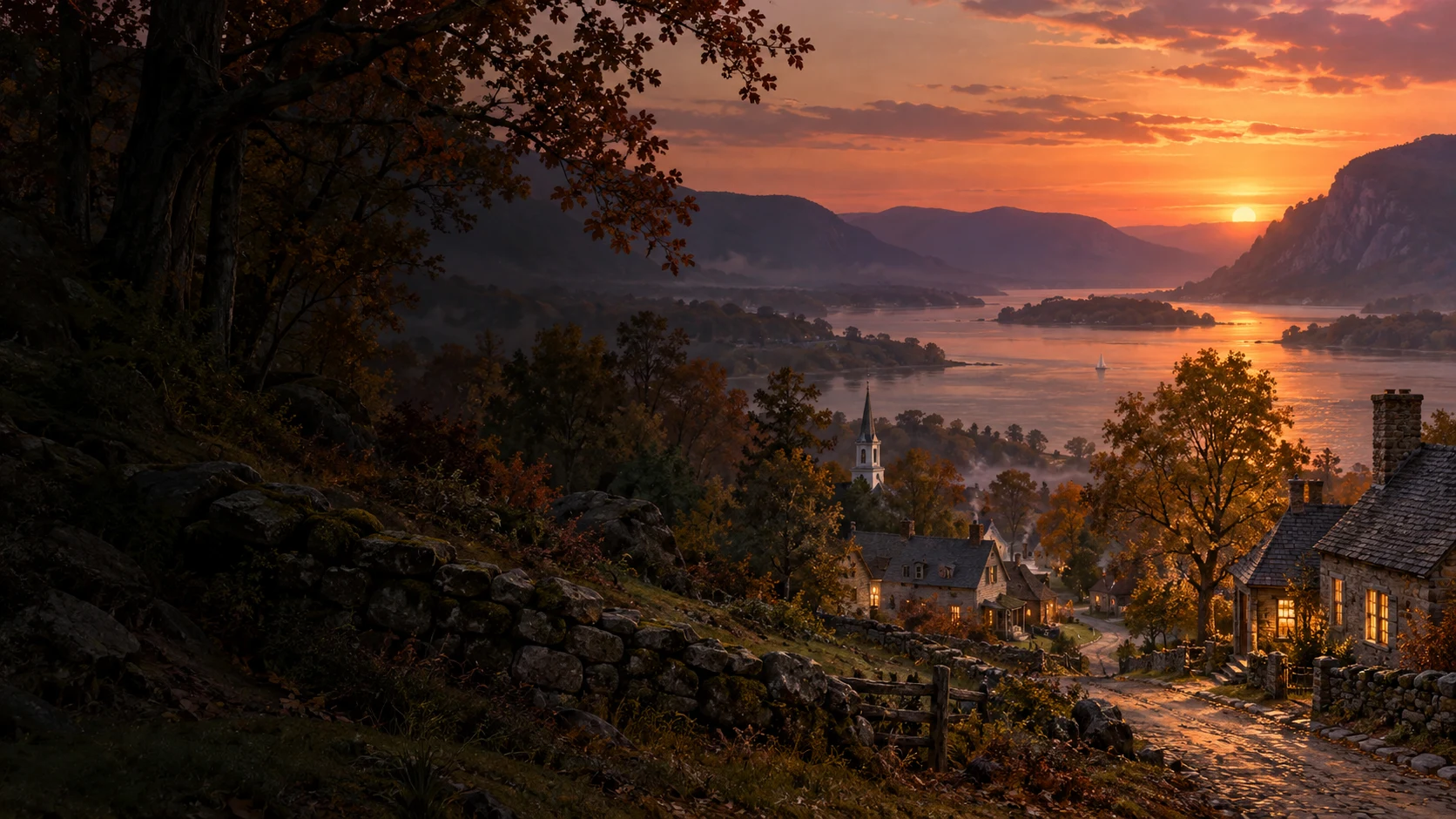
In Strange Case of Dr Jekyll and Mr Hyde the murder that sets London talking happens “in the month of October”, under a full moon. Victor Frankenstein’s creature opens its eyes “on a dreary night of November”. And the most autumnal ghost story in English, Washington Irving’s “The Legend of Sleepy Hollow”, is full of apples, cider-presses and yellow pumpkins lying in the corn.
So here are the best Halloween books from the classic shelf, grouped by the time you have: a single evening, a long weekend, or the whole of October.
Halloween books for a single evening
All of these can be read between supper and midnight, which is exactly how they should be read.
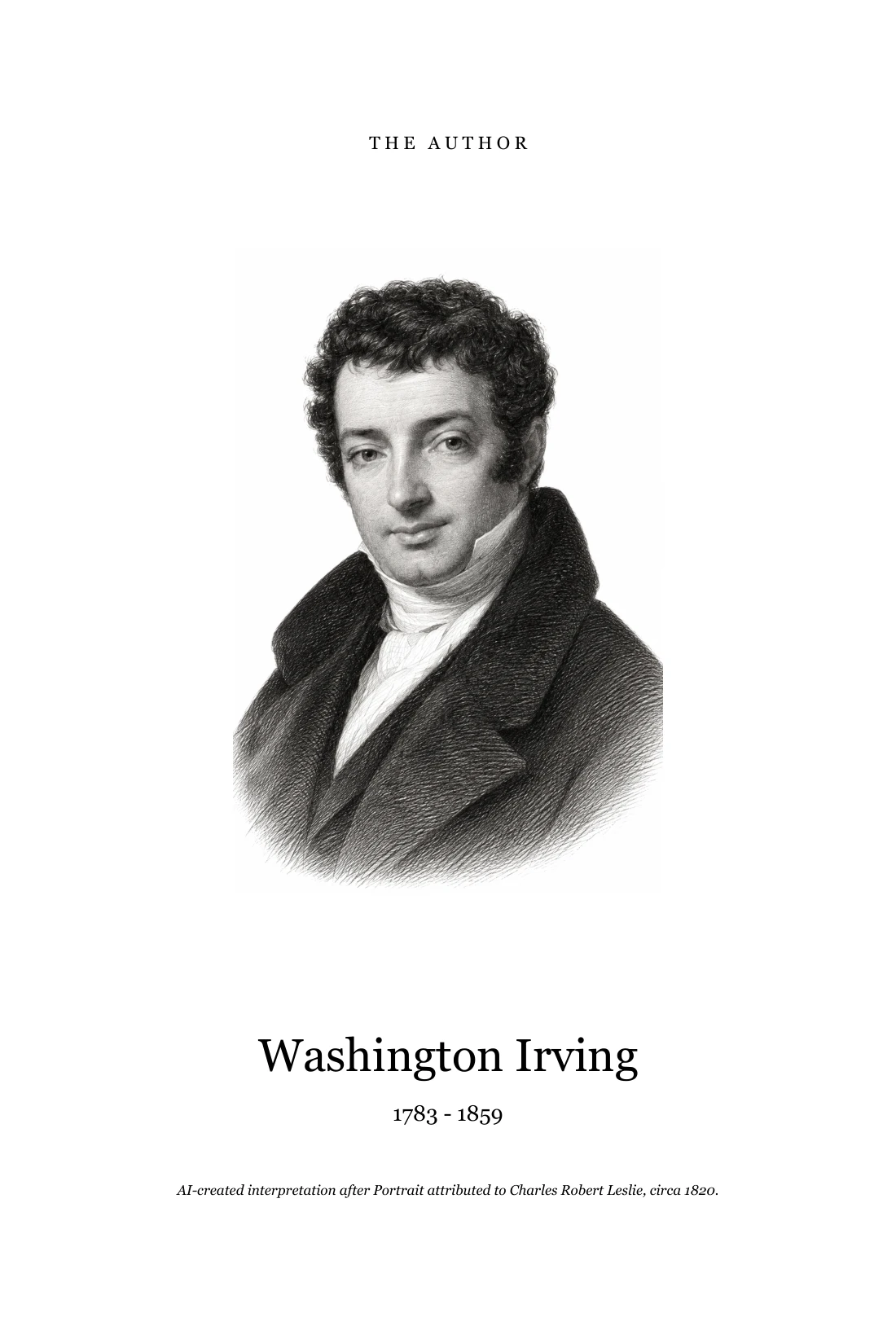
The Sketch-Book of Geoffrey Crayon
1819–20. Irving’s Sketch-Book holds “The Legend of Sleepy Hollow”, in which the lanky schoolmaster Ichabod Crane rides home from an autumn party at the Van Tassel farm through haunted woods. Read it for the feast and the fear, and for the spattered pumpkin found by the brook.
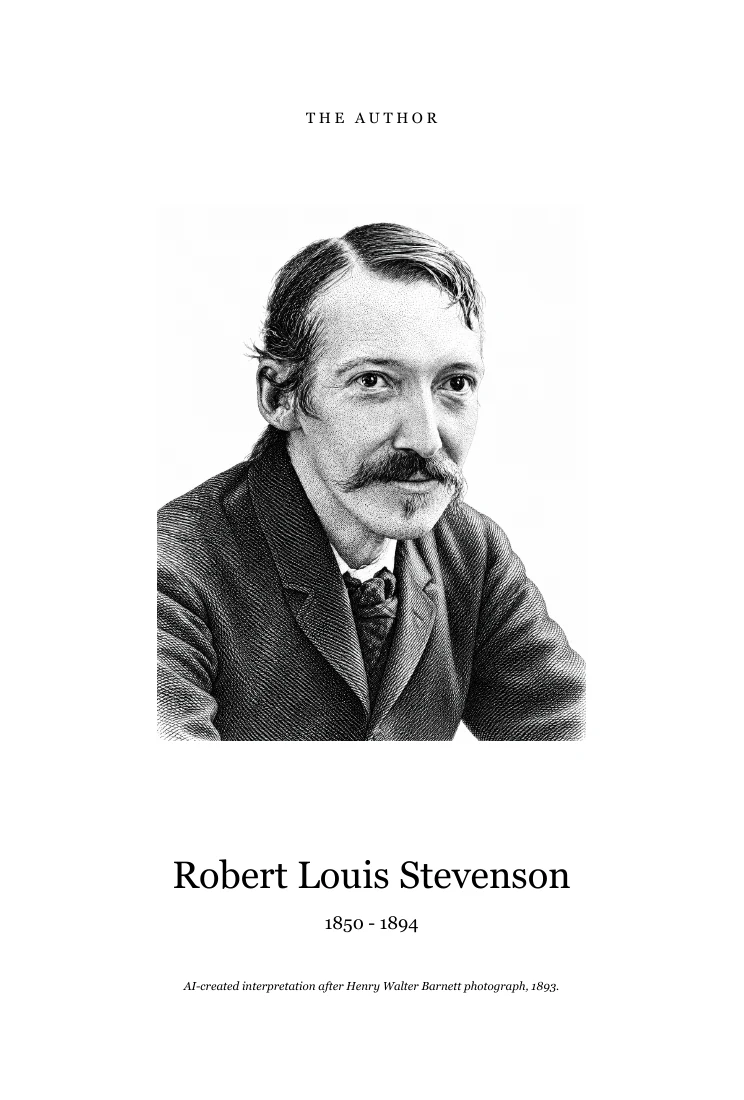
Strange Case of Dr Jekyll and Mr Hyde
1886. A thin, fog-bound mystery about a respected doctor and the brutal stranger who has the run of his house. If by some miracle you do not know the solution, keep it that way and read it cold.
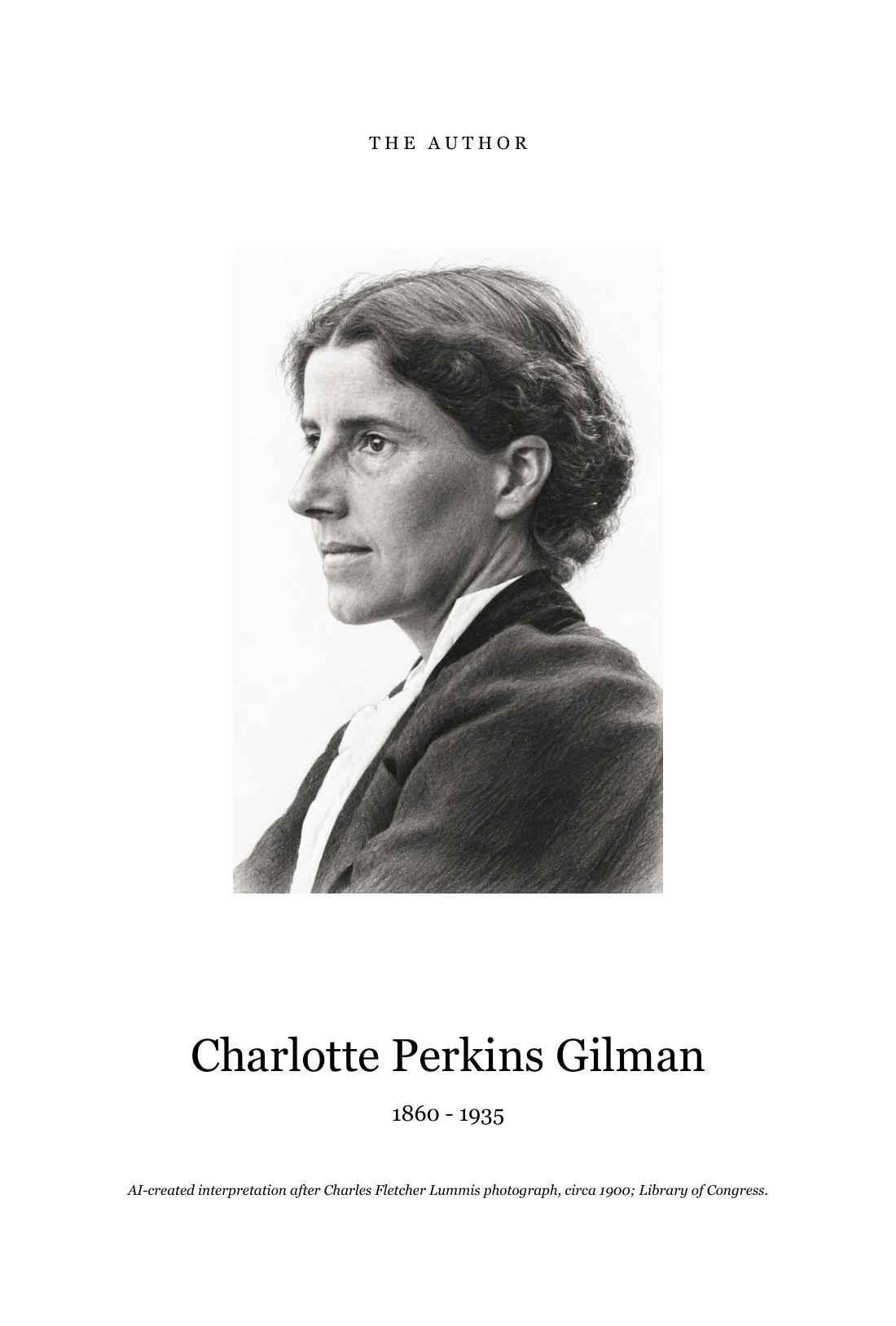
The Yellow Wallpaper
1892. Charlotte Perkins Gilman’s narrator is confined to a nursery bedroom to rest, and begins to see something moving behind the pattern on the walls. A single long story, and it gets under the skin.
The Raven
1845. Edgar Allan Poe’s midnight visitor, perched on a bust above the door. Five minutes to read aloud, and the right way to start any Halloween party.


Spooky books for a weekend
Short novels and story collections that reward a couple of dark afternoons, ideally with rain at the window.
The Turn of the Screw
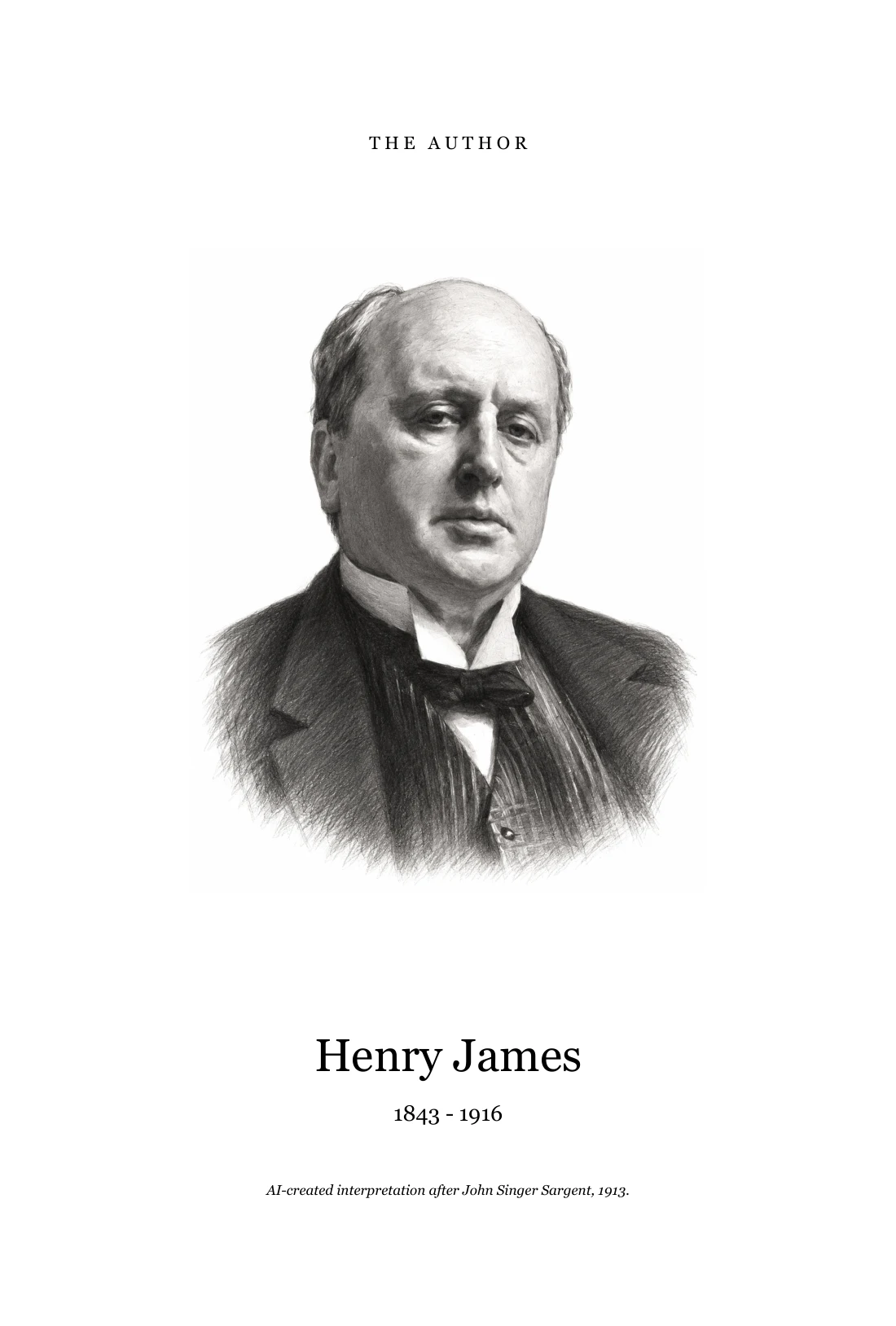
1898. A young governess, two beautiful children and a lonely country house where figures appear at the window and on the tower. Henry James never tells you whether the ghosts are real, which is why it frightens.
Ghost Stories of an Antiquary
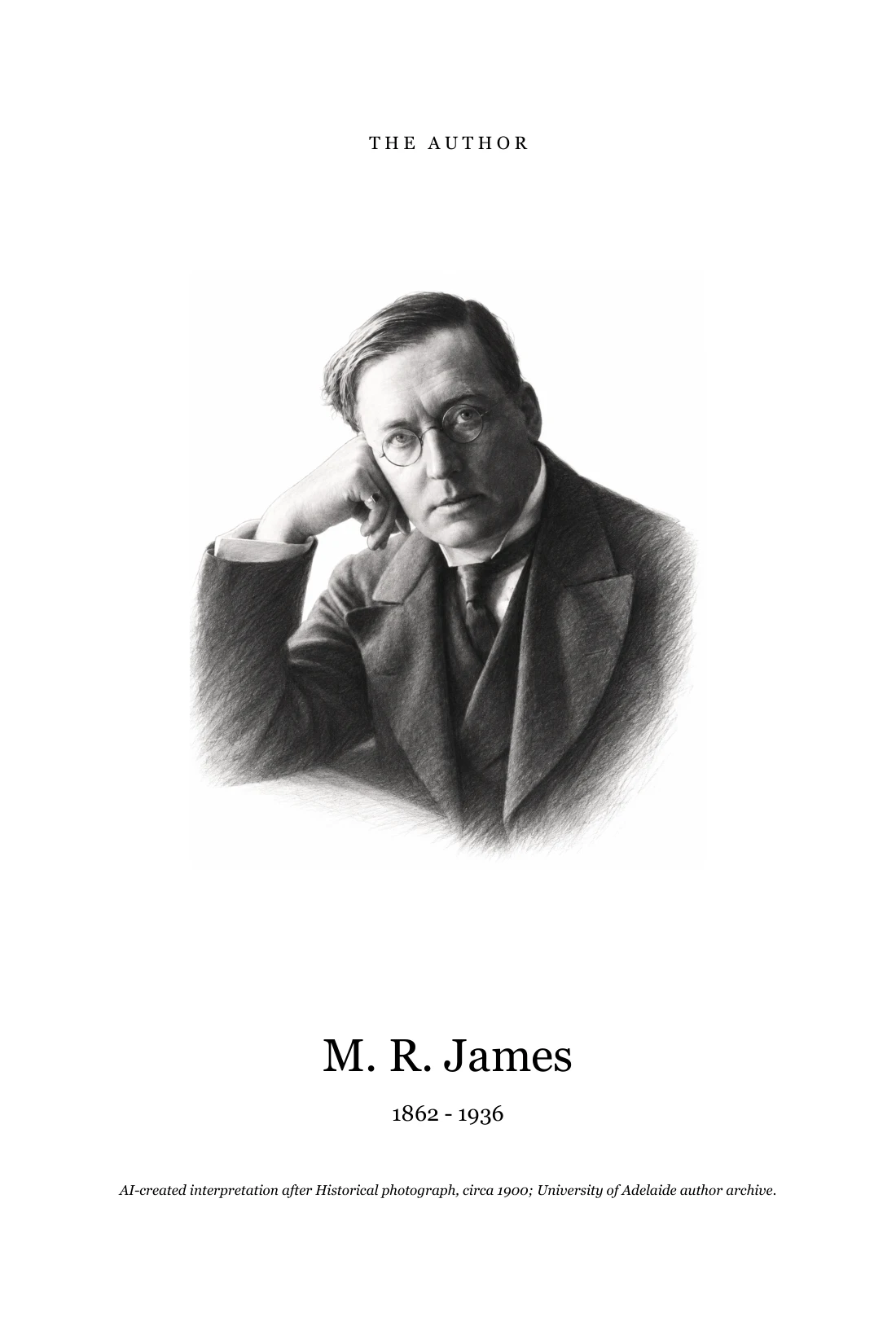
1904. M. R. James, a Cambridge scholar, first read several of these stories aloud to friends at Christmas-time. An old scrapbook in a French cathedral, a whistle picked up in the ruins of a Templar preceptory on the coast: quiet, learned, and terrifying in a sentence.
The Willows
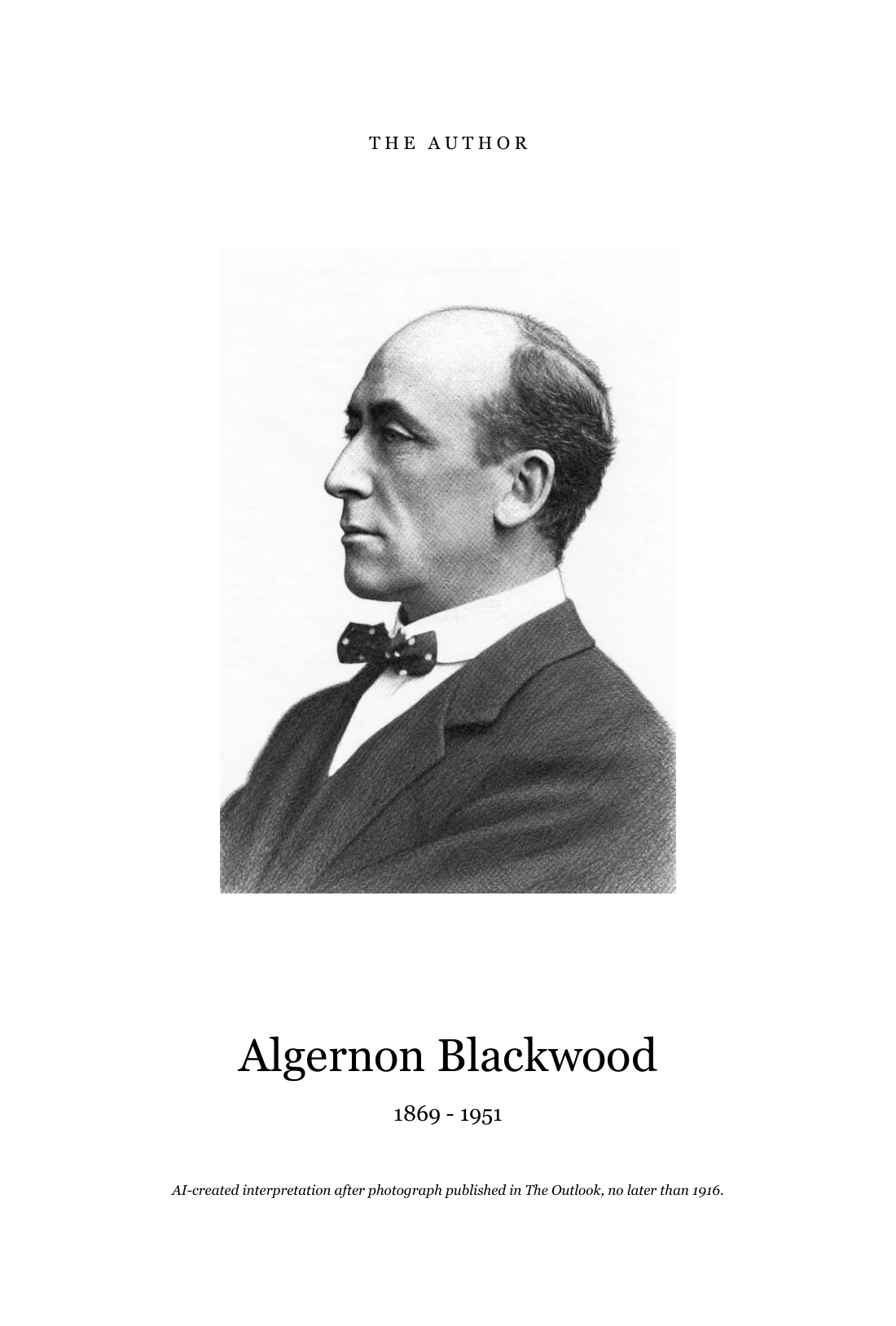
1907. Two friends canoe down the Danube and camp on an island of willows that seem to be watching them. Algernon Blackwood’s finest tale of nature turning hostile.
The Vampyre
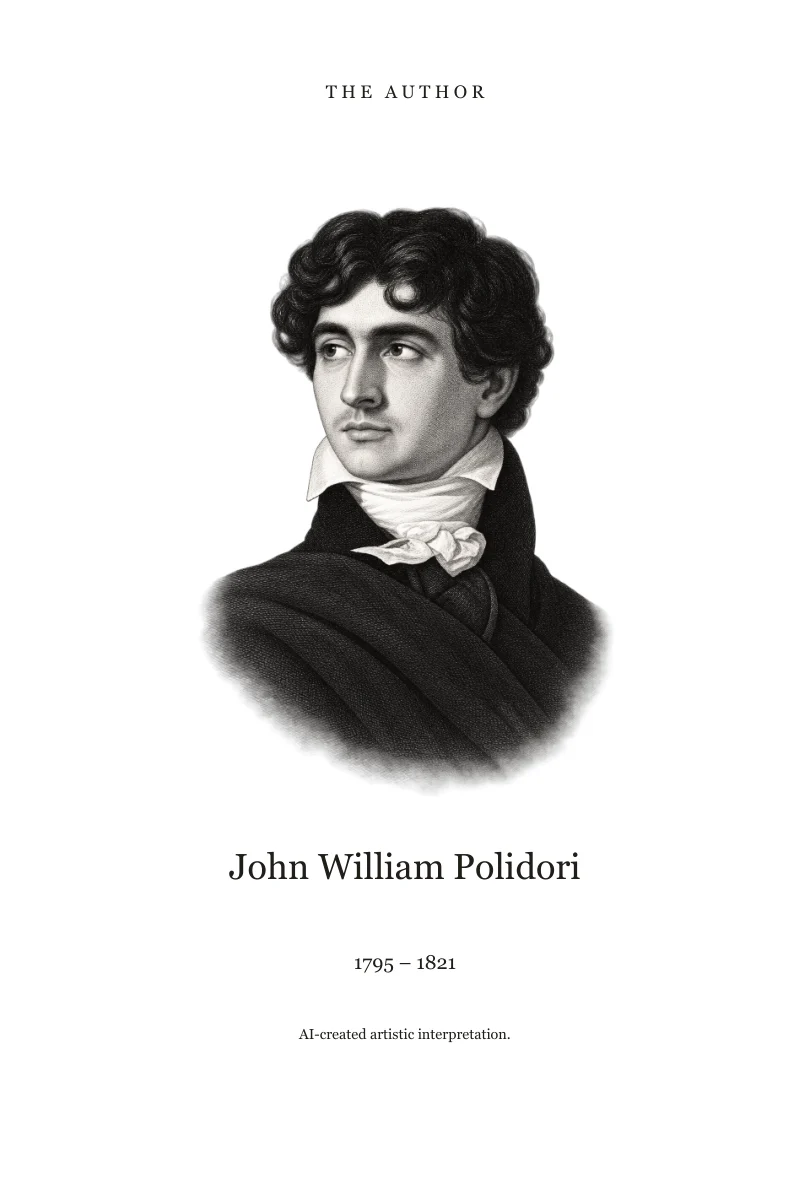
1819. John Polidori’s pale aristocrat Lord Ruthven, often called the first vampire of English prose fiction, born from the same ghost-story summer as Frankenstein.


Halloween reads for the whole of October
These two are long enough to last the month and good enough to be worth it. Read a chapter a night and you will reach the last pages close to Halloween.
- $14.99
Frankenstein
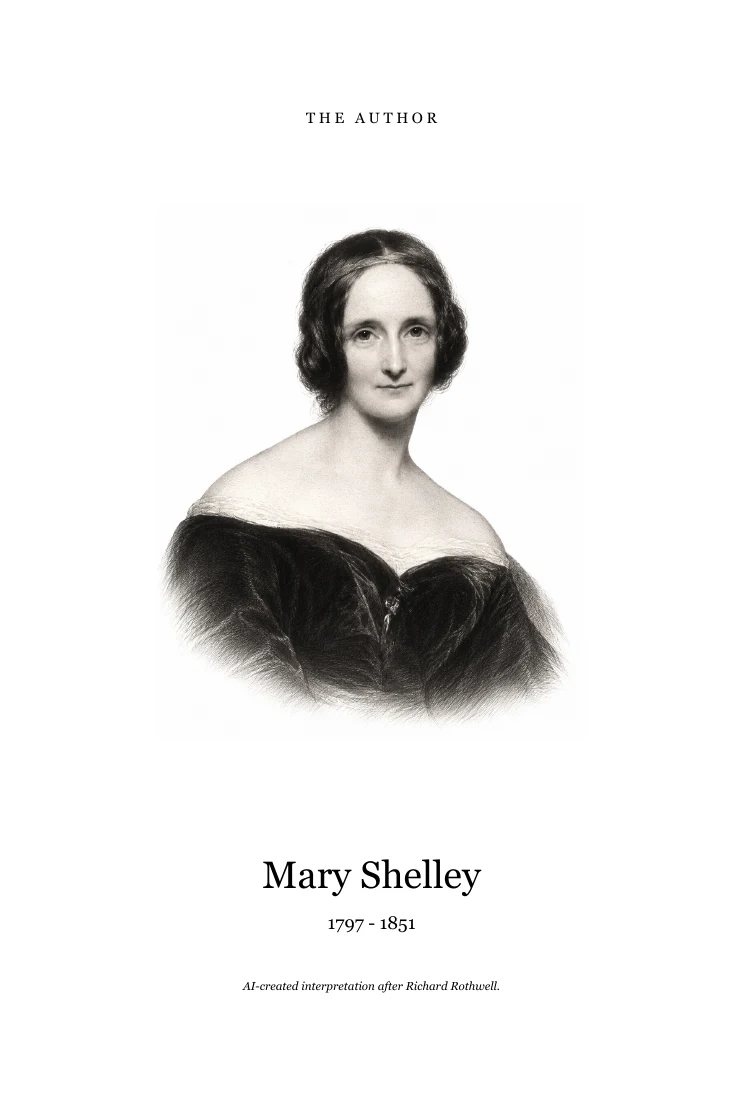
1818. Mary Shelley began it at eighteen. A young scientist builds a creature and abandons it, and the book gives the creature his own voice, eloquent and furious. Nothing like the films.
- $20.99
Dracula
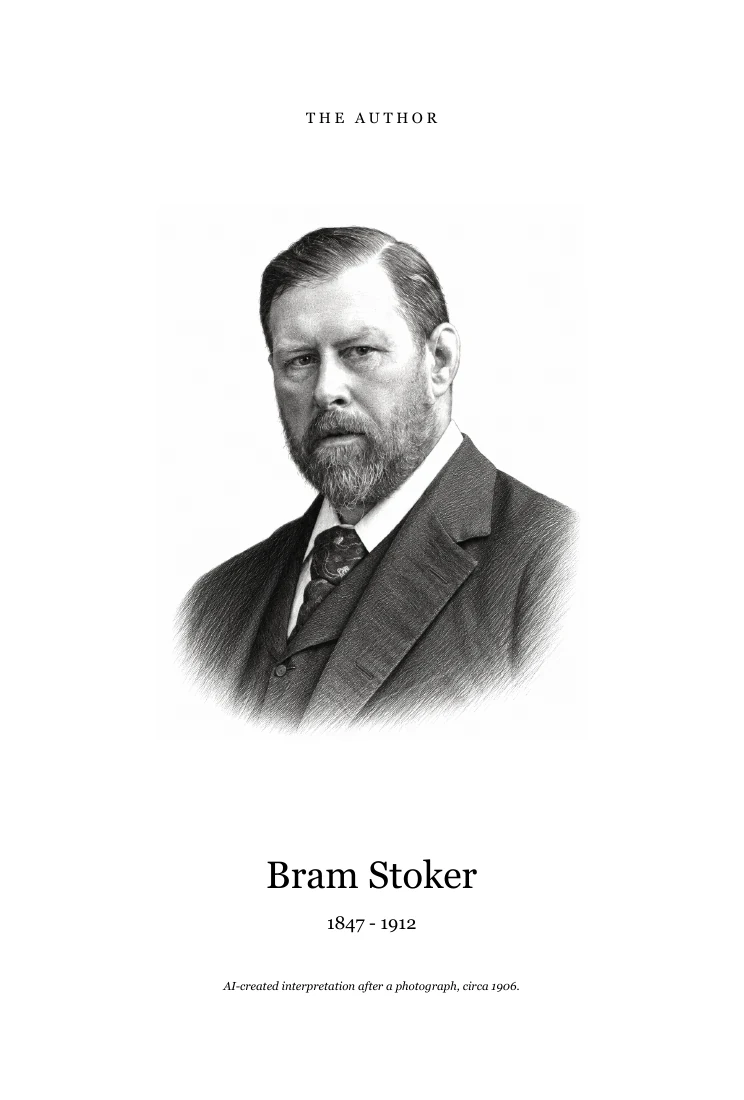
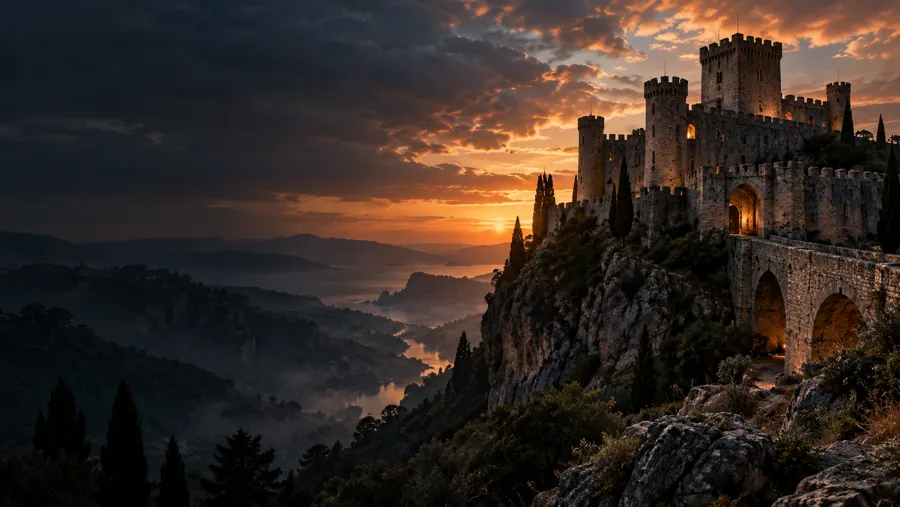
1897. A solicitor travels to a castle in Transylvania, and the count follows him home to England. Told in diaries, letters and newspaper cuttings dated from early May to November, so you can read along with the calendar.


What is the most famous Halloween story?
On the classic shelf, it is hard to beat “The Legend of Sleepy Hollow”. Irving published it in 1820, in The Sketch-Book of Geoffrey Crayon, which came out in instalments in 1819 and 1820, and set it in a sleepy Dutch valley along the Hudson where the locals tell of a Hessian trooper whose head was carried away by a cannonball and who rides out at night in search of it. It is funny as well as eerie, and Ichabod Crane, greedy, gangly and ridiculously superstitious, is one of the great comic cowards. The story behind its publication is told in Did you know The Legend of Sleepy Hollow first appeared in a book of sketches?.
Are classic ghost stories scary for modern readers?
Some are, and in a different way from modern horror. The Victorians and Edwardians rarely go for gore. They rely on suggestion: a shape glimpsed at the end of a corridor, a sound in an empty room, a narrator who does not want to tell you what he saw. That restraint means the scariest scenes happen partly in your own imagination, which is exactly where they do the most damage. Ghost stories were once more a Christmas tradition than an October one, as we explain in Did you know ghost stories were once a Christmas tradition?, but they work just as well when the clocks go back.
For something stronger, go on to Classic horror novels that still frighten or browse the whole Gothic shelf. Then put out the lights, keep one lamp on, and open The Sketch-Book of Geoffrey Crayon at Sleepy Hollow. Ichabod’s ride home begins at “the very witching time of night”.
Questions readers ask
What are the best classic Halloween books?
The Legend of Sleepy Hollow, Strange Case of Dr Jekyll and Mr Hyde, The Turn of the Screw, M. R. James’s Ghost Stories of an Antiquary, Frankenstein and Dracula are all ideal, from one-evening reads to month-long ones.
Is The Legend of Sleepy Hollow set at Halloween?
Not by name, but it is set in the heart of autumn, on a fine autumnal day of harvest abundance, with apples, corn and pumpkins in the fields and a pumpkin at the scene of Ichabod’s disappearance.
What is a short scary classic I can read in one night?
Try Strange Case of Dr Jekyll and Mr Hyde, The Yellow Wallpaper or The Legend of Sleepy Hollow. Each can be read comfortably in an evening.