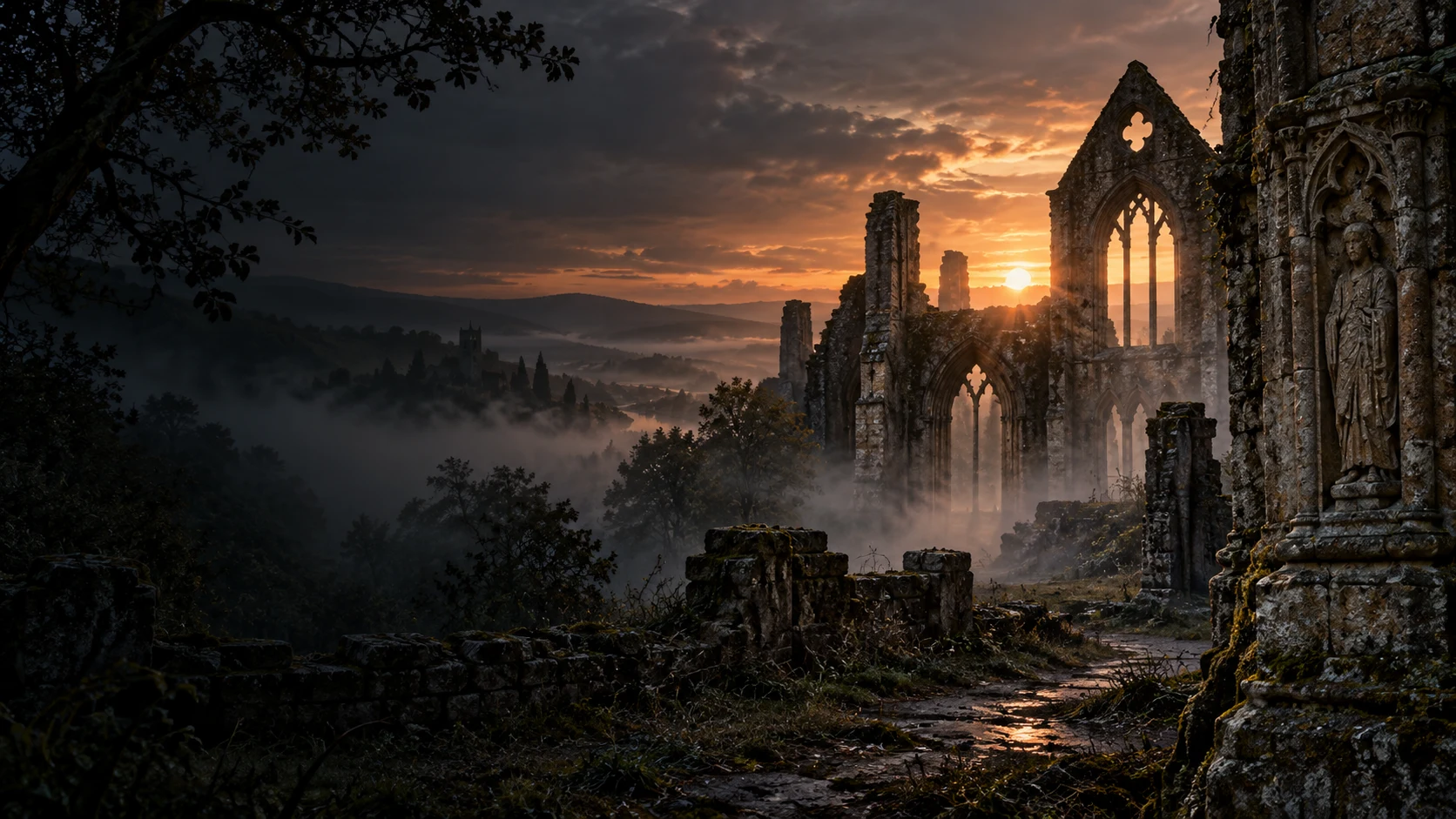
The Christmas ghost story tradition is older than Christmas trees in British homes. Winter tales of spirits and strange happenings were told on long dark evenings for centuries, and Shakespeare could rely on his audience knowing the custom. In The Winter’s Tale, a small boy asked for a story offers exactly that:
A sad tale’s best for winter. I have one / Of sprites and goblins.
William Shakespeare, The Winter’s Tale
It was the Victorians who turned the custom into a publishing season. Families gathered by the fire, magazines produced special Christmas issues, and readers came to expect at least one good haunting with their mince pies.
Why are ghost stories told at Christmas?
Partly because of the dark. Christmas falls just after the longest night of the year, when people have always gathered indoors and talked late, and a fireside and a closed curtain make the perfect setting for a story that makes you glance at the window. Partly, too, because the season has long been bound up with the turning of the year, memory and the dead, the people missing from the table.
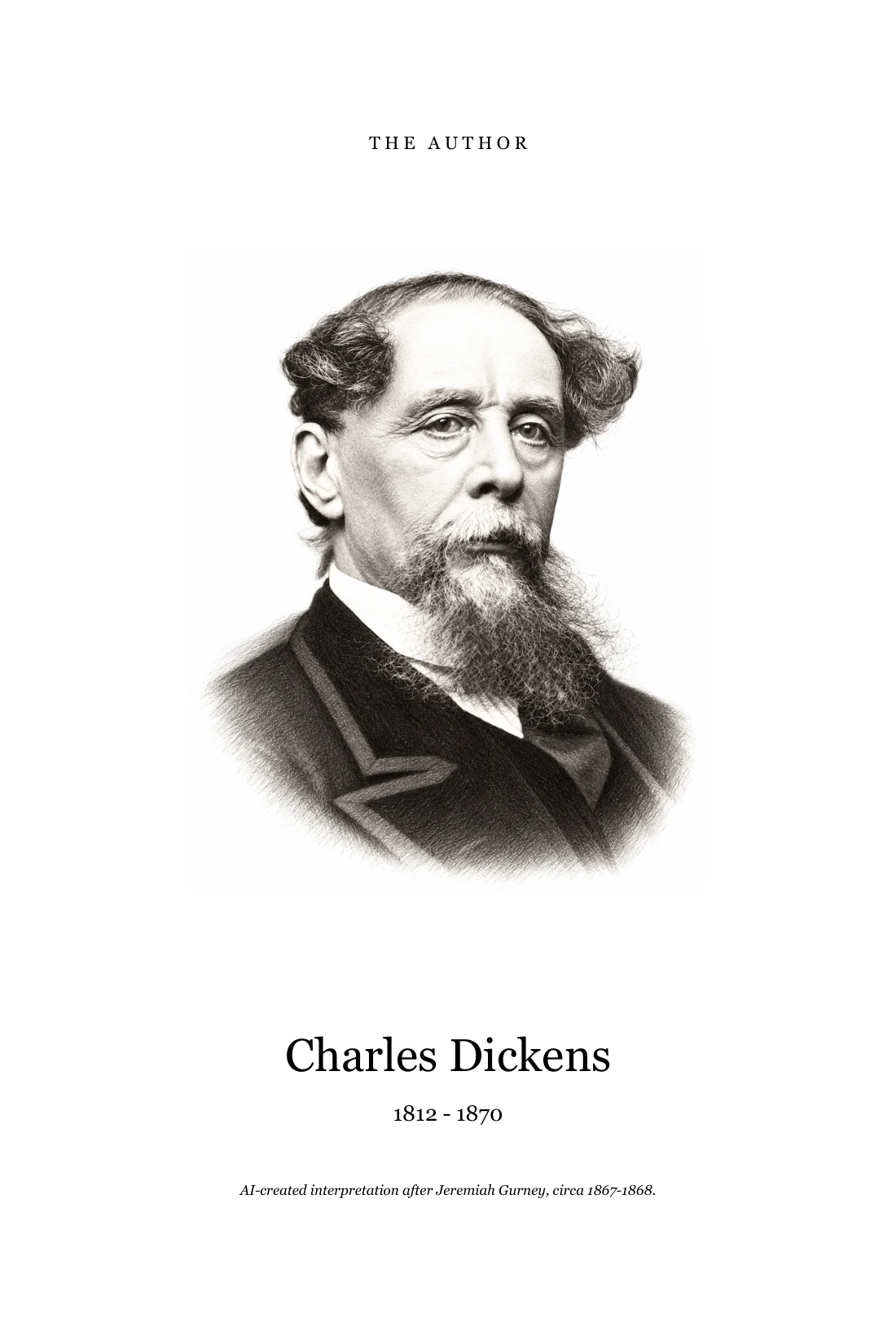
And partly because of one book. When Charles Dickens published A Christmas Carol in 1843, its subtitle was Being a Ghost Story of Christmas. It was so successful that the link between Christmas and ghosts was sealed for the rest of the century. Read the story of how it was written in Did you know Dickens wrote A Christmas Carol in six weeks?
Dickens and the Victorian Christmas number
Dickens kept the tradition going as an editor. His magazines Household Words and All the Year Round published special Christmas numbers, and he filled them with stories by himself and his friends, many of them supernatural. Elizabeth Gaskell’s “The Old Nurse’s Story” first appeared in one; so did Dickens’s own “The Signal-Man”, still one of the finest ghost stories in English. Other magazines soon followed suit, and a Christmas without a new ghost story came to feel incomplete.
M. R. James and the ghost story at Christmas
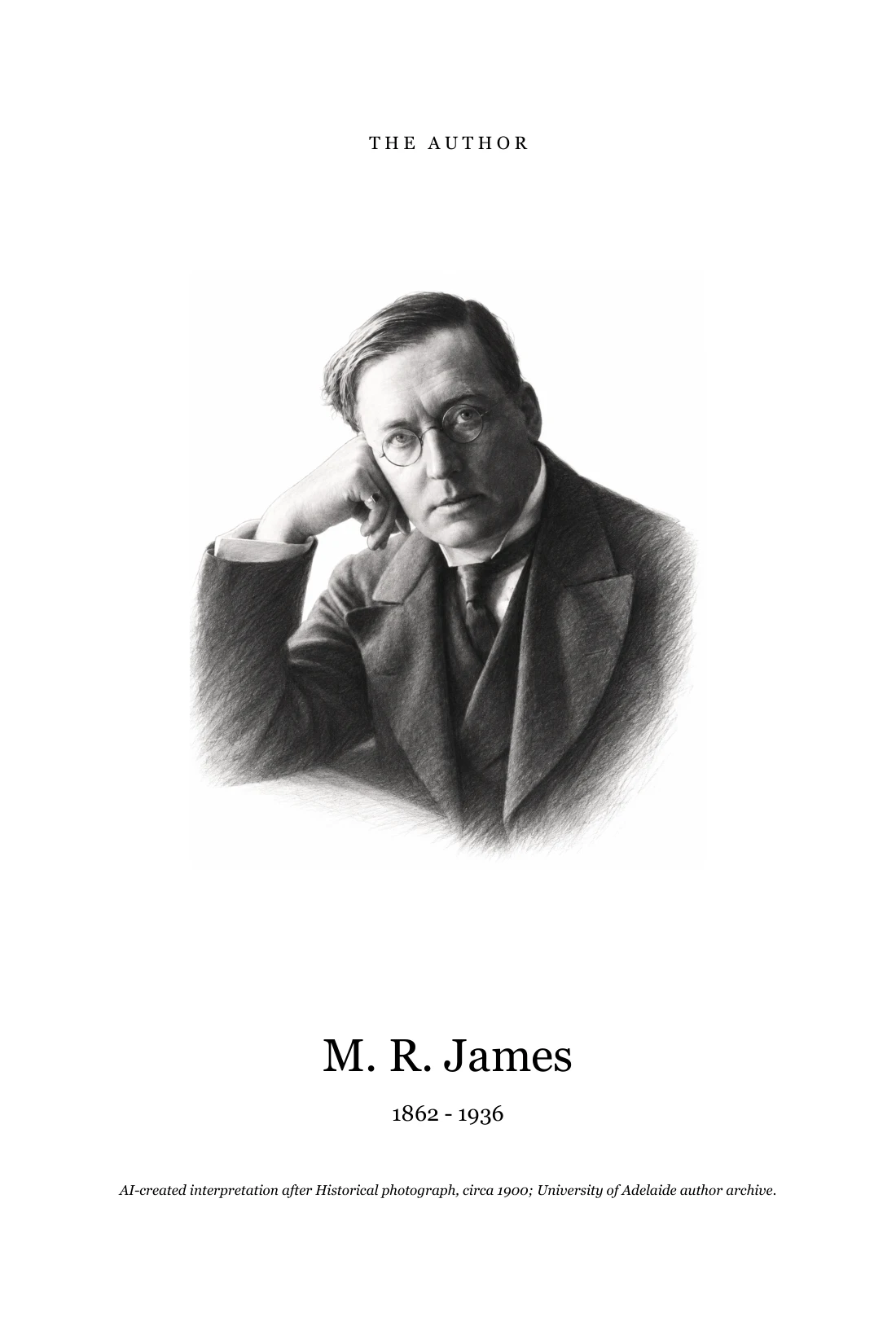
The tradition’s greatest master was a Cambridge scholar. M. R. James, an expert on medieval manuscripts and later Provost of King’s College, wrote ghost stories to read aloud to friends and students, and his readings became associated with Christmas at King’s. His tales of scholars, old churches and objects that should never have been dug up were collected in Ghost Stories of an Antiquary in 1904, and they remain the benchmark for the form.
James was modest about his aims. In the preface to that first collection, he said he would be content if the stories caused readers
to feel pleasantly uncomfortable when walking along a solitary road at nightfall, or sitting over a dying fire in the small hours
M. R. James, preface to Ghost Stories of an Antiquary (1904)
His stories found a new Christmas audience in the 1970s, when the BBC began adapting them for its A Ghost Story for Christmas broadcasts, a custom revived many times since.
Ghost Stories of an Antiquary
1904. James’s first collection, including “Oh, Whistle, and I’ll Come to You, My Lad” and “Count Magnus”. The place to start for any ghost-story lover.
A Thin Ghost and Others
1919. A slimmer, later collection of James’s tales, as quietly dreadful as the first.
A Christmas Carol
1843. Scrooge, Marley and the three spirits. The book that tied ghosts to Christmas for good, and a single evening’s read.
Three Ghost Stories
Three of Dickens’s shorter supernatural tales, among them “The Signal-Man”. Ideal for reading aloud one at a time.


How to keep the tradition going
Choose a short story, turn the lights down and read it aloud. M. R. James’s tales take twenty minutes or so each and were written to be heard. Dickens’s shorter ghost stories work the same way, and A Christmas Carol can be shared over a few nights before Christmas. For something longer and stranger, Henry James’s The Turn of the Screw begins with guests telling ghost stories round the fire on Christmas Eve; we tell its story in Did you know The Turn of the Screw is a Christmas Eve ghost story?.
If you prefer your Christmas ghosts with a moral, try Dickens’s The Haunted Man, and find all five of his seasonal books in Did you know A Christmas Carol was the first of five Christmas books by Dickens?.
The form carried on well into the twentieth century. Edith Wharton’s Tales of Men and Ghosts and Algernon Blackwood’s The Empty House and Other Ghost Stories are fine company for a winter evening, and for a broad sampling of authors in one volume, try the anthology Twenty-Five Ghost Stories.
This year, pick one evening near Christmas, pour something warm and open Ghost Stories of an Antiquary. Just don’t read it alone on a solitary road.
Three more ways to spend a haunted Christmas evening
The tradition extends beyond the most familiar James and Dickens collections. These books offer uncanny encounters, reported family legends and the suspense of a Christmas gathering. Their different forms matter: a volume of legends is not the same reading experience as a single continuous tale.
Tales for Christmas Eve
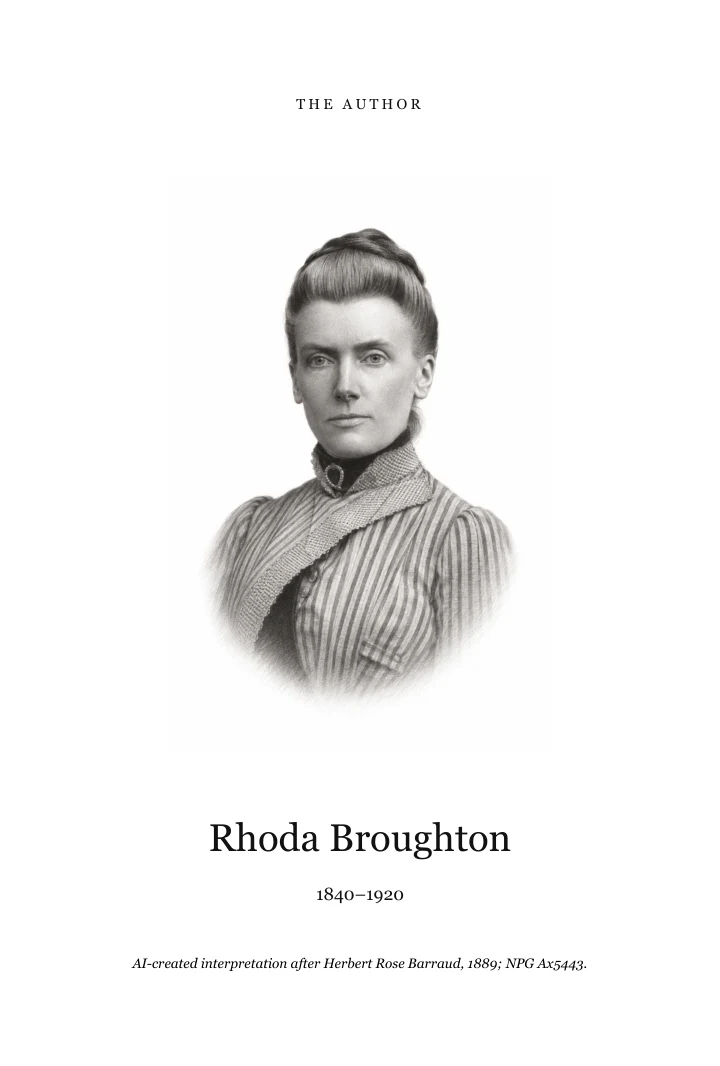
Tales for Christmas Eve gathers five Rhoda Broughton tales of unsettling dreams, encounters and suspense. Choose it when you want shorter pieces and a more disturbing evening than a reassuring holiday conversion story.
Ghosts and Family Legends: A Volume for Christmas
Ghosts and Family Legends gathers Catherine Crowe’s accounts of apparitions and family memories. The interest lies partly in the uncertain space between belief and doubt; it should not be treated as verification that supernatural events occurred.
The Abbot's Ghost
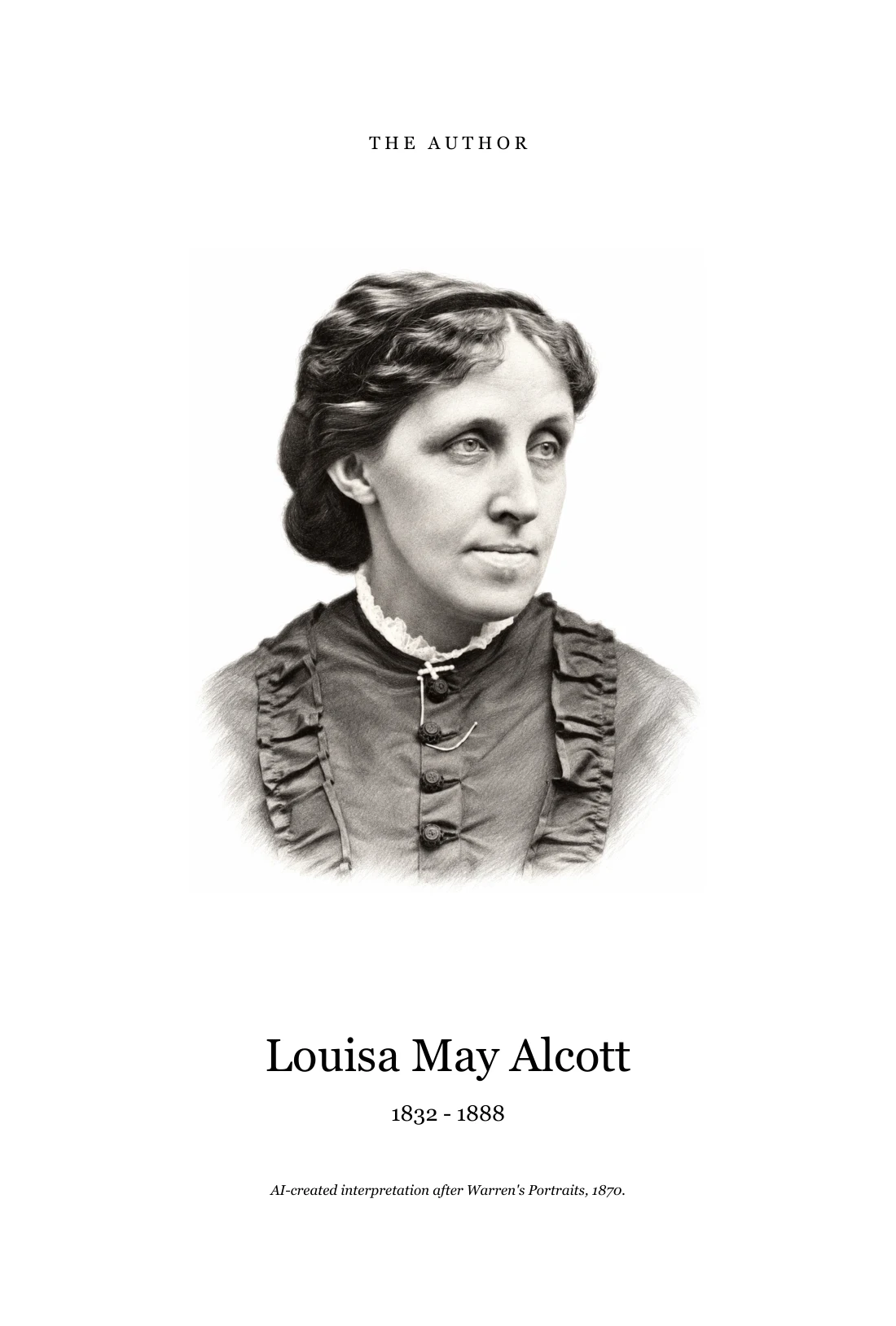
The Abbot’s Ghost puts a Christmas gathering at the center of Alcott’s suspenseful tale of concealed feelings and temptation. It offers a striking change of mood for readers who mainly know her domestic fiction.
The Ghost
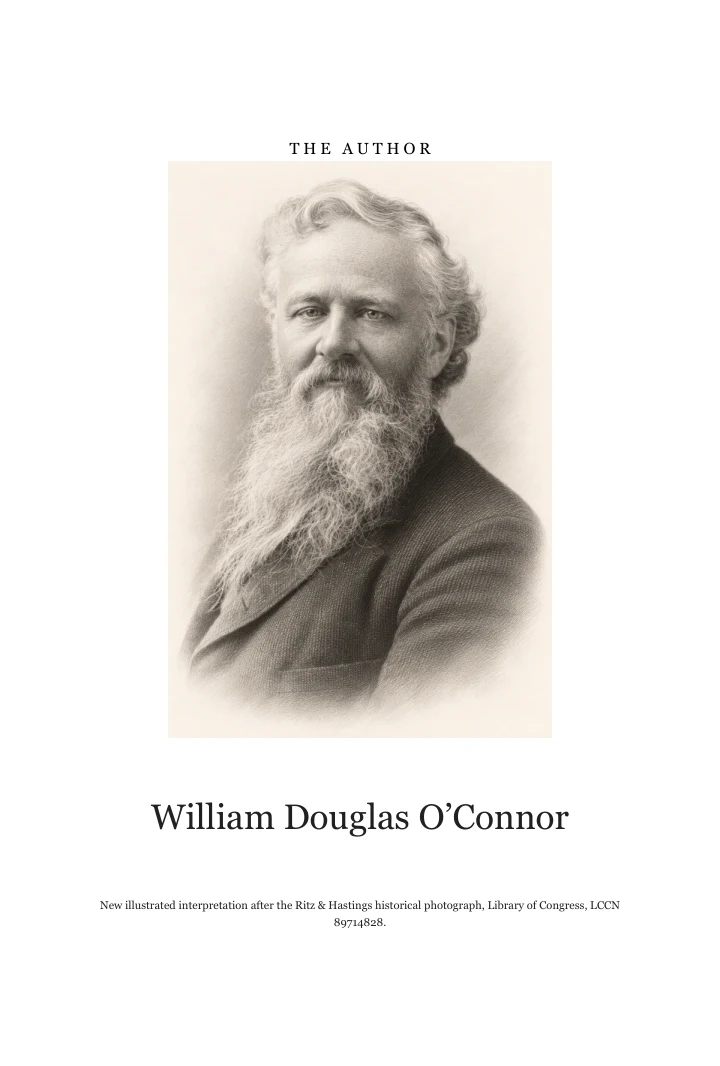
The Ghost brings a Christmas visitation behind respectable Beacon Hill doors. William Douglas O’Connor combines sympathy and supernatural mystery in a Boston household, broadening the shelf beyond the English country-house setting.


For a gentler change of register after an uncanny evening, try our short Christmas reading list. Readers interested in the customs surrounding seasonal gatherings can explore Christmas folklore and history.
Other ways to make a Christmas gathering tense
Questions readers ask
Why are ghost stories a Christmas tradition?
Telling tales on long winter nights is an old custom, and the Victorians made it a Christmas institution, helped by the success of Dickens’s A Christmas Carol (1843) and the special Christmas issues of magazines, which often featured ghost stories.
What are the best Christmas ghost stories?
Classic choices include Dickens’s A Christmas Carol and “The Signal-Man”, M. R. James’s Ghost Stories of an Antiquary, and Henry James’s The Turn of the Screw, which opens on Christmas Eve.
Did M. R. James write his ghost stories for Christmas?
Many of them were first read aloud by James to friends and students, and those readings became associated with Christmas at King’s College, Cambridge.