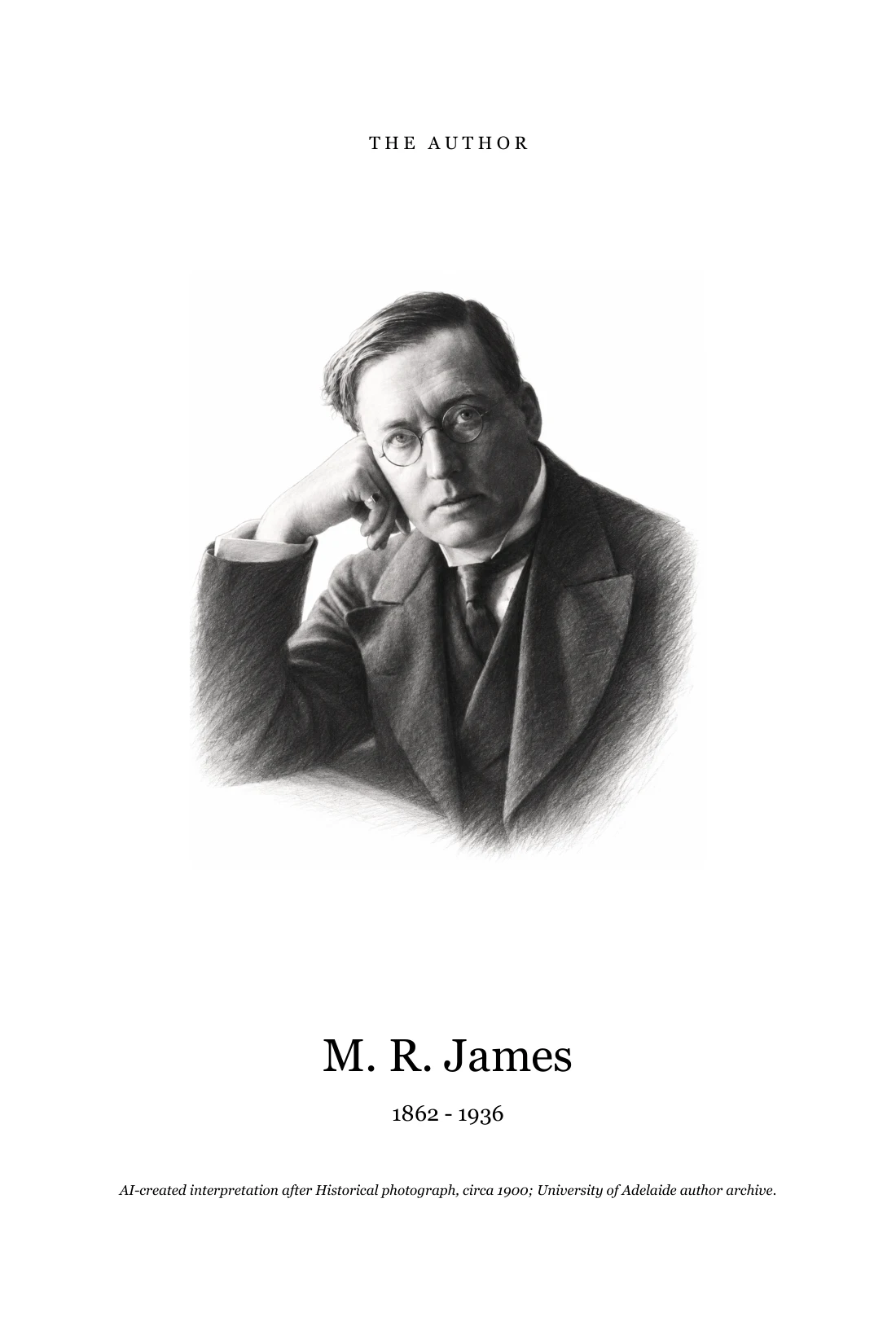
Through the 1890s, at King’s College, Cambridge, a young don who studied medieval manuscripts had a Christmas habit: he wrote a ghost story and read it aloud to his friends. M. R. James did this for years before he gathered the stories into a book, and the book that came of it is dedicated “to all those who at various times have listened to them.”
That book, Ghost Stories of an Antiquary (1904), is the place to start with classic ghost stories, and it is the first of five collections below. Each one has a distinct flavour of fear: scholarly, cosmic, psychological, domestic and frankly pulpy. Pick by mood.
Five classic ghost story collections
Ghost Stories of an Antiquary
1904. Eight stories of scholars and antiquaries who find something they should not have: a scrap-book in a French cathedral town, a cursed ash-tree, a whistle dug up on the Suffolk coast. James is dry, exact and genuinely frightening.
The Empty House and Other Ghost Stories
1906. Blackwood’s first collection: a house in a seaside-town square with a dreadful reputation, an island in a Canadian lake, and an Edinburgh student cramming late into the night. Less about ghosts than about the feeling that the world is larger and stranger than we think.
Tales of Men and Ghosts
1910. Ten stories, among them two of her finest ghost stories, “The Eyes” and “Afterward”. Wharton’s ghosts are rarely seen; they live in guilt, silence and marriages that look perfectly respectable.
The Wind in the Rose-Bush, and Other Stories of the Supernatural
1903. Six New England stories in which plain kitchens, spare bedrooms and vacant lots turn quietly terrible. “Luella Miller”, about a woman with an evil name in her village, is a small masterpiece.
Twenty-Five Ghost Stories
1904. An American anthology of twenty-five tales, from Poe’s “The Black Cat” and two by Maupassant to anonymous yarns about phantom toes and misfit ghosts. Uneven, cheerful and great fun by firelight.


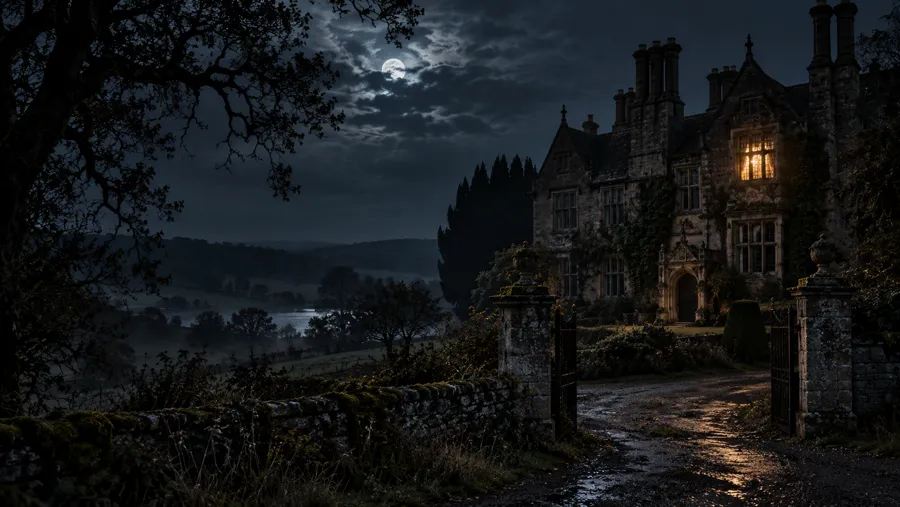
M. R. James: the master of the classic ghost story
James was a formidable medievalist, later Provost of King’s and then of Eton, and his ghosts come out of libraries, church records and things dug from the ground. In the book’s short preface he admits that the scholarly references scattered through the stories are almost all “pure invention”, and that several of them “were read to friends at Christmas-time at King’s College, Cambridge”. He also confesses that he had Felixstowe in mind for the windswept seaside resort of “Oh, Whistle, and I’ll Come to You, My Lad”.
If you finish it and want more, his third collection, A Thin Ghost and Others (1919), is just as good, and shorter. The custom James belonged to is explored in Did you know ghost stories were once a Christmas tradition?
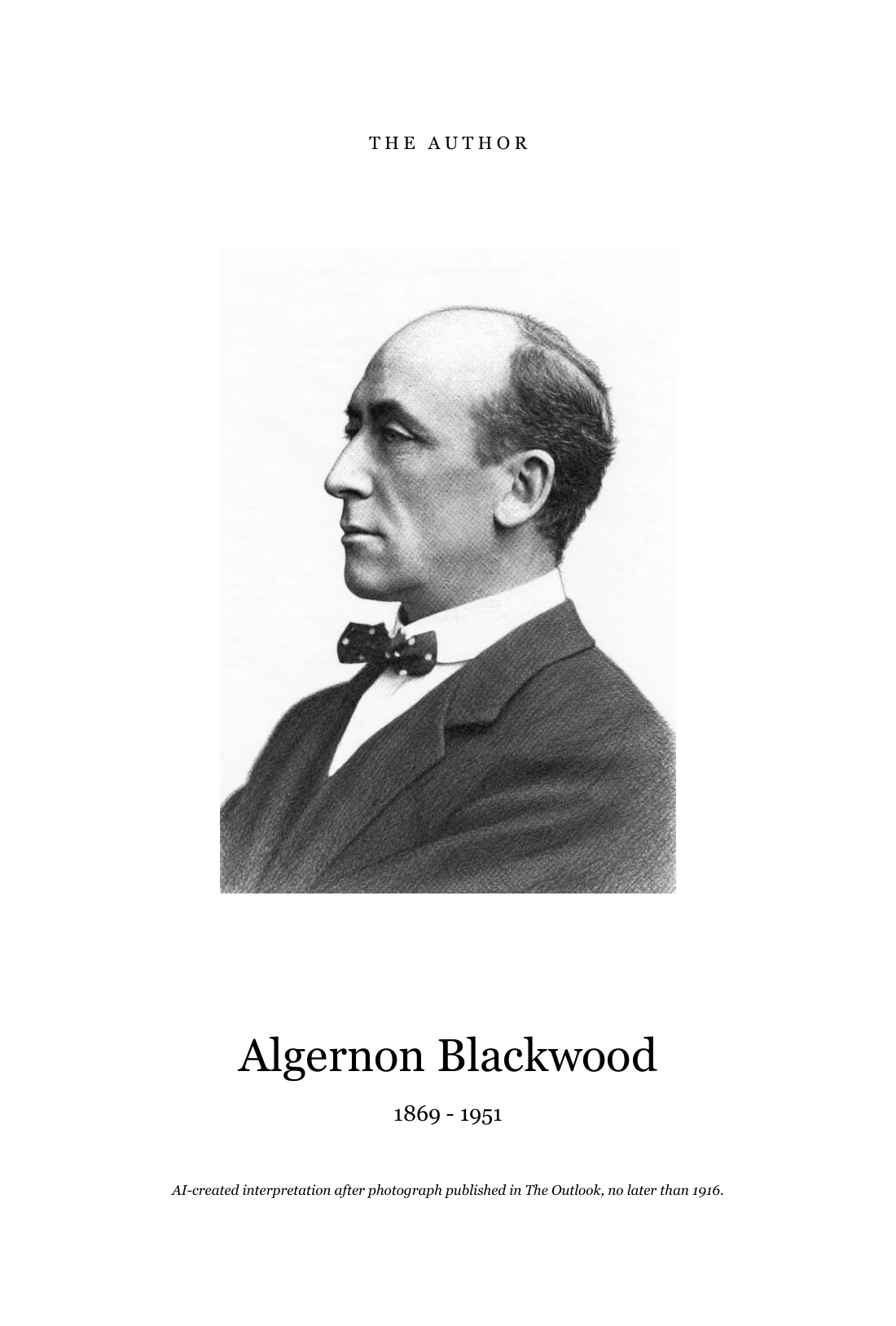
Algernon Blackwood and the haunted house
“Certain houses, like certain persons, manage somehow to proclaim at once their character for evil.”
Algernon Blackwood, “The Empty House” (1906)
That opening line sets out Blackwood’s whole method: the dread arrives before anything happens. Algernon Blackwood had worked as a farmer in Canada and a reporter in New York before he wrote these stories, and the wilderness he knew turns up in them. His later novellas, including “The Willows”, went further into cosmic horror; we cover them in Algernon Blackwood’s ghost stories.
The American ghost story: Wharton and Freeman
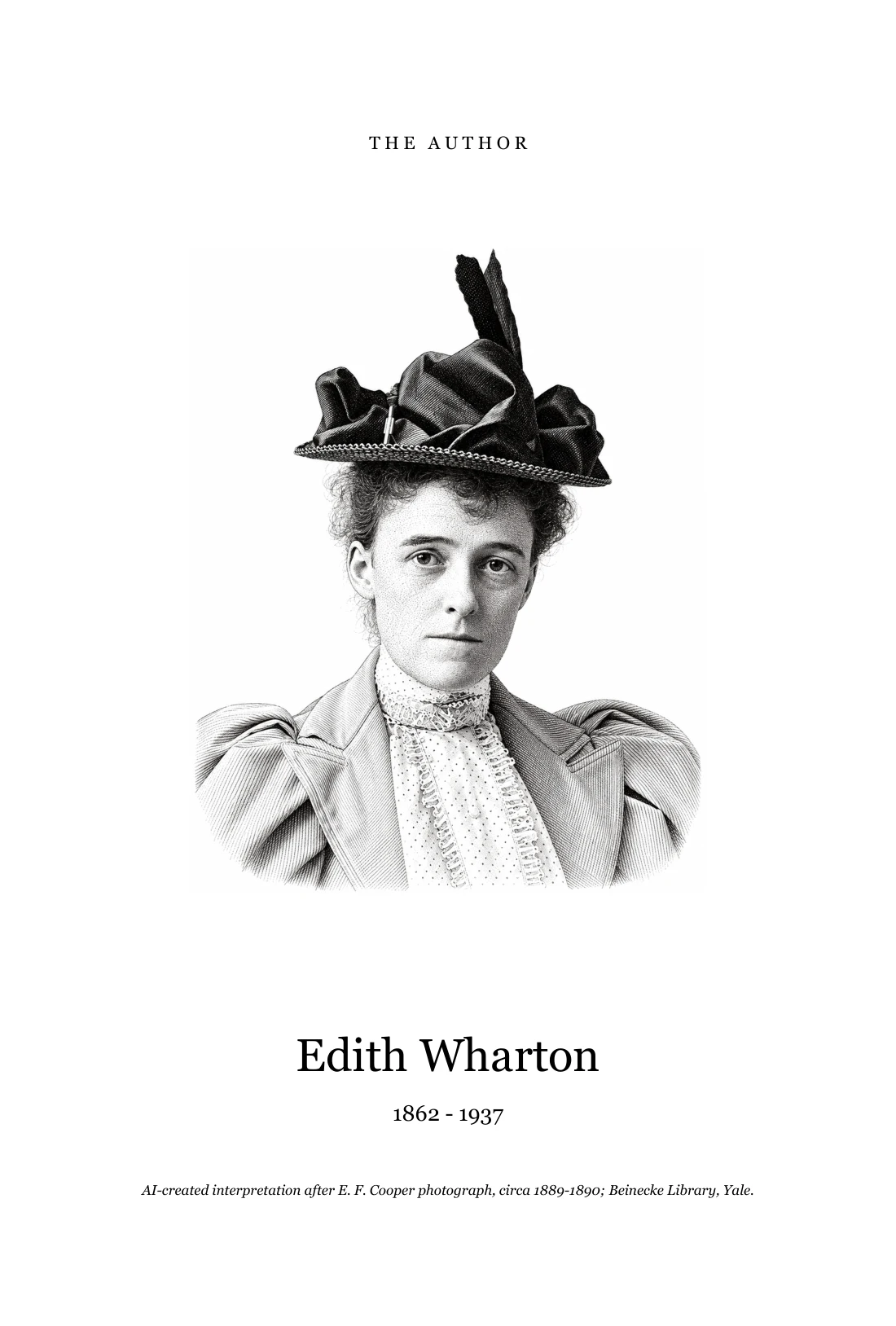
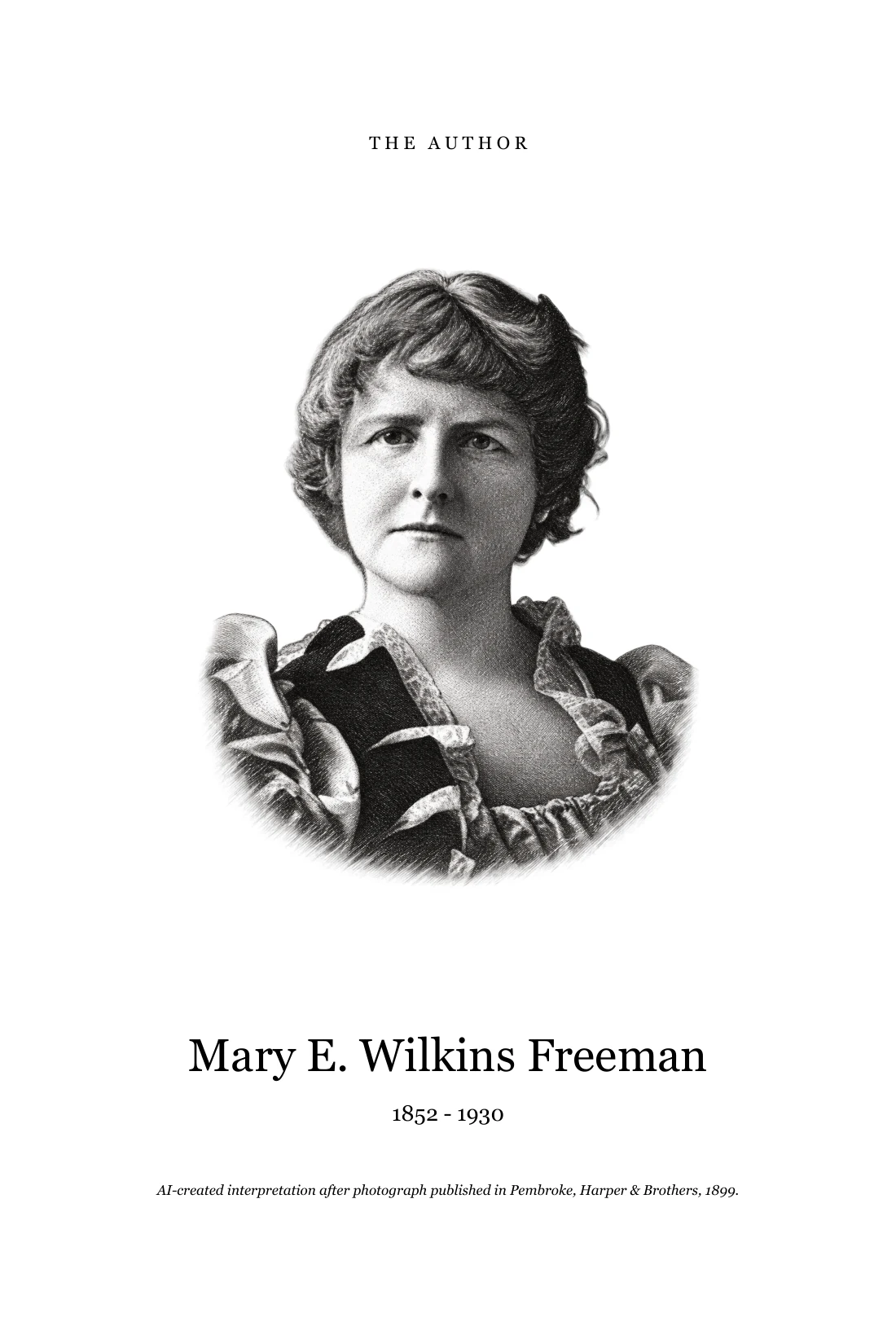
Two of the finest American ghost writers were women writing about the houses they knew. Mary E. Wilkins Freeman was already famous for realistic stories of New England villages when she turned to the supernatural, and she kept the realism: in her stories the ghost is one more thing the household must put up with. Edith Wharton wrote about wealth and propriety, and her ghosts are the price of both.
Neither writer depends on a shock ending, which makes them ideal for readers who find ghost stories either too gory or too silly. Wharton’s Tales of Men and Ghosts also mixes in non-supernatural stories, so it doubles as a sampler of her short fiction; see Where to start with Edith Wharton.
An anthology for the whole family
Twenty-Five Ghost Stories was compiled in New York in 1904 by W. Bob Holland, who says in his preface that he had loved tales of “spooks, haunted houses, wraiths and specters” since childhood. He also notes, with an editor’s timing, that there had “recently been a revival in interest in ghost stories”. He was right: James and Freeman were publishing in the same years. Pair it with Dickens’s Three Ghost Stories, whose “The Signal-Man” is among the best ghost stories ever written.
Which ghost story collection should you start with?
- For pure fear: Ghost Stories of an Antiquary.
- For atmosphere and wilderness: The Empty House.
- For psychological ghosts: Tales of Men and Ghosts.
- For quiet domestic horror: The Wind in the Rose-Bush.
- For a mixed bag to read aloud: Twenty-Five Ghost Stories.
For the broader history, read The golden age of the ghost story, and for longer chills see the best classic horror novels. But on a dark evening, begin with James. Open Ghost Stories of an Antiquary at “Oh, Whistle, and I’ll Come to You, My Lad”, and do not read it in a room with a spare bed.
Questions readers ask
What are the best classic ghost story collections?
M. R. James’s Ghost Stories of an Antiquary is usually ranked first. Algernon Blackwood’s The Empty House, Edith Wharton’s Tales of Men and Ghosts and Mary E. Wilkins Freeman’s The Wind in the Rose-Bush are also outstanding.
Who wrote the best Victorian and Edwardian ghost stories?
M. R. James is widely regarded as the master of the English ghost story. Charles Dickens, Sheridan Le Fanu, Algernon Blackwood and Edith Wharton are among the other great names.
Why are ghost stories told at Christmas?
Telling ghost stories on long winter nights is an old custom, and in Victorian Britain it became tied to Christmas, when magazines printed special Christmas numbers full of them; Dickens’s “The Signal-Man” first appeared in one. M. R. James first read his stories to friends at Christmas.