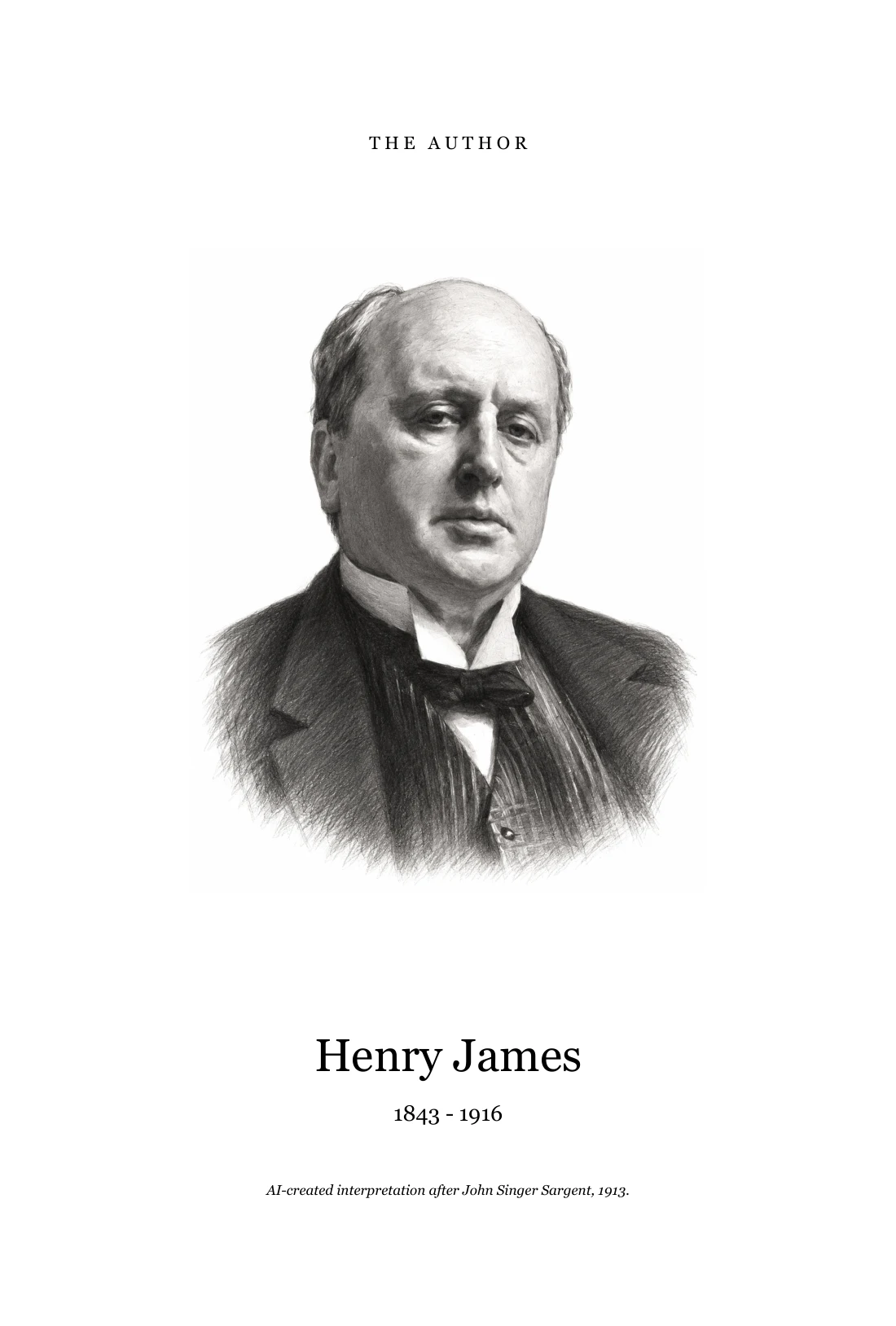
Before it was a title, “another turn of the screw” was a throwaway remark at a house party. Henry James gives it to a guest called Douglas, on Christmas Eve, as the company sits round the fire swapping ghost stories, and the whole novella unwinds from it.
The seed had been planted three years before the book appeared. On 12 January 1895 James wrote down in his notebook a ghost story he had been told by the Archbishop of Canterbury, Edward White Benson. It was only a sketch, but its outline was close to the story he would eventually write. When he finally used it, he did something characteristic: he did not simply tell the story but staged its telling, on the one night of the year when English readers expected to be frightened.
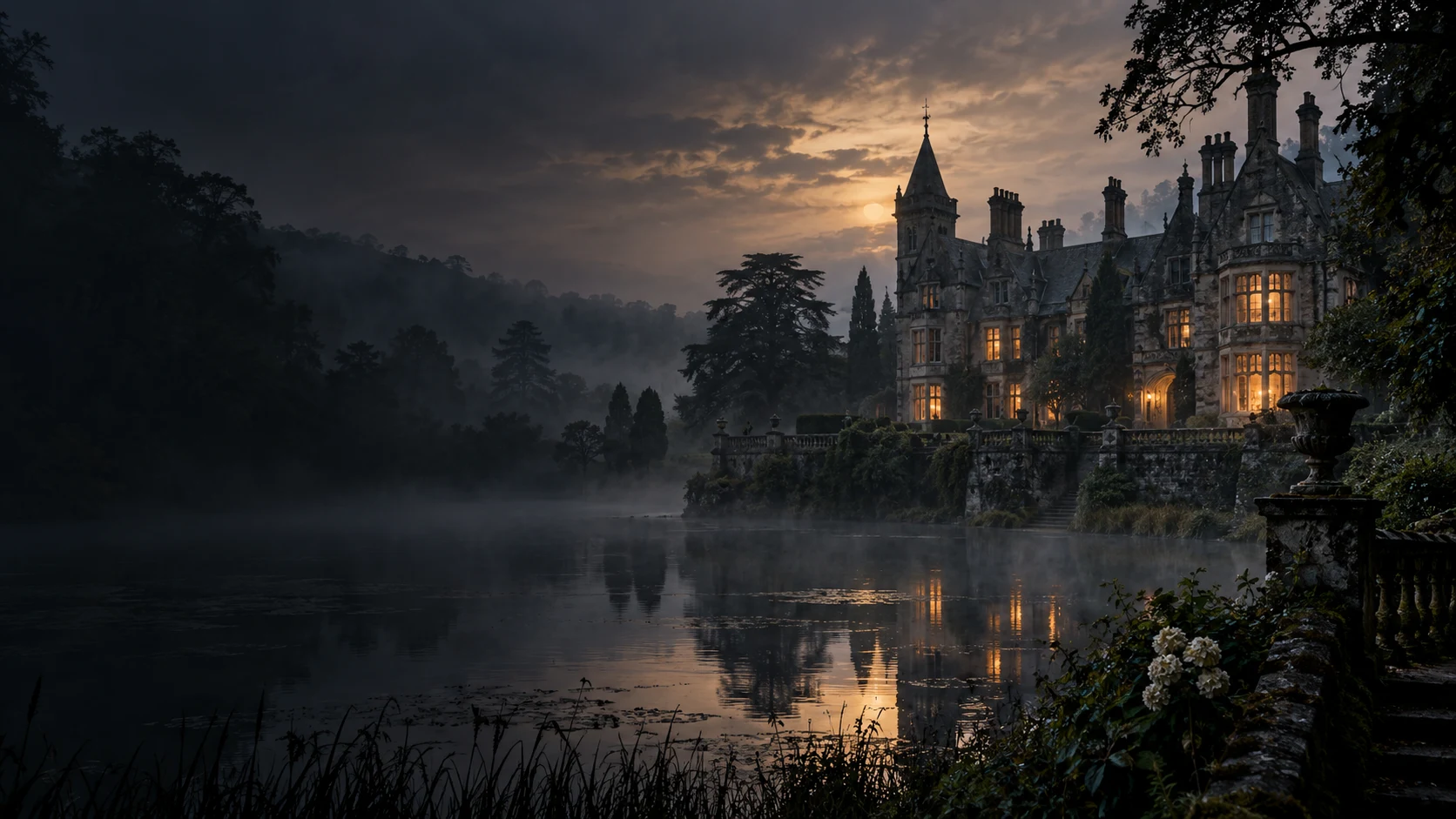
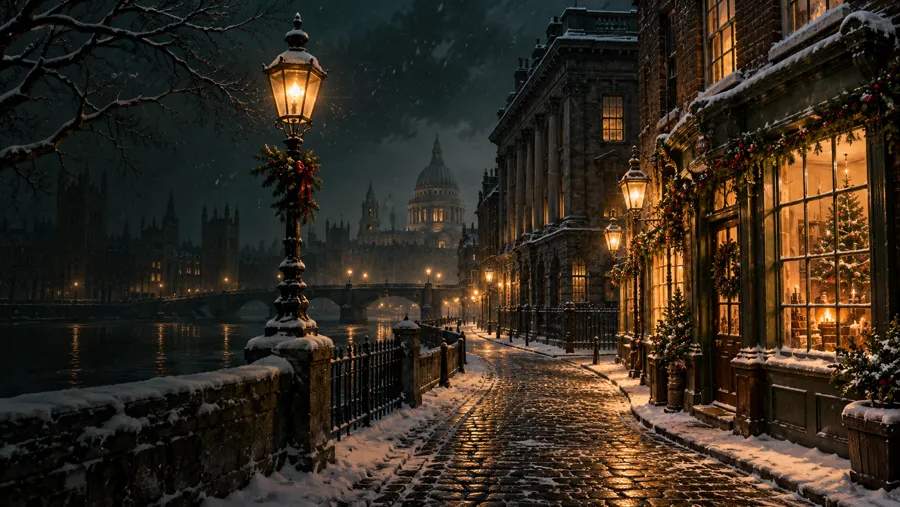
The Turn of the Screw begins on Christmas Eve. Its first sentence sets the scene in an old house where the narrator and a party of friends have been telling ghost stories round the fire:
The story had held us, round the fire, sufficiently breathless, but except the obvious remark that it was gruesome, as, on Christmas Eve in an old house, a strange tale should essentially be, I remember no comment uttered till somebody happened to say that it was the only case he had met in which such a visitation had fallen on a child.
Henry James, The Turn of the Screw (1898)
Where does the title The Turn of the Screw come from?
From that same fireside. One guest has just told of a ghost appearing to a little boy. Another, a man called Douglas, remarks that a child gives a ghost story an extra twist, then asks what the company would say to two. If the child gives the effect another turn of the screw, he says, what of two children? Somebody answers that two children give two turns, and that they want to hear about them.
Douglas has such a story, but it is not in his head. It is a manuscript, written in a faded, beautiful hand by a woman who was once his sister’s governess, and it is locked in a drawer in London. He has to send for it. The guests wait. The packet arrives, Douglas reads a short prologue explaining how the young governess came to take the post, and on the fourth night he begins to read.
Is The Turn of the Screw a Christmas story?
Only in its frame. Once the manuscript begins, Christmas disappears. The governess arrives at Bly, the country house where her two young charges, Miles and Flora, are living, at the close of a June afternoon. The story that follows runs through a radiant summer and into autumn, when the light goes and things grow worse. There is no snow, no feast, no tree.
But the Christmas Eve opening matters. Victorian readers knew the custom of telling ghost stories at Christmas, and James uses it to put us in the position of the listeners by the fire: comfortable, expectant, and a little too eager to be scared. We hear the governess’s account second-hand, through Douglas, through the narrator, and we never hear from her again once it ends. Nobody returns to the fireside to tell us what to think. That missing return is part of why the book has never stopped unsettling readers.
Are the ghosts real?
That is the question the book exists to ask. For decades most readers took The Turn of the Screw as a straightforward and terrifying ghost story. Then, in 1934, the critic Edmund Wilson argued that the ghosts might exist only in the governess’s mind, and the argument has continued ever since. James gives the evidence for both readings, and almost no evidence that would settle them. Read it once for fear and once for doubt, and it becomes a different book each time.
Henry James, an American who settled in England and became a British citizen in 1915, wrote long, winding sentences, and this is no exception. Take the prologue slowly. Once the governess reaches Bly, the prose tightens around her like a held breath.
The Turn of the Screw on stage and screen
Benjamin Britten turned it into an opera in 1954. Jack Clayton’s 1961 film The Innocents, with Deborah Kerr as the governess and a screenplay by William Archibald and Truman Capote, is still widely admired. Two more adaptations appeared in 2020: the film The Turning, directed by Floria Sigismondi, and Mike Flanagan’s Netflix series The Haunting of Bly Manor.
The Turn of the Screw
1898. A young governess, two beautiful children and a country house that may be haunted. Short, ambiguous and genuinely frightening, and not to be spoiled.
A Christmas Carol
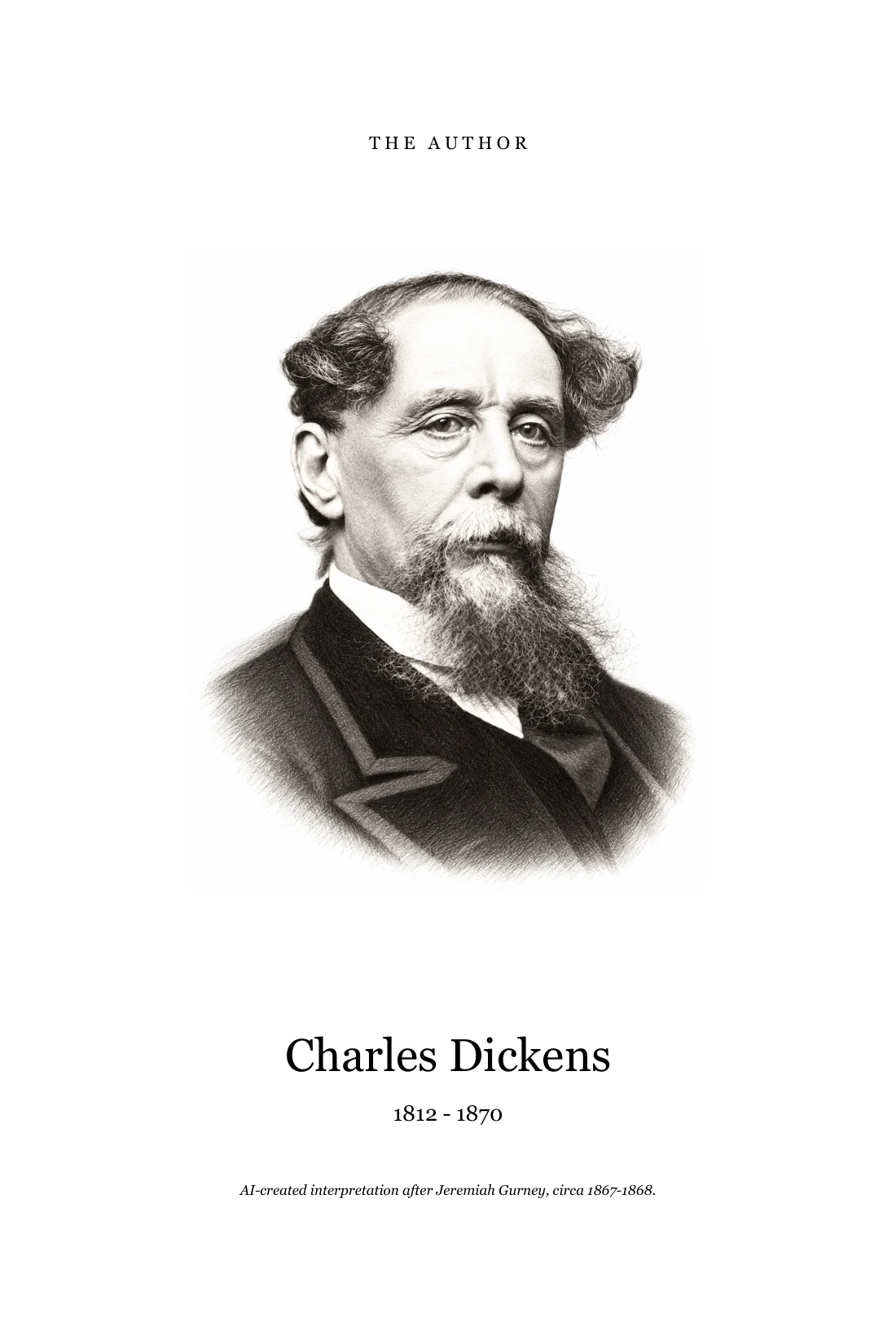
Dickens’s 1843 ghost story did as much as any book to bind ghosts and Christmas together. James wrote in the tradition it made.
Ghost Stories of an Antiquary
M. R. James, no relation, wrote many of his ghost stories to read aloud to friends at Christmas. This 1904 book was his first collection.


Where to go next
The custom James borrows is the subject of Did you know ghost stories were once a Christmas tradition?, and his novella heads several of our lists, including Halloween reads: classic tales for October and The golden age of the English ghost story. If you want more of James himself, start with Where to start with Henry James.
Then wait for a dark evening, ideally a cold one. The Turn of the Screw was made to be read by firelight, and its opening asks you to pull your chair a little closer before it begins.
Choose another unsettling Christmas reading
The Christmas frame does not make The Turn of the Screw a cheerful holiday tale. If it is the act of listening to an unsettling story that appeals to you, these collections offer different voices and forms for another evening. Choose for atmosphere and narrative interest rather than expecting seasonal reassurance.
Tales for Christmas Eve
Rhoda Broughton’s Tales for Christmas Eve gathers five tales involving troubling dreams and encounters. It provides shorter units for a reading evening while keeping suspense central to the experience.
Ghosts and Family Legends: A Volume for Christmas
Catherine Crowe’s Ghosts and Family Legends offers apparitions and family recollections that invite questions about belief and evidence. Its collection of accounts differs from the sustained fictional ambiguity of James’s governess.


For the larger custom, read our Christmas ghost-story tradition. For an evening that alternates moods, pair an uncanny tale with a selection from Christmas poems and fireside readings.
Questions readers ask
Is The Turn of the Screw set at Christmas?
Only its opening frame is. Guests tell ghost stories round a fire on Christmas Eve, and a few nights later Douglas reads the governess’s manuscript. Her story itself takes place in summer and autumn at Bly.
What does the title The Turn of the Screw mean?
It comes from the prologue. Douglas says that a child in a ghost story gives the effect another turn of the screw, and asks what two children would do, meaning an extra twist of tension.
What inspired The Turn of the Screw?
In January 1895 Henry James recorded in his notebook a ghost story told to him by Edward White Benson, the Archbishop of Canterbury, whose outline closely resembles the novella.