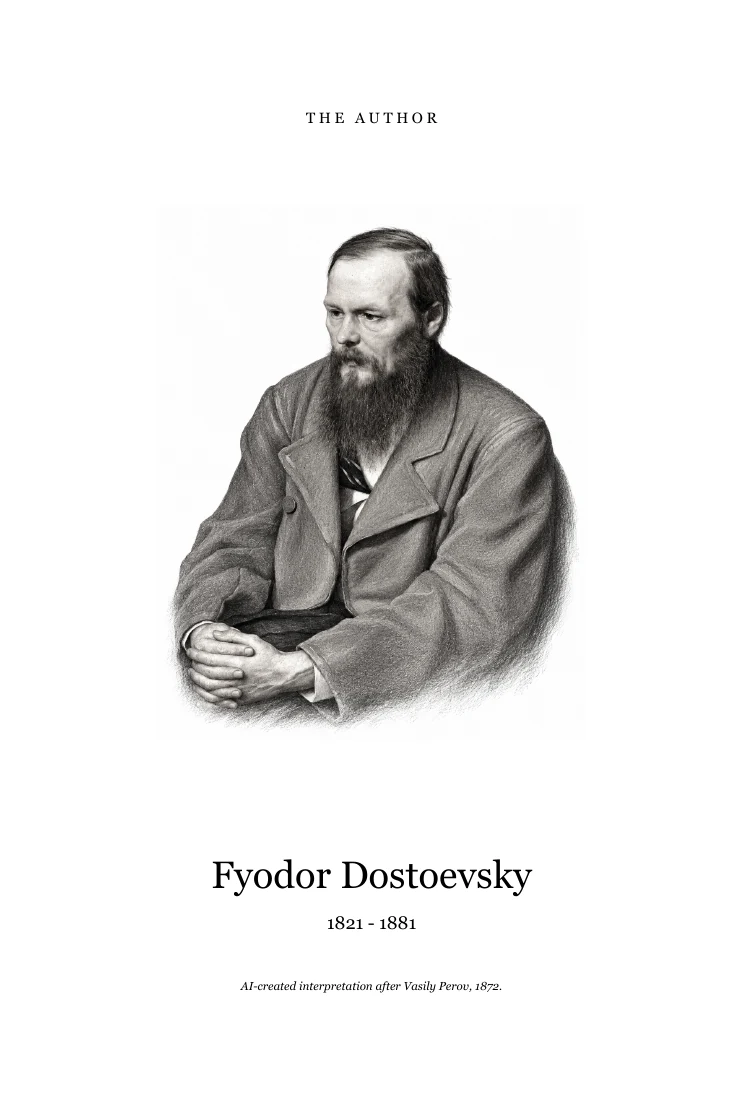
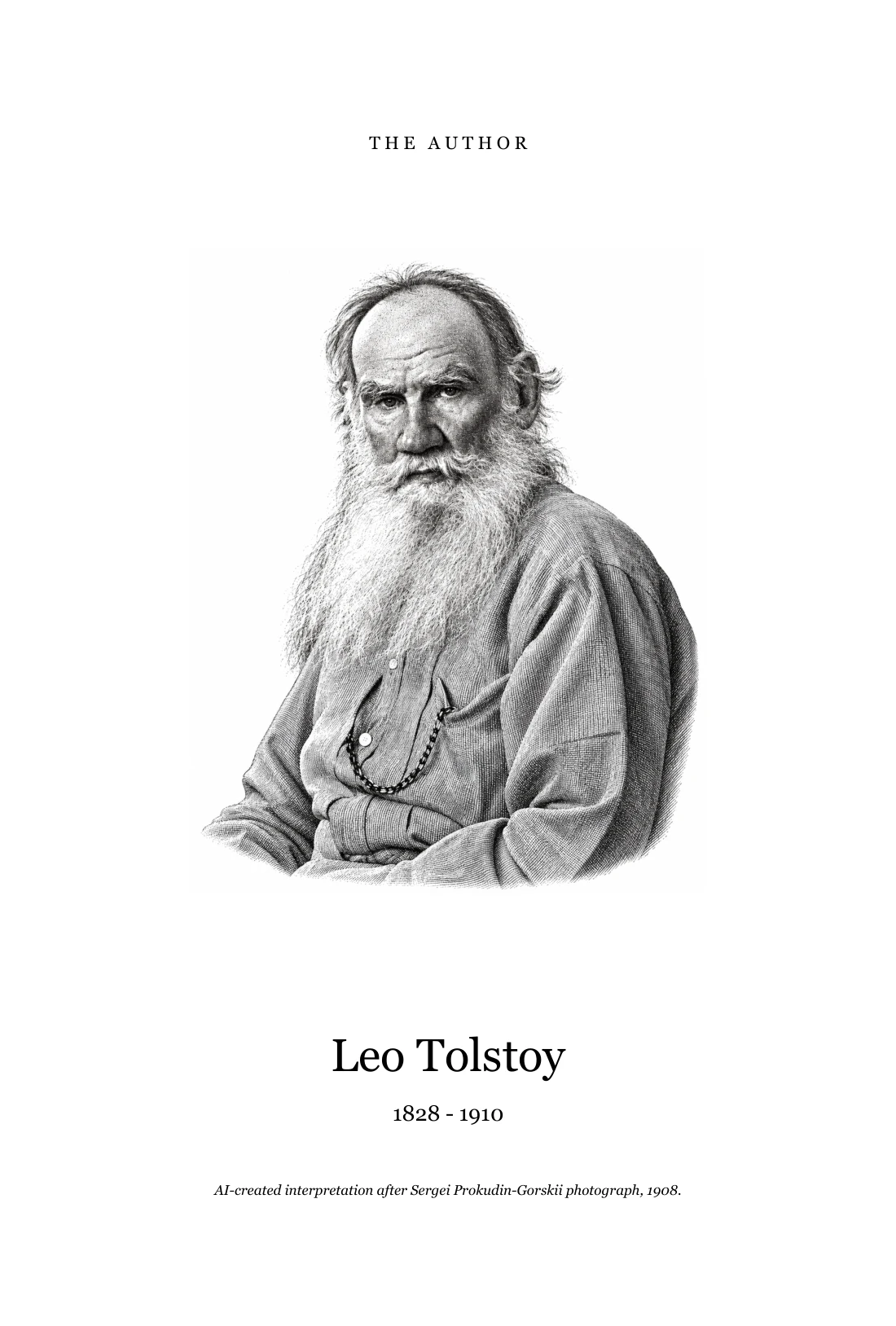
How did one country produce so many great novels so quickly? Russia had a written literature for centuries, but as late as the 1820s it had produced few novels to set beside those of England or France. By 1880 it had Dead Souls, Fathers and Sons, Crime and Punishment, War and Peace, Anna Karenina and The Brothers Karamazov. That burst is what most readers mean by the golden age of Russian literature.
The term needs one warning. It was first used in 1824, by the critic Pyotr Pletnev, for the poetry of the Pushkin era, before any of those novels existed. Russian scholars still often reserve “Golden Age” for the poetry of roughly the first half of the nineteenth century, while in English the phrase usually stretches across the whole century, from Pushkin to Chekhov. Both usages are customary, and neither has fixed borders.
Pushkin and the poets
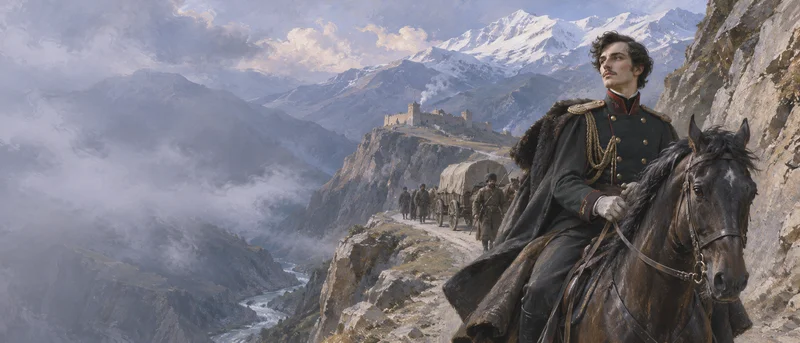
Alexander Pushkin stands at the start of it all, the poet Vladimir Nabokov ranked with Shakespeare. His verse novel Eugene Onegin gave later novelists a pattern of the bored, gifted young man with nothing to do, a type critics came to call the superfluous man. Mikhail Lermontov gave that type its great prose portrait in A Hero of Our Time (1840), the story of the cold, brilliant officer Pechorin in the Caucasus.
Gogol and the birth of the Russian novel
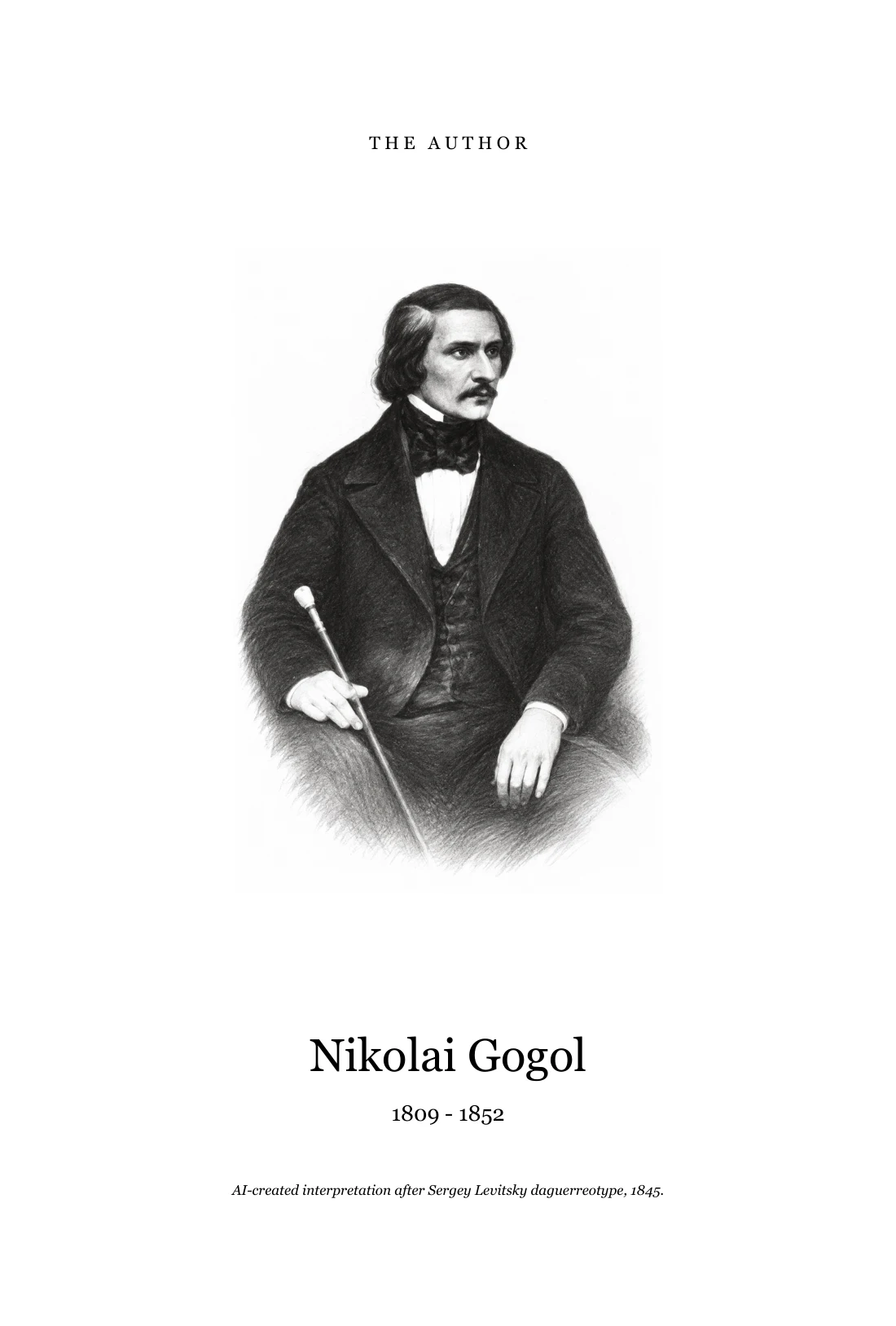
Nikolai Gogol’s Dead Souls (1842) is often called the first great Russian novel. Its swindler hero, Chichikov, travels the provinces buying up dead serfs, “souls” who still count on the tax registers, in order to borrow money against them. Gogol called the book a poem in prose and meant it as the first of three parts. He burned the manuscript of the second shortly before his death.
Four golden age novels to read first
- $17.99
Dead Souls
1842. Chichikov’s scheme to buy dead serfs, and a gallery of landowners, each more grotesque than the last. Satire that turns, unexpectedly, into lament.
- $14.99
Fathers and Sons
1862. A doctor’s son, the medical student Bazarov, comes home with a friend and declares himself a nihilist. The novel that made that word famous, and a quarrel between generations.
- $22.99
Crime and Punishment
1866. A penniless former student in St Petersburg kills a pawnbroker to prove a theory. The murder takes place early; the rest is conscience, chase and a long road back.
- $29.99
Anna Karenina
1875–77. An adulterous love affair in high society, set against a landowner’s search for meaning in the country. Tolstoy called it his first true novel.


One magazine, many masterpieces
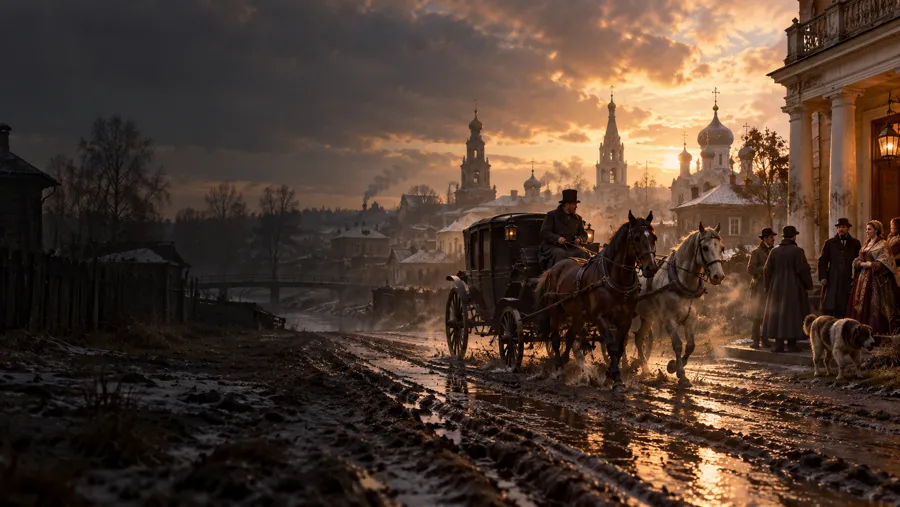
Much of the golden age came out in instalments in a single Moscow monthly, The Russian Messenger, edited by Mikhail Katkov. It printed Fathers and Sons in 1862, Crime and Punishment across twelve issues of 1866, the early version of War and Peace under the title The Year 1805, most of Anna Karenina and, finally, The Brothers Karamazov in 1879–80. Readers who took the magazine were reading these books as they were written.
That rhythm left its mark. Dostoevsky wrote against deadlines and debts, which may be part of why his novels feel so feverish. And the serial did not always run smoothly: the last part of Anna Karenina never appeared in the magazine at all, and came out separately.
What makes Russian golden age literature different?
Three things stand out. First, the questions are enormous: how to live, whether God exists, what to do about serfdom and poverty, what a person owes to others. Second, the novels argue. Characters hold ideas as fiercely as other novels’ characters hold grudges, and the authors let them talk. Third, they combine that seriousness with a sharp eye for absurd, everyday detail, from Gogol’s pompous officials to Tolstoy’s dinner parties.
Their opening lines are famous for a reason. Here is Tolstoy’s first sentence in Anna Karenina, in the Constance Garnett translation: “Happy families are all alike; every unhappy family is unhappy in its own way.” William Faulkner, asked to name the three greatest novels, is said to have given the same title three times: Anna Karenina.
Where to start
Begin short. Fathers and Sons is the most approachable of the four above, and Lermontov’s A Hero of Our Time is shorter still. Then try Crime and Punishment, the most gripping, before setting aside a season for Anna Karenina. Our guides to Russian classics for beginners, where to start with Dostoevsky and why Gogol burned Dead Souls go further, and how to choose a translation will help with the versions.
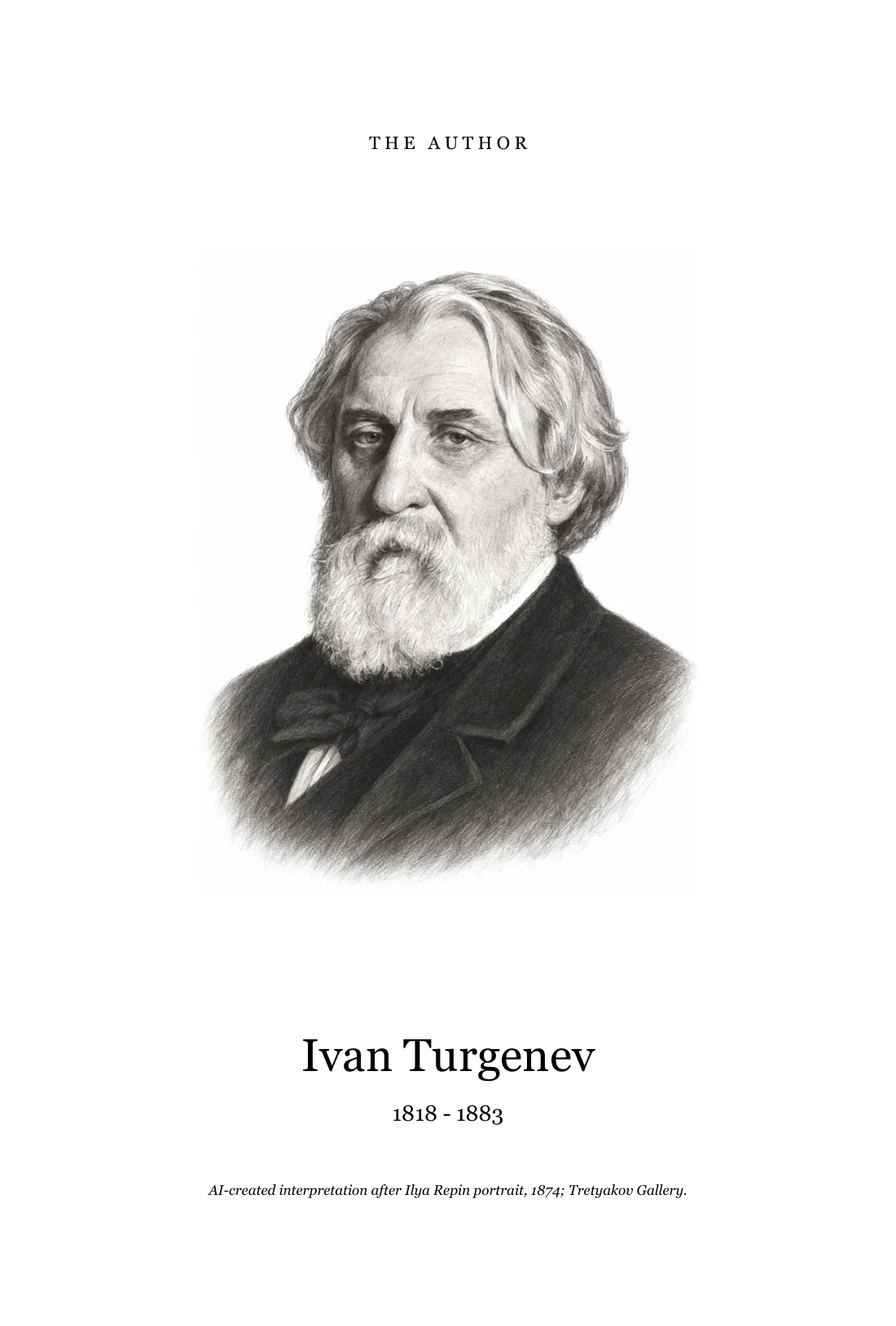
Start with Fathers and Sons by Ivan Turgenev, then follow the golden age through Nikolai Gogol, Fyodor Dostoevsky and Leo Tolstoy. You may find, like many readers, that you never quite come back.
Questions readers ask
What is the golden age of Russian literature?
It is the flowering of Russian writing in the nineteenth century, from Pushkin and Lermontov through Gogol, Turgenev, Dostoevsky and Tolstoy. Strictly, Russian scholars often use “Golden Age” for the poetry of the first half of the century.
When was the golden age of Russian literature?
Roughly the nineteenth century. The critic Pyotr Pletnev first used the phrase in 1824 for the Pushkin era; in English it usually covers the whole century up to Chekhov. The Silver Age followed from the 1890s.
What is the best Russian novel to read first?
Turgenev’s Fathers and Sons is short and approachable, and Dostoevsky’s Crime and Punishment is the most gripping. Both make better first reads than the longest novels.