The Enchanted April begins with an advertisement in the Agony Column of The Times: “To Those who Appreciate Wistaria and Sunshine. Small mediaeval Italian Castle on the shores of the Mediterranean to be Let Furnished for the month of April.” Mrs Wilkins finds it at her club on a miserable February afternoon, and so does Mrs Arbuthnot, a fellow Hampstead woman she has never spoken to. Together they decide to answer.
It is hard to think of a better image for a book club: strangers, a shared rented space and a month of seeing who changes. The book club classics below were chosen for the same reason. Each is short enough or gripping enough that people actually finish it, and each contains at least one question the group will not agree on.
Book club classics that start arguments
The Enchanted April
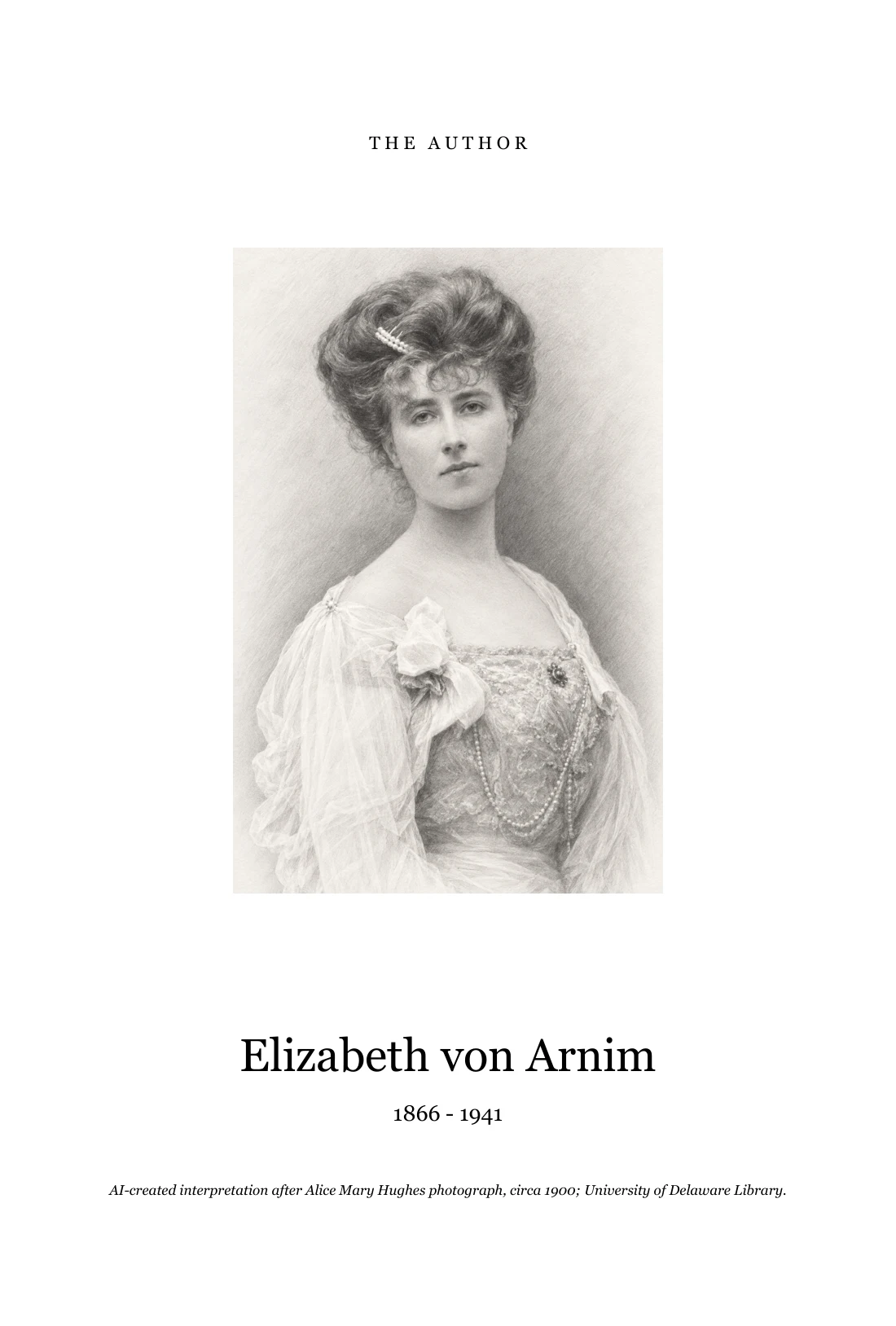
1922. Four women, a castle in Portofino and a month away from husbands, admirers and duty. Elizabeth von Arnim drew on her own stay at the real Castello Brown, and the novel is credited with making Portofino fashionable.
Ethan Frome
1911. A visitor stranded in a New England village pieces together the story of a silent, injured farmer. Under a hundred pages in our edition, and it hits like a novel three times the length.
The Blue Castle
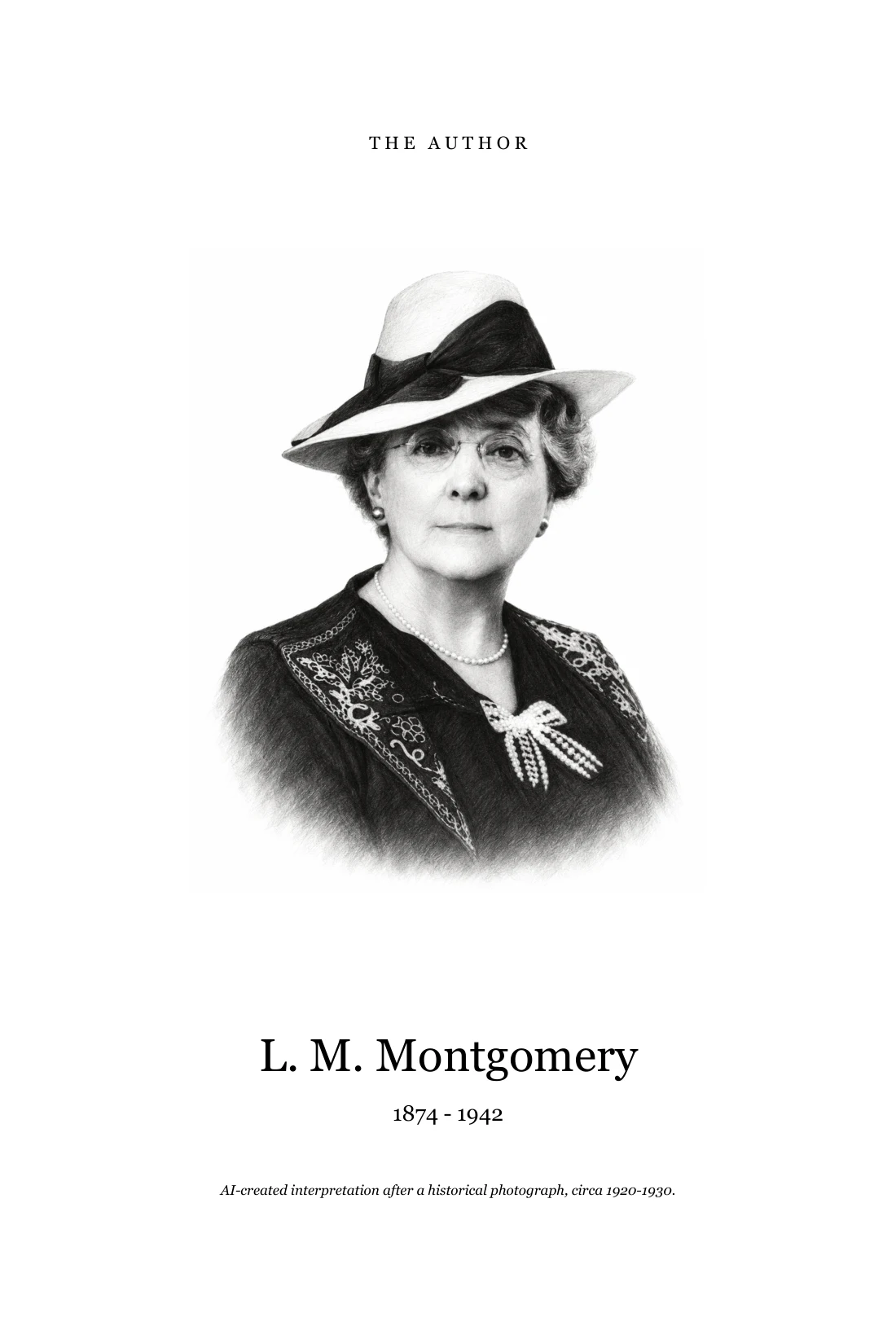
1926. Valancy Stirling, twenty-nine and crushed by her family, gets news that makes her stop obeying them. L. M. Montgomery’s only book set entirely outside Prince Edward Island, and her funniest.
The House of Mirth
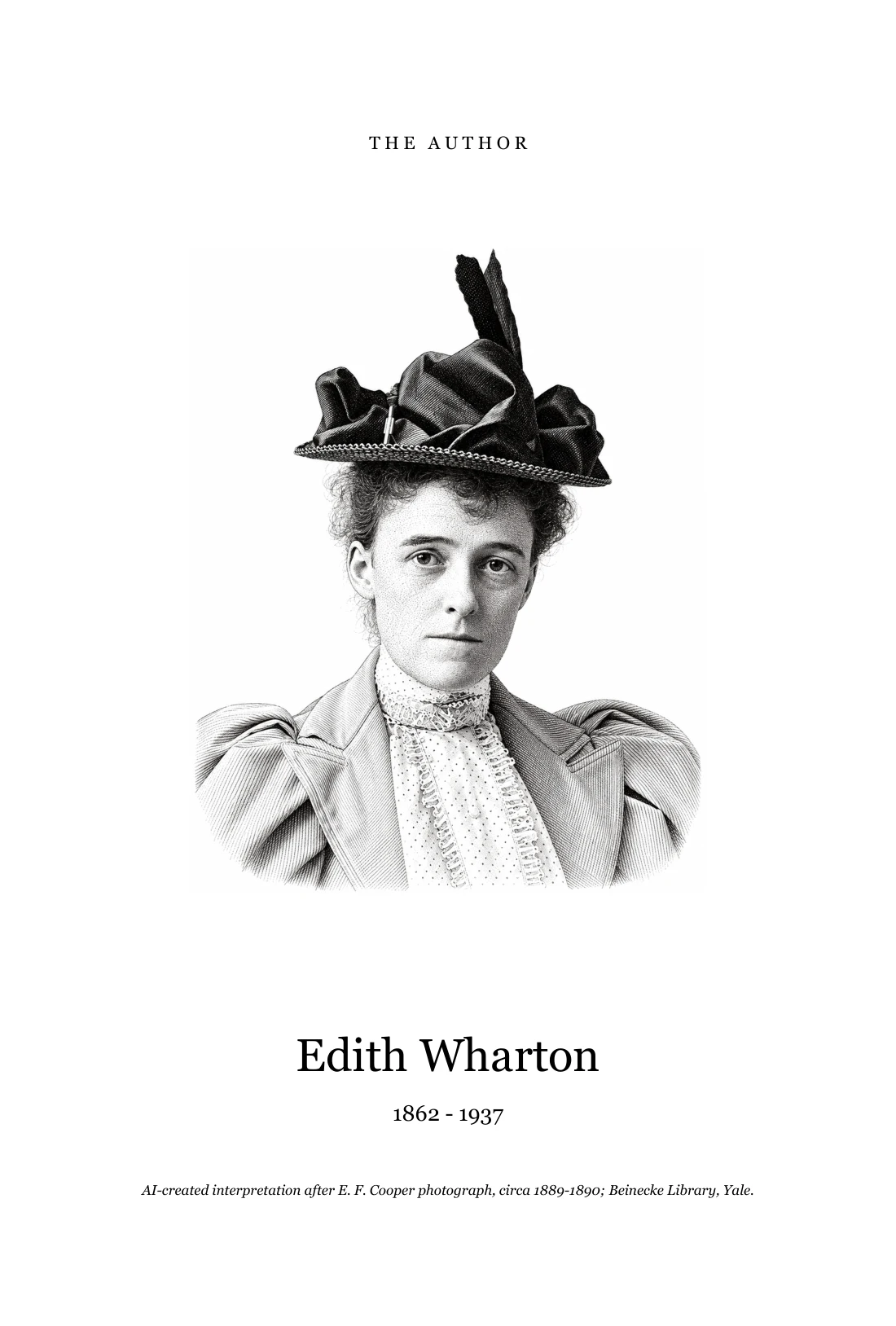
1905. Lily Bart is beautiful, clever, nine-and-twenty and still unmarried in a society that gives her a few years to sell herself well. Wharton’s first great success.
Madame Bovary
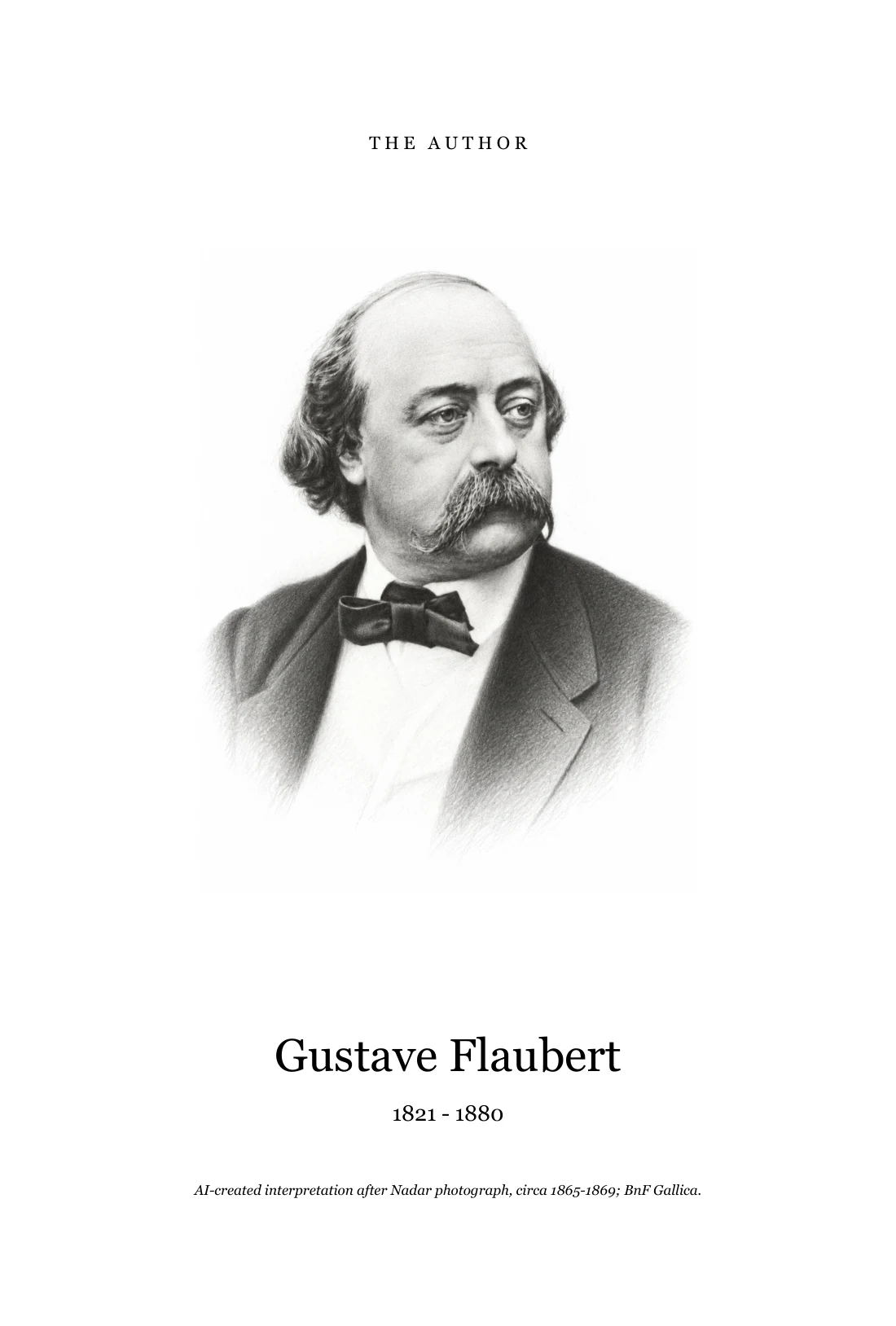
1857. A bored doctor’s wife, a pharmacist with opinions, two lovers and a mountain of debt. The trial for offending public morals is part of its legend, and the book still provokes.
The Moonstone
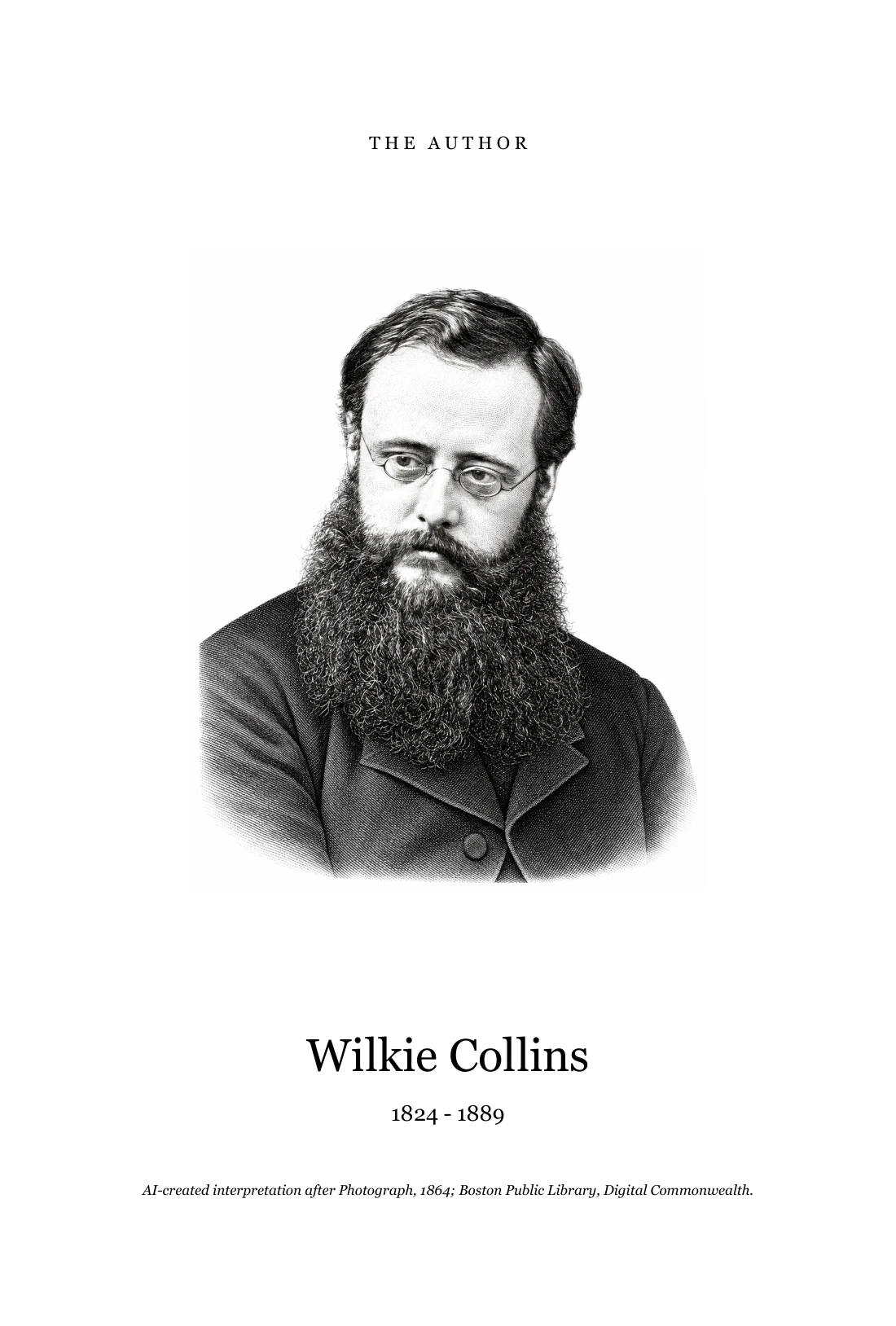
Serialised in 1868. A cursed Indian diamond vanishes from a Yorkshire country house, and the story is passed between several narrators, each with a bias of their own.



A question for each book
A good discussion question has no answer at the back of the book. Try one of these to get the room going, then let it wander.
- The Enchanted April: Do the four women change, or does Italy just let them stop pretending? Is the ending too neat?
- Ethan Frome: The narrator admits he had the story “bit by bit, from various people”. How much of what we are told should we trust?
- The Blue Castle: Valancy’s rebellion begins with a single piece of news. Would she have changed without it, and does that matter?
- The House of Mirth: Is Lily Bart destroyed by society, or by her own refusal to make the bargain everyone else makes?
- Madame Bovary: Flaubert never judges Emma openly. Do you pity her, despise her, or recognise her?
- The Moonstone: Which narrator do you trust least, and why does Collins let the servants tell so much of the story?
How to choose a classic for your book club
Length matters more than people like to admit. Ethan Frome runs to 96 pages here and can be read in an evening, which makes it a safe first choice for a new group. The Enchanted April and The Blue Castle both sit just over two hundred pages and are among the most purely enjoyable books on our shelves. Save The Moonstone for a group that is ready for a long book, or split it across two meetings.
Pairing works well too. Read Ethan Frome and The House of Mirth back to back and you have Edith Wharton at both ends of her range, a snowbound farm and a Fifth Avenue drawing room, and the same trap closing in both. Read Madame Bovary and The Blue Castle together and you have two women trapped by dull lives, one by Gustave Flaubert, one by L. M. Montgomery, and two very different ideas of how such a story should end.
Most of all, choose books with a clear moral problem at their centre. Classics are excellent at this, because their authors were writing for readers who expected a novel to argue about how to live. Wilkie Collins built a mystery out of conflicting testimony; Elizabeth von Arnim built a comedy out of four people learning to be kind. For more on running the group itself, see how to start a classics book club, and for longer-term planning, the classics reading challenge.

What is a good first classic for a book club?
If your group has never read a classic together, start with The Enchanted April. It is warm, funny and light enough to read in a week, and it still leaves plenty to talk about: marriage, loneliness, money and the strange freedom of being somewhere nobody knows you. Read the story of the real advertisement behind it in Did you know The Enchanted April began with a newspaper advert?, then book the room for April.
Questions readers ask
What are good book club classics?
Reliable choices include The Enchanted April, Ethan Frome, The Blue Castle, The House of Mirth, Madame Bovary and The Moonstone. Each is readable and leaves the group with a real question to argue about.
What is a short classic for a book club?
Edith Wharton’s Ethan Frome is ideal: it can be read in an evening and gives a group plenty to discuss, from its unreliable framing to its bleak final pages.
Is The Moonstone good for a book club?
Yes, if the group is happy with a longer book. It is told by several narrators, so members can compare whose version they believe, and it is one of the founding English detective novels.