
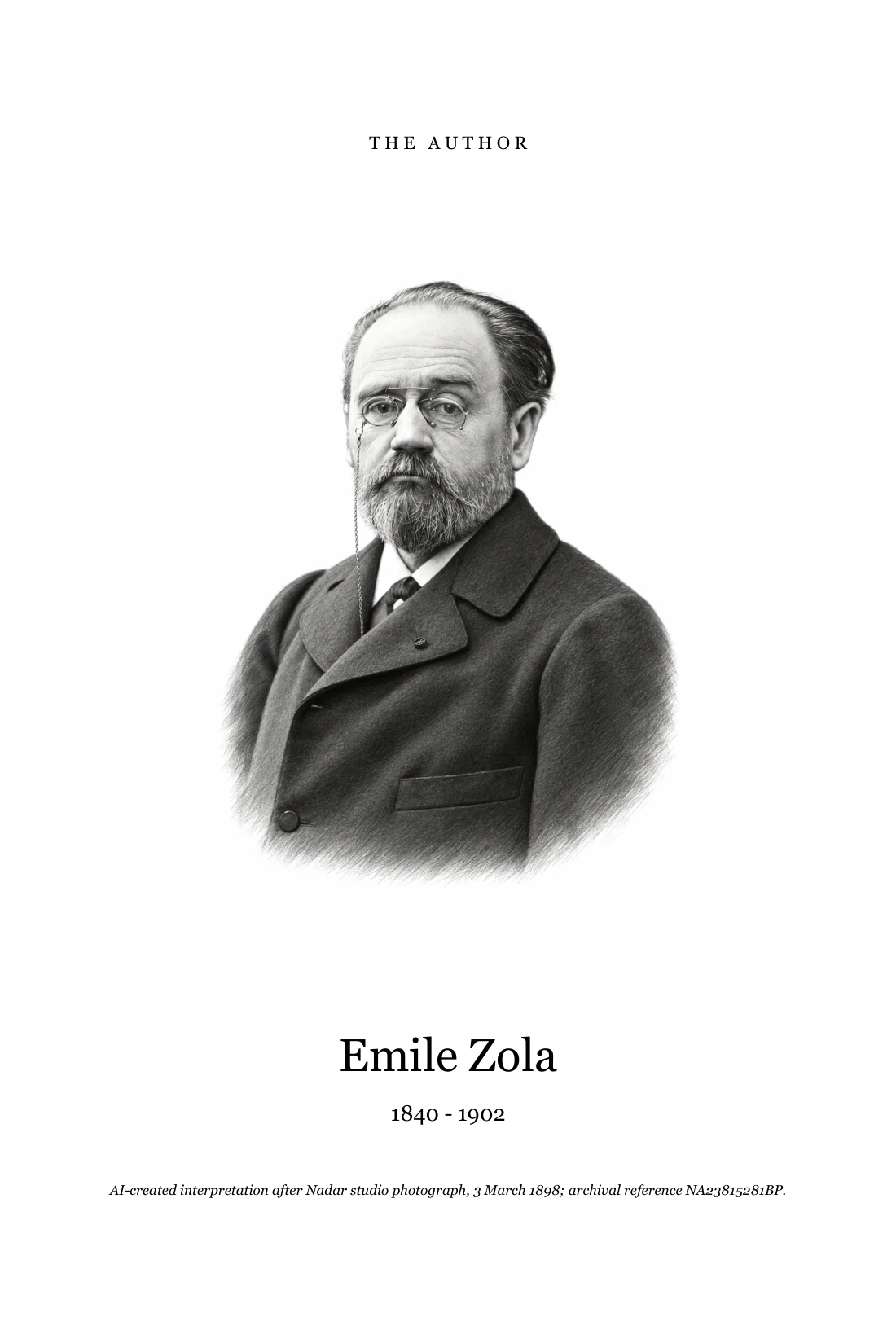
“Putrid literature” was how the critic Louis Ulbach, writing in Le Figaro, greeted Émile Zola’s Thérèse Raquin (1867). The novel, about two lovers who murder a husband and are then eaten alive by guilt, was attacked for its subject and its language alike. Zola’s answer, in a preface to the second edition in 1868, became one of the founding statements of a movement: he had not been writing about characters at all, he said, but about temperaments.
That is the heart of literary naturalism. It is a branch of realism that treats people as products of forces they do not control, chiefly heredity and environment, and describes them with the detachment of a scientist. Where a realist novelist shows life as it is, a naturalist tries to show why it has to be that way.
Zola meant the word temperament literally. He gave each of the four main characters in Thérèse Raquin one of the old Galenic humours: Thérèse is melancholic, her lover Laurent sanguine, her husband Camille phlegmatic and his mother, Madame Raquin, choleric. The plot is what happens when those four are shut up together in a damp little shop.
Thérèse and Laurent are human brutes, nothing more. I have sought to follow these brutes, step by step, in the secret labour of their passions, in the impulsion of their instincts, in the cerebral disorder resulting from the excessive strain on their nerves.
Émile Zola, preface to the second edition of Thérèse Raquin, as translated by Edward Vizetelly
What is the difference between naturalism and realism?
Realism came first. Writers such as Gustave Flaubert, whose Madame Bovary appeared in 1857, turned away from romance and the supernatural towards ordinary lives described with precision. Naturalism kept that method and added a theory. Zola borrowed ideas from the physiologist Claude Bernard, the critic Hippolyte Taine and the positivist philosopher Auguste Comte, and in his essay “The Experimental Novel” (1880) argued that a novelist should work like a scientist running a controlled experiment.
In practice the line between the two is blurry, and critics have never agreed exactly where to draw it. A useful rule of thumb: realism describes, naturalism diagnoses. Naturalist novels tend to dwell on the body, on poverty and on instinct, and their endings often feel less like choices than like results.

Les Rougon-Macquart: Zola’s great experiment
Zola’s ambition was enormous. From 1871 to 1893 he published twenty linked novels, Les Rougon-Macquart, subtitled the natural and social history of a family under the Second Empire. Each book follows a different member of one family, descended from a single ancestor, into a different corner of French life: the markets, the department store, the stock exchange, the railways, the mines. He wanted to show how blood and surroundings shaped each life.
The finest of them is usually said to be Germinal (1885), the thirteenth. Zola researched it in the coalfields of northern France in 1884, went down a working pit and saw the aftermath of a strike at Anzin. Its hero, Étienne Lantier, arrives at the mining town of Montsou looking for work and becomes the leader of a strike.
Naturalist novels to read
Theresa Raquin
1867. A Paris shop, a sickly husband, his restless wife and her lover. A short, claustrophobic crime novel and the seed of naturalism.
Germinal
1885. Miners, a strike and the pit itself, which Zola writes like a living creature. Huge in scope and impossible to forget.
Sister Carrie
1900. A country girl arrives in Chicago and rises, by instinct and luck, to the New York stage, while the man who loves her sinks. Dreiser’s first novel.
The Open Boat and Other Stories
1898. The title story puts four shipwrecked men in a dinghy, facing a sea that does not care whether they live. American naturalism at its starkest.



Naturalism in America
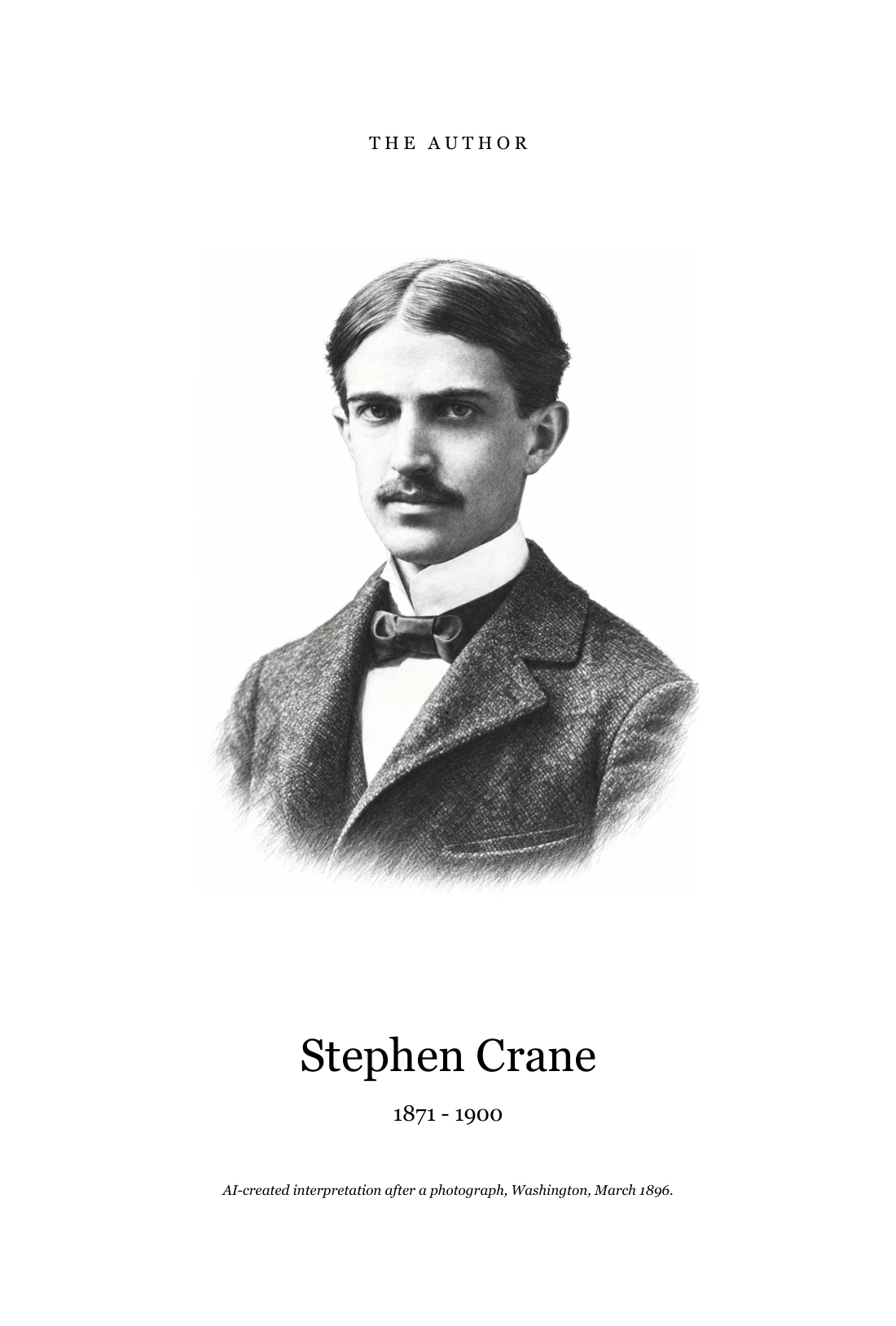
The movement travelled. In the United States its leading novelists included Frank Norris, Stephen Crane, Jack London and Theodore Dreiser, though American naturalism never had a single programme like Zola’s. Norris himself thought naturalism was closer to romance than to realism, and pushed the term in his own direction.
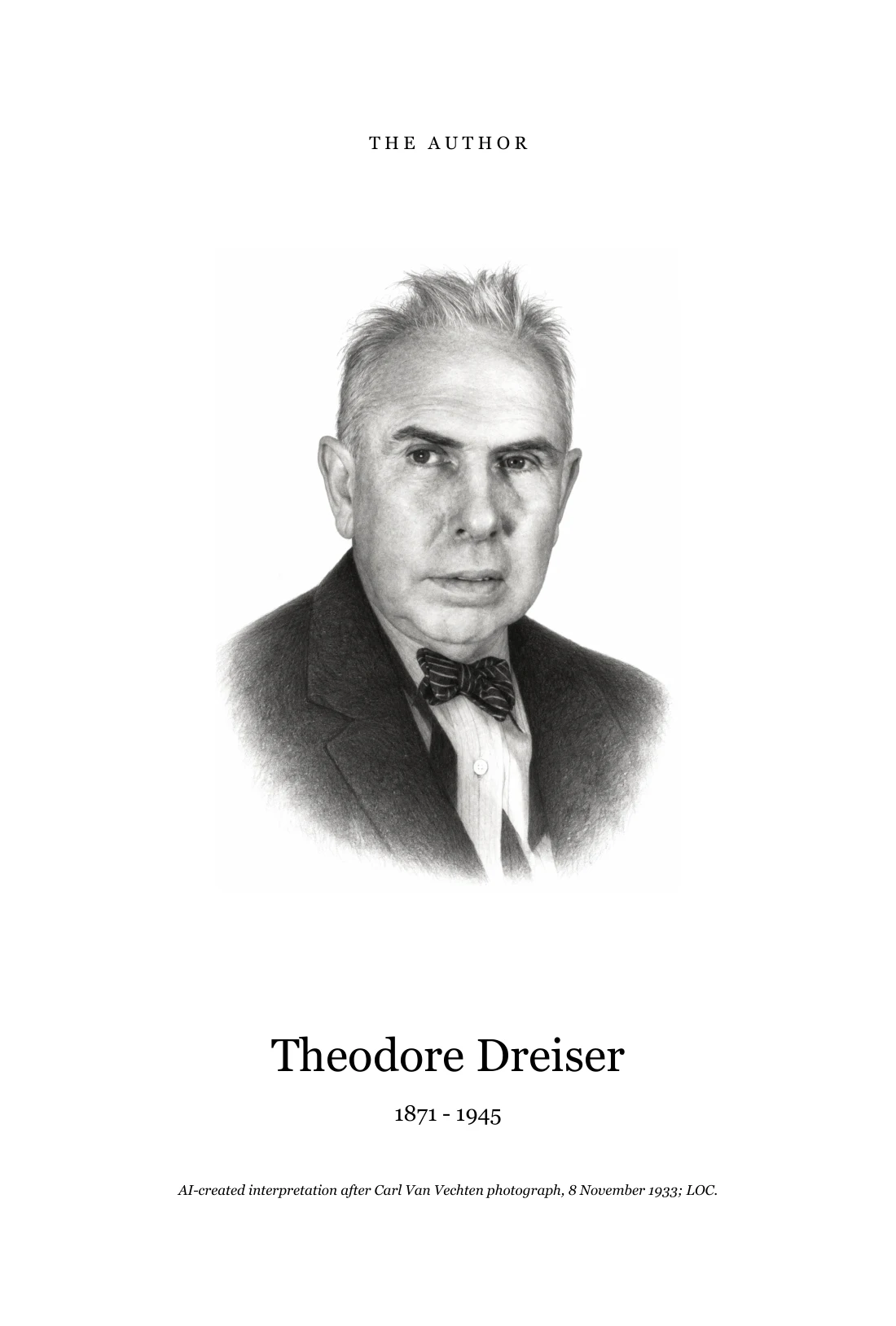
Dreiser’s Sister Carrie had the roughest start. Doubleday accepted it, then tried to back out, reportedly after the wife of one of the publishers found it too sordid. Bound by contract, the firm published it in 1900 with no advertising, and only 456 copies sold. Norris, then a reader at Doubleday, quietly sent copies to reviewers. The book’s refusal to punish Carrie for her choices is exactly what made it shocking, and what makes it modern.
Where to start with naturalism
Start with Thérèse Raquin. It is short, gripping and has everything Zola believed in squeezed into a few rooms. Then give Germinal a fortnight. For the American branch, read Crane’s “The Open Boat” in an evening before tackling Sister Carrie. Our guide to Émile Zola: where to start maps the rest of the Rougon-Macquart, and Jack London’s California novels follow another American who wrote in Zola’s shadow.
Open Theresa Raquin by Émile Zola, then Sister Carrie by Theodore Dreiser, and watch two writers, an ocean and a generation apart, refuse to look away.
Questions readers ask
What is literary naturalism?
Literary naturalism is a late nineteenth-century movement, led by Émile Zola, that portrays people as shaped by heredity, environment and instinct, described with scientific detachment. It grew out of realism but added a deterministic view of human nature.
What is the difference between realism and naturalism?
Realism aims to show ordinary life accurately. Naturalism uses the same methods but adds a theory that human behaviour is determined by forces such as heredity and social conditions, so its stories often feel inevitable.
Who founded naturalism?
Émile Zola is generally regarded as its founder. He set out his ideas in the 1868 preface to Thérèse Raquin and in his 1880 essay The Experimental Novel.
What are examples of naturalist novels?
Zola’s Thérèse Raquin and Germinal, Theodore Dreiser’s Sister Carrie, Frank Norris’s McTeague and Stephen Crane’s “The Open Boat” are classic examples.
 His Masterpiece350 pages · $18.99
 The Ladies' Paradise398 pages · $19.99