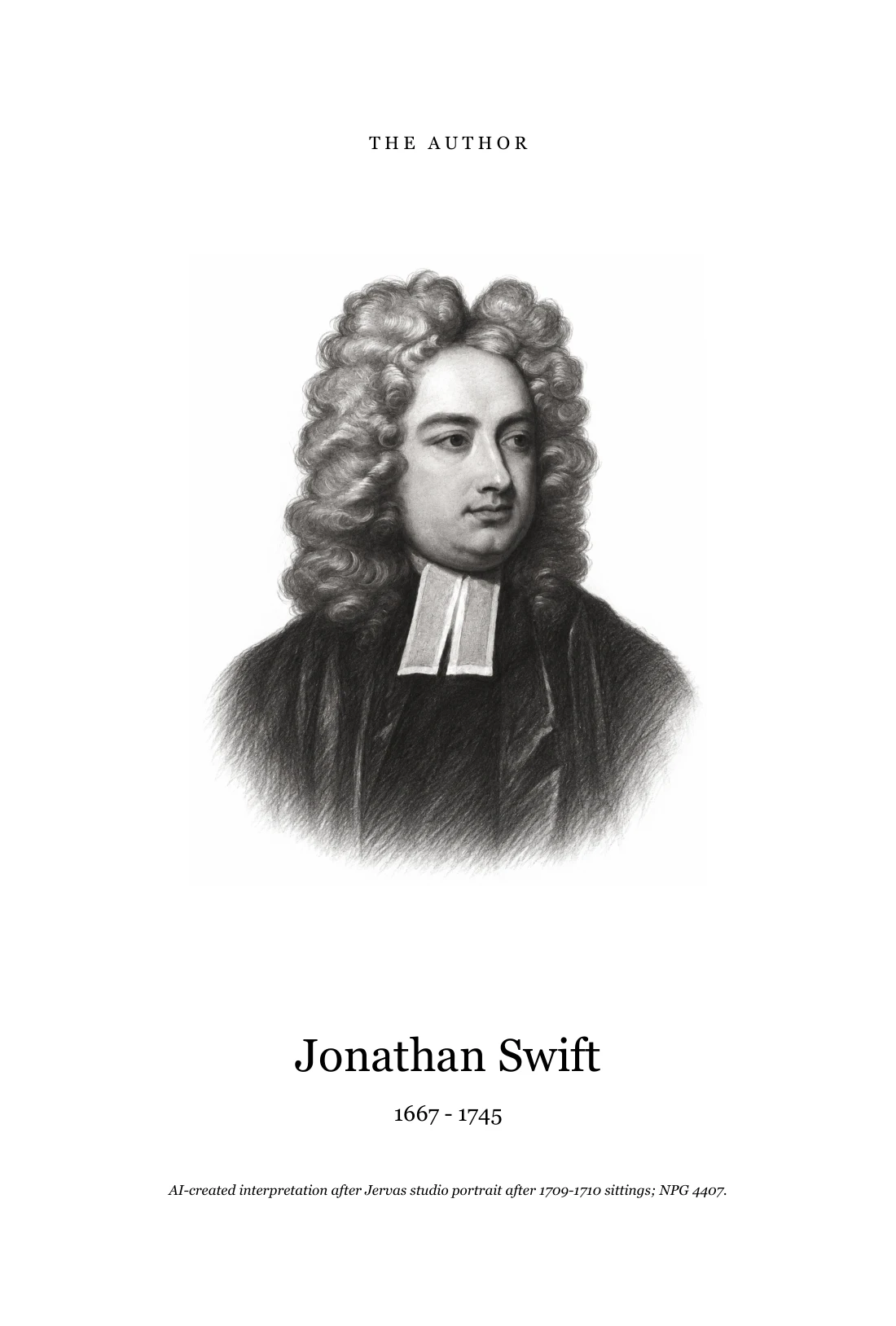
“It is universally read,” the poet John Gay wrote to Jonathan Swift in November 1726, a few weeks after Gulliver’s Travels appeared, “from the cabinet council to the nursery.” That was the joke of the book’s success. Children were enjoying the tiny people and the giants, while politicians were reading a ferocious attack on politicians, and Swift’s publisher had already cut the most dangerous passages for fear of prosecution.
That double life is what the best classic satire books share. They work as stories first, so that the attack slips in under the entertainment. Below are eight of them, numbered on a scale of sharpness: from the affectionate mockery of a London clerk to the most shocking proposal ever published in English.
Classic satire books, from gentle to savage
- $11.99
The Diary of a Nobody
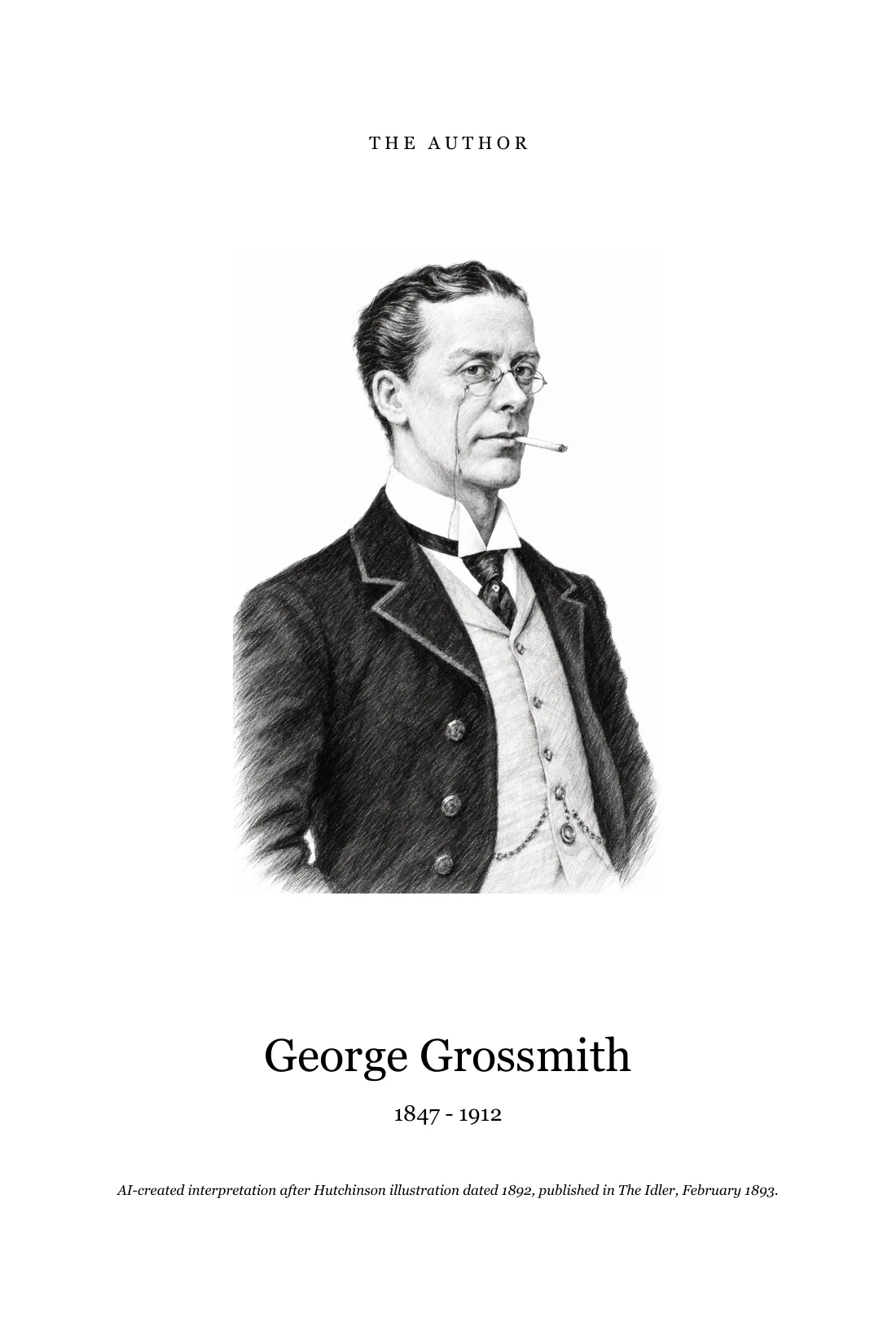
Gentle. 1892. Charles Pooter of Holloway records his dignity and its daily collapse. The Grossmiths laugh at suburban pretension, but they love Pooter, and so does the reader.
- $12.99
1066 and All That
Gentle. 1930. A “memorable” history of England comprising 103 Good Things, 5 Bad Kings and 2 Genuine Dates. The target is not England but the way schoolchildren half-remember it.
- $13.99
Crome Yellow
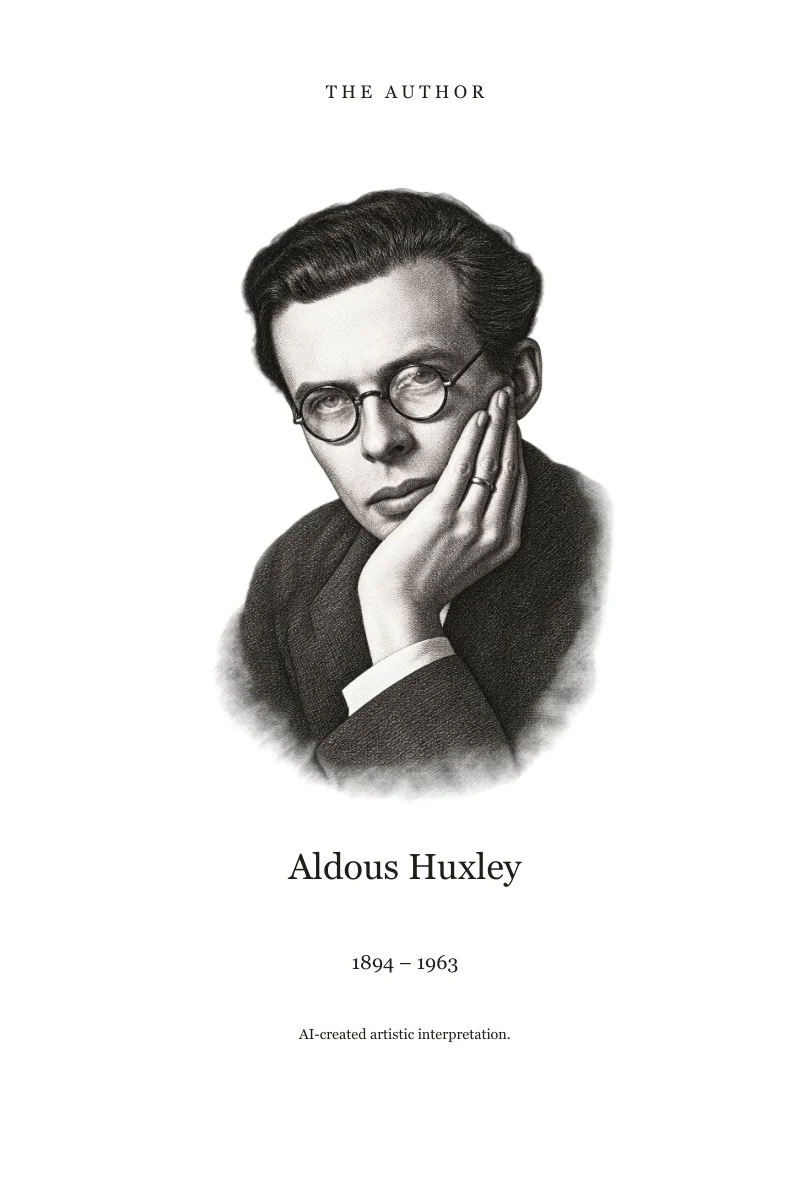
Mild. 1921. Aldous Huxley’s first novel sends a young poet to a country house full of talkers, and its hostess was taken to be modelled on Lady Ottoline Morrell of Garsington Manor. Witty, and a little cruel.
- $18.99
Babbitt
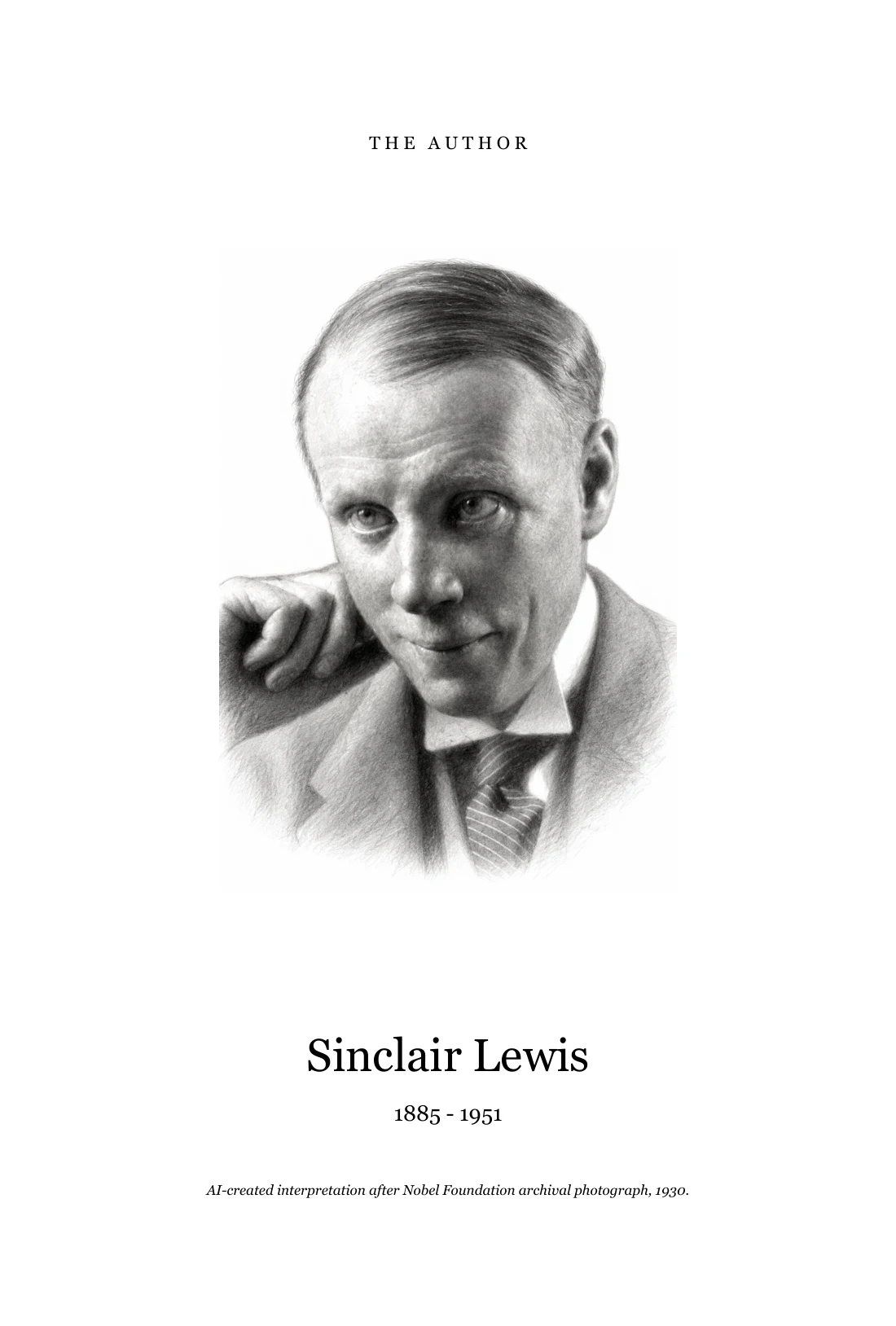
Sharp. 1922. George F. Babbitt, estate agent of Zenith, sells houses, joins clubs and agrees with everyone. The Oxford dictionaries now define a “Babbitt” as a complacent, conformist businessman.
- $15.99
Penguin Island
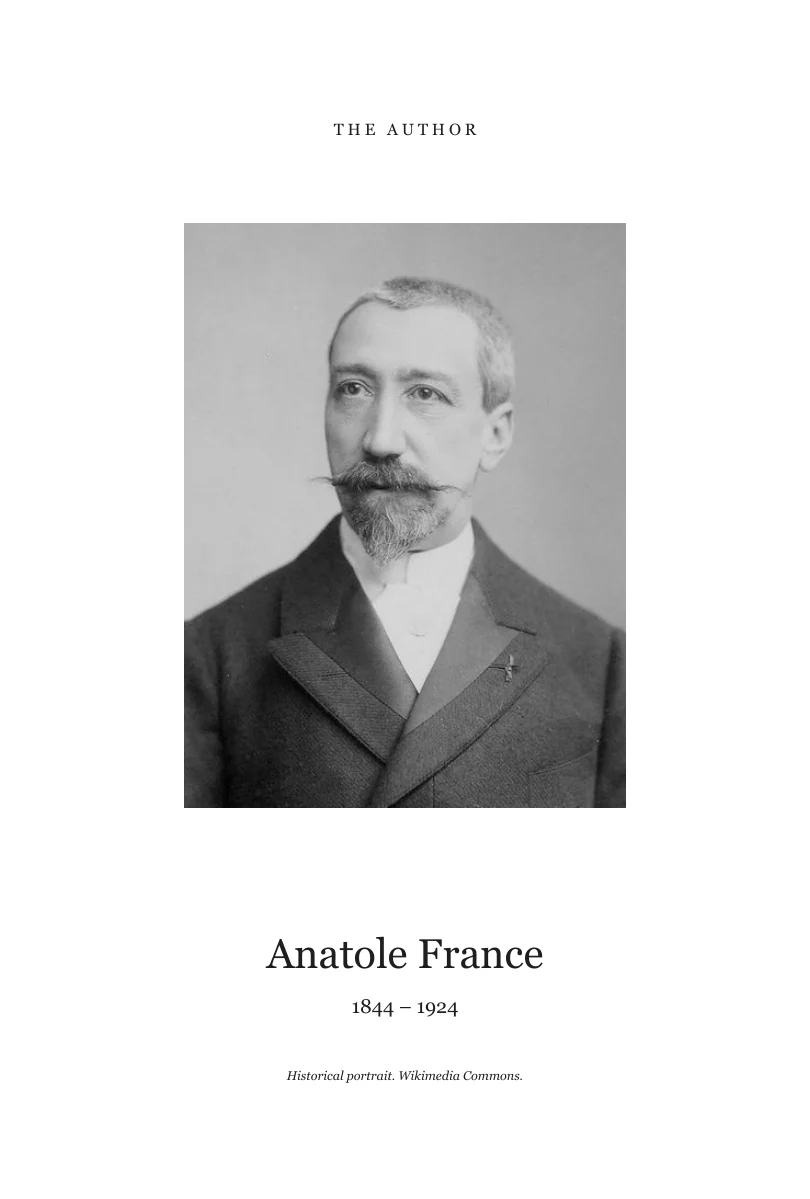
Sharp. 1908. A short-sighted, half-deaf saint baptises a colony of penguins by mistake, and Anatole France follows their descendants through a mock history of France.
- $11.99
Candide
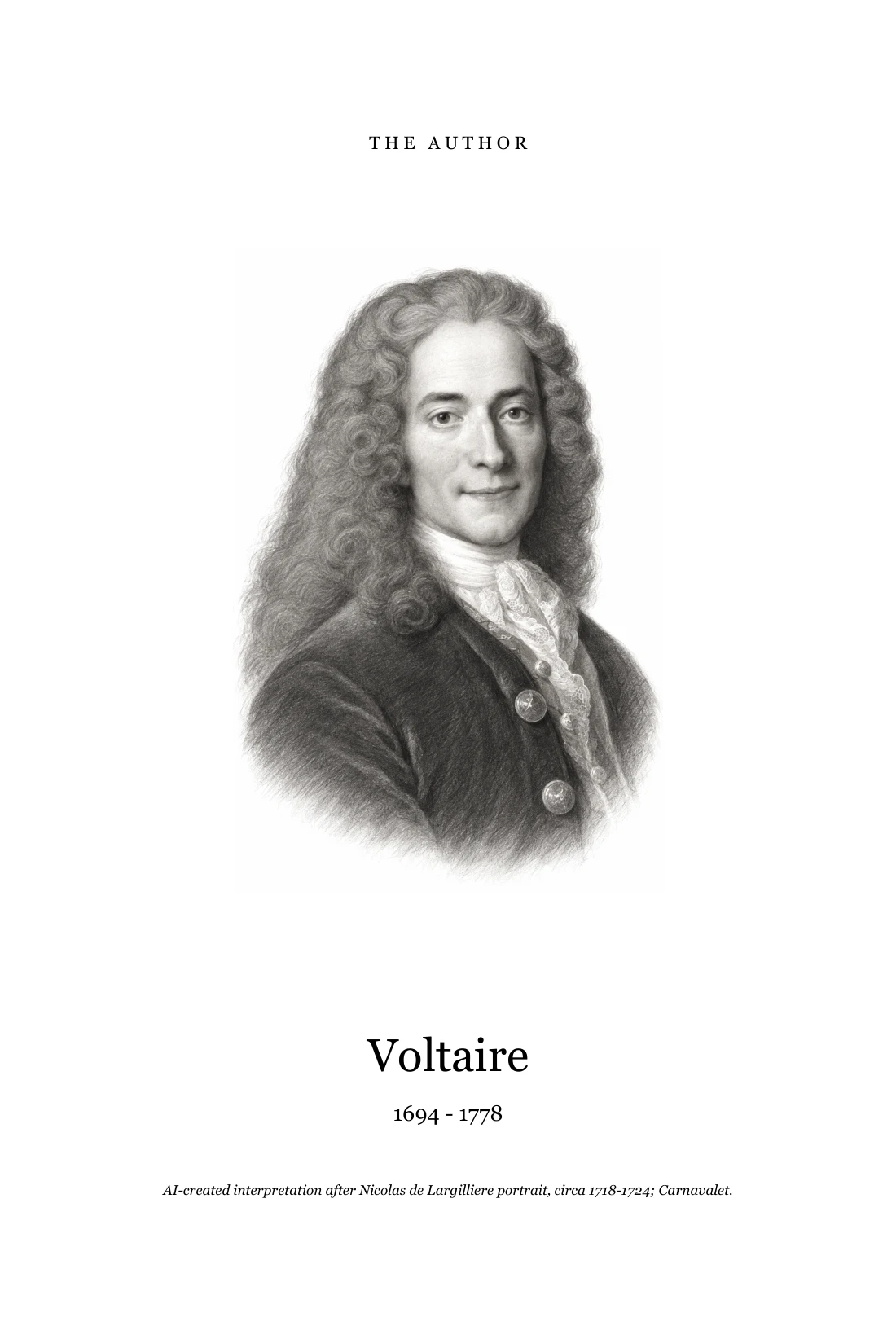
Cutting. 1759. Candide is taught that all is for the best, then sees war, the Lisbon earthquake, the Inquisition and slavery. Voltaire’s target is the optimistic philosophy of Leibniz and everyone who repeats it.
- $14.99
Gulliver's Travels
Savage. 1726. Four voyages, each nastier than the last. By the time Gulliver reaches the land of the rational horses, he can hardly bear the sight of a human being.
- $9.99
A Modest Proposal
Most savage. 1729. A calm, statistical plan to relieve Irish poverty by selling the children of the poor as food. Swift never raises his voice, which is what makes it unbearable.



What makes a satire sharp?
The difference between the gentle and the savage is not how rude the author is. It is how far the author is willing to follow the logic. Pooter is ridiculous, but the Grossmiths stop at his front door. Voltaire follows his optimists through massacre and earthquake and still lets them insist all is well. Swift goes furthest because he adopts his enemy’s voice completely: the narrator of A Modest Proposal sounds exactly like a reasonable economist.
I have been assured by a very knowing American of my acquaintance in London, that a young healthy child well nursed, is, at a year old, a most delicious nourishing and wholesome food, whether stewed, roasted, baked, or boiled.
Jonathan Swift, A Modest Proposal (1729)
Read that sentence in isolation and it is grotesque. Read it after paragraphs of plausible figures about Irish poverty and it becomes something worse: a picture of how people already talked about the poor, with the polite words taken out. That is why Jonathan Swift’s pamphlet still turns up on reading lists nearly three centuries later. We look at the politics of his longer satire in Gulliver’s Travels as political satire.
Satire you can laugh at without guilt
Not every satire draws blood. The Diary of a Nobody and 1066 and All That are among the funniest books on our shelves, and their targets are harmless: suburban dignity, half-learned history. Aldous Huxley’s Crome Yellow sits in between. It is the kind of country-house comedy that P. G. Wodehouse would make sunny, but Huxley’s guests are clever, self-absorbed and faintly absurd, and you suspect the people they were based on did not enjoy it.
In the middle of the scale sit the satirists of whole societies. Anatole France turns French history into the chronicle of a bird colony, so that its wars, saints and scandals look as silly as they are. Sinclair Lewis does the same to the American Midwest from inside one man’s head, and the row Babbitt caused was an important factor when Lewis was awarded the Nobel Prize in Literature in 1930. Neither book needs a villain; the society itself is the joke.
Voltaire’s Pangloss marks the turning point from teasing to wounding. His very job title is a joke at the expense of philosophers everywhere:
Pangloss was professor of metaphysico-theologico-cosmolo-nigology.
Voltaire, Candide (1759)

Where to start with satire
For pure comedy, start with The Diary of a Nobody; see the funniest classic novels for more like it. For satire that bites, read Candide, which is short, fast and still dangerous, and then the story of how Candide was banned. And when you want the full force of the form, read A Modest Proposal in one sitting. It is forty pages long and you will not forget a line of it.
Questions readers ask
What are the best classic satire books?
Gulliver’s Travels, A Modest Proposal, Candide, Penguin Island, Babbitt, Crome Yellow and The Diary of a Nobody are among the best, ranging from gentle comedy to savage attack.
What is the most famous satire in English?
Jonathan Swift’s A Modest Proposal (1729) and Gulliver’s Travels (1726) are the most famous satires in English. A Modest Proposal is the model for deadpan satire: a monstrous idea argued in a perfectly reasonable voice.
What is Candide satirising?
Candide satirises philosophical optimism, especially the idea associated with Leibniz that this is the best of all possible worlds. Voltaire tests it against war, earthquake, persecution and greed.