
In 1924, Virginia Woolf sorted her elders into two camps. H. G. Wells, Arnold Bennett and John Galsworthy she called “the Edwardians”; E. M. Forster, D. H. Lawrence, James Joyce and T. S. Eliot were “the Georgians”. It is a strange line to draw, because Forster wrote every one of the novels he published before the First World War in the Edwardian years: four of them, between 1905 and 1910.
That oddity says a lot about the Edwardian novel. The label can mean a date, the reign of Edward VII from January 1901 to May 1910, usually stretched to the outbreak of war in 1914. Or it can mean a manner, the solid, socially detailed fiction that Woolf wanted to leave behind. The best Edwardian novels, by Forster and Wells especially, are more surprising than either definition suggests.
What makes a novel Edwardian?
Edwardian fiction inherits the Victorian novel’s interest in society, money and marriage, but it argues about them more openly. The great questions of the day run through it: the rise of a new commercial class, the decline of the country house, women’s demands for independence and the vote, and an uneasy sense of empire and rivalry abroad. Its heroes are often clerks, shop assistants and young women who want more than they have been given.
Its tone is often comic. Wells’s Kipps (1905) and The History of Mr Polly (1910) are about small men escaping small lives, and Forster’s early novels are comedies of manners in which the English abroad make fools of themselves. But beneath the comedy runs a question that would soon seem prophetic: who will inherit England?
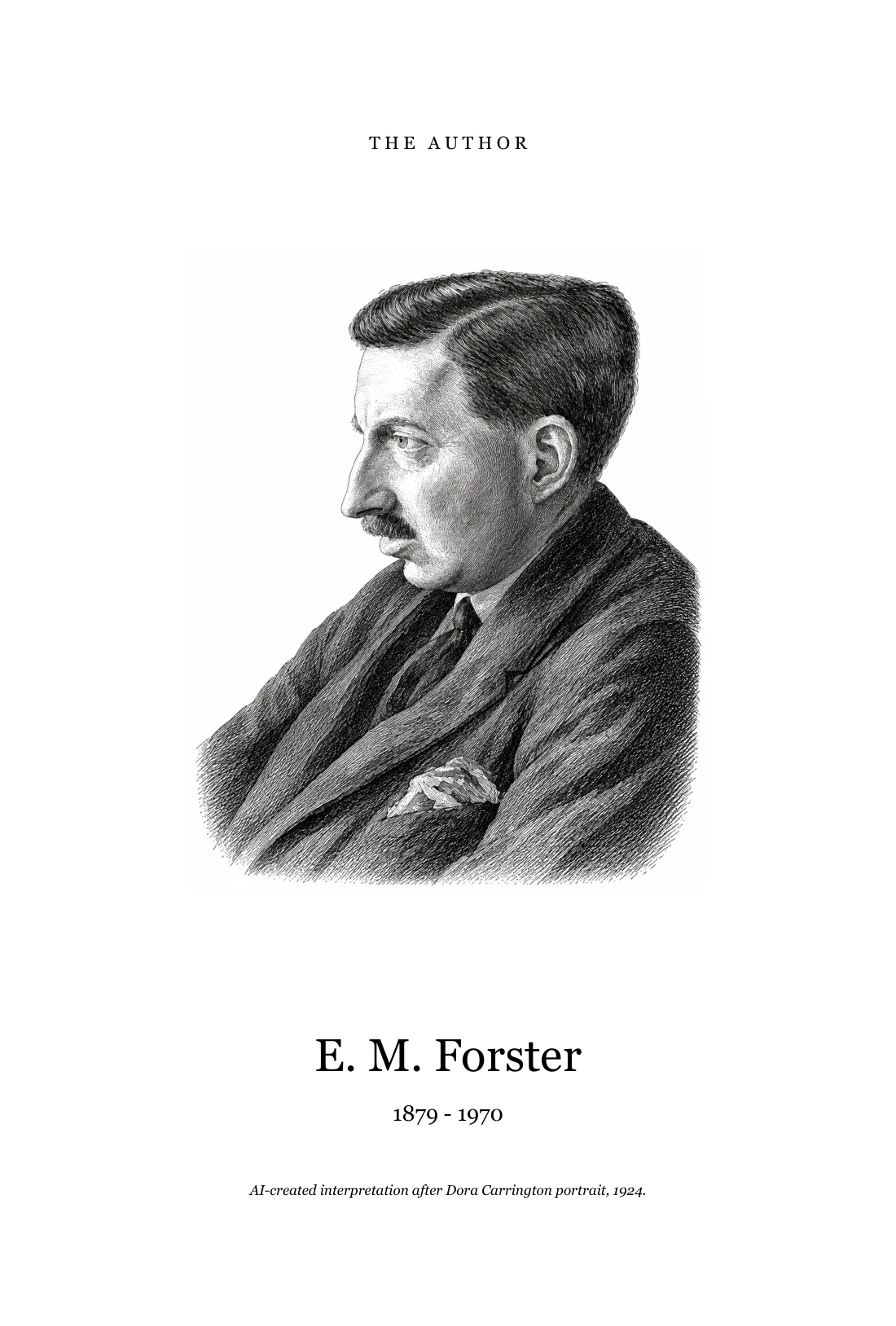
E. M. Forster: only connect
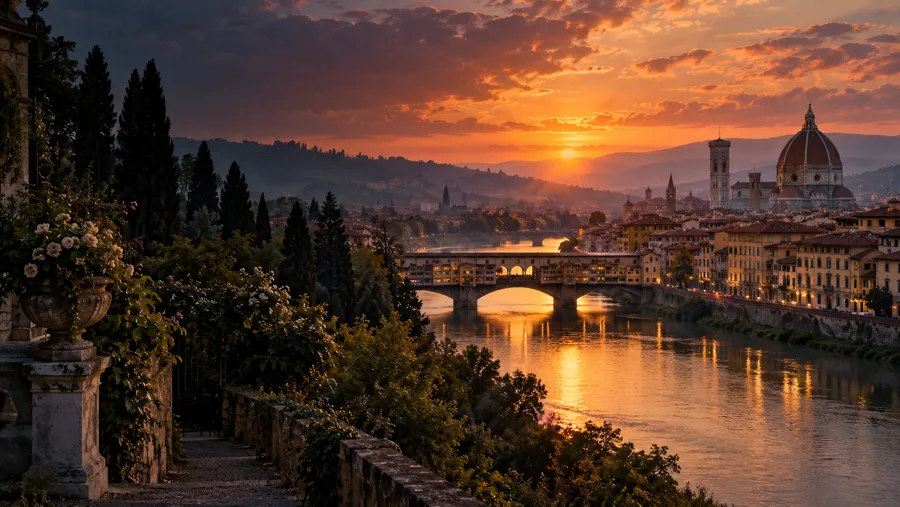
Forster’s A Room with a View (1908) sends Lucy Honeychurch to a Florence pension with her anxious cousin, where a view, a kiss among the violets and a pair of unconventional fellow guests unsettle everything she has been taught. Howards End (1910) is larger and graver. Two cultured, half-German sisters, the Schlegels, become entangled with the Wilcoxes, a family of brisk businessmen, and with Leonard Bast, a clerk clinging to the edge of respectability. At stake is a house, and with it the question of who deserves England.
Only connect the prose and the passion, and both will be exalted, and human love will be seen at its height. Live in fragments no longer.
E. M. Forster, Howards End
After Howards End, Forster published no new novel for fourteen years. When A Passage to India came in 1924, the Edwardian world it might have described had gone.
H. G. Wells and the condition of England
By the 1900s Wells was turning from scientific romance to novels of contemporary life, and Tono-Bungay (1909) is the most ambitious of them. Its narrator, George Ponderevo, helps his uncle turn a worthless patent medicine into a vast fortune and watches the empire built on it collapse. It ran as a serial in the first issues of The English Review, the magazine Ford Madox Hueffer (later Ford Madox Ford) founded in 1908, and it opens with one of the best throwaway lines in Edwardian fiction.
And once (though it is the most incidental thing in my life) I murdered a man....
H. G. Wells, Tono-Bungay
The best Edwardian novels to read
A Room with a View
1908. A young Englishwoman, a Florentine pension and an unsuitable young man. Forster’s sunniest book, and a sly attack on English propriety.
Howards End
1910. Sisters, businessmen, a clerk and a house in Hertfordshire. Forster’s state-of-the-nation novel, by turns funny and devastating.
Tono-Bungay
1909. A quack tonic, a speculative boom and the ruin that follows. Wells’s panorama of an England selling itself.
Kipps
1905. A draper’s apprentice comes into money and finds that class is harder to buy than clothes. Warm, funny and sharp.
The Secret Agent
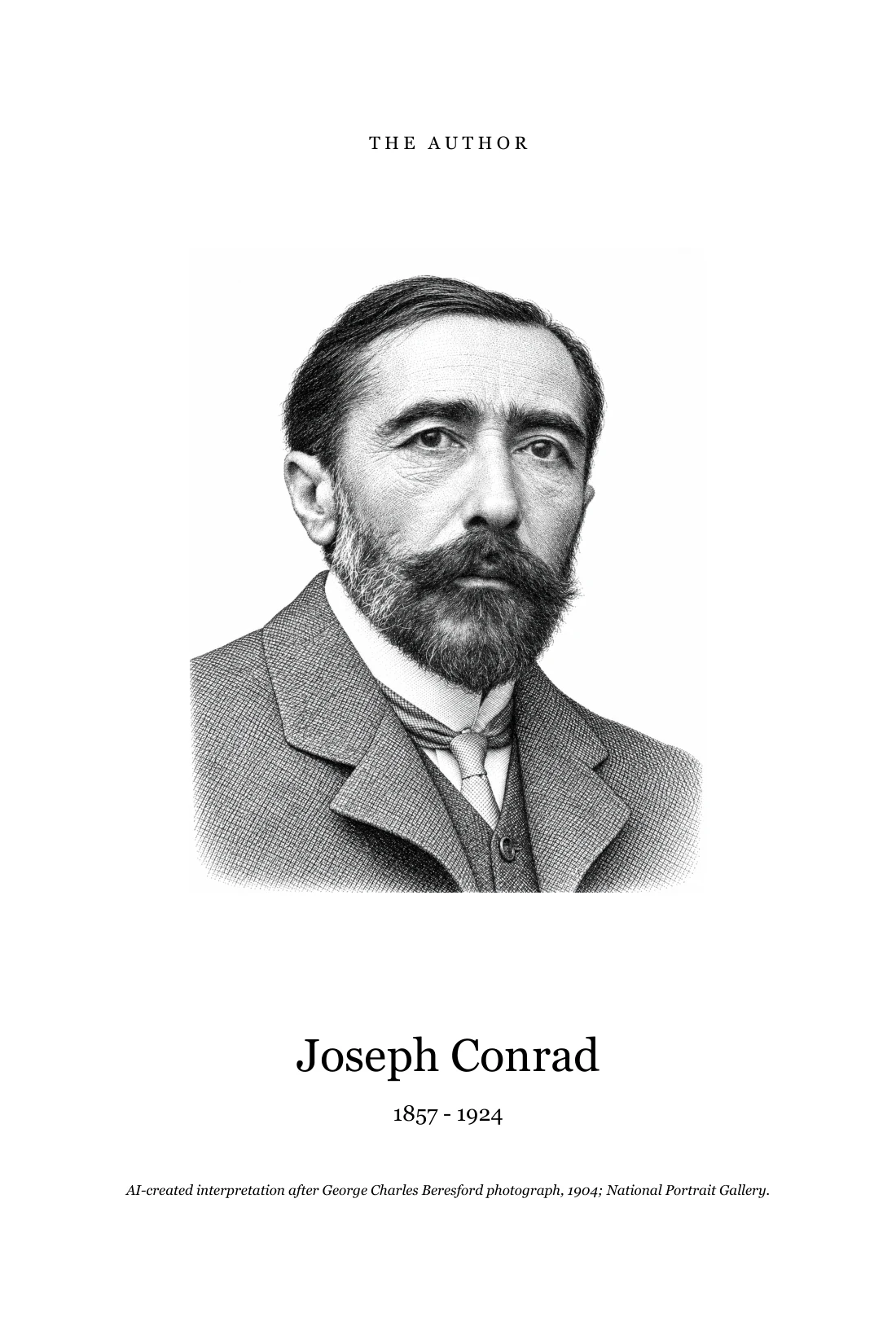
1907, though set in the 1880s. Anarchists, a seedy shop in Soho and a bomb plot. Joseph Conrad’s dark London novel, written in the Edwardian years and full of their unease.


How the Edwardian novel ended
The war did what the critics could not. Writers who had been arguing about England’s future found that future decided in the trenches, and the fiction of the 1920s looked back on the Edwardian years as a lost, sunlit world. Woolf’s essay is part of that story, and you can read it beside her own novels in modernism explained.
For Forster on screen, see A Room with a View and Howards End on film, and for more of the period, where to start with E. M. Forster and H. G. Wells beyond science fiction.
Start with A Room with a View by E. M. Forster, then let H. G. Wells show you the other side of the same decade in Tono-Bungay.
Questions readers ask
What are Edwardian novels?
Edwardian novels are those written during or around the reign of Edward VII (1901–1910), usually extended to 1914. Key examples include E. M. Forster’s A Room with a View and Howards End, H. G. Wells’s Kipps and Tono-Bungay, and Arnold Bennett’s The Old Wives’ Tale.
Who are the main Edwardian novelists?
E. M. Forster, H. G. Wells, Arnold Bennett, John Galsworthy and Joseph Conrad are among the best known, with Henry James writing his late novels in the same years.
What is the difference between Edwardian and Victorian novels?
Edwardian novels keep the Victorian interest in society and class but are usually shorter, more openly argumentative and more concerned with new subjects such as commerce, women’s independence and the future of England.