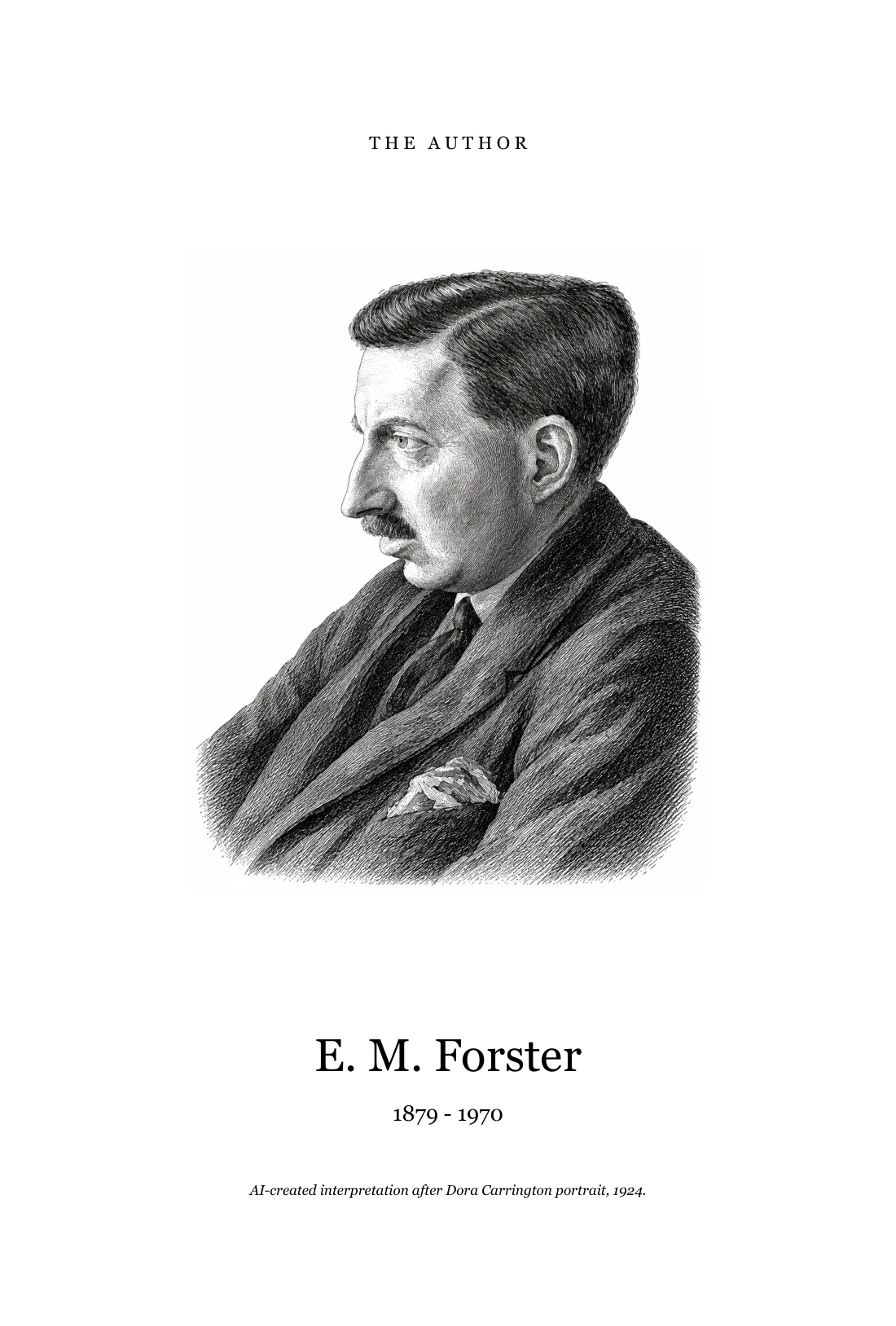
E. M. Forster died in 1970, and for most of his life film-makers had come asking. He turned them down. Directors who wanted A Passage to India found every offer refused; Forster is reported to have felt that any film of it would be a travesty, and a friend later recalled that he also distrusted the American money such productions would need. After his death the rights passed to King’s College, Cambridge, where he had studied and later been made an honorary fellow.
Then the Forster film adaptations arrived in a rush. Between 1984 and 1992 five of his novels reached the cinema, three of them made by the same partnership: the producer Ismail Merchant, the director James Ivory and the screenwriter Ruth Prawer Jhabvala.
Forster film adaptations in order
- 1984
David Lean’s A Passage to India, with Judy Davis, Victor Banerjee, Alec Guinness and Peggy Ashcroft.
- 1985
Merchant Ivory’s A Room with a View, with Helena Bonham Carter, Julian Sands and Maggie Smith, premieres in London in December.
- 1987
Merchant Ivory’s Maurice, from the novel Forster wrote in 1913–14 and left unpublished in his lifetime.
- 1991
Charles Sturridge’s Where Angels Fear to Tread, with Helena Bonham Carter, Judy Davis, Rupert Graves and Helen Mirren.
- 1992
Merchant Ivory’s Howards End, with Emma Thompson, Anthony Hopkins, Helena Bonham Carter and Vanessa Redgrave.
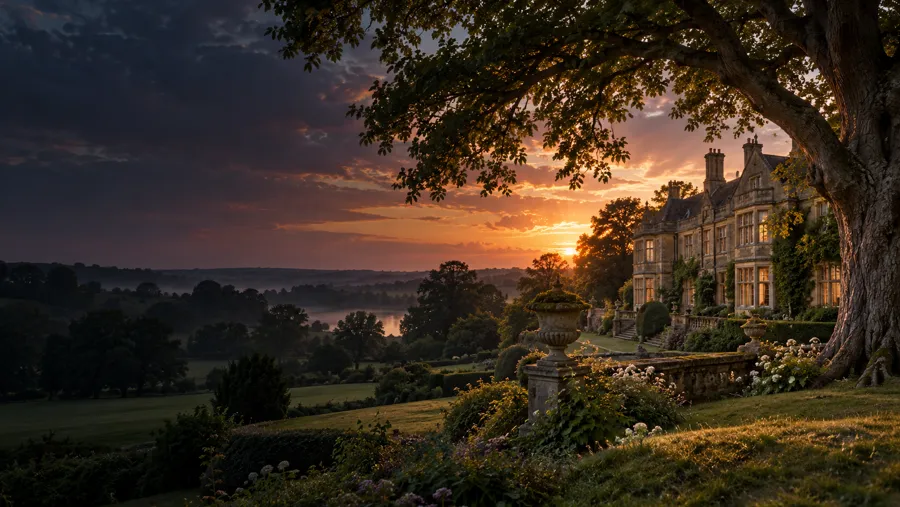
A Room with a View: the film that made the Merchant Ivory name
Merchant and Ivory had been working together since 1961, many of their films made in India, but A Room with a View made them famous. It follows the novel closely, down to dividing the film into sections with chapter titles taken from Forster. Helena Bonham Carter played Lucy Honeychurch, Julian Sands George Emerson, Maggie Smith the anxious chaperone Charlotte Bartlett and Denholm Elliott George’s outspoken father, while Daniel Day-Lewis played the insufferable Cecil Vyse and Judi Dench the romantic novelist Eleanor Lavish.
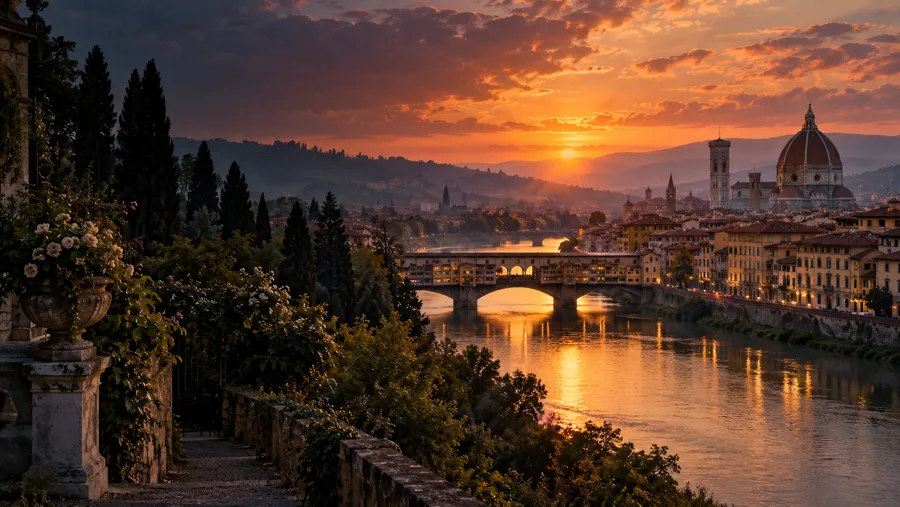
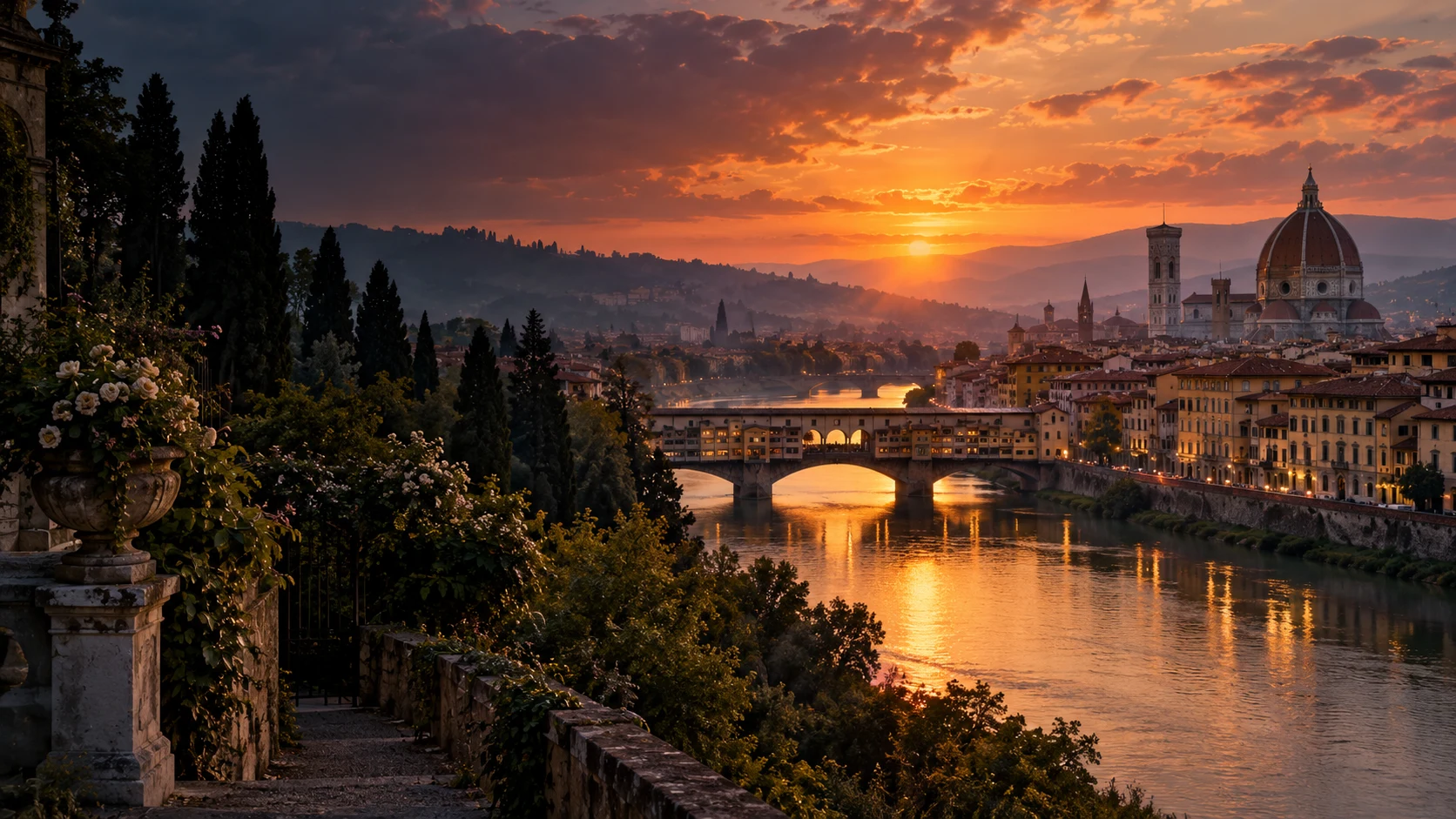
Both book and film begin at the Pensione Bertolini in Florence, with Charlotte complaining about the rooms they have been given.
“The Signora had no business to do it,” said Miss Bartlett, “no business at all. She promised us south rooms with a view close together, instead of which here are north rooms, looking into a courtyard, and a long way apart.”
E. M. Forster, A Room with a View (1908)
The film received eight Academy Award nominations, including Best Picture, and won three: for Jhabvala’s adapted screenplay, for art direction and for costume design.
Howards End: the high point of Merchant Ivory
Howards End (1992) is often considered the finest of the three. Emma Thompson played Margaret Schlegel, the thoughtful elder sister who marries into the brisk, commercial Wilcox family; Anthony Hopkins played Henry Wilcox, Helena Bonham Carter the impulsive Helen, and Vanessa Redgrave the first Mrs Wilcox, Ruth, whose love for the house of the title drives the plot. It received nine Academy Award nominations and won three, including Best Actress for Thompson and a second screenplay Oscar for Jhabvala, and it won the BAFTA for Best Film.
The novel’s famous epigraph, “Only connect…”, comes from a passage in which Margaret thinks about what she hopes to teach Henry.
Only connect the prose and the passion, and both will be exalted, and human love will be seen at its height. Live in fragments no longer.
E. M. Forster, Howards End (1910)
Maurice and the other Forster films
Maurice was Forster’s novel about love between two men, written in 1913–14 and published only after his death, in 1971. Ivory’s 1987 film, with James Wilby, Hugh Grant and Rupert Graves, won the Silver Lion for Best Director at the Venice Film Festival, shared with Ermanno Olmi, and Wilby and Grant shared the festival’s Best Actor award.
The two non-Merchant Ivory films matter too. David Lean’s A Passage to India earned eleven Academy Award nominations, and Peggy Ashcroft, at seventy-seven, became the oldest winner of Best Supporting Actress up to that time. Television has returned to the novels since: Andrew Davies adapted A Room with a View for ITV in 2007, and Kenneth Lonergan wrote a four-part Howards End for the BBC in 2017, with Hayley Atwell as Margaret.
Should you read Forster before watching?
Yes, because the novels have a voice the films can only hint at: Forster’s narrator, who comments, teases and occasionally lectures, and who is very funny. The Merchant Ivory films are faithful to the stories and the settings; the books add the irony. We suggest which to read first in Where to start with E. M. Forster.
For other films made from classics, see Pride and Prejudice on screen or browse the romance shelf. And start, as the films did, in Florence, with the wrong rooms and no view: A Room with a View is the gentlest way into Forster there is.
Questions readers ask
Which E. M. Forster novels have been made into films?
A Passage to India (1984), A Room with a View (1985), Maurice (1987), Where Angels Fear to Tread (1991) and Howards End (1992). The one novel missing from that run is The Longest Journey (1907).
Did E. M. Forster allow his books to be filmed?
Not for the cinema. He refused offers to film his novels during his lifetime, although BBC television broadcast a version of A Passage to India, based on Santha Rama Rau’s stage adaptation, in 1965. The film rights passed to King’s College, Cambridge, after his death in 1970, and the adaptations followed from 1984.
How many Oscars did Howards End win?
Three, from nine nominations: Best Actress for Emma Thompson, Best Adapted Screenplay for Ruth Prawer Jhabvala and Best Art Direction.
Is the Merchant Ivory A Room with a View faithful to the book?
Very. It follows Forster’s plot closely and even uses his chapter titles to divide the film into sections.
 The eternal moment, and other stories102 pages · $11.99
 Where Angels Fear to Tread124 pages · $11.99
 Aspects of the Novel124 pages · $11.99