On 7 February 1910 a party of Abyssinian royals in flowing robes was shown round HMS Dreadnought, the pride of the Royal Navy. One of the “princes” was a young woman called Virginia Stephen. Another was the painter Duncan Grant. The hoax was organised by the prankster Horace de Vere Cole, with costumes and blackface make-up from a theatrical costumier, and once Cole told the press, the Navy briefly became a laughing stock. It is an odd way to meet the Bloomsbury Group, but a telling one: irreverent, privileged, clever and determined not to take the establishment at its own valuation.
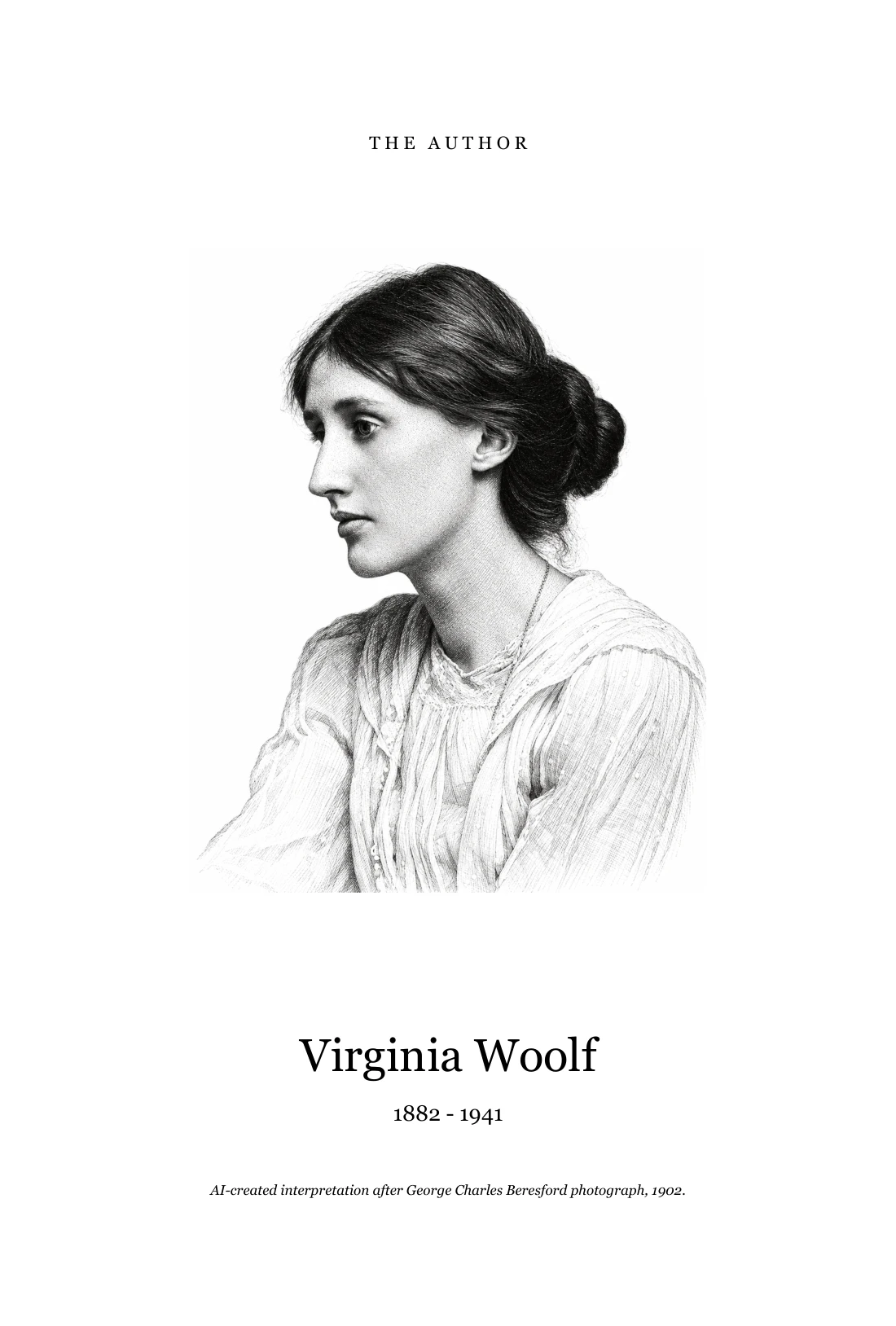
Virginia Stephen soon became Virginia Woolf, and the friends around her became the most talked-about circle in English culture. The Bloomsbury Group was a loose set of writers, artists and thinkers, linked by friendship, marriage and love affairs, who lived and worked around the squares of Bloomsbury in London from about 1905 into the 1930s.
Who were the Bloomsbury Group members?
Most accounts name ten core members:
- Virginia Woolf, novelist and essayist
- Vanessa Bell, her sister, a painter
- Leonard Woolf, Virginia’s husband, writer and publisher
- Clive Bell, Vanessa’s husband, an art critic
- Lytton Strachey, biographer
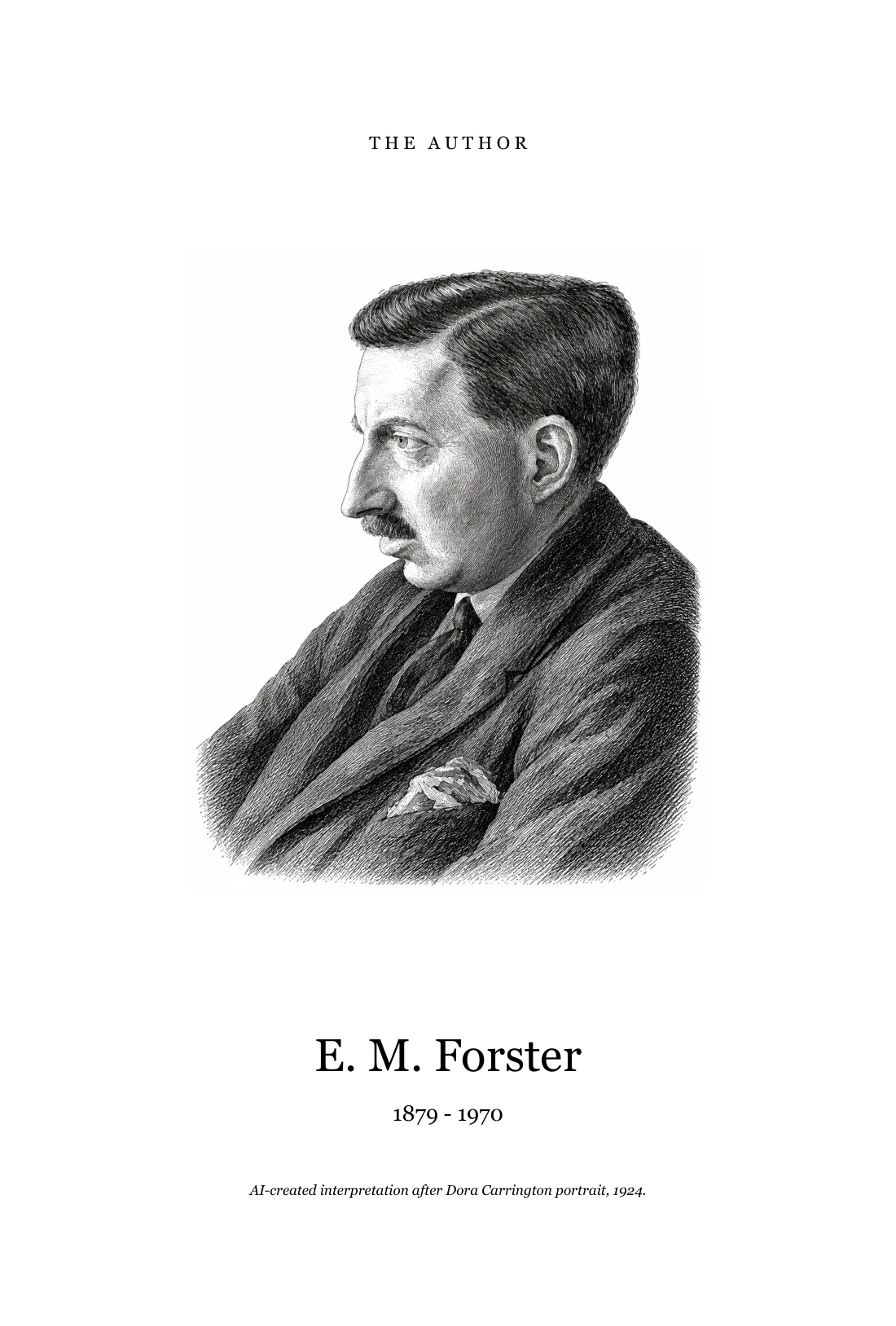
- E. M. Forster, novelist
- John Maynard Keynes, economist
- Roger Fry, painter and critic
- Duncan Grant, painter
- Desmond MacCarthy, literary journalist
Around them moved a wider ring of relatives, lovers and friends, from Adrian Stephen and Molly MacCarthy to, later, Vita Sackville-West, who became the best-selling author of the group’s publishing house.

How the group began
The story starts at Cambridge, where Lytton Strachey, Leonard Woolf, Clive Bell and Saxon Sydney-Turner became friends with Thoby Stephen at Trinity in 1899. Most of the men, apart from Bell and the Stephen brothers, belonged to the Cambridge Apostles, a secret discussion society. When the Stephens’ father, the critic Leslie Stephen, died in 1904, Thoby, Adrian, Vanessa and Virginia left their family home in Kensington for 46 Gordon Square in bohemian Bloomsbury.
From 1905 Thoby held “Thursday Evenings” there for his Cambridge friends, and Vanessa started a Friday Club for artists. Thoby died of typhoid in 1906, at twenty-six, and his loss drew the others closer. Marriages followed: Clive Bell married Vanessa in 1907, and Leonard Woolf came home from the colonial service in Ceylon to marry Virginia in 1912.
What did the Bloomsbury Group do?
Their influence reached well beyond fiction. Roger Fry’s exhibition “Manet and the Post-Impressionists”, at the Grafton Galleries in November 1910, gave the British public its first proper look at Cézanne, Gauguin, Van Gogh and Matisse, and many visitors thought Fry had lost his mind; in 1913 Fry, Grant and Vanessa Bell founded the Omega Workshops, selling furniture and fabrics marked only with the Greek letter omega. In 1917 Leonard and Virginia bought a hand press for £19, set it up in the dining room of Hogarth House in Richmond and founded the Hogarth Press, which went on to publish T. S. Eliot, Katherine Mansfield and the standard English translations of Freud, as well as Virginia herself.
In 1918 Strachey’s Eminent Victorians punctured four Victorian heroes and reinvented biography. In 1919 Keynes’s The Economic Consequences of the Peace, an attack on the Treaty of Versailles, made him internationally famous. Most of the men were conscientious objectors during the First World War. In the country, Vanessa Bell and Duncan Grant made a painted home at Charleston in Sussex from 1916, and the Woolfs bought Monk’s House nearby in 1919.
Their private lives were famously tangled. They prized honesty in love as in everything else, and if that meant triangles, or more complicated shapes, they accepted them. To their critics, Bloomsbury looked snobbish and cliquish; to their admirers, it was a rare experiment in living by one’s own lights. Both views have survived.
He reads for his own pleasure rather than to impart knowledge or correct the opinions of others.
Virginia Woolf on the common reader, *The Common Reader* (1925)
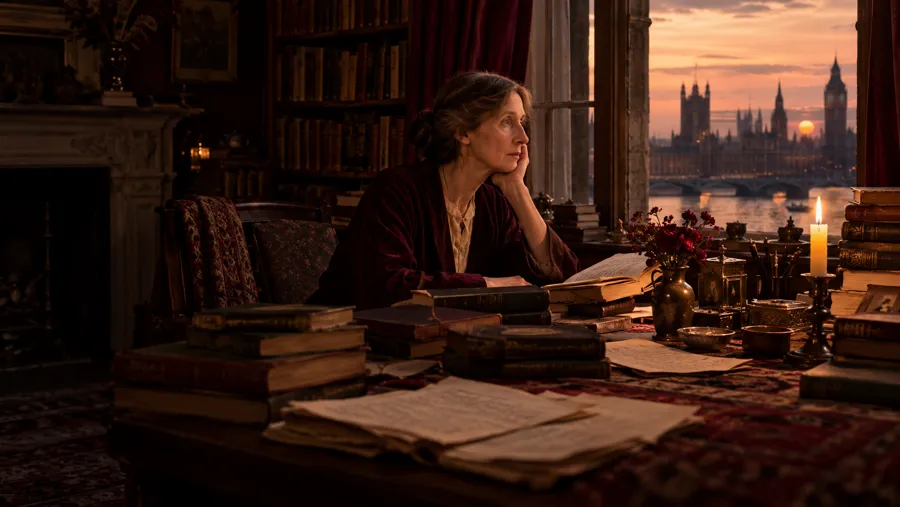
Bloomsbury Group writers: where to start
For readers, Bloomsbury mainly means Woolf and Forster. Forster had published three novels before the group’s heyday and was the first of them to find real success, with Howards End in 1910. Woolf took longer: her first novel, The Voyage Out, appeared in 1915, and her great experimental books came in the 1920s, beginning with Jacob’s Room and Mrs Dalloway.
Mrs. Dalloway
1925. One June day in London, a party, a shell-shocked veteran and Big Ben marking the hours. Woolf’s most approachable novel.
A Room with a View
1908. Forster’s sunniest book: Lucy Honeychurch, a Florentine pension and an English suburb, and the choice between convention and feeling.
The Common Reader
1925. Woolf’s first collection of essays, written for ordinary readers, on everyone from Chaucer to Conrad.
Howards End
1910. Forster’s breakthrough, about two sisters, a businessman’s family and who will inherit a house. “Only connect” starts here.


For a fuller route through Woolf, see where to start with Virginia Woolf and Virginia Woolf’s early books in order; for Forster, where to start with E. M. Forster. The wider movement they belonged to is explained in modernism explained.
Mrs Dalloway is the easiest way in. Clarissa sets out to buy the flowers herself on the very first line, and by evening Woolf has shown you what Bloomsbury thought a novel could do.
Questions readers ask
Who were the members of the Bloomsbury Group?
The core members were Virginia Woolf, Vanessa Bell, Leonard Woolf, Clive Bell, Lytton Strachey, E. M. Forster, John Maynard Keynes, Roger Fry, Duncan Grant and Desmond MacCarthy.
Why is it called the Bloomsbury Group?
Because its members lived around the squares of Bloomsbury in central London, beginning when the Stephen siblings moved to 46 Gordon Square in 1904.
What did the Bloomsbury Group believe?
Influenced by the philosopher G. E. Moore, they valued friendship, honesty, beauty and the pursuit of knowledge above public duty and convention, and many were pacifists during the First World War.
Was E. M. Forster part of the Bloomsbury Group?
Yes, though he was on its quieter edge. He came to the group through Cambridge friendships and is counted among its ten core members.
 Night and Day444 pages · $20.99
 The Voyage Out364 pages · $18.99
 Jacob's Room172 pages · $13.99
 Monday or Tuesday52 pages · $9.99