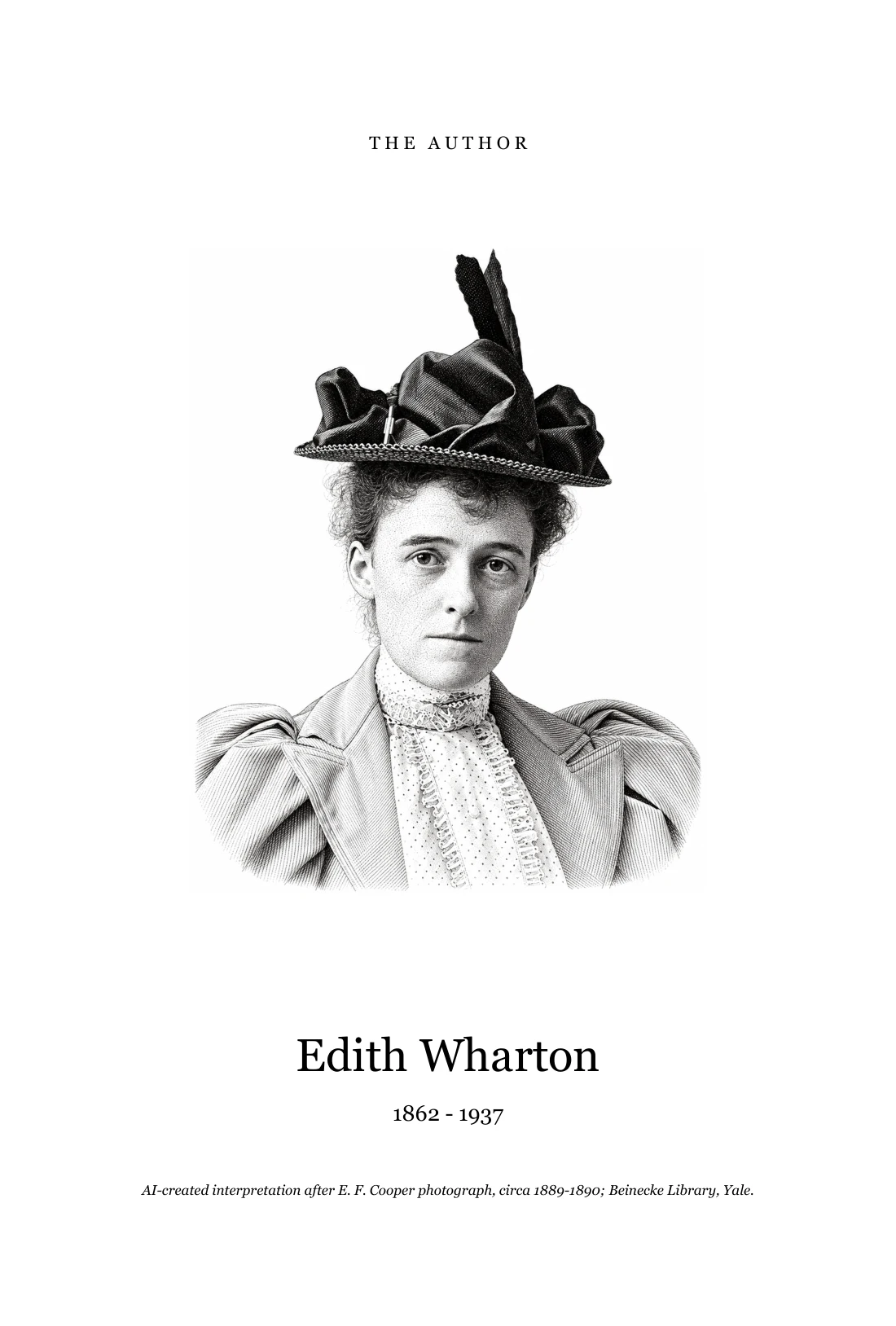

Undine Spragg, the heroine of Edith Wharton’s The Custom of the Country, was named after a hair-waver. Her mother explains it to a startled New York suitor: her own father had put a curling product on the market the week the baby was born, and called it after the French for crimping. The Spraggs have since made far more money in the Midwest, and Undine has come east to spend it. From her name onwards, she is a product.
Few novels are quite as frank as Wharton’s, but nearly every classic novel about money asks the same questions. Where did the fortune come from? What does it cost the person who holds it? The books below answer in four different ways, so we have grouped them by the source of the money: inherited, married, earned or hoarded.
Money you inherit
Great Expectations
Serialised 1860–61. A lawyer tells a blacksmith’s boy that he “will come into a handsome property” and is to be brought up as a gentleman. Who is paying, and why, is the question that drives the whole novel.
T. Tembarom
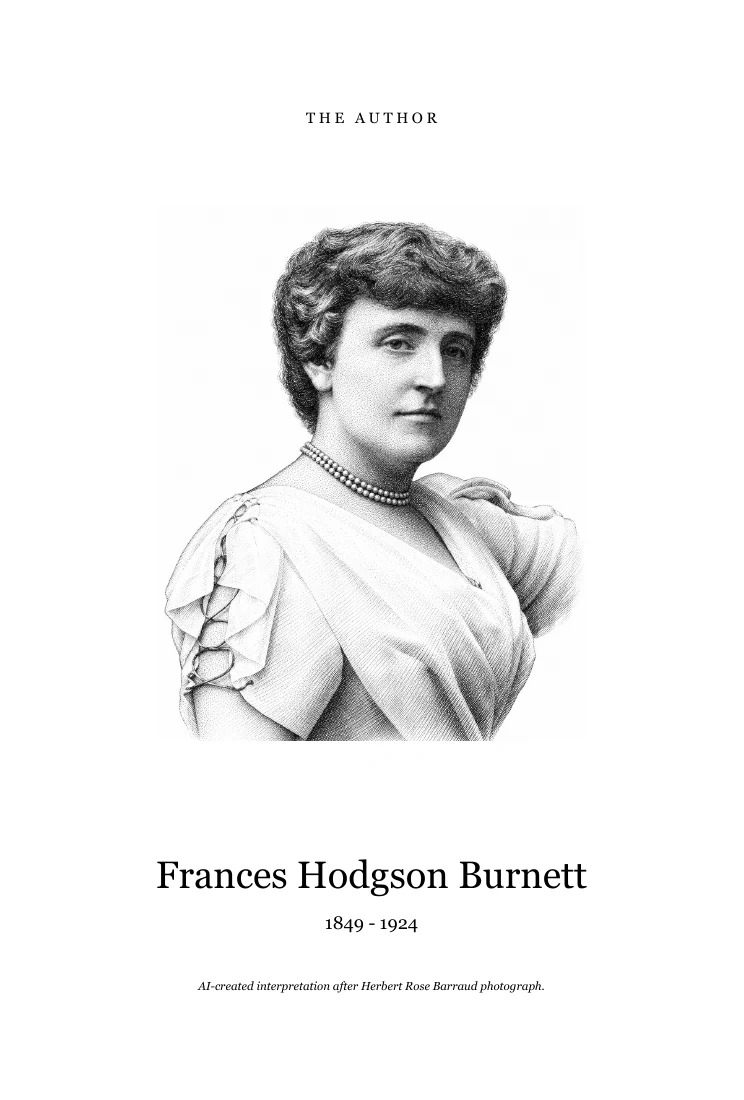
1913. A cheerful New York newspaper reporter learns he is heir to an English estate and a huge fortune. Frances Hodgson Burnett’s best-seller asks whether money changes a decent man, and answers with unfashionable optimism.
Washington Square
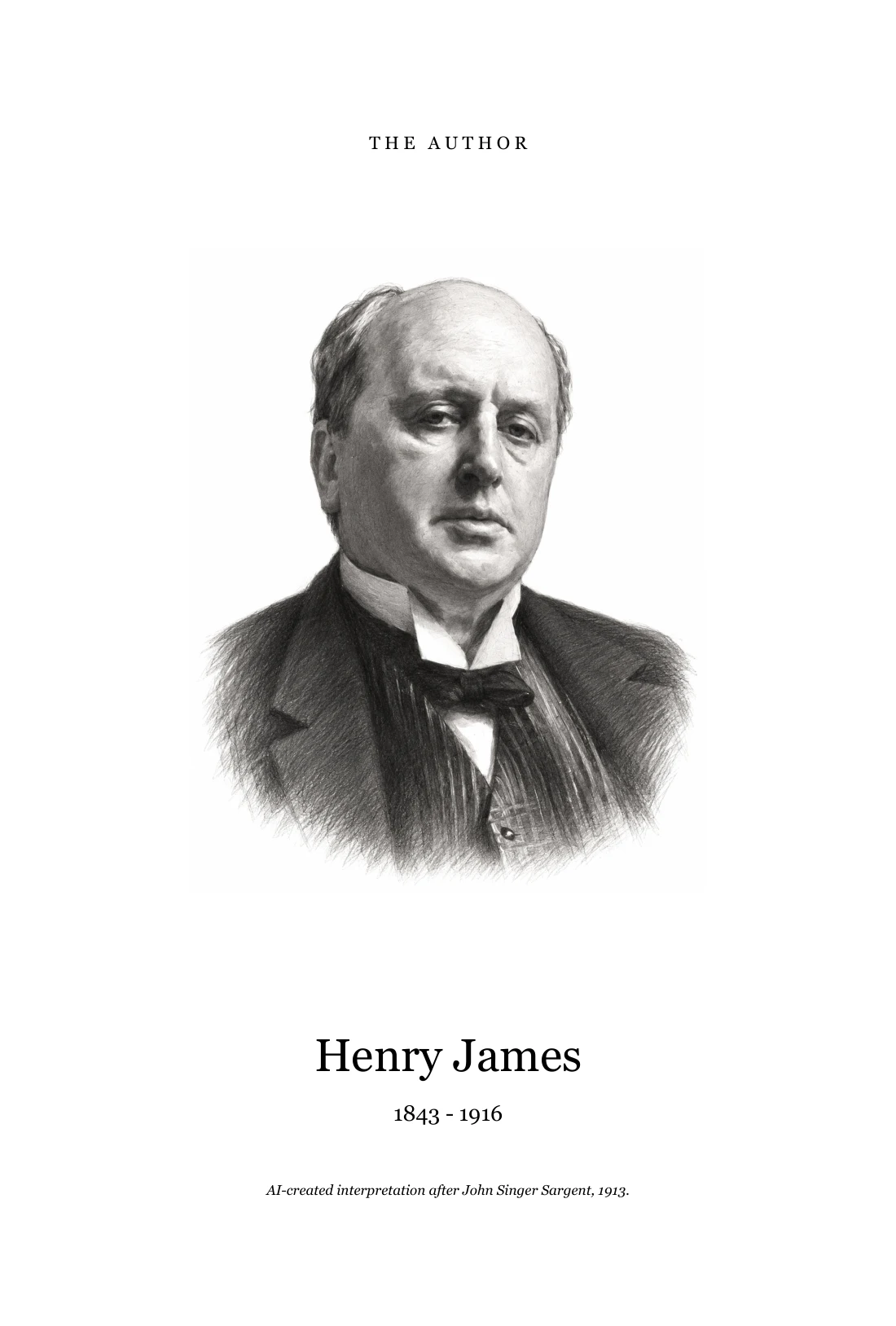
1880. A plain, shy New York heiress, a charming suitor with no money of his own and a father convinced the young man is only after her prospective thirty thousand a year. James is unsparing about all three of them.


Inheritance is the oldest plot in fiction about money because it arrives without effort and so tests character at once. Pip becomes a snob almost overnight; Burnett’s Tembarom, once a newsboy, stays recognisably himself. Charles Dickens and Frances Hodgson Burnett come to opposite conclusions about what sudden money does, and reading the two together makes both books richer.

Money you marry
The Custom of the Country
1913. Undine Spragg climbs from Apex City to old New York and on to the French aristocracy, trading husbands as the market rises. Wharton’s most ferocious novel and one of her funniest.
Father Goriot
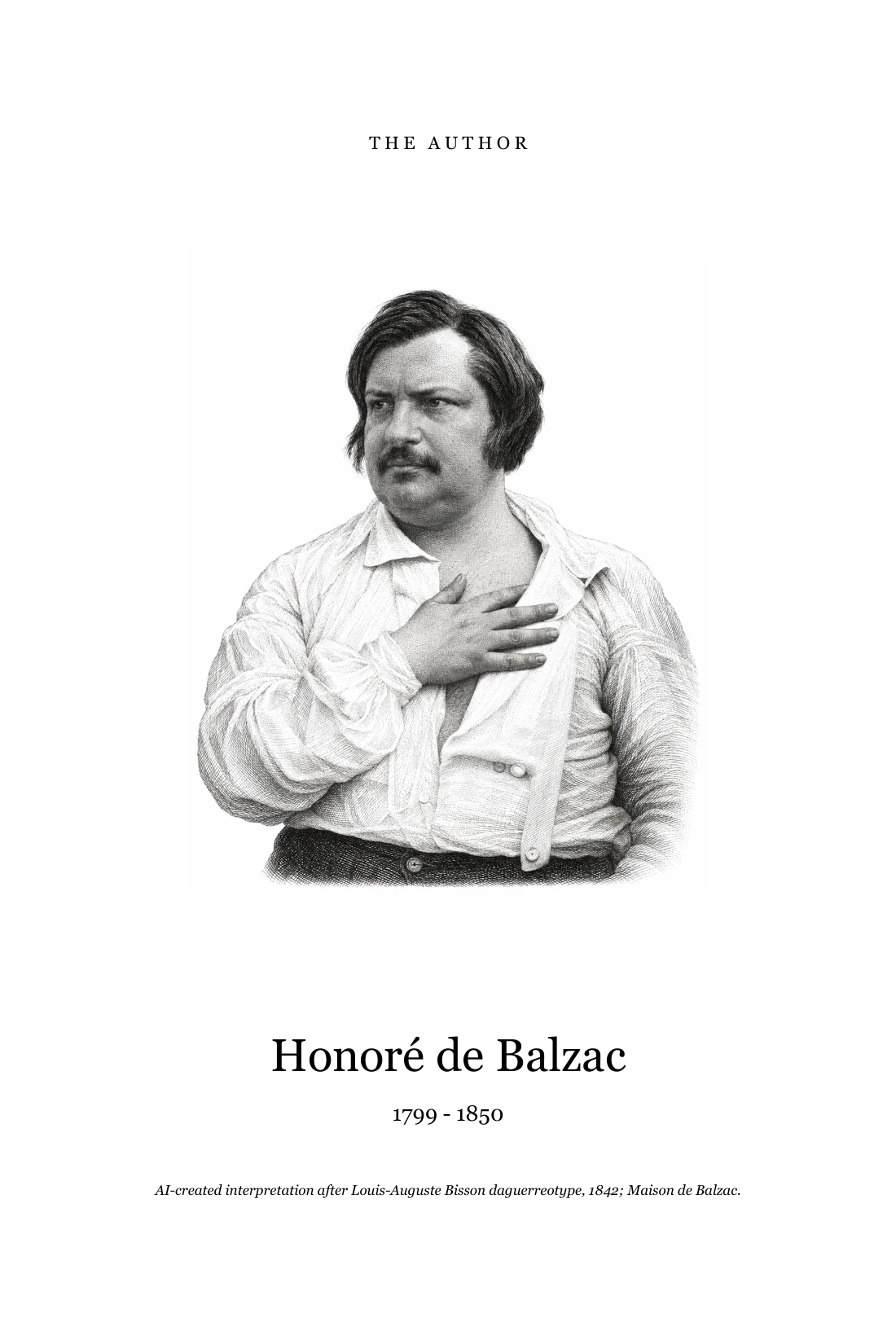
1835. A retired vermicelli-maker beggars himself to keep his married daughters in society, while a young student in the same boarding house learns the price of getting on. The arch-criminal Vautrin explains it to him in a single sentence.


The secret of a great success for which you are at a loss to account is a crime that has never been found out, because it was properly executed.
Honoré de Balzac, Father Goriot, translated by Ellen Marriage
That line is often, and loosely, paraphrased as “behind every great fortune is a great crime.” Honoré de Balzac did not quite say that, but his whole Human Comedy is an argument for it. Read Balzac’s poor relations for two more of his novels about what families do for money.
Money you earn
New Grub Street
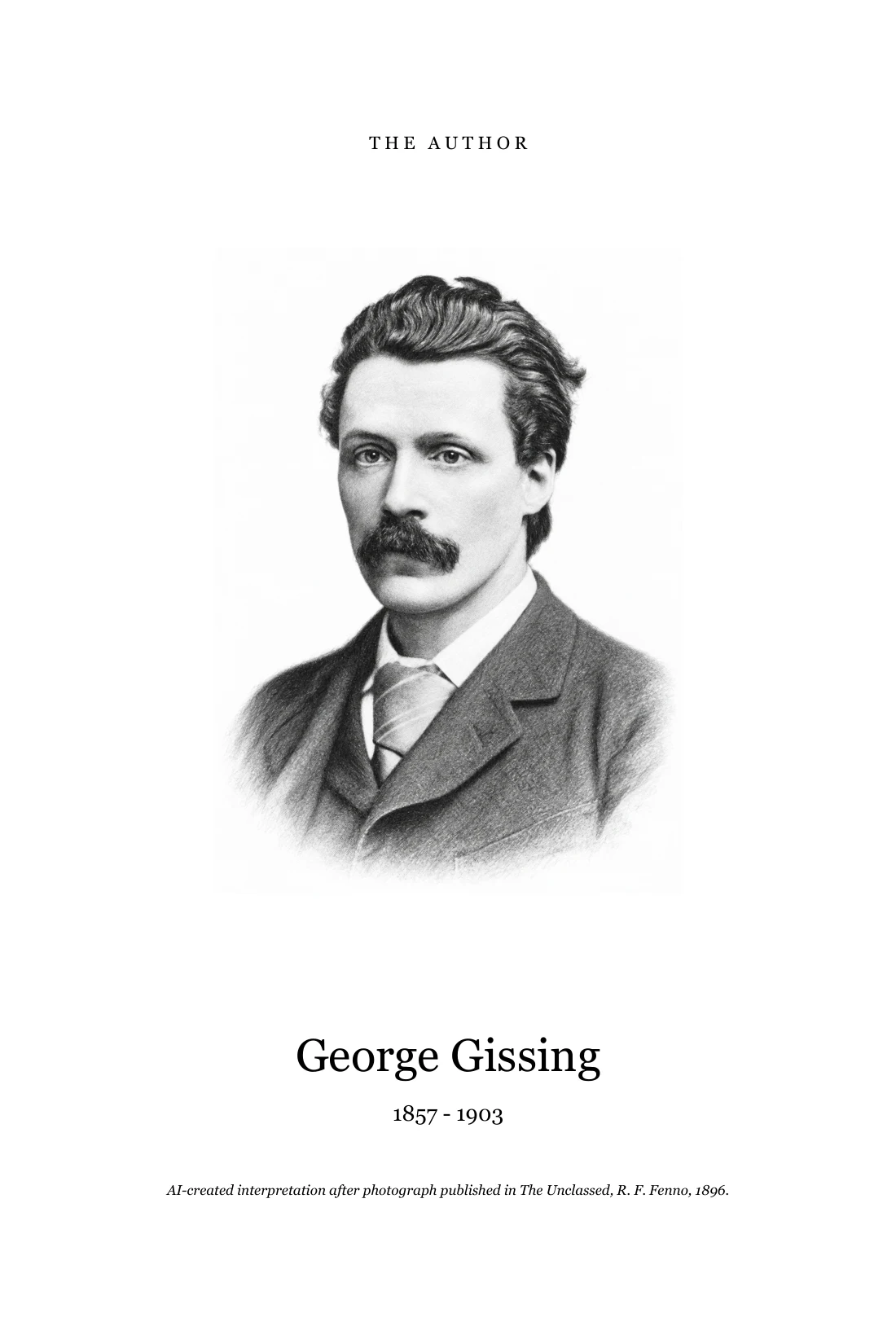
1891. Two writers in 1880s London: Edwin Reardon, talented and failing, and Jasper Milvain, a journalist who writes for the market and gets on. George Gissing’s great novel about what happens when art has to pay the rent.
Tono-Bungay
1909. George Ponderevo helps his uncle turn a dubious patent medicine into a vast fortune built on advertising. H. G. Wells’s portrait of the new money of Edwardian England, and of how quickly it can disappear.
Reminiscences of a Stock Operator
1923. The first-person story of Larry Livingston, a stock speculator closely modelled on Jesse Livermore. A novel about nerve, losses and the psychology of the market.


Jasper Milvain is the most honest character in New Grub Street about what he is doing. “Literature nowadays is a trade,” he tells his sisters, and he means it as a business plan. George Gissing gives him the success and the sympathy goes to Reardon, but he never pretends the market is going away. Our post on New Grub Street looks closer, and the story behind Reminiscences of a Stock Operator follows the real trader behind Larry Livingston.

Money you hoard
Old Grandet is the counterweight to everyone else on this list. He does not want money for what it can buy; he wants it for itself, and he gets richer while his household lives on almost nothing. Balzac makes him fascinating rather than merely monstrous, which is the most unsettling thing about him.
Three novels about money to start with
For a page-turner, Great Expectations. For satire with a modern edge, The Custom of the Country, whose heroine would be at home in any century with a stock market. And for a book that makes the economics of writing feel personal, New Grub Street. For more on Edith Wharton, see Edith Wharton’s overlooked books and our list of classic books about ambition.
Questions readers ask
What are the best classic novels about money?
Great Expectations, Father Goriot, Eugénie Grandet, The Custom of the Country, New Grub Street, Tono-Bungay and Washington Square are among the best classic novels about money, greed and ambition.
Which Edith Wharton novel is about money?
Nearly all of them, but The Custom of the Country (1913) is the most direct. Its heroine, Undine Spragg, uses marriage to climb from new Midwestern money into old New York and European society.
Who said behind every great fortune is a great crime?
The saying is usually attributed to Balzac, but it is a paraphrase. In Father Goriot the criminal Vautrin says that the secret of an unexplained great success is a crime that has never been found out.