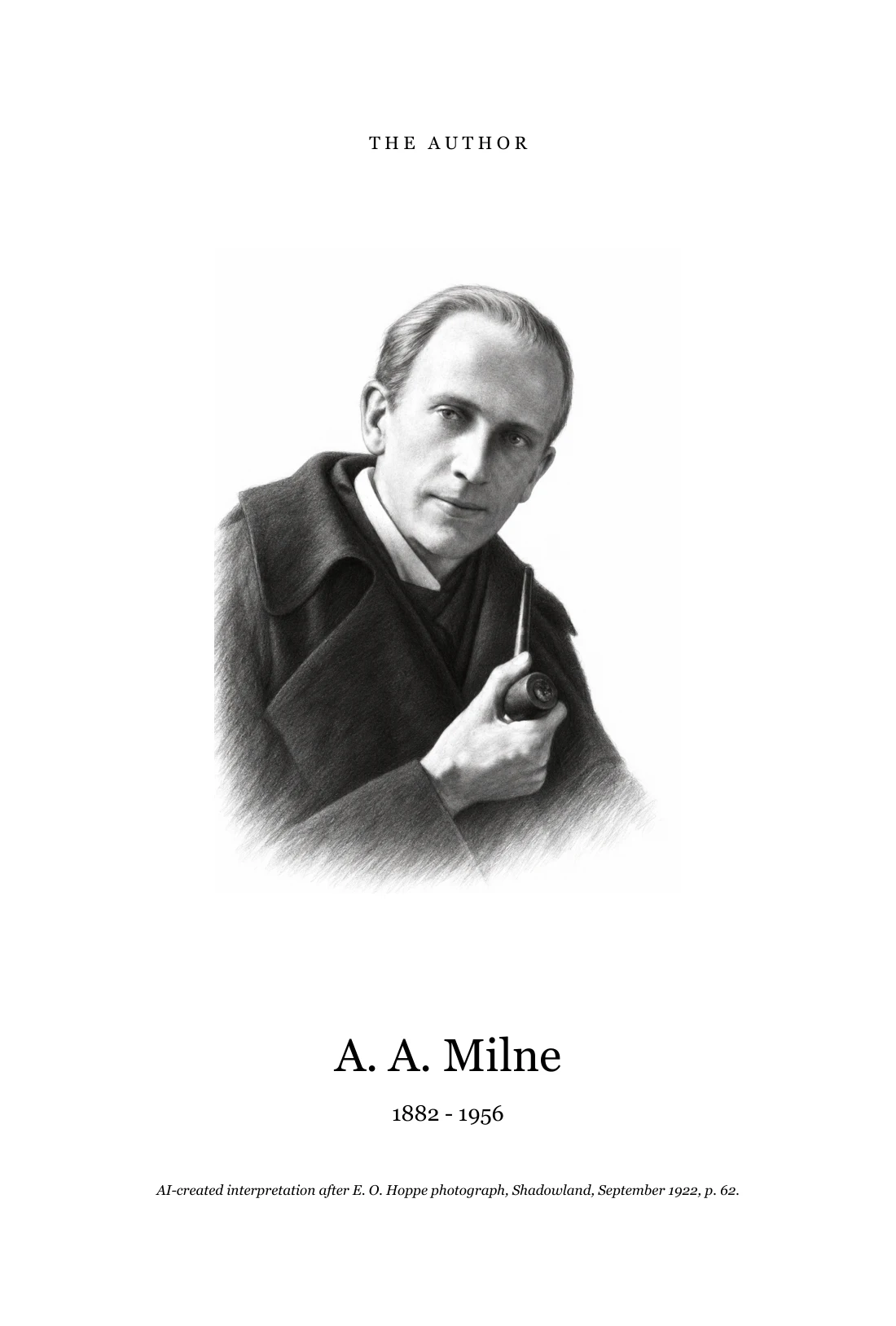
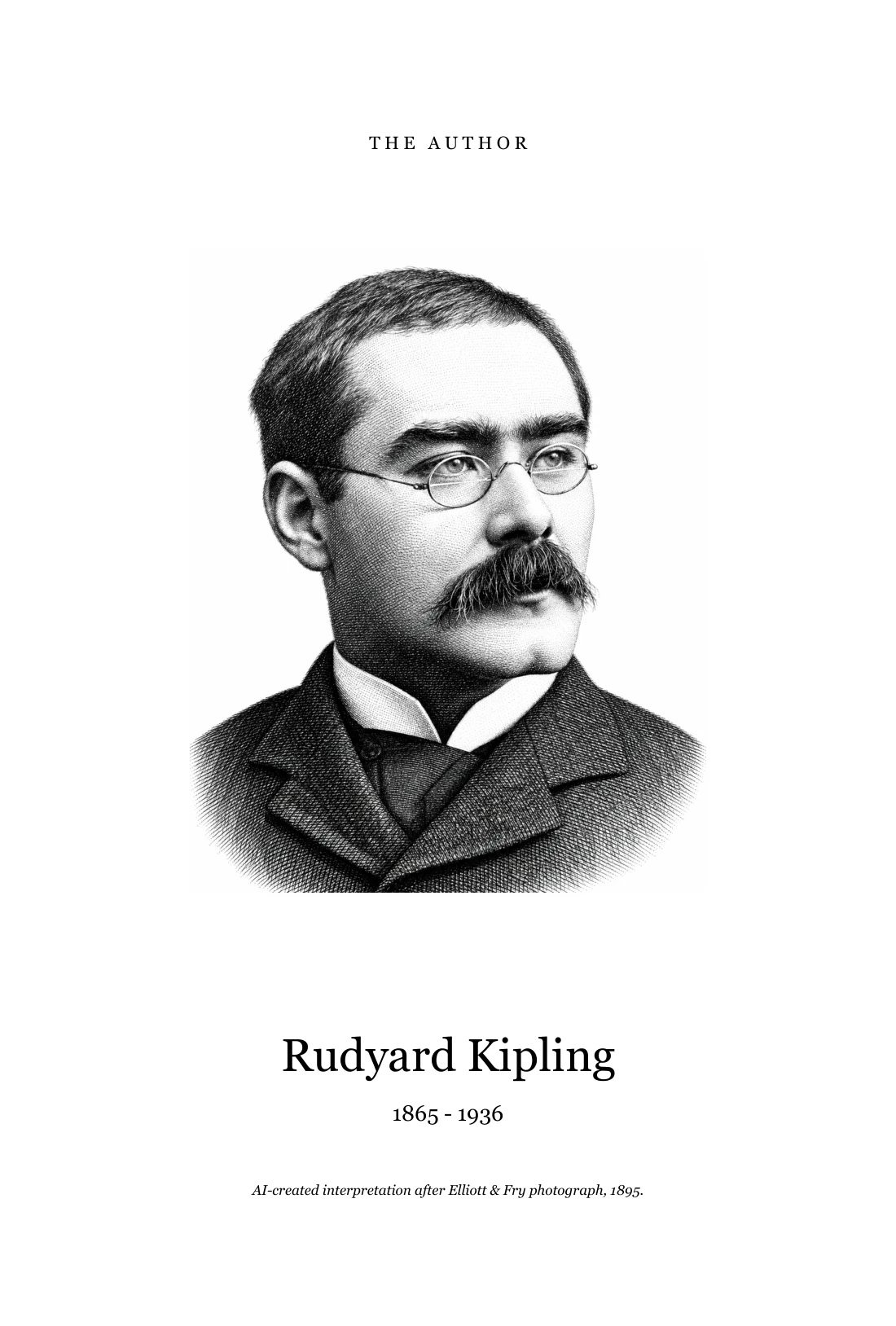
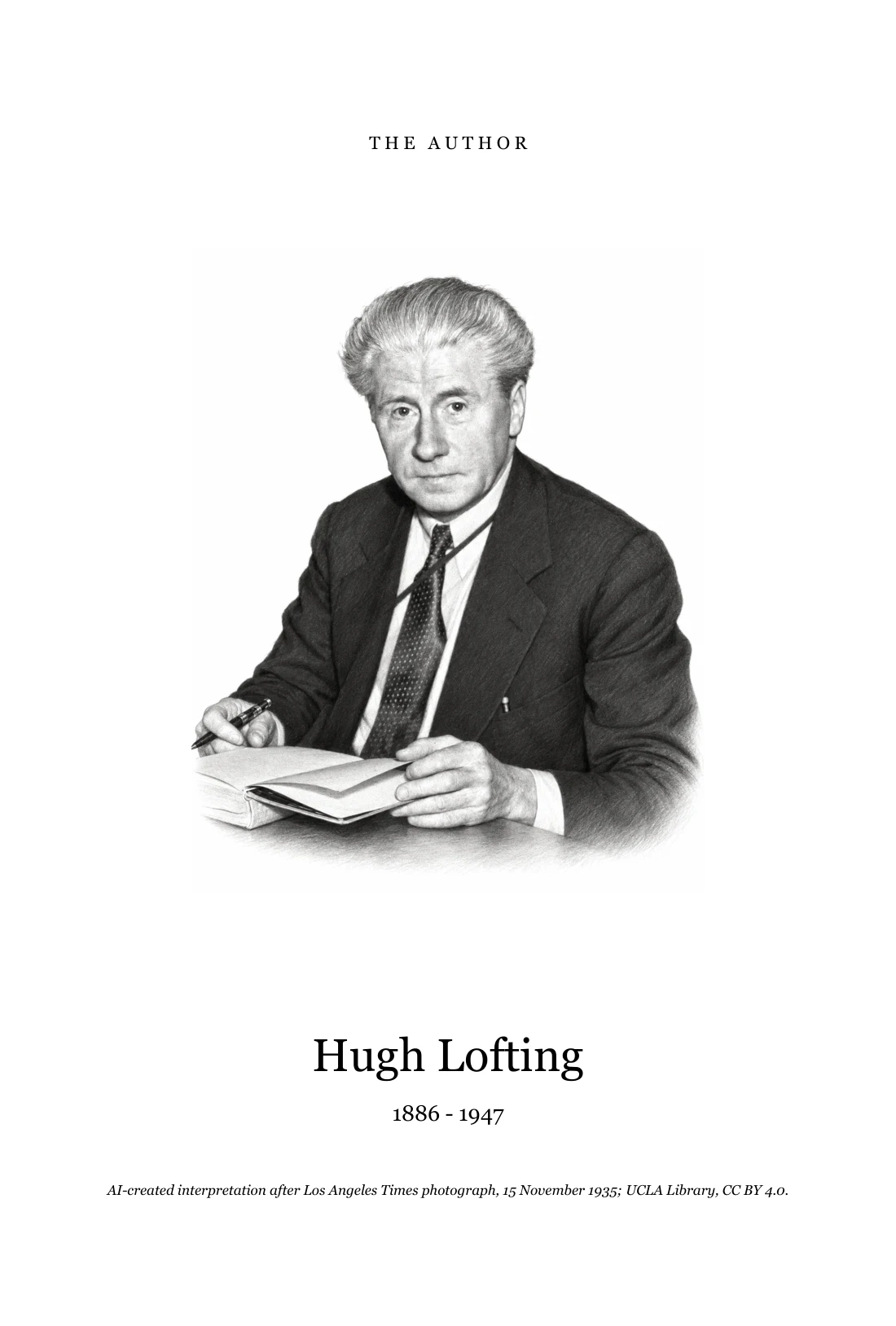
When Winnie-the-Pooh was published on 14 October 1926, the boy in it, Christopher Robin Milne, was six. Kipling’s Just So Stories had an even more personal start, as bedtime stories told to his daughter Josephine when she was about five, and Doctor Dolittle grew out of letters Hugh Lofting sent his own children. Some of the best classic books for 6-year-olds were made with a real small child in mind, and it shows in every line: the jokes land at that age, the chapters end before attention wanders, and the grown-up reading aloud is given plenty to perform.
Below are four that we would put at the top of any list of books for 5 and 6-year-olds, with what to expect from each, a few honest warnings, and some ideas for what comes next.
The best classic books for 6-year-olds
Winnie-the-Pooh
1926. Ten stories from the Hundred Acre Wood, each complete in one sitting. The best first book of chapters there is, for five-year-olds and up.
Just So Stories
1902. Tall tales about how animals got their humps, trunks and spots, written to be performed by whoever is reading. Ages 4 and up.
The Velveteen Rabbit
1922. A toy rabbit learns from the old Skin Horse how toys become Real. Short, beautiful and genuinely sad before it is happy. Ages 5 and up.
The Story of Doctor Dolittle
1920. A country doctor learns animal language from his parrot and sails to Africa to cure the monkeys. Brilliant fun, with one passage you will want to know about first. Ages 6 and up.


Why these four work at five and six
Winnie-the-Pooh is built in the right units. Each of its ten chapters is a self-contained story, so a five-year-old meets Eeyore’s lost tail one night and Kanga and Roo on another without having to remember a plot. A. A. Milne frames the book as stories told to Christopher Robin about his own toys, and children love being let in on that. When they finish, there is The House at Pooh Corner (1928), where Tigger arrives; see the Winnie-the-Pooh books for the full set.
Just So Stories are a performance piece. Rudyard Kipling talks straight to his listener as “Best Beloved”, invents words, and repeats phrases until they become a chant. A small fish asks the Whale whether he has ever tasted Man, and when the Whale asks what it is like, the answer is “Nice but nubbly”. A five-year-old who has heard that once will say it at every meal for a week. Josephine Kipling never saw the finished book; she died of pneumonia in 1899, aged six, three years before it was published.
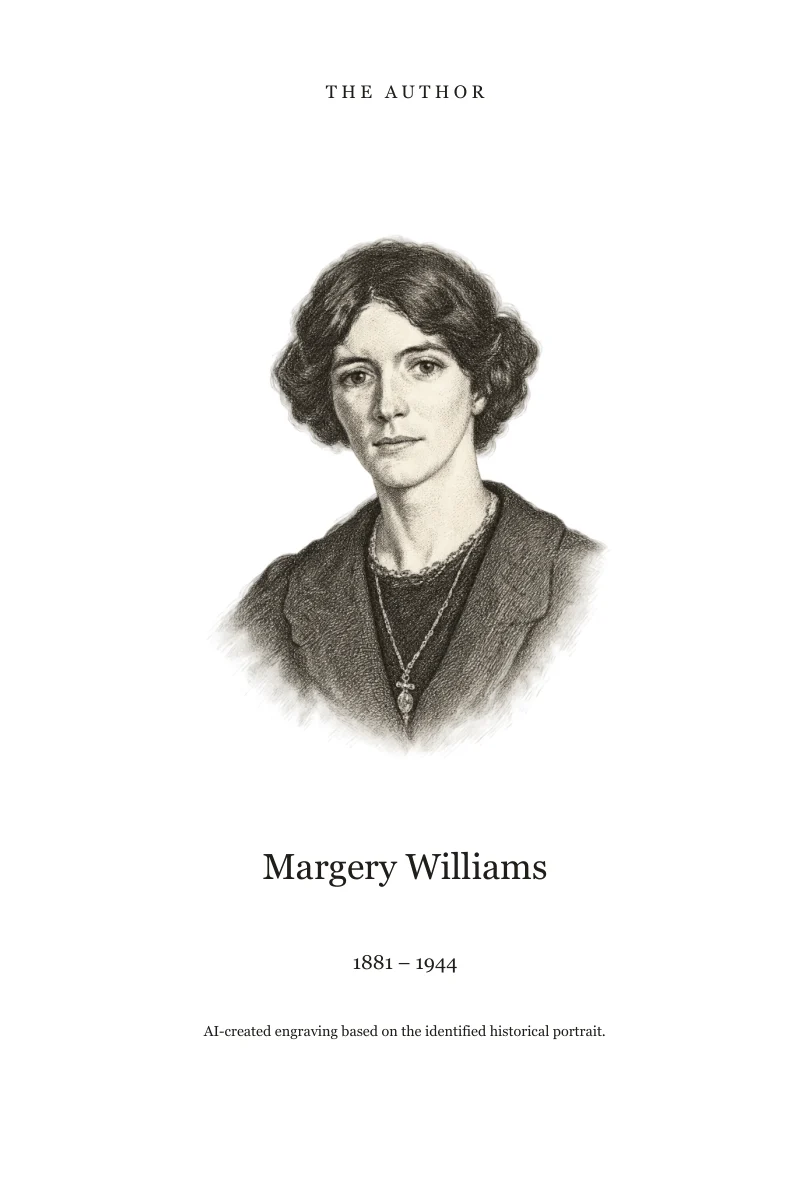
The Velveteen Rabbit by Margery Williams is the one to read when you have time to talk afterwards. Its most famous passage is the Skin Horse explaining how toys become Real.
“Real isn’t how you are made,” said the Skin Horse. “It’s a thing that happens to you. When a child loves you for a long, long time, not just to play with, but REALLY loves you, then you become Real.”
Margery Williams, The Velveteen Rabbit (1922)
Then the Boy falls ill with scarlet fever, and the doctor orders that his toys be burnt. The Rabbit is put in a sack for the bonfire. A nursery fairy rescues him and makes him a real rabbit, so the ending is a happy one, but many six-year-olds cry at the sack, and some children who have been seriously ill find the middle hard. More in The Velveteen Rabbit and becoming Real.
The Story of Doctor Dolittle by Hugh Lofting is pure delight for most of its length: a doctor whose house fills with animals until his human patients give up on him, a parrot called Polynesia who teaches him to talk to them, and the pushmi-pullyu, which has a head at each end. The stories grew out of illustrated letters Lofting sent his own children from the trenches of the First World War; see Doctor Dolittle’s letters from the trenches.
What parents should know
Doctor Dolittle: the original 1920 text includes a subplot in which an African prince, Bumpo, asks the doctor to make his face white so that he can be a fairy-tale prince, along with other racist language about Africans. Lofting’s estate approved revised editions in 1988. With the original text, read that section ahead and either skip it or talk it through; it is short.
The Velveteen Rabbit: illness, the burning of the toys and a frightened rabbit in a sack. Worth previewing for a sensitive child.
Just So Stories: the story of the leopard’s spots involves a hunter turning his own skin black, carries the racial attitudes of 1902 and, in the original text, ends with the hunter using a racial slur about himself; plenty of families leave it out. Otherwise, the main challenge is Kipling’s invented vocabulary, which children enjoy more than adults expect.
Winnie-the-Pooh: nothing to worry about at all.

How to read aloud to a five or six-year-old
- One chapter a night is plenty. All four books are built for it.
- Do the voices. Eeyore, the Skin Horse and the Elephant’s Child all reward a bit of acting, and it keeps you awake too.
- Let them interrupt. Questions about why the rabbit had to be burnt are the point of reading together.
- Repeat favourites. A six-year-old who wants the same Pooh story five nights running is learning how stories work.
Next, try classic bedtime stories to read aloud, funny classic books for kids and how to read aloud to children. When they are ready for something longer, try The Wonderful Wizard of Oz or A Child’s Garden of Verses, Stevenson’s 1885 poems written from a child’s point of view.
If you buy one, buy Winnie-the-Pooh. It came out when its Christopher Robin was six, and six-year-olds have been asking for “just one more” chapter of it ever since.
Questions readers ask
What are good classic books for 6-year-olds?
Good classic books for 6-year-olds include Winnie-the-Pooh, The Velveteen Rabbit, Kipling’s Just So Stories and The Story of Doctor Dolittle. All work best read aloud, a chapter or story at a time.
Is The Velveteen Rabbit sad?
Partly. The Boy catches scarlet fever and the rabbit is put out to be burnt, which upsets many young children, but a fairy rescues him and makes him real, so the story ends happily.
Is Doctor Dolittle suitable for young children?
Mostly, yes, from about six. The original 1920 text contains a racist subplot about an African prince; revised editions appeared from 1988, and with the original you may want to skip or discuss that section.
How old was Christopher Robin when Winnie-the-Pooh was published?
Christopher Robin Milne was born in August 1920, so he was six when Winnie-the-Pooh was published in October 1926.