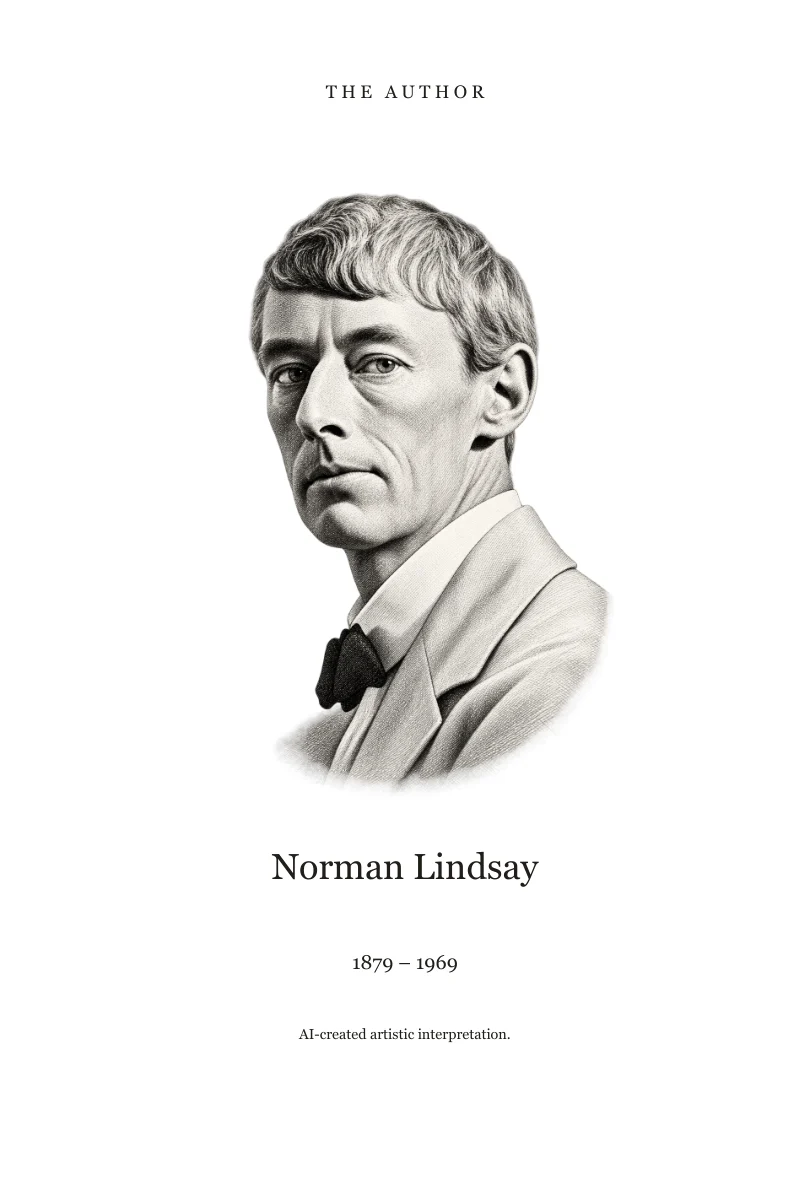
“Politeness be sugared, politeness be hanged,” sings a steak-and-kidney pudding called Albert when a newcomer calls him polite. He is the hero of Norman Lindsay’s The Magic Pudding, published in Sydney in 1918, and that song tells you everything about the book: a pudding that wants to be eaten, insults whoever is eating him, and bursts into verse whenever he feels like it.
Funny books for kids date faster than almost anything else, because jokes depend on their moment. The classics that survive are the ones whose humour is built into the story itself: a ridiculous situation, a character who talks too much, a narrator who is in on the joke with the child. Here are four that pass the test of being read aloud to a modern six-year-old, and one for older children.
Four funny books for kids to read aloud
Winnie-the-Pooh
1926. A bear who gets stuck in a rabbit hole, a donkey who gets a burst balloon for his birthday, and a hunt for a Woozle that goes in circles. Ages 3 and up read aloud.
Just So Stories
1902. How the camel got his hump and the elephant his trunk, told in a voice that keeps winking at its listener. Made to be read out loud. Ages 4 and up.
The Magic Pudding
1918. Three friends guard a talking pudding from two thieving marsupials in very poor disguises. Fights, songs and dreadful manners. Ages 5 and up.
American Fairy Tales
1901. Baum’s short, sly fairy tales set in modern America: a chest full of bandits in the attic, a glass dog, a boy who lassoes Father Time. Ages 6 and up.



Why are these books still funny?
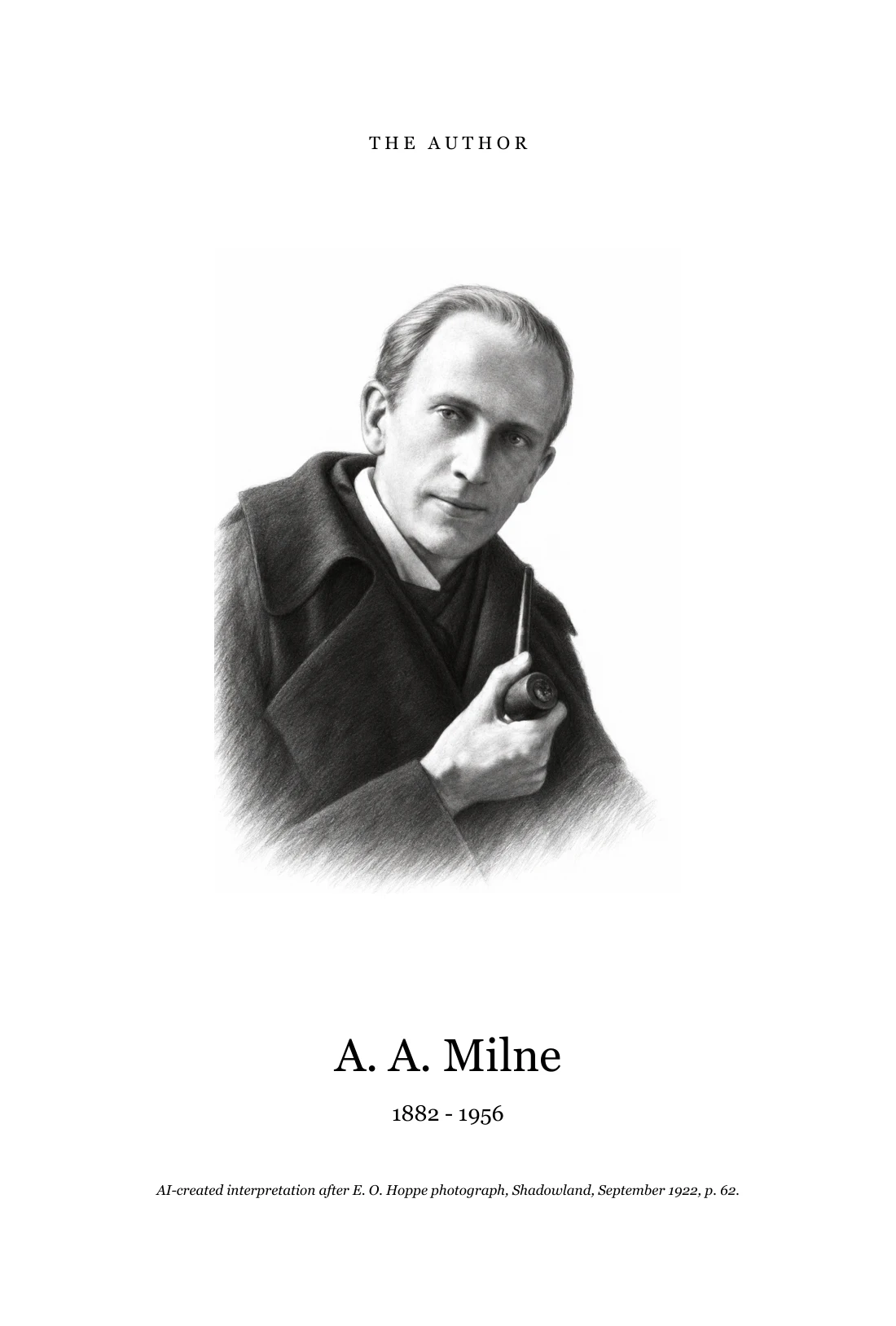
Pooh’s comedy comes from his sincerity. A. A. Milne lets him get wedged in Rabbit’s front door after eating too much honey, so that Christopher Robin has to read to him for a week while he gets thin enough to be pulled out. He tracks a Woozle round a spinney of larch trees with Piglet, and the paw-marks keep multiplying, because they are following their own. Children work out the joke a beat before Pooh does, and love him for it. When Owl uses a long word, Pooh asks what it means, “For I am a Bear of Very Little Brain, and long words Bother me.”
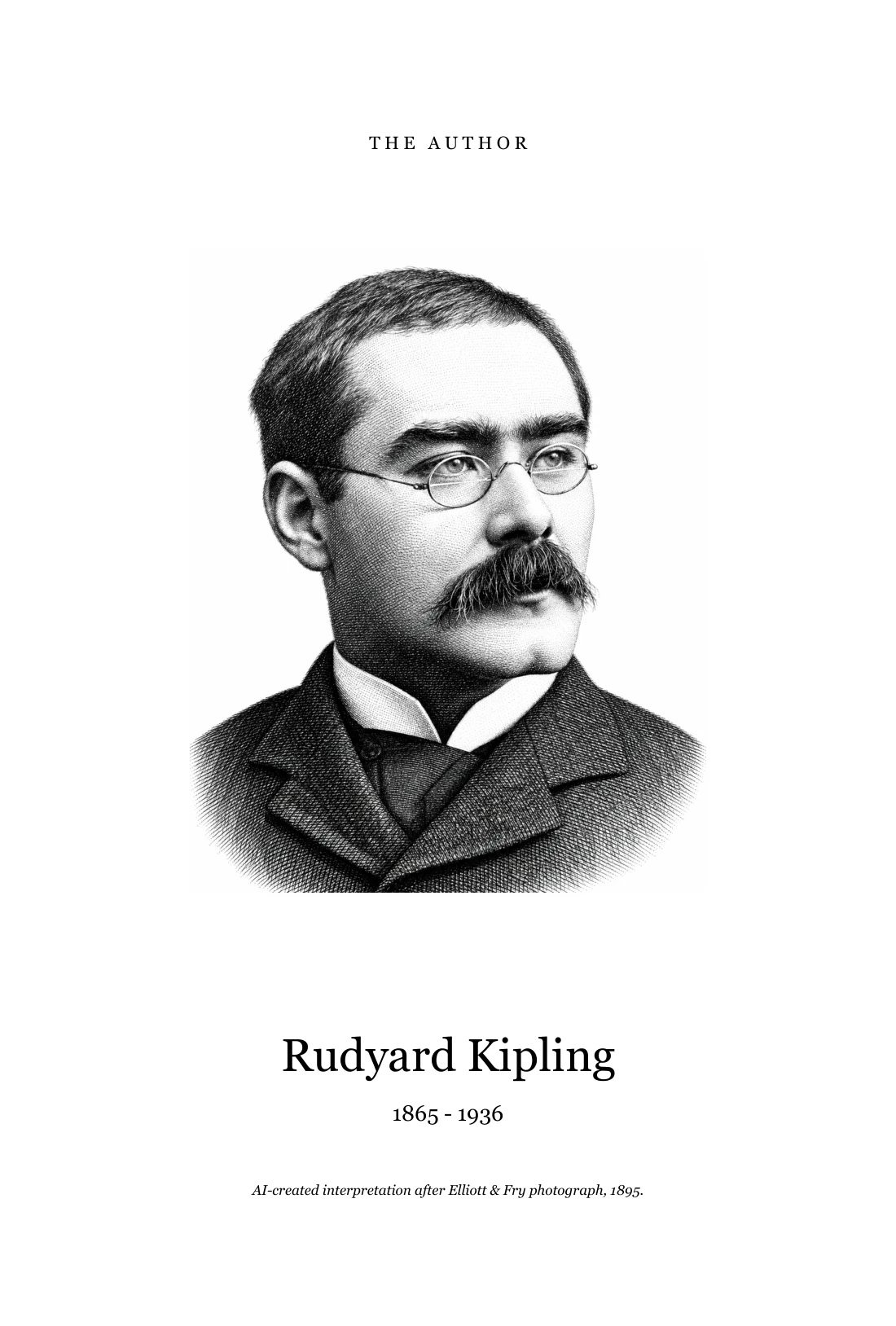
Rudyard Kipling’s Just So Stories began as bedtime stories for his daughter Josephine, and they are written for the voice. The narrator keeps breaking off to address “O Best Beloved”, the phrases repeat like spells, and the language is half the fun: the Elephant’s Child is sent to the banks of “the great grey-green, greasy Limpopo River, all set about with fever-trees”. Small children learn those lines by heart and say them along with you.
The Magic Pudding is the rowdiest book here. Norman Lindsay calls his chapters “Slices”, and the plot is one long chase in which the pudding thieves keep turning up in new disguises and Bill Barnacle and Sam Sawnoff keep punching them. It is slapstick from start to finish, and the songs give the reader a chance to ham it up. Find out more in The Magic Pudding.
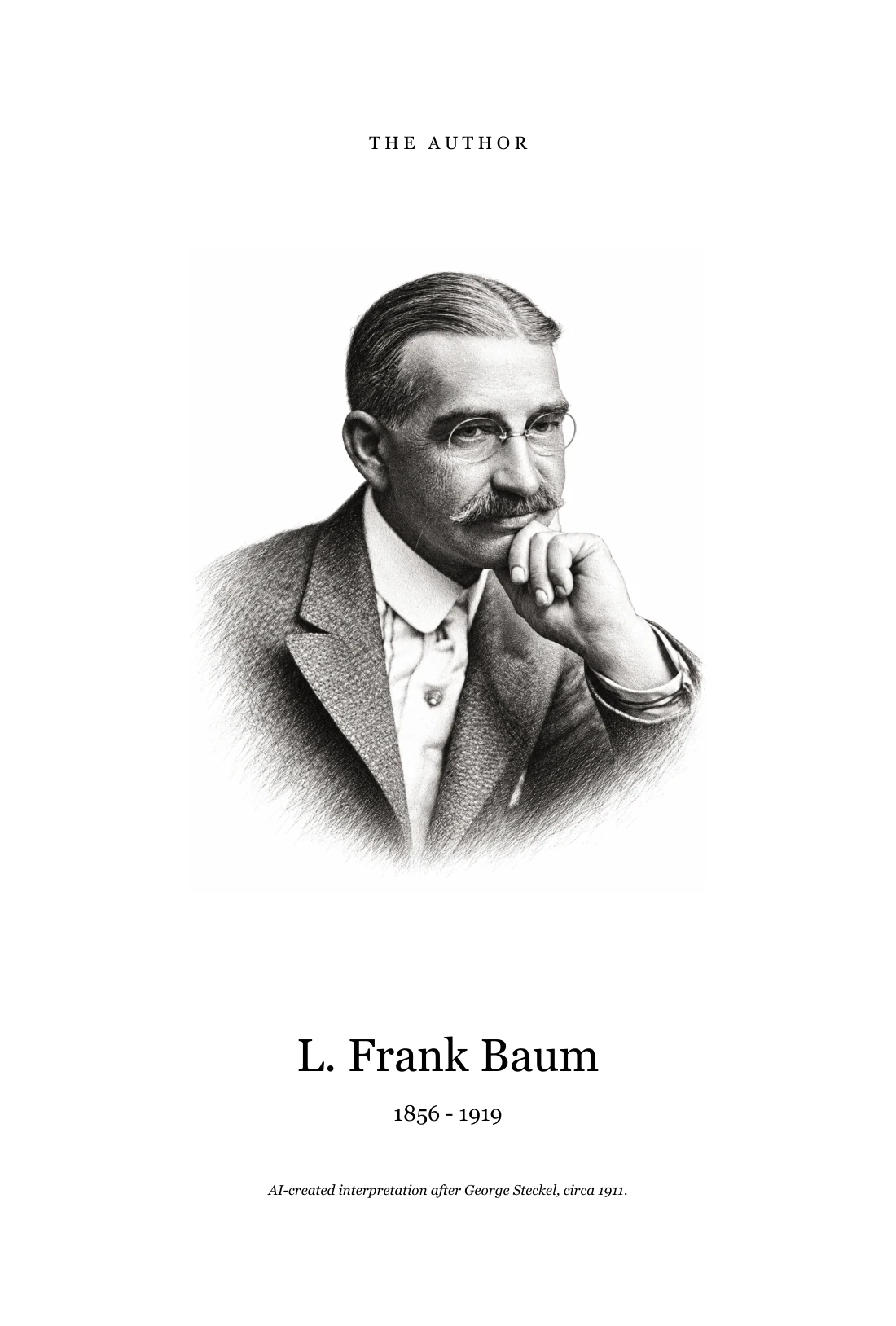
L. Frank Baum’s American Fairy Tales came out the year after The Wonderful Wizard of Oz. They are fairy tales with the dust of a modern American house on them. A wizard who lives in a tenement has his neighbour, a glass-blower, make him a glass dog to scare off callers; a girl left alone in the attic opens an old chest and lets out three bandits; a cowboy’s son lassoes Father Time and the whole world stops while he holds him. Each is short enough for one sitting.
A few things to know before you read
- Just So Stories: “How the Leopard Got His Spots” turns on a hunter called the Ethiopian changing the colour of his skin, is told with the racial assumptions of 1902, and in the original text ends with the Ethiopian using a racial slur about himself. Many families simply skip that one.
- American Fairy Tales: “The Laughing Hippopotamus” is set among African villagers drawn as crude stereotypes, “The Mandarin and the Butterfly” jokes that laundry work is “the natural vocation of every Chinaman”, and the bandits in the attic are stock “Italian bandits”. The other stories are fine.
- The Magic Pudding: lots of fist fights, all bloodless, and some Australian slang that is fun to explain.
- Winnie-the-Pooh: nothing at all, unless your child objects to Eeyore’s gloom.
A funny book for older children
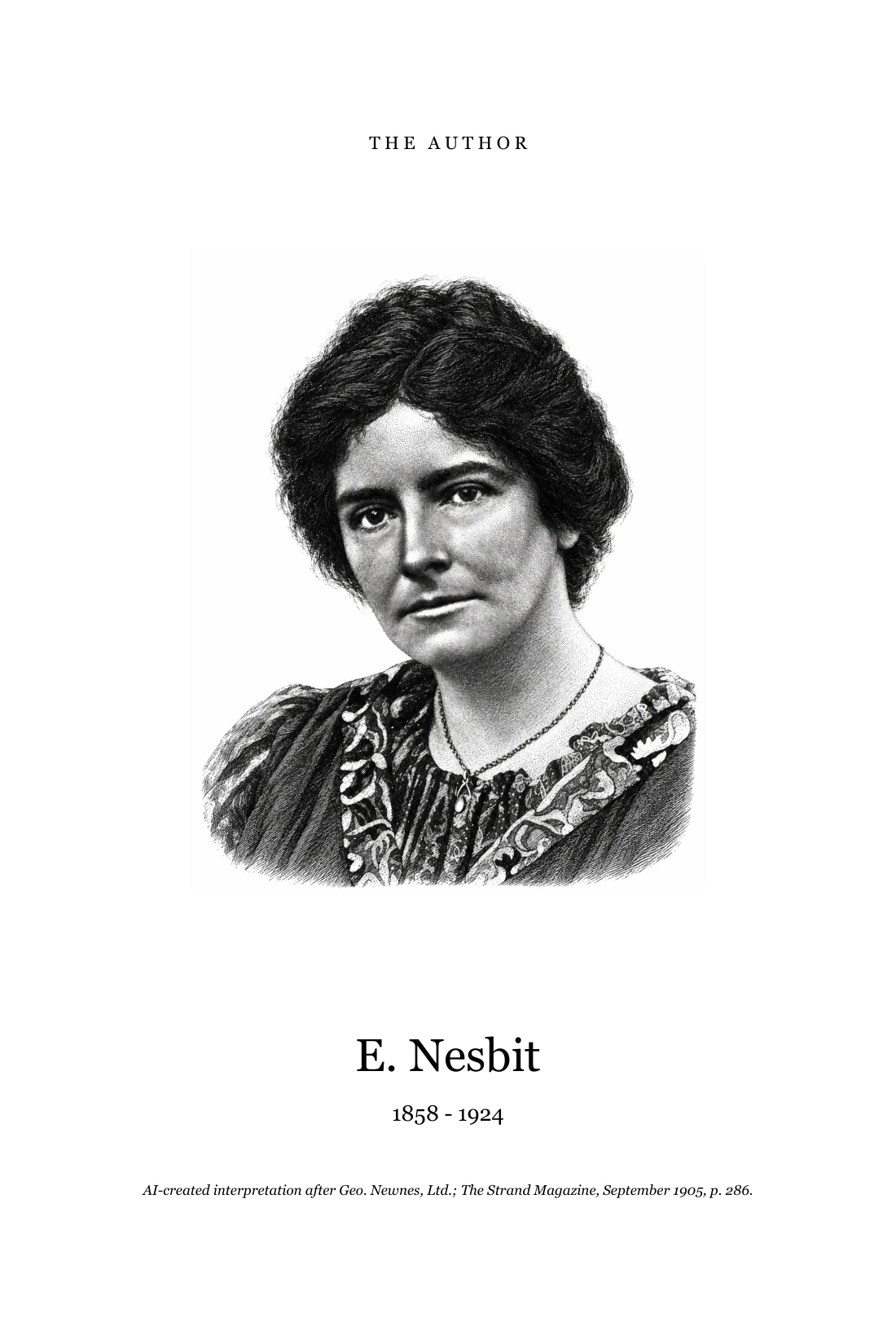
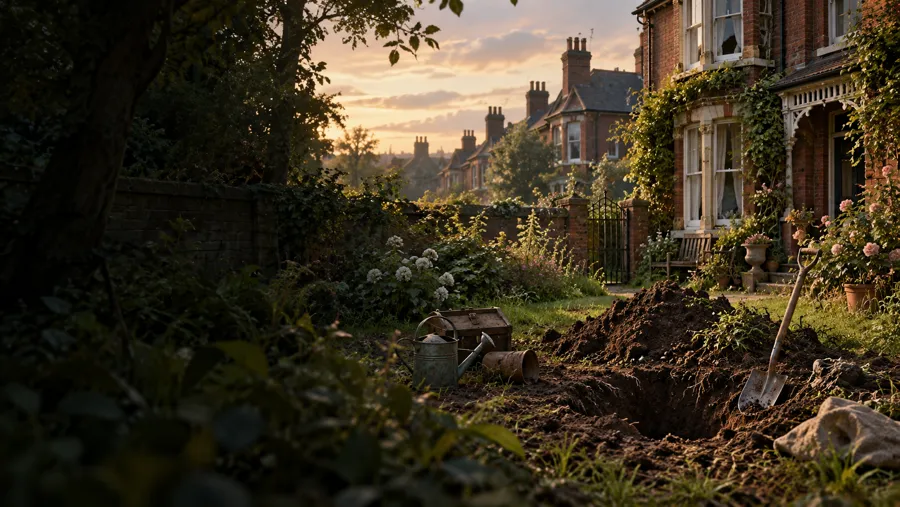
For eight to eleven-year-olds, the funniest classic we know is E. Nesbit’s The Story of the Treasure Seekers (1899). Six Bastable children try to restore the family fortunes by digging for treasure, becoming detectives and selling sherry door to door, and their narrator insists on keeping his identity secret.
It is one of us that tells this story—but I shall not tell you which: only at the very end perhaps I will.
E. Nesbit, The Story of the Treasure Seekers (1899)
He gives himself away within a page, and every child notices. That running joke carries the whole book.
For more books to share, see our classic bedtime stories to read aloud and classic stories for 5 and 6-year-olds. The Winnie-the-Pooh books have their own guide.
If you want a guaranteed laugh tonight, open The Magic Pudding and let Albert sing. It is hard to read “politeness be jumbled and tumbled and banged” in a straight voice, and children never let you try.
Questions readers ask
What are some funny classic books for kids?
Funny books for kids that have lasted a century include Winnie-the-Pooh, Kipling’s Just So Stories, Norman Lindsay’s The Magic Pudding, L. Frank Baum’s American Fairy Tales and, for older children, E. Nesbit’s The Story of the Treasure Seekers.
What is The Magic Pudding about?
It is a 1918 Australian comic fantasy about a koala, a sailor and a penguin who own a rude, talking pudding that never runs out, and their battles to keep it from two pudding thieves.
What age are the Just So Stories for?
They are written to be read aloud to children from about four, and confident readers of seven or eight enjoy them alone. One story, How the Leopard Got His Spots, has racial content parents may prefer to skip.