
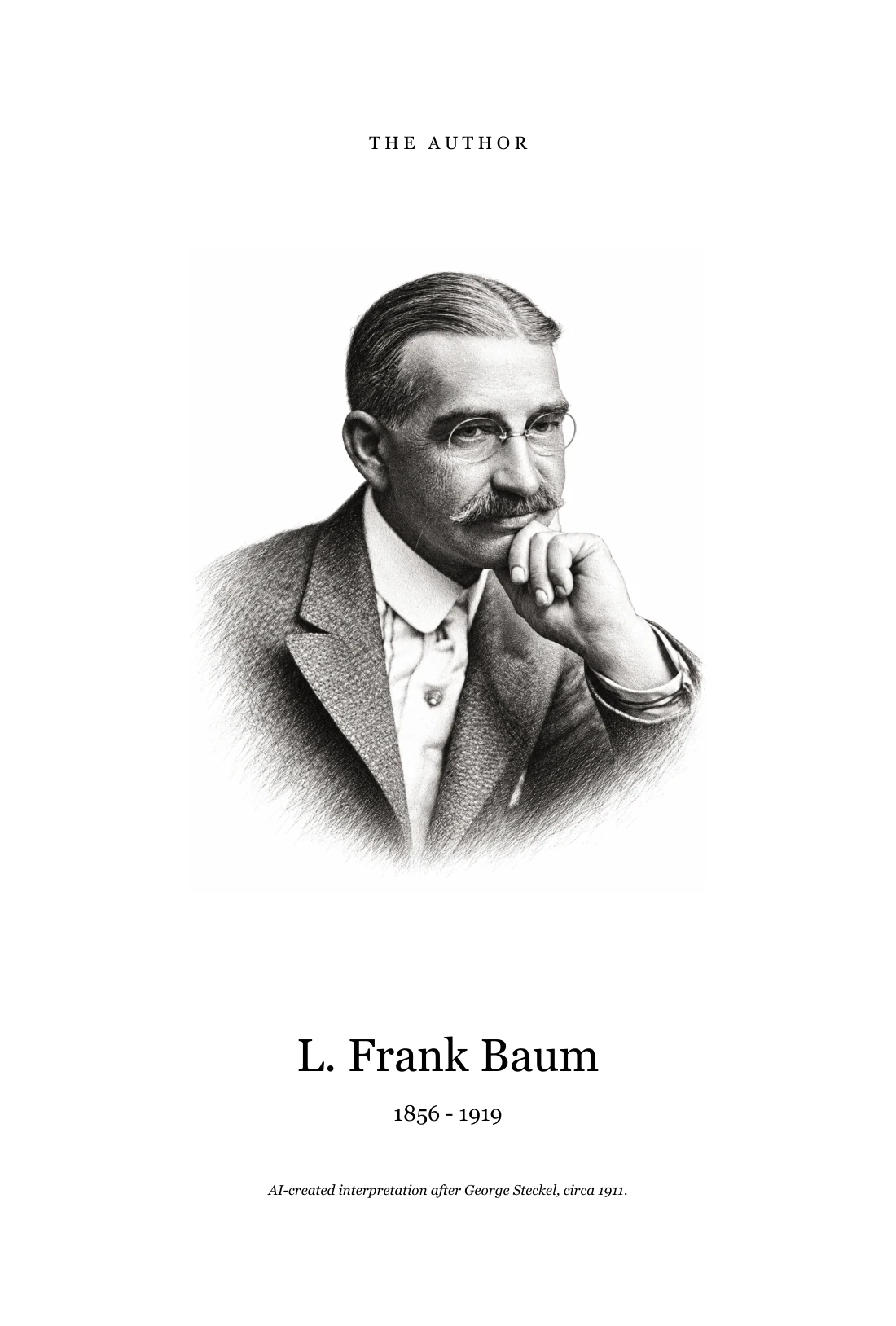
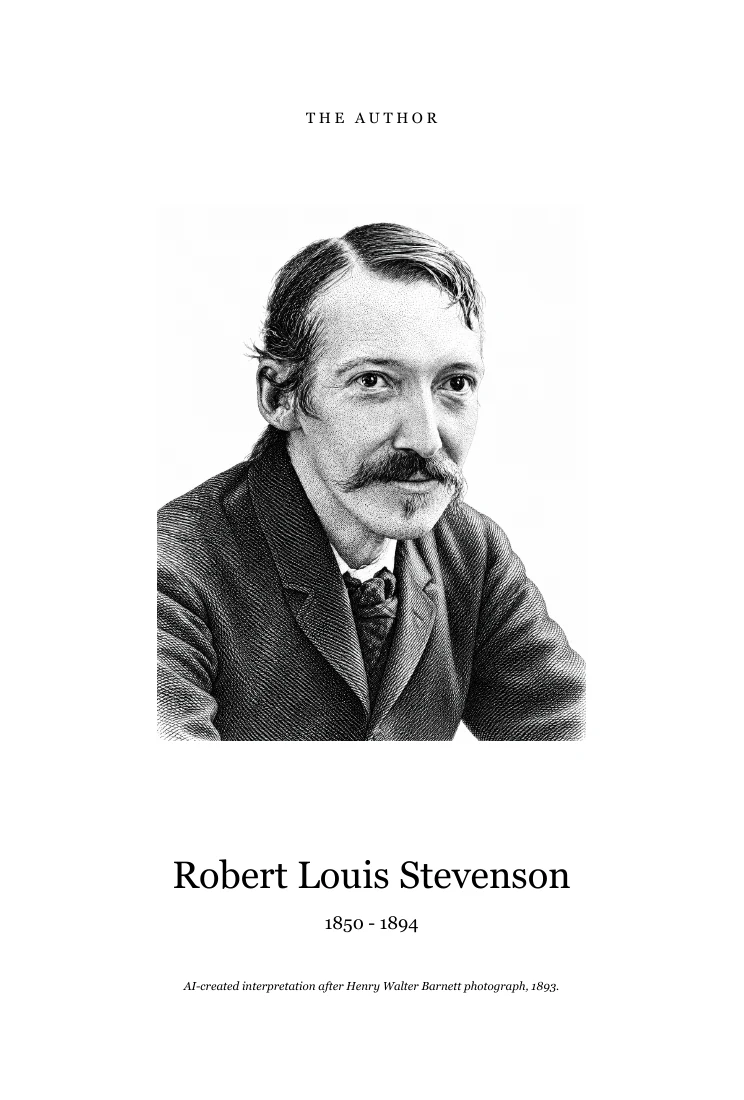
In the summer of 1881, kept indoors by bad weather in the Scottish Highlands, Robert Louis Stevenson began writing a pirate story for his young stepson. Each afternoon he read the morning’s pages aloud to the family, and the boy was not the only one listening. Years later he remembered the surprise:
I had counted on one boy, I found I had two in my audience.
Robert Louis Stevenson, “My First Book: Treasure Island” (1894)
The second boy was Stevenson’s father, who loved it so much he helped plan the contents of Billy Bones’s sea chest. That is the secret of reading classics aloud to children: the best of these books were made for a room with more than one listener, and they work on the adults too. You do not need a theatrical voice. You need the right book, the right pace and a sense of where to stop.
How fast should you read aloud?
Slower than feels natural. In 2019 the psychologist Marc Brysbaert reviewed decades of studies on reading speed and put the average for reading aloud at 183 words a minute, against roughly 240 to 260 for silent reading. With children listening, slower still is better. Old books are full of long sentences and unfamiliar words, and a listener cannot flick back a page.
Jane Austen made the same complaint in 1813 after her mother read Pride and Prejudice aloud to a visitor:
something must be attributed to my mother’s too rapid way of getting on: though she perfectly understands the characters herself, she cannot speak as they ought.
Jane Austen, letter to Cassandra Austen, 4 February 1813
Pause at commas. Let the dialogue breathe. If a child is following the story, they will tell you when to speed up.

How long is a chapter, out loud?
It helps to know before you start, because classic chapters vary enormously. By our count of the Project Gutenberg texts, read at that average pace of about 180 words a minute:
- The Wonderful Wizard of Oz has 24 chapters averaging around 1,600 words: about nine minutes each, a perfect single bedtime portion.
- Treasure Island has 34 chapters averaging around 2,000 words: eleven minutes or so, with many ending on a hook.
- The Wind in the Willows has only 12 chapters, but they average nearly 5,000 words: close to half an hour each. Plan to split most of them over two nights.
Tips for reading aloud to kids
- Choose a book a little above what the child can read alone. Listening comprehension runs ahead of reading ability, and classics stretch both.
- Read the chapter yourself first, at least the first time through a book. You will spot the long words, the frightening bits and the natural places to pause.
- Stop at a good moment, not the end of the page. A cliffhanger makes tomorrow’s reading something to look forward to; a calm paragraph makes it easier to sleep.
- Explain an old word in passing, without stopping the story. “Grog, that’s rum,” is enough.
- Use voices sparingly. One distinct voice for the main villain or the comic character helps a child follow the dialogue. A different accent for everyone becomes exhausting.
- Let them interrupt. Questions mean they are listening. Answer briefly and carry on.
What about old-fashioned attitudes?
Reading aloud means you meet every word together, so it pays to know what is coming. Treasure Island has drink, killing and a great deal of menace, though none of it is lingered over. Older books can also carry the prejudices of their time. The best approach is usually to keep reading and talk about it afterwards, briefly and honestly, rather than skipping silently or turning bedtime into a lecture.
The Wonderful Wizard of Oz
1900. Short chapters, vivid companions and almost no slow passages. The easiest classic to read aloud from about five, and the start of a fourteen-book series.
The Wind in the Willows
1908. Mole, Rat, Toad and Badger on the riverbank. Long, lyrical chapters that reward a slow, unhurried voice; best for six or seven upwards.
Treasure Island
1883. Pirates, a map and Long John Silver, first read aloud by Stevenson to his own family. Thirty-four chapters, most ending on a hook; ideal from eight or so.


Which classic should you read aloud first?
For younger children, start with Oz: the chapters are short and the story never stalls. Once they can sit through a longer chapter, move on to Toad and his friends. And when they want adventure, pirates and real danger, it is time for Jim Hawkins. More suggestions by age are in Classic bedtime stories to read aloud and Family read-aloud adventures, and the stories behind two of these books are told in Treasure Island began with a map and The Wind in the Willows began as bedtime stories.
Whichever you pick, do what Stevenson did. Read Treasure Island to whoever will listen, and don’t be surprised if the grown-ups pull up a chair.
Questions readers ask
How do you read aloud to children well?
Read more slowly than feels natural, preview the chapter first, stop at a good moment rather than a page count, and let children ask questions. A distinct voice for one or two main characters helps; you don’t need to act every part.
How long should a read-aloud session be?
Ten to twenty minutes suits most children at bedtime. Choose books whose chapters fit that time, or split longer chapters, such as those in The Wind in the Willows, across two nights.
What age should you start reading classics aloud?
From about five, with books like The Wonderful Wizard of Oz. Longer, more demanding classics such as The Wind in the Willows and Treasure Island suit children of six to eight and up.