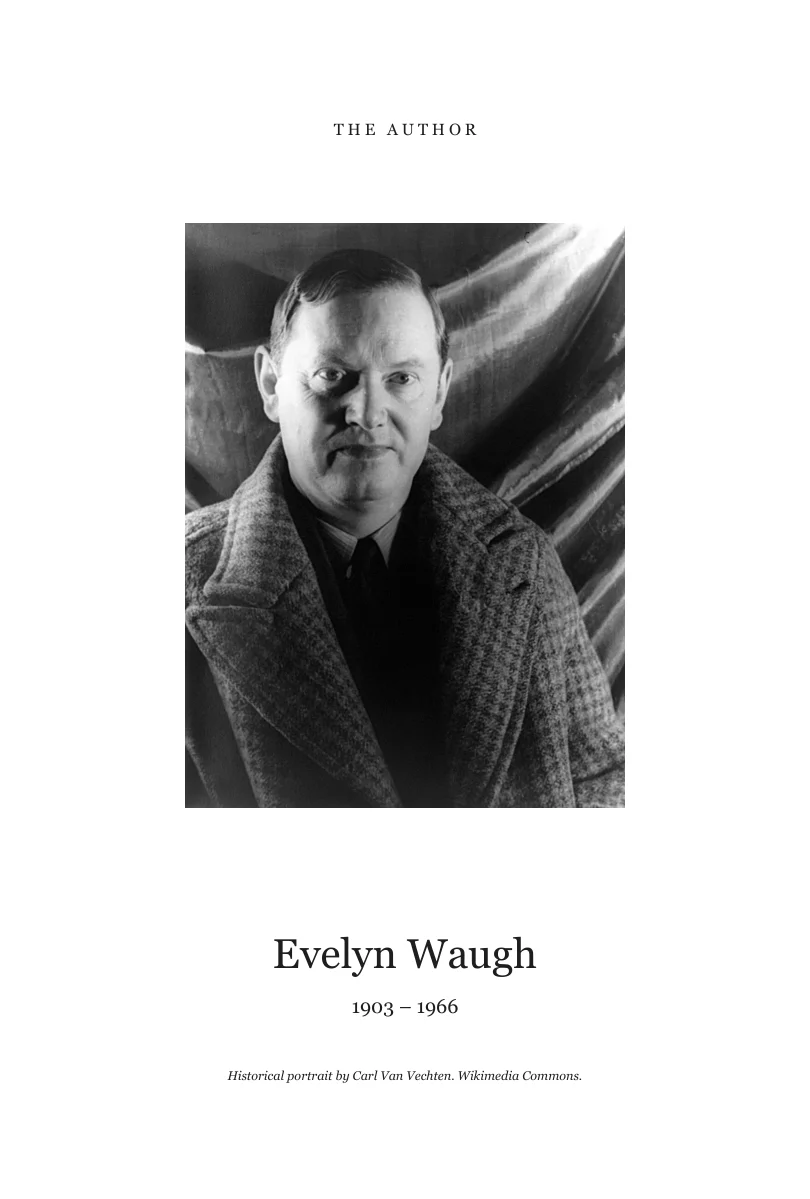
Evelyn Waugh dedicated Vile Bodies to two of the people it was making fun of. The book is inscribed to Bryan Guinness and his young wife Diana, born Diana Mitford, a couple well known for giving exactly the kind of party the novel describes. In 1930, satirising the Bright Young Things was something you could do from inside the room.
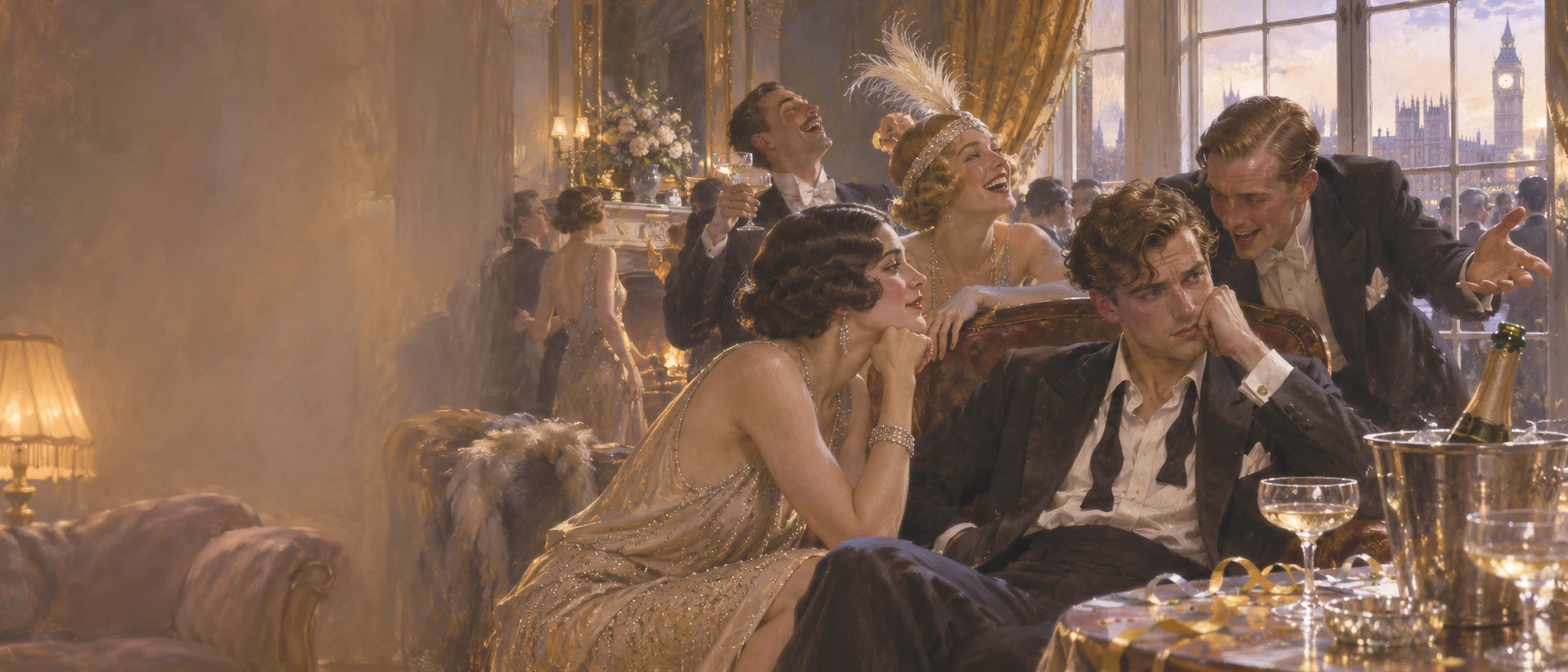
The Bright Young Things, also called the Bright Young People, were a loose set of young aristocrats, socialites and bohemians in 1920s London. The name was not their own. The popular press gave it to them, and gossip columnists followed their fancy-dress parties, their night-time treasure hunts through the city and, for some of them, their heavy drinking and drug-taking with tireless delight. They were, in modern terms, celebrities famous chiefly for having fun in public.
Who were the Bright Young Things?
Most were well born, well educated and in their twenties. A few names recur in every account:
- Elizabeth Ponsonby, whose escapades kept the gossip columns busy, and who is said to have been a model for Waugh’s Agatha Runcible. She died in 1940, aged thirty-nine.
- Stephen Tennant, an aesthete famous for his affected manner and appearance, sometimes called the brightest of them all, generally taken as the original of Miles Malpractice.
- Brenda Dean Paul, a silent-film actress whose later drug convictions made her a fixture of the court reports.
- Cecil Beaton, who began his career as a photographer by taking their pictures, and was one of them himself.
- Bryan and Diana Guinness, the hosts, married in 1929 and divorced a few years later.
Waugh himself was on the edge rather than at the centre, as he admitted decades later in a preface to the novel. Nancy Mitford, Anthony Powell and Henry Green all drew on the set in their own fiction.
How Vile Bodies turned them into a novel
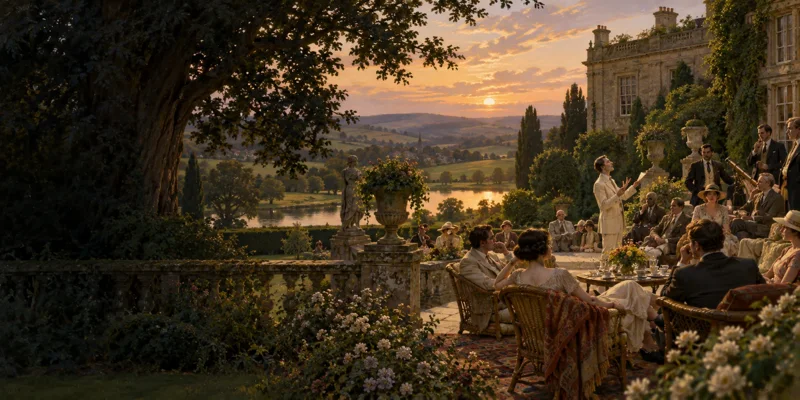
Vile Bodies was published on 19 January 1930. It was Waugh’s second novel, after Decline and Fall, and his first real commercial success. Its hero, Adam Fenwick-Symes, is a young writer who keeps getting engaged to Nina Blount and keeps failing to find the money to marry her, while around him the Bright Young People lurch from one party to the next. Agatha Runcible is photographed in Hawaiian costume tumbling down the steps of 10 Downing Street, and the scandal brings down the government, and Adam ends up writing a gossip column under the name Mr Chatterbox, inventing society figures when the real ones run dry.
Waugh catches the set’s slang exactly. Miss Runcible’s verdict on almost everything is “too, too sick-making”, and the phrase escaped into the newspapers. The book is a blur of telephone calls, motor races and parties, and even a rough Channel crossing becomes a group performance, the Bright Young People reacting in chorus:
‘Oh,’ said the Bright Young People. ‘Oh, oh oh.’ ‘It’s just exactly like being inside a cocktail shaker,’ said Miles Malpractice. ‘Darling, your face—eau de Nil.’
Evelyn Waugh, Vile Bodies (1930)
Later, a tired Adam remembers the whole parade, masked parties, savage parties, Victorian and Greek parties, until the list trails off into the words that gave the book its title: “Those vile bodies.” It is funny, and then it is not. Waugh’s first marriage collapsed while he was writing, and he later said the book was finished in a far darker mood than it was begun in. Readers who come for the champagne should know that the last chapters go somewhere much colder.
Books about the Bright Young Things and their world
Vile Bodies is the essential book, but two other satires make good companions: one from just before the set’s heyday, one from the year the novel appeared.
Vile Bodies
1930. Waugh’s portrait of the Bright Young People, written by a fringe member, with a gossip columnist for a hero and a wedding that keeps receding. Fast, cruel and very funny until it isn’t.
Crome Yellow
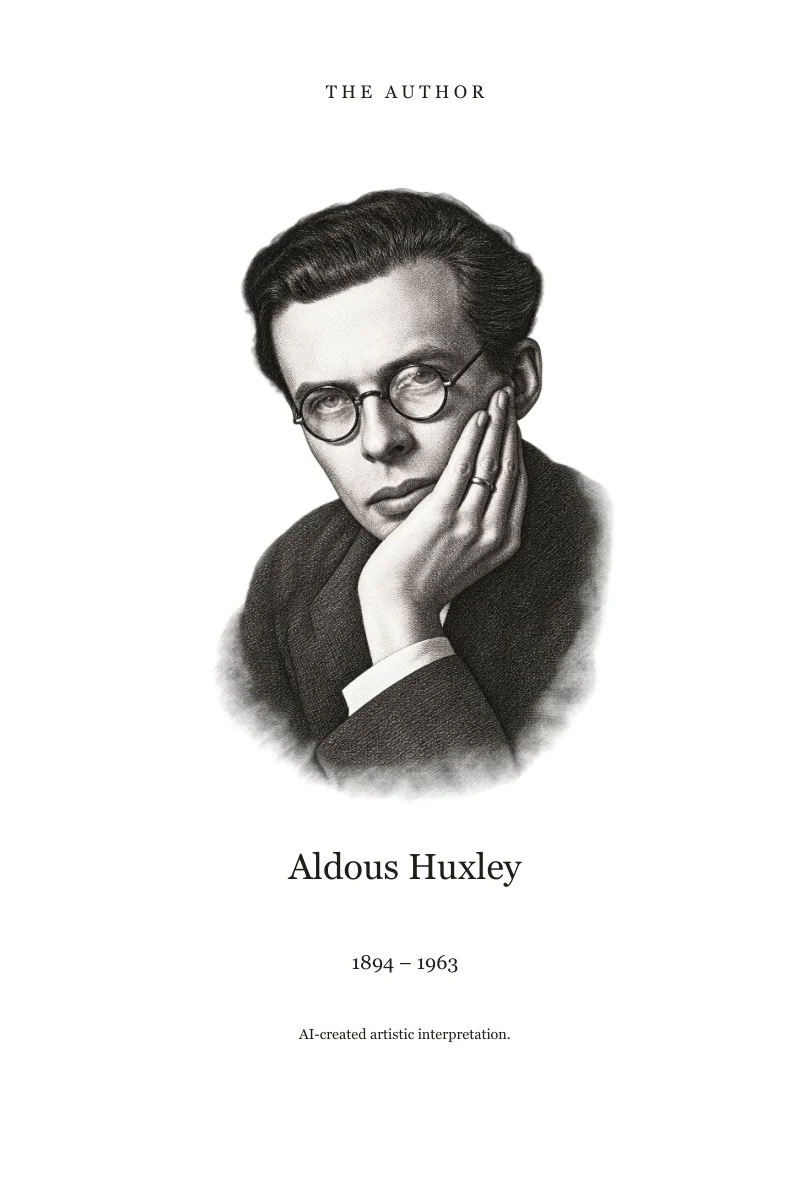
1921. Aldous Huxley’s first novel: a summer house party of poets, painters and bores, modelled on Lady Ottoline Morrell’s circle at Garsington. The clever older siblings of Waugh’s crowd.
Cakes and Ale
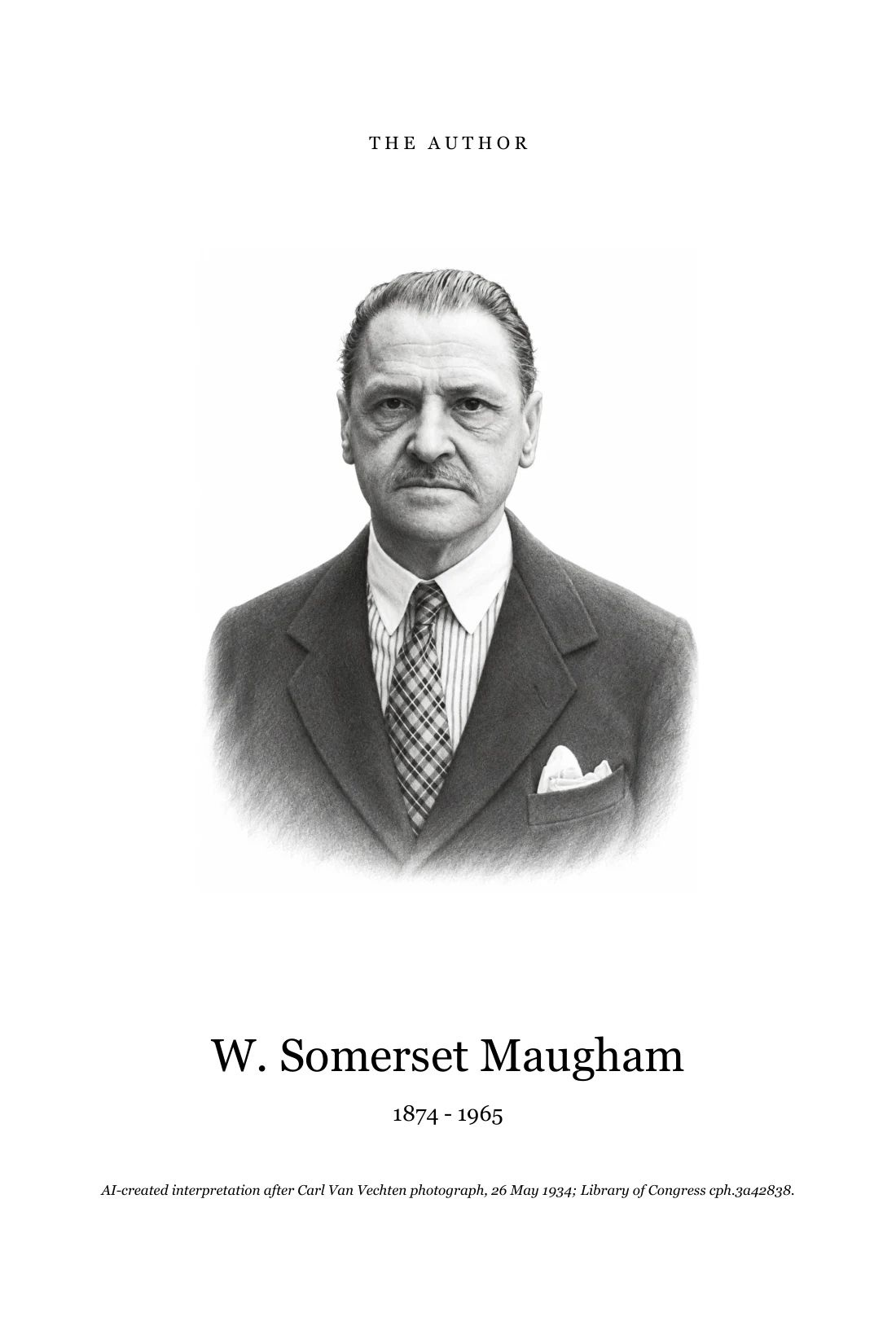
1930. W. Somerset Maugham’s comedy of literary London, in which a fashionable novelist sets out to write a tidy biography of a great writer whose first wife does not fit the story.


Crome Yellow has almost no plot; a reviewer in The Spectator called it “a Cubist Peacock”, after Thomas Love Peacock’s talky country-house novels. Its young poet Denis Stone, forever about to declare his love and never quite doing so, is a sketch of the self-consciousness the next generation would try to drown in noise.
Cakes and Ale appeared in the same year as Vile Bodies and looks at the same London from the other end: established authors, literary hostesses and reputations being polished. Readers at the time assumed its social-climbing novelist Alroy Kear was a cruel portrait of Hugh Walpole; Maugham denied it at the time, though he admitted the debt years later. He later said it was the book of his own he liked best.
What happened to the Bright Young People?
They did not last. Waugh himself thought them anarchic and short-lived, and within a few years of Vile Bodies the papers had found new subjects. Some of the set settled into marriages and careers; Beaton became one of the century’s most famous photographers, and Diana Guinness left her husband for Oswald Mosley, the leader of the British Union of Fascists. Others, including Elizabeth Ponsonby and Brenda Dean Paul, paid heavily for the habits that had made good copy.
Waugh’s novel is the reason anyone still remembers the name. For the other side of the 1920s, the American version of the party, read The Jazz Age in fiction; for Maugham at full length, try where to start with W. Somerset Maugham. More about the author is on the Evelyn Waugh page.
Then go to the source. Open Vile Bodies, board the cross-Channel boat with Adam and his soon-to-be-confiscated manuscript, and meet the Bright Young People at sea, already complaining about the crossing.
Questions readers ask
Who were the Bright Young Things?
A set of young aristocrats, socialites and bohemians in 1920s London, named by the popular press, who were famous for fancy-dress parties, treasure hunts and late nights. Members included Elizabeth Ponsonby, Stephen Tennant and Cecil Beaton.
Is Vile Bodies about the Bright Young Things?
Yes. Evelyn Waugh’s 1930 novel satirises the Bright Young People and the newspapers that covered them, and Waugh knew the set personally.
What is the film Bright Young Things based on?
Stephen Fry’s 2003 film Bright Young Things is an adaptation of Waugh’s Vile Bodies.
Who was Agatha Runcible based on?
She is said to be based on Elizabeth Ponsonby, one of the best-known Bright Young Things and a regular subject of the gossip columns.