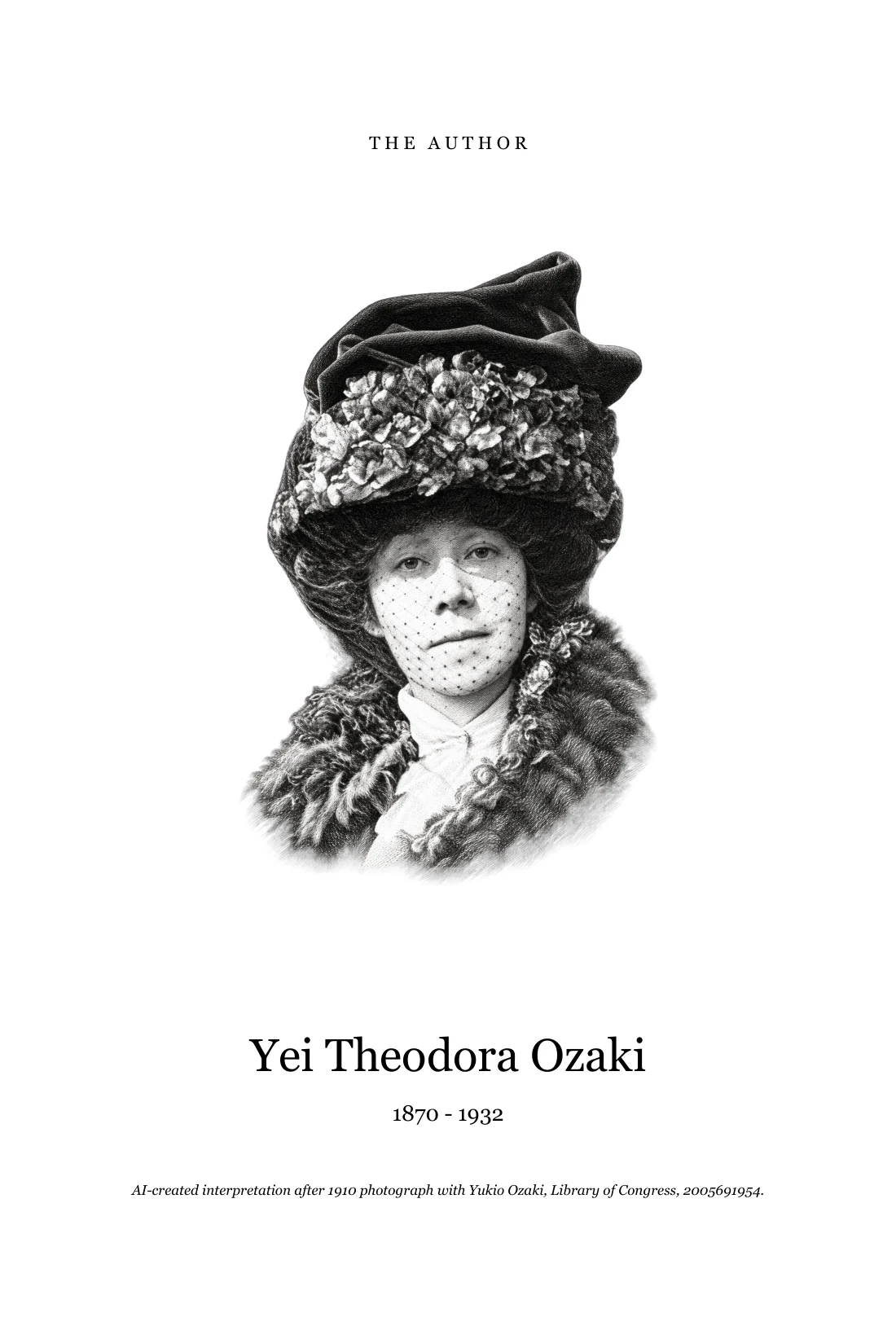
For years, Yei Theodora Ozaki’s letters kept going astray. They were delivered to Yukio Ozaki, a Japanese politician and mayor of Tokyo, and his post kept turning up at hers. In 1905 the two finally met, and soon married. By then she was writing the English versions of Japanese stories that became Japanese Fairy Tales, a book that carried Japan’s folk tales to a generation of English-speaking children.
Asian classic literature arrived in English by many routes like hers: a bilingual writer between two countries, a poet translating himself, a scholar at the British Museum, a Japanese art historian writing for Boston. This list gathers the books we would hand to a reader starting out, with a note on how each one came to be in English.
Written in English by Asian authors
Gitanjali
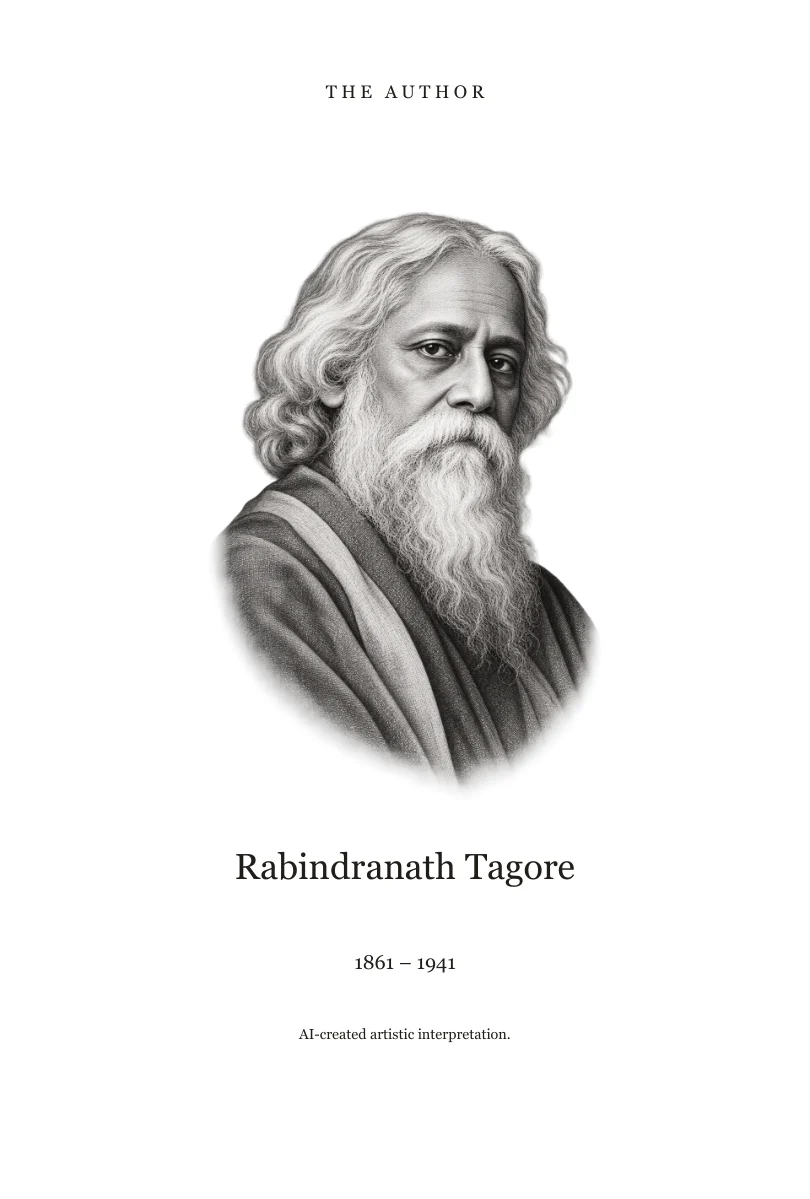
1912. A hundred and three short prose poems of devotion, which Tagore translated from his own Bengali, often freely. W. B. Yeats wrote the introduction, and the book led to Tagore’s Nobel Prize the following year.
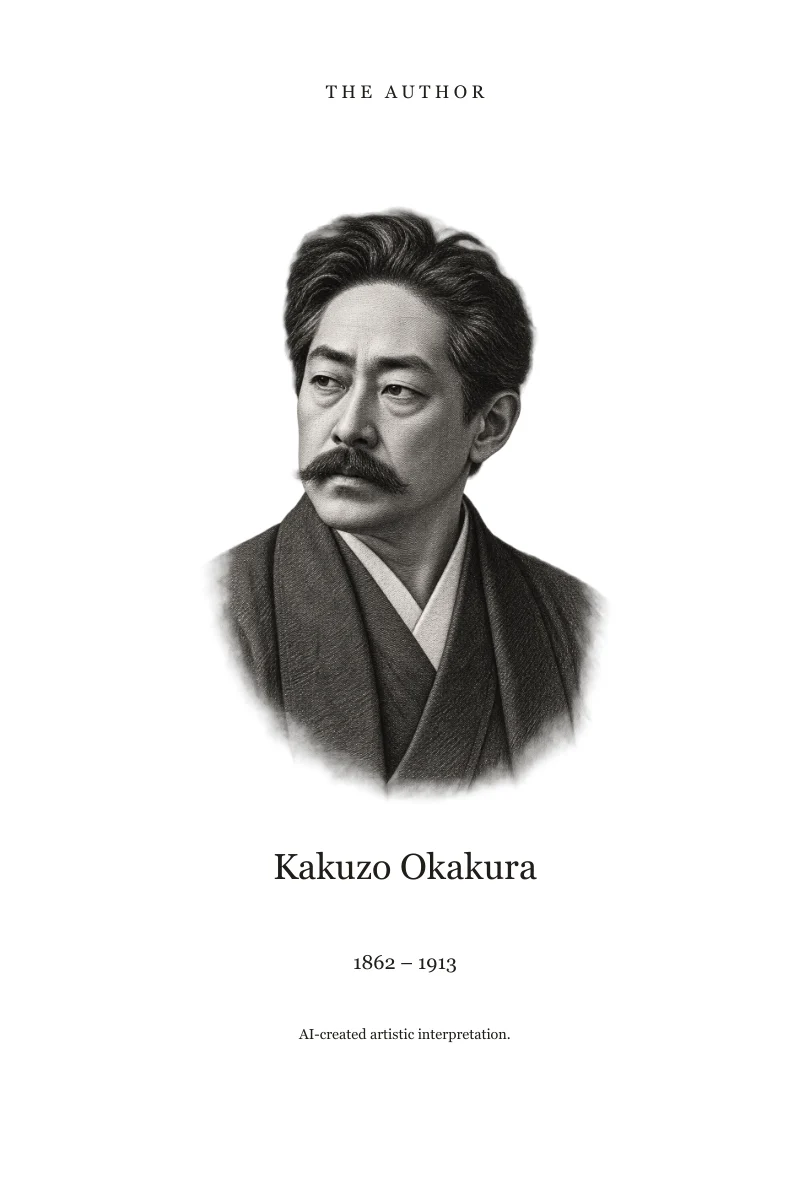
The Book of Tea
1906. Okakura Kakuzō, an art historian who also worked for Boston’s Museum of Fine Arts, wrote this short, witty essay in English for Western readers. Ostensibly about the tea ceremony, it is really about simplicity, imperfection and how to live.
Japanese Fairy Tales
First published in 1903 as The Japanese Fairy Book. Ozaki, who grew up in London and Tokyo, retold twenty-two traditional tales, including Momotaro, the boy born from a peach, and Urashima Taro, the fisher lad who visits the palace under the sea.


Where the mind is without fear and the head is held high; Where knowledge is free; Where the world has not been broken up into fragments by narrow domestic walls;
Rabindranath Tagore, Gitanjali (1912), song 35
Rabindranath Tagore became, in 1913, the first non-European to win the Nobel Prize in Literature, and the prize was awarded largely for the English Gitanjali. The Bengali original had appeared in 1910, but the English book is a different thing: it draws on several of Tagore’s collections and reshapes the poems as it goes. The full story is in Did you know Rabindranath Tagore was the first non-European to win the Nobel Prize in Literature?
The Book of Tea opens with a line that sums up its method: “Tea began as a medicine and grew into a beverage.” Kakuzo Okakura uses that small history to make a large argument about Japanese art and the Western habit of underrating it. More in The Book of Tea: a whole philosophy in a teacup
Asian classics in translation
The Home and the World
1916. Bimala, a traditional wife, is drawn between her gentle husband Nikhil and the charismatic nationalist Sandip during the Swadeshi movement of the 1900s. Translated by Tagore’s nephew Surendranath in 1919, and filmed by Satyajit Ray in 1984.
The Art of War
Traditionally dated to the sixth century BC, here in Lionel Giles’s 1910 translation. Thirteen short chapters on strategy, deception and knowing when not to fight.
The Analects of Confucius
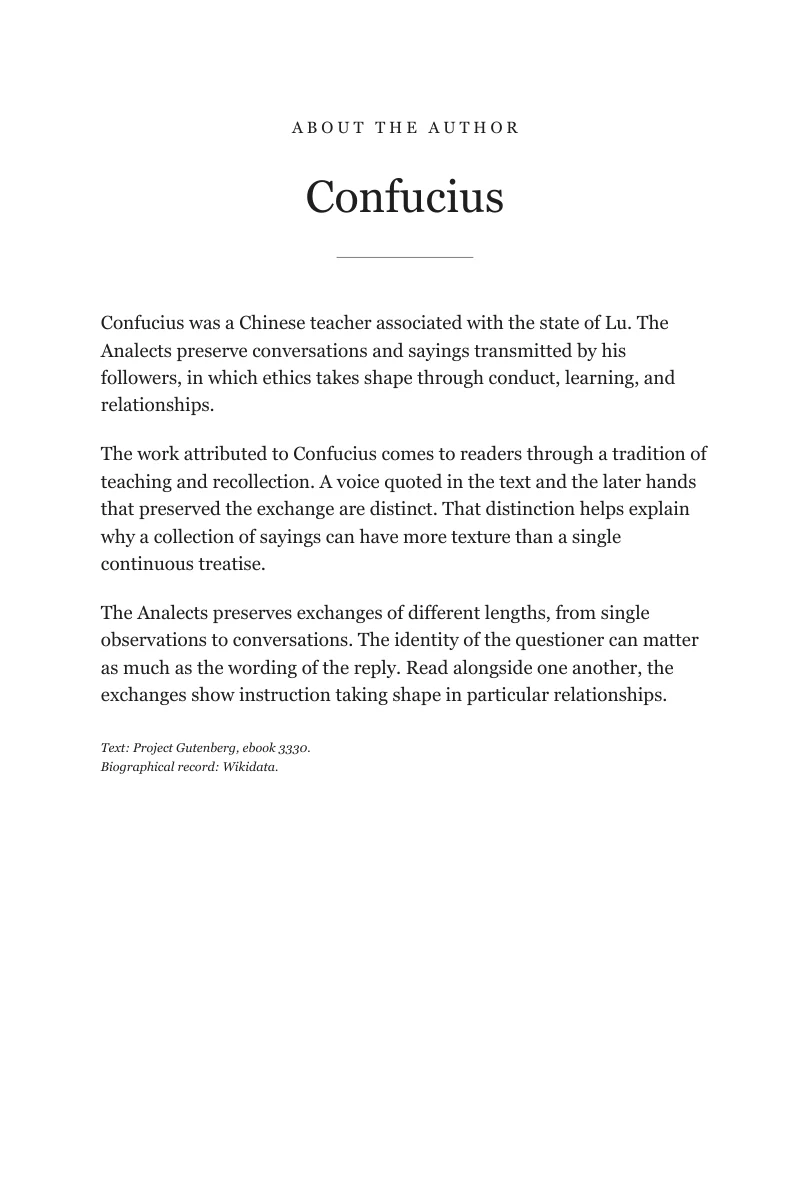
Sayings of Confucius gathered by his disciples after his death in 479 BC. Short, often a single exchange, and best read a few at a time.
The Social Cancer: A Complete English Version of Noli Me Tangere
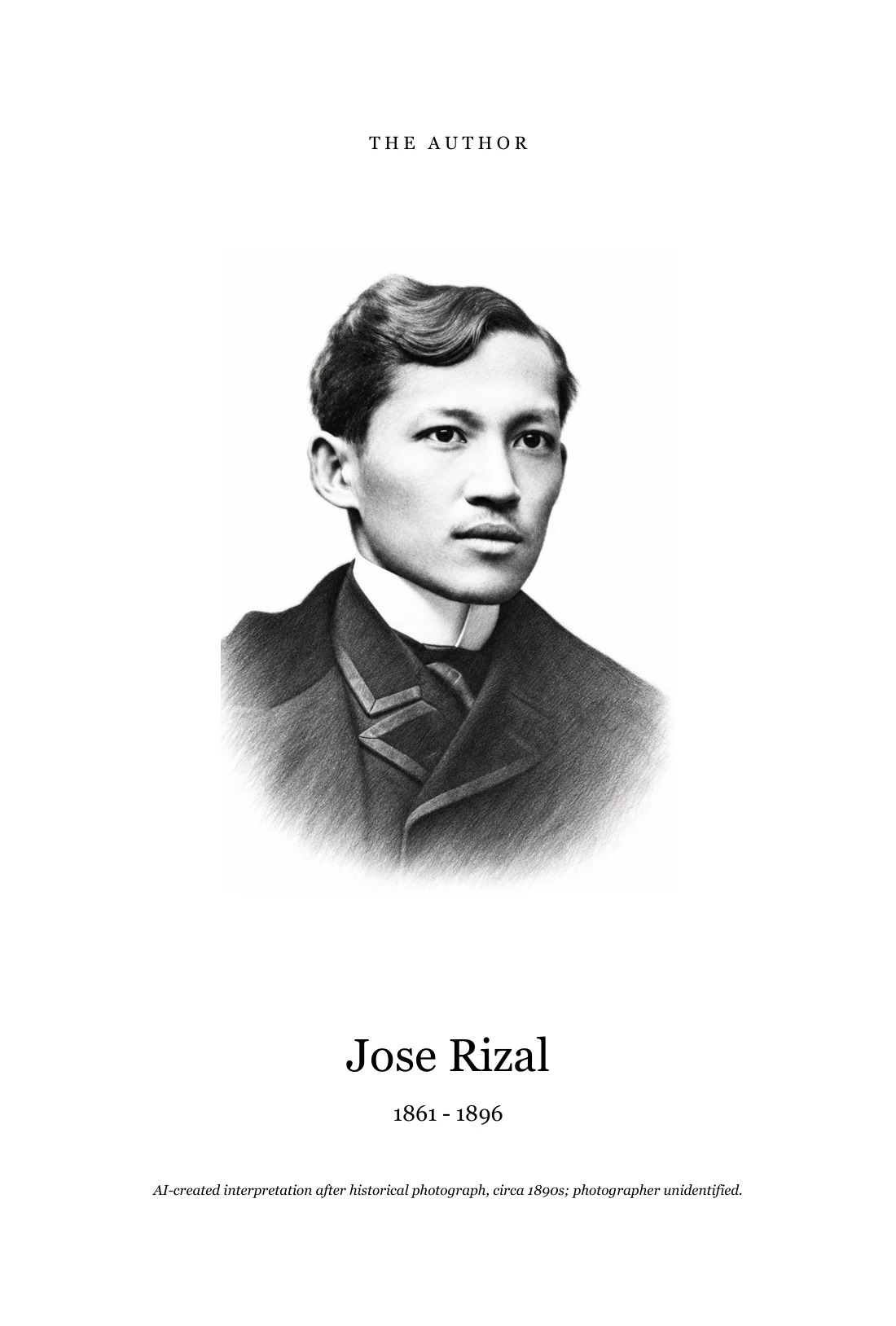
1887. José Rizal’s Spanish-language novel of the Philippines under Spanish rule, here in Charles Derbyshire’s 1912 English version. Rizal was executed by the colonial government in 1896; the book is still required reading in Philippine schools.


Giles worked at the British Museum, and his Art of War has been the standard free English text for more than a century. Its popularity as a business manual hides how strange and specific it is; we look at what it really says in Did you know The Art of War says the best victory needs no battle?. Rizal’s two novels are covered in José Rizal’s novels.
Japan through a newcomer’s eyes
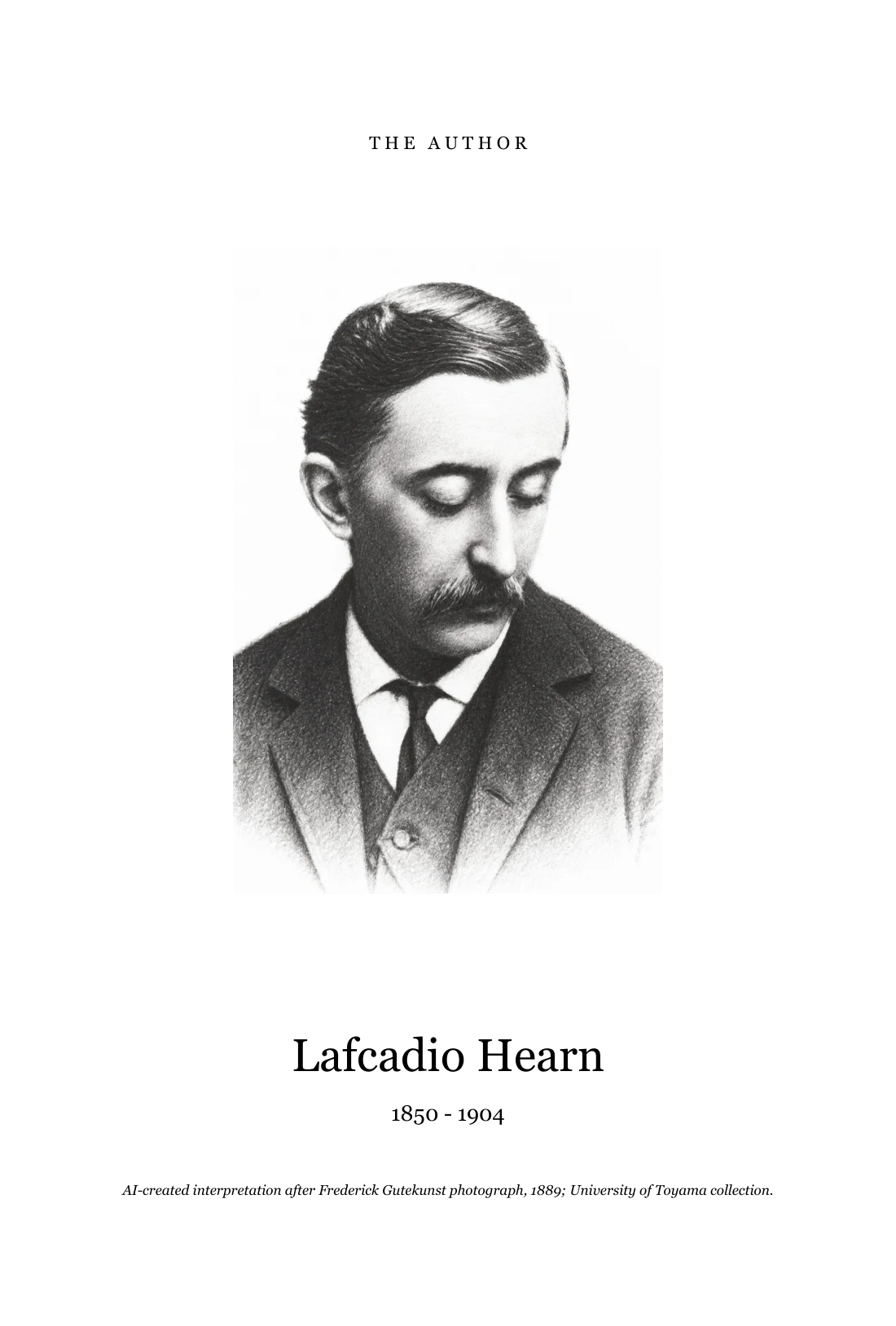
Lafcadio Hearn was not Asian by birth. Born on the Greek island of Lefkada and raised in Dublin, he arrived in Japan in 1890, married Setsuko Koizumi, and in 1896 became a Japanese citizen under the name Koizumi Yakumo. In his preface he says most of Kwaidan comes from old Japanese texts, though “Yuki-Onna” was told to him by a farmer. It is an outsider’s book, but an unusually devoted one. See Kwaidan: the Japanese ghost stories collected by a Greek-Irish writer

Where should you start with Asian classic literature?
- For one quiet evening: The Book of Tea, short enough for a single sitting.
- For poetry: Gitanjali, best read slowly, a few songs at a time.
- For a novel: The Home and the World, a love triangle that is also a debate about nationalism.
- For children: Japanese Fairy Tales, and our guide to Japanese fairy tales for kids.
- For something eerie: Kwaidan, ideally after dark.
Readers who want to roam further should try our fairy tales from around the world. But if you take only one book from this shelf, let it be Gitanjali: sixty pages that won a Nobel Prize, written by a poet who decided to translate himself.
Questions readers ask
What are the most famous Asian classics available in English?
Widely read examples include Tagore’s Gitanjali and The Home and the World, Okakura’s The Book of Tea, Sun Tzu’s The Art of War, the Analects of Confucius, José Rizal’s Noli Me Tangere and Lafcadio Hearn’s Kwaidan.
Was The Book of Tea written in English?
Yes. Okakura Kakuzō wrote it in English for Western readers, and it was first published in New York in 1906.
Did Tagore translate Gitanjali himself?
Yes. The 1912 English Gitanjali consists of Tagore’s own prose translations, drawn from the Bengali Gitanjali and several of his other collections. It won him the Nobel Prize in 1913.