Before she was Cinderella, she was a Greek courtesan in Egypt named Rhodopis, whose sandal, according to the geographer Strabo, was snatched by an eagle and dropped in the lap of a king. Around 850, the Chinese scholar Duan Chengshi wrote down the story of Ye Xian, a mistreated stepdaughter who is helped by the bones of a magic fish and loses a tiny golden slipper at a festival. Giambattista Basile told a Neapolitan version in 1634, Charles Perrault a French one in 1697, and the Brothers Grimm a German one, “Aschenputtel”, in 1812.
Fairy tales are the great travellers of literature. They cross borders, change clothes and keep their bones, which is why reading collections from different countries side by side is so rewarding. Here are seven classic fairy tale collections from around the world, and where each one will take you.
Europe: the Grimms and Andersen
Grimms' Fairy Tales
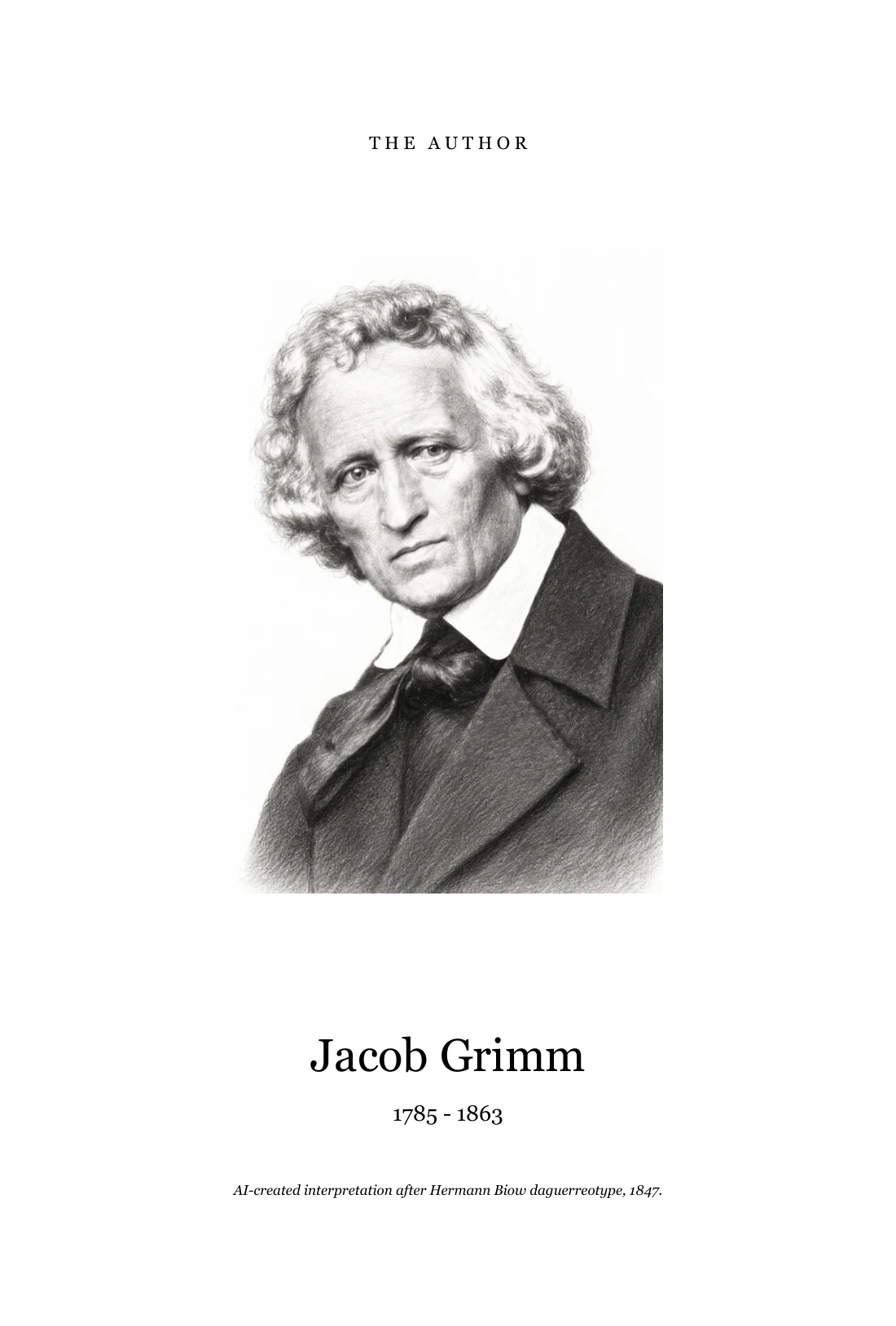
Germany, 1812 onwards. Jacob and Wilhelm Grimm set out to preserve the folk tales of the German-speaking lands, and published 86 in their first volume. Rapunzel, Hansel and Gretel, Snow White and Rumpelstiltskin all begin here, darker and stranger than the films.
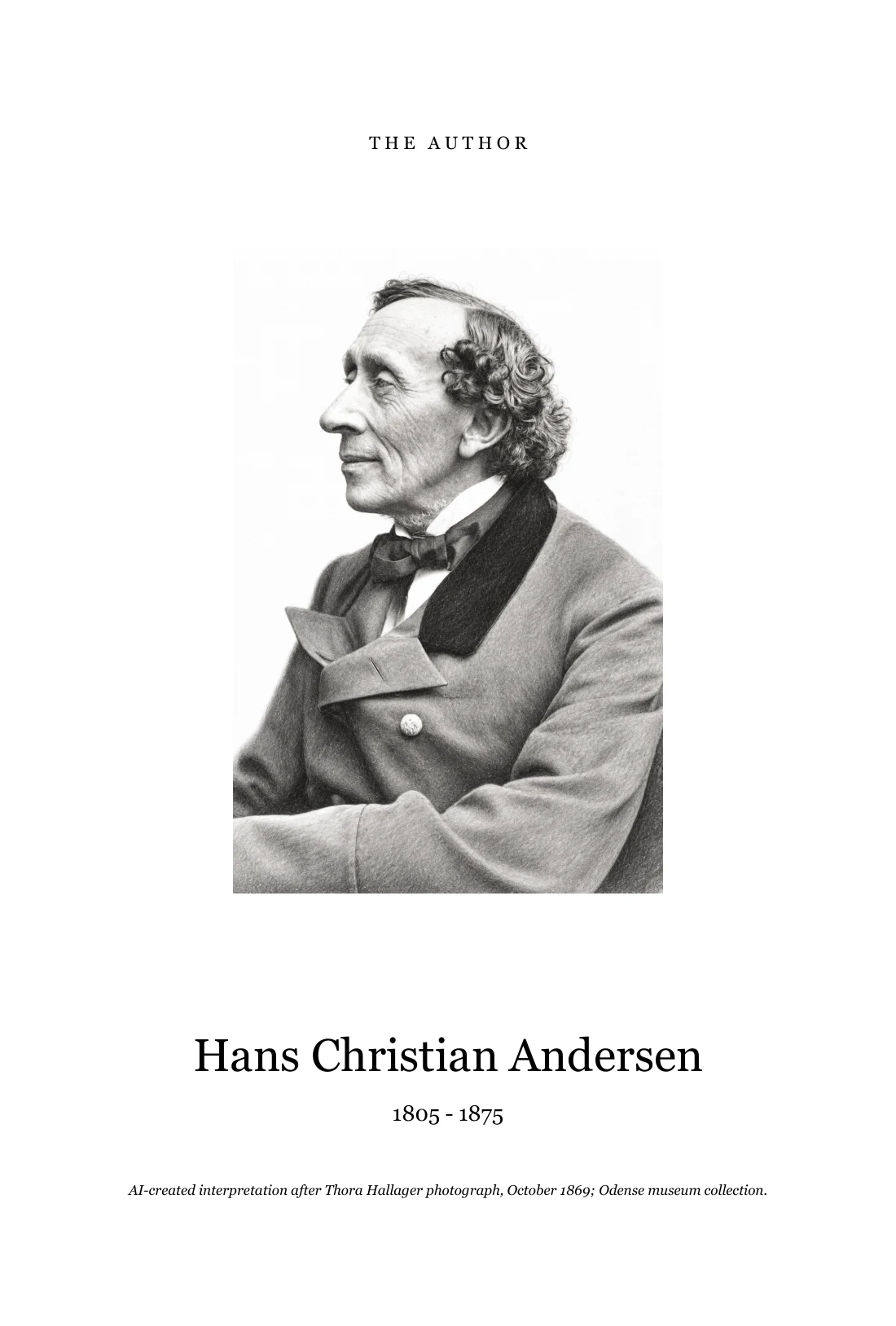
Andersen's Fairy Tales
Denmark, from 1835. Hans Christian Andersen retold a few folk tales but invented many of his best. This selection includes “The Snow Queen”, “The Little Match Girl” and “The Red Shoes”, though not “The Little Mermaid”. Funny, sad and often heartbreaking.


The difference between these two books is the difference between collecting and creating. The Grimms were scholars of language who gathered stories from the people they knew, then polished them through edition after edition. Andersen was a novelist and poet who wrote fairy tales of his own, full of his own loneliness. Read “The Snow Queen” after “Aschenputtel” and you can feel the fairy tale turning into modern literature.

Japan and Ireland
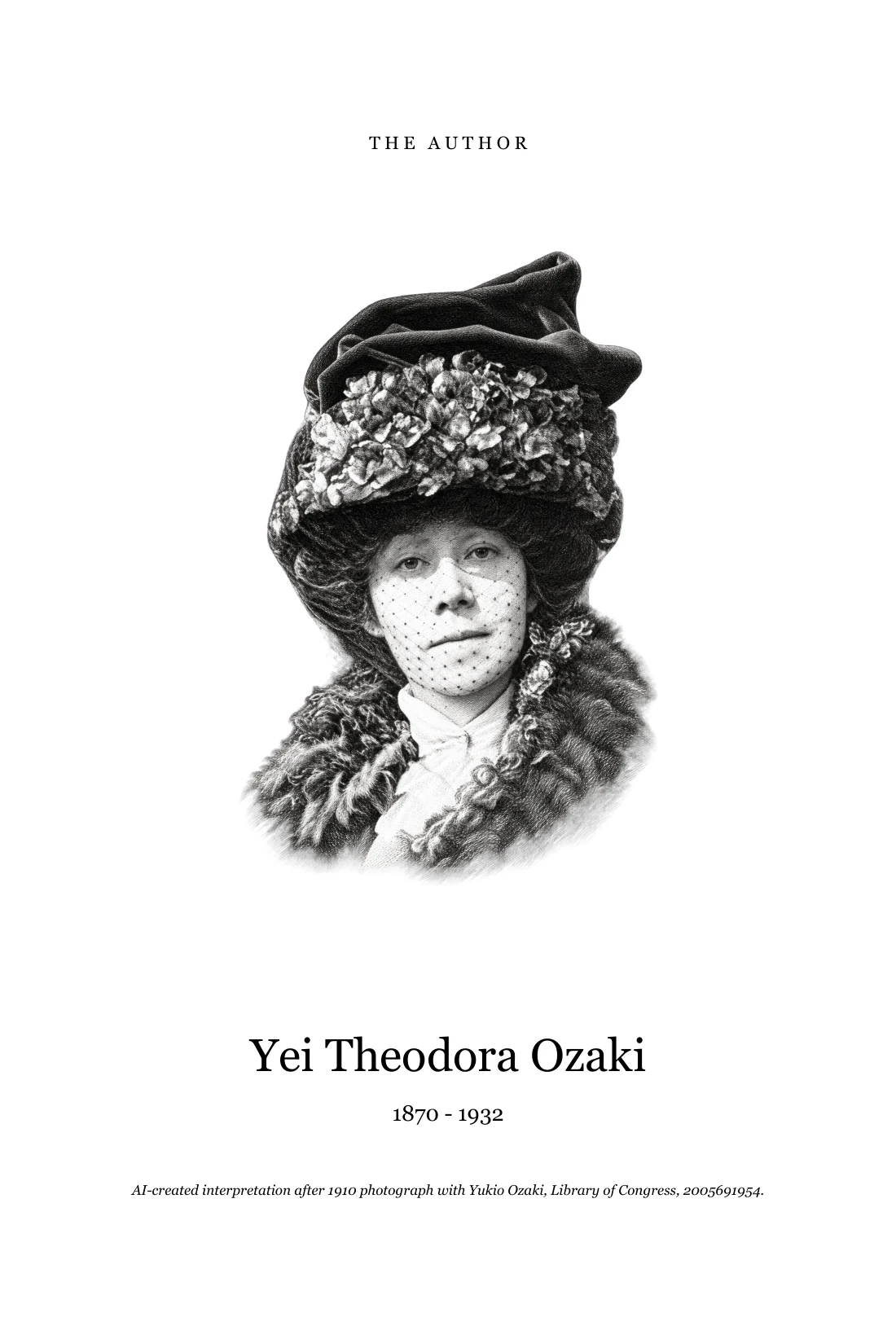
Japanese Fairy Tales
Japan, 1908. Yei Theodora Ozaki retold twenty-two traditional tales, all but one of them Japanese, for Western children, among them Momotaro, the boy born from a peach; Urashima Taro, the fisher lad who visits the Dragon King’s palace under the sea; and the old man and his tongue-cut sparrow.
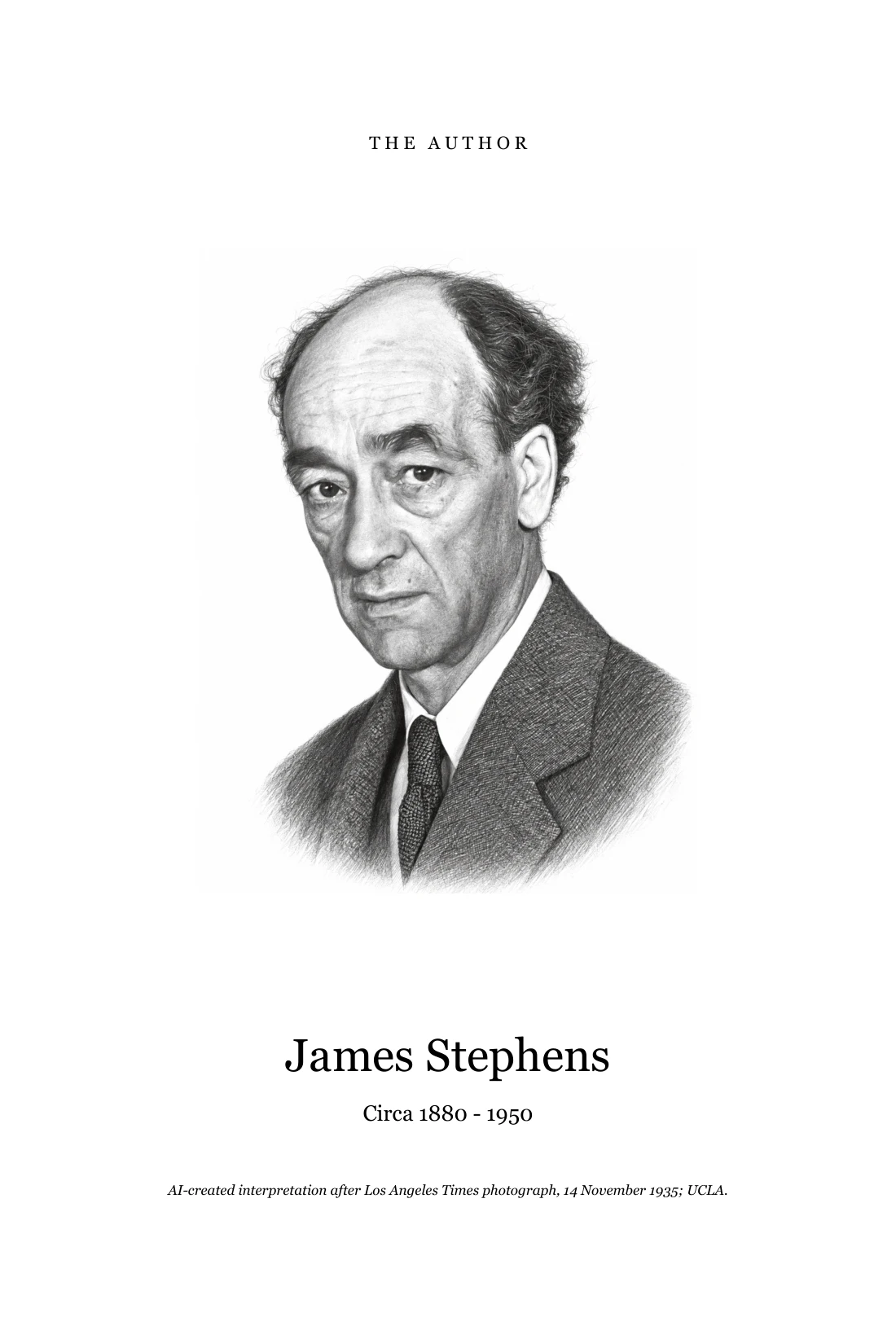
Irish Fairy Tales
Ireland, 1920. James Stephens, a poet and novelist, retold the old Irish legends of Fionn mac Cumhaill and his band of warriors, the Fianna. Grand, wild and very funny, with fairy women, enchanted hounds and magic everywhere.


The Middle East: the Arabian Nights
Two of the most famous stories in the Nights are not in the old Arabic manuscripts at all. Aladdin and Ali Baba first appeared in the French version made by Antoine Galland in the early eighteenth century, and Galland seems to have heard at least Aladdin from a Syrian storyteller from Aleppo, Hanna Diyab. They are sometimes called the “orphan tales”, and they show how a collection can keep growing as it travels. Lang put Aladdin in his Arabian Nights and Ali Baba, as “The Forty Thieves”, in The Blue Fairy Book.

Everywhere at once: Andrew Lang’s fairy books
The Blue Fairy Book
1889. The first of the Langs’ twelve coloured fairy books, mixing Grimm, Perrault, Madame d’Aulnoy, Norwegian tales and the Arabian Nights. Cinderella, Sleeping Beauty and Beauty and the Beast are all here.
The Brown Fairy Book
1904. A later volume that ranges much further afield, with stories from Native American, Australian, African, Persian and Pacific traditions.


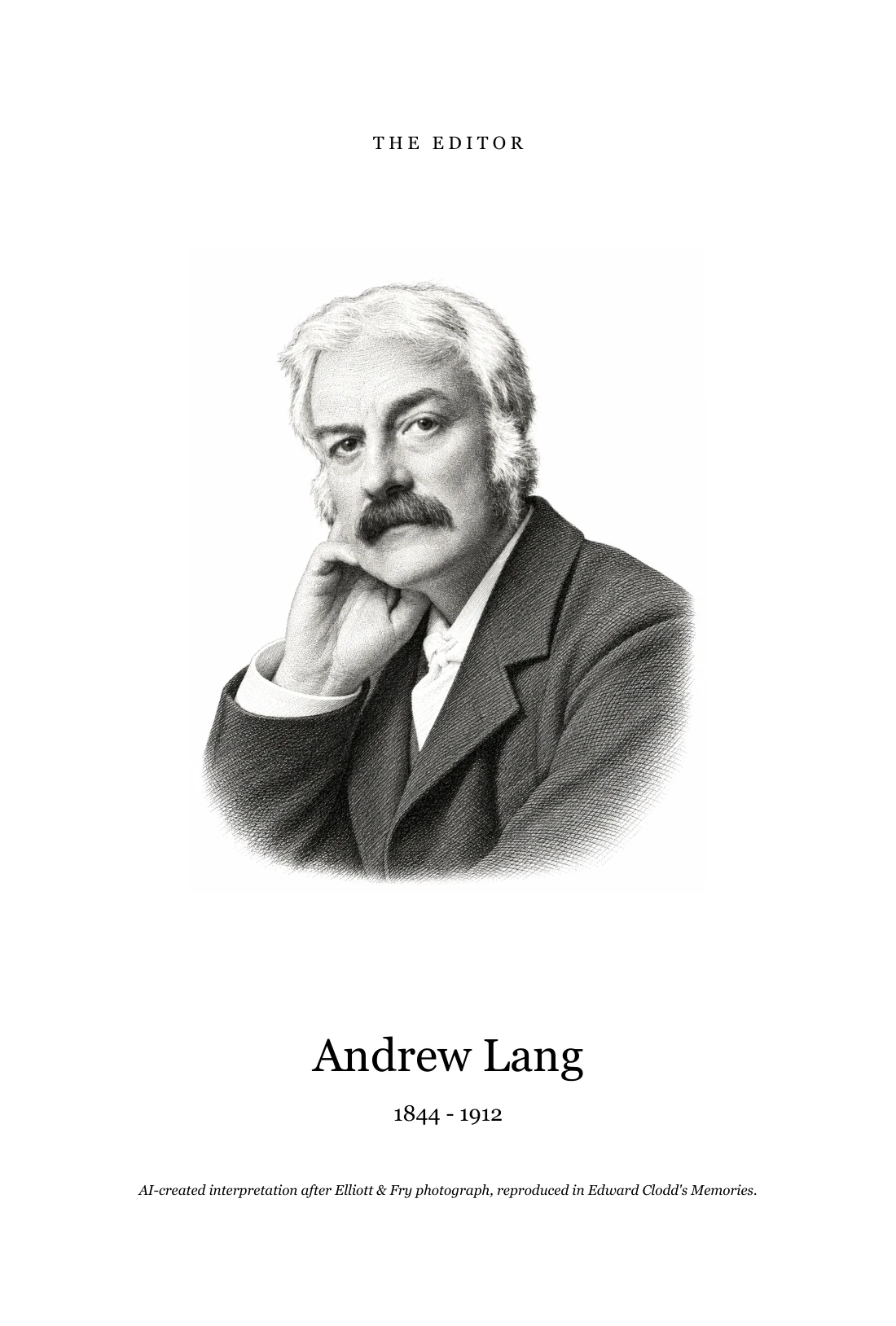
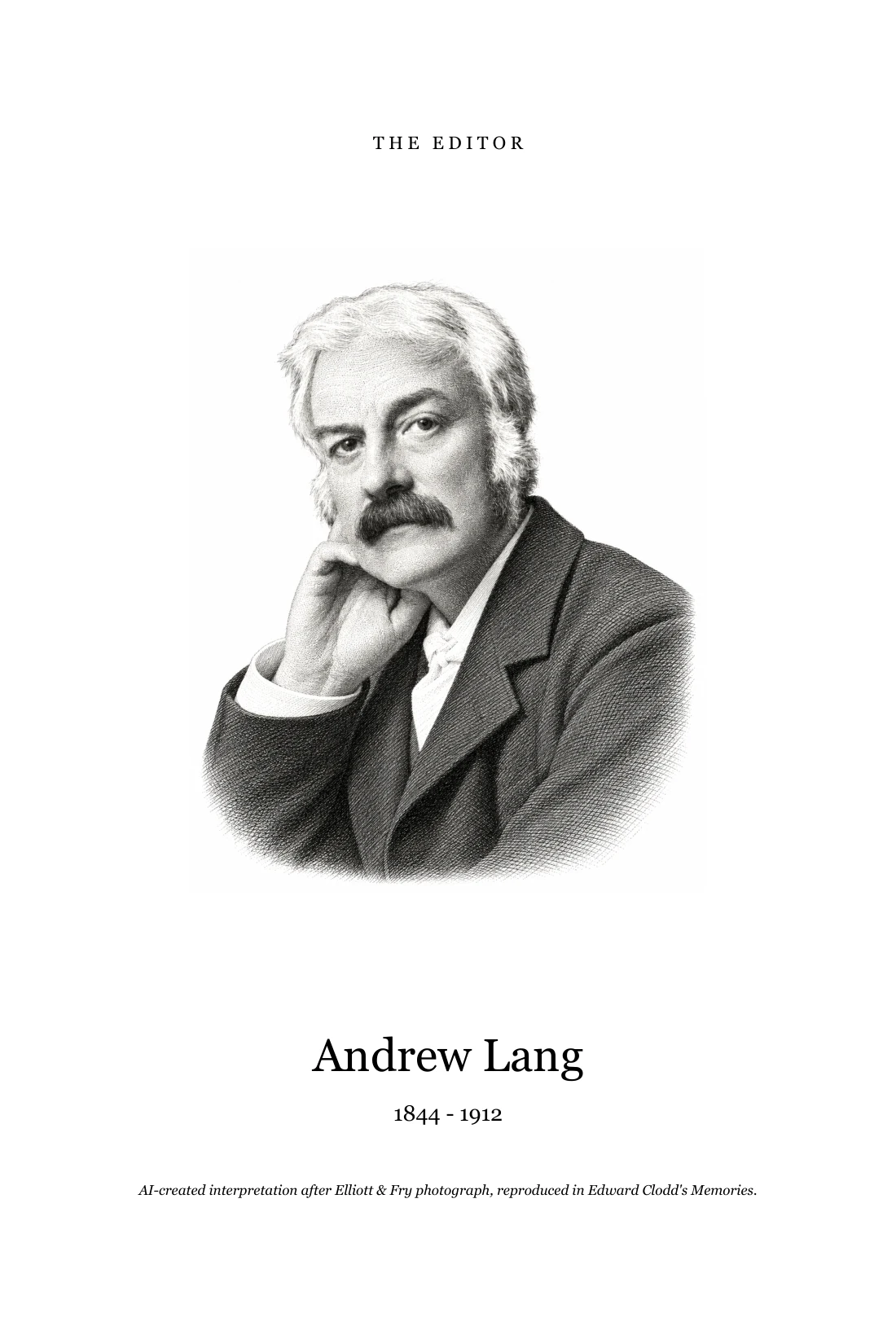
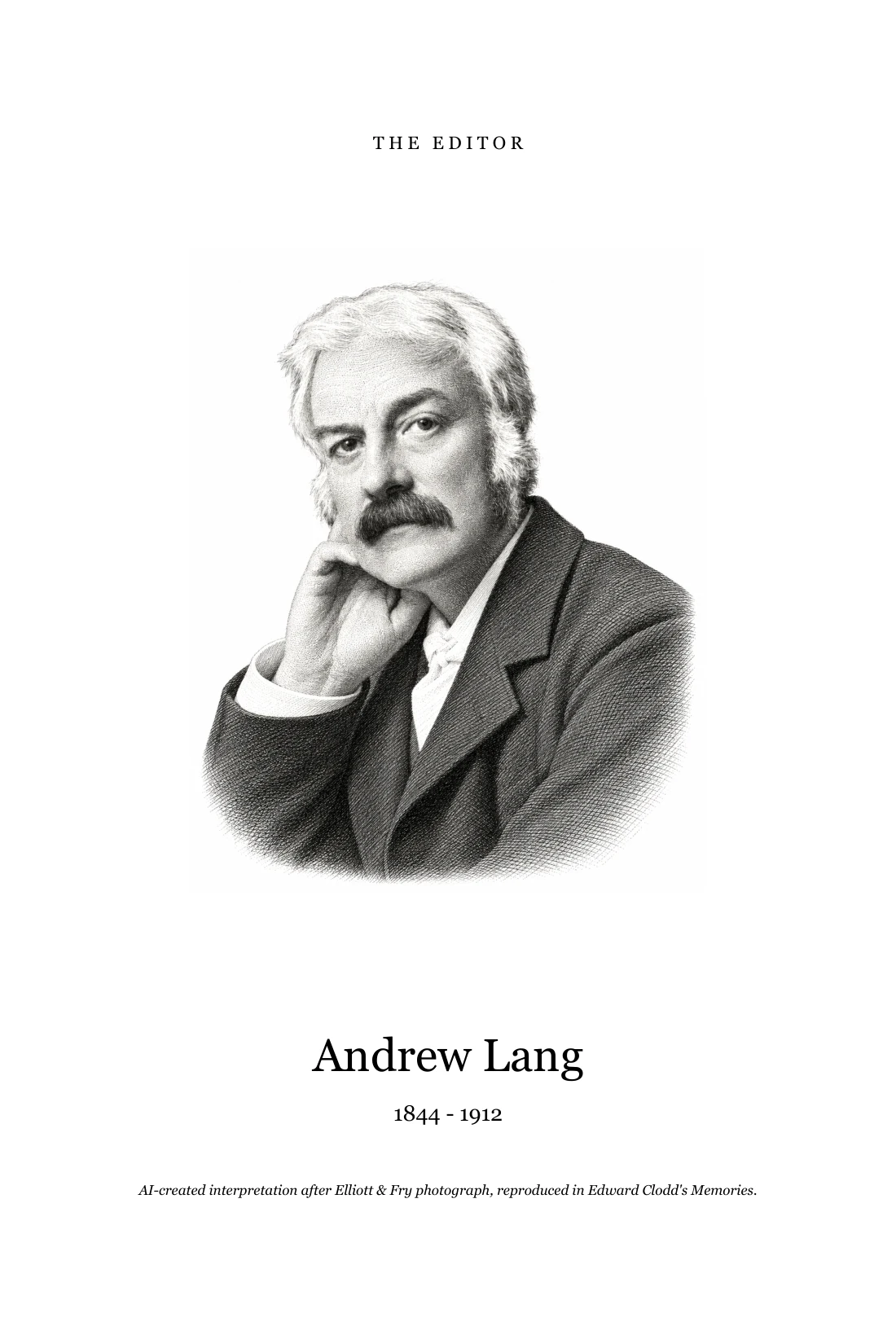
The Blue Fairy Book was a surprise hit, and the series that followed ran to twelve fairy books, each with its own colour. Andrew Lang’s name was on the covers, but his wife, Nora, took over the editing in the 1890s, and she and other translators did much of the translating and retelling. As the series went on it reached beyond Europe to India, Japan, Africa and the Americas. Be warned that Lang’s prefaces to the later books talk about other peoples in the patronising language of his age; the stories themselves are often far more generous than their editor.
Which of these fairy tale collections should you start with?
For children meeting fairy tales for the first time, start with The Blue Fairy Book: it has the famous stories in clear, lively versions. For reading aloud to slightly older children, Japanese Fairy Tales is a delight, with short tales and memorable heroes. For adults, read the Grimms and Andersen together, and then go on to Stephens’s Irish legends, which are as much literature as folklore.
To learn how these collections came to be, read Who collected the fairy tales? Grimm, Andersen and Lang and Did you know there are twelve Andrew Lang coloured fairy books?. For younger readers there are Japanese fairy tales for children and Irish fairy tales for children.
Then begin where the old storytellers did, with a peach floating down a river. Japanese Fairy Tales opens its door onto a whole world of ogres, sparrows and sea-kings.
Questions readers ask
What are the most famous fairy tale collections?
The Grimms’ Children’s and Household Tales (from 1812), Hans Christian Andersen’s fairy tales (from 1835), the Arabian Nights and Andrew Lang’s coloured fairy books, beginning with The Blue Fairy Book in 1889.
What is the oldest version of Cinderella?
The Greek tale of Rhodopis, recorded by Strabo around the turn of the first century, is usually called the earliest. The Chinese story of Ye Xian was written down around 850 and is one of the oldest versions with a lost slipper and a cruel stepmother.
Did Hans Christian Andersen write his own fairy tales?
Yes. Unlike the Brothers Grimm, who collected folk tales, Andersen invented many of his stories, including The Little Mermaid and The Ugly Duckling, though he also retold some traditional ones.