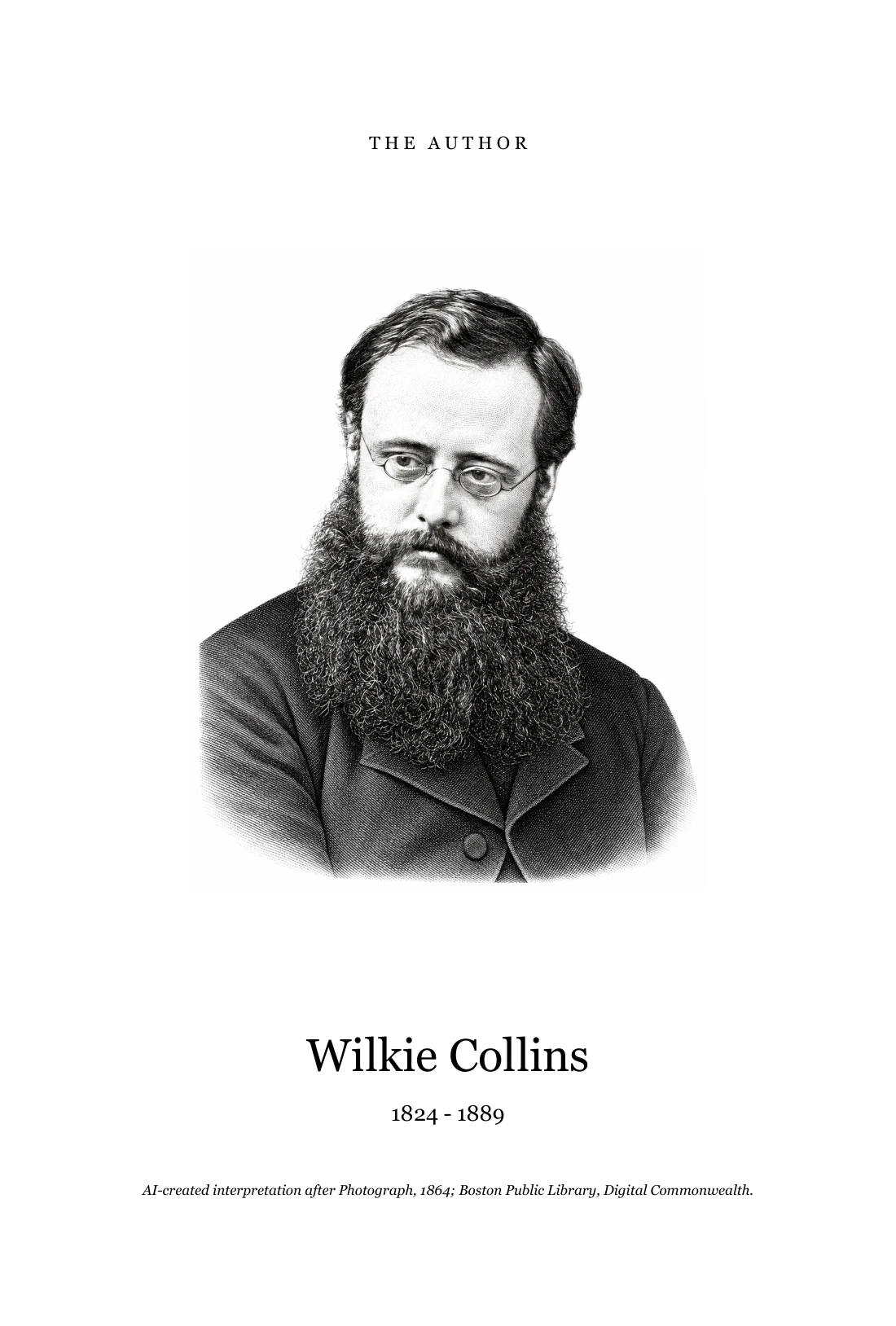
If you want to know what the first detective novel in English was, The Moonstone by Wilkie Collins is the answer you will hear most often. T. S. Eliot famously called it the first, the longest and the best of modern English detective novels, and although rivals have been proposed, few books have a stronger claim to have set out the rules of the genre.
It was serialised in 1868 in All the Year Round, the weekly magazine edited by Collins’s friend Charles Dickens, and readers followed it week by week as eagerly as any modern audience follows a crime drama. Almost everything we now expect from a classic mystery is already there.
Was The Moonstone the first detective novel?
It depends how strictly you define the terms. Edgar Allan Poe had invented the detective story in the 1840s, but his Dupin tales are short stories. In France, Émile Gaboriau’s detective novels began appearing a couple of years before The Moonstone. In England, Dickens had given Bleak House a detective, Inspector Bucket, but not a detective plot, and a few earlier English novels, such as the pseudonymous The Notting Hill Mystery, have their champions.
What sets The Moonstone apart is its completeness. It is a full-length novel built entirely around the investigation of a single crime, with clues placed fairly for the reader to find. That is why “first English detective novel” has stuck to it, even with the occasional asterisk.

What The Moonstone invented
Read it today and you will keep seeing the ancestors of later favourites:
- A crime in an English country house, with a closed circle of suspects.
- Bungling local police, outshone by a brilliant professional detective.
- Red herrings, plenty of false suspects, and characters who behave guiltily for innocent reasons.
- A reconstruction of the crime late in the book.
- A final twist that most first-time readers do not see coming.
Collins tells the story through a series of witnesses, each writing their own account. The first and best is Gabriel Betteredge, the elderly house steward, who consults Robinson Crusoe as if it were an oracle. Later narrators include the fanatically pious Miss Clack, one of the great comic creations of Victorian fiction.
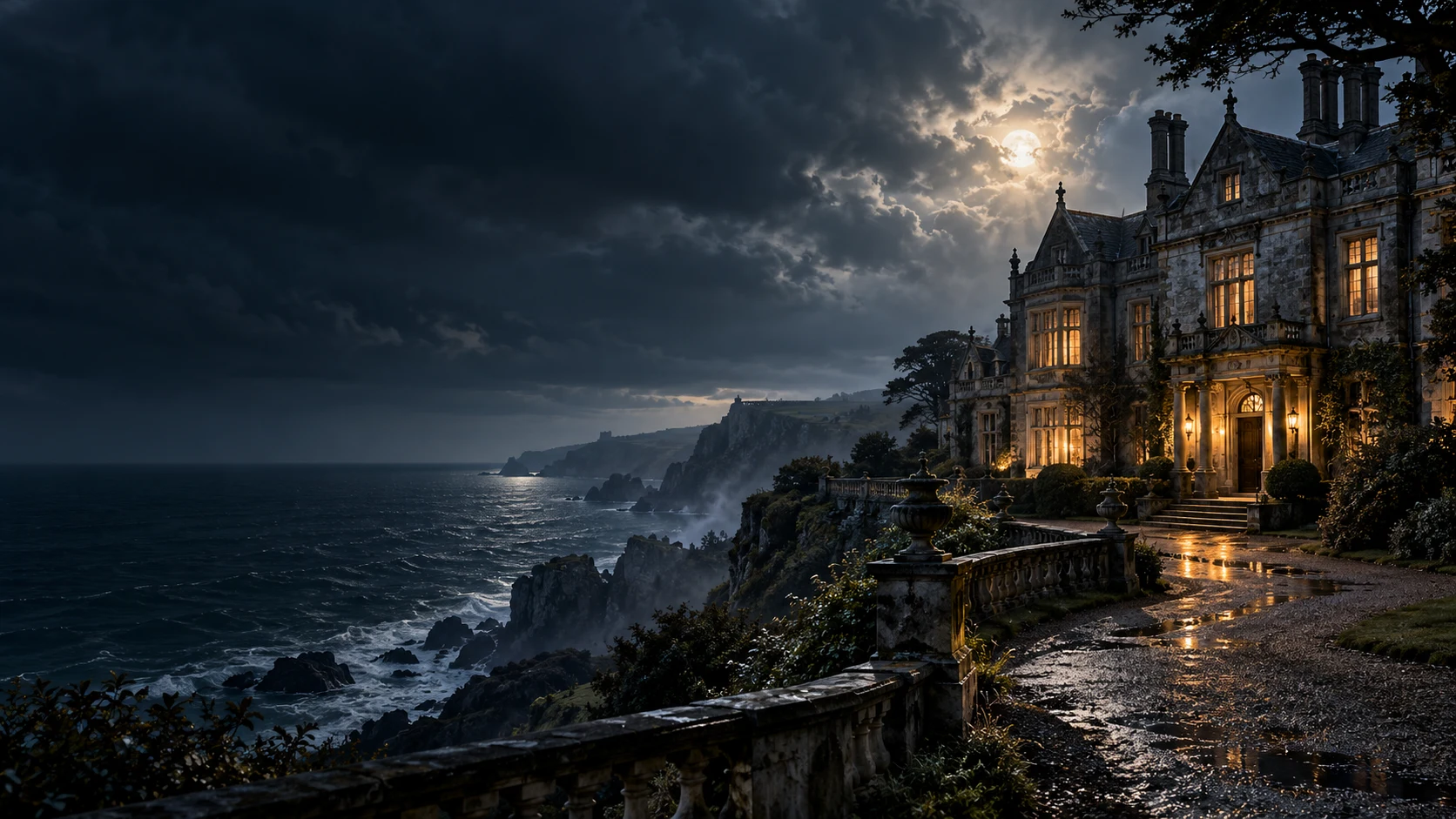
Collins also gives the story an unforgettable setting. Near the Verinder house lies the Shivering Sand, a quicksand on the Yorkshire coast that seems to tremble and breathe, and it becomes one of the great eerie landscapes of Victorian fiction. Dickens, who published the novel, began his own mystery, The Mystery of Edwin Drood, soon afterwards, and many readers have seen The Moonstone’s influence in it.
The Moonstone
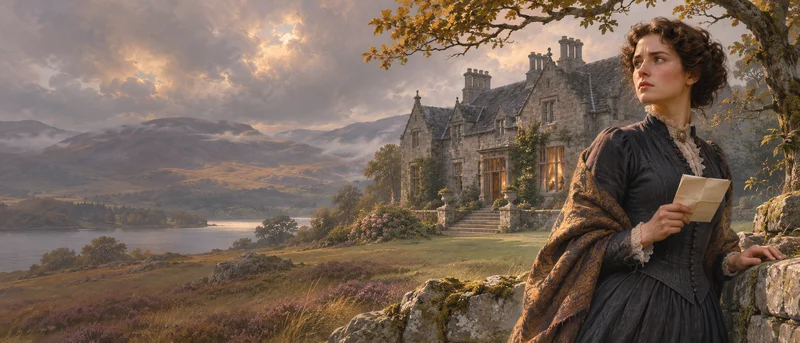
1868. A sacred Indian diamond vanishes from a Yorkshire country house on the very night it is given to a young heiress. Sergeant Cuff is called in. For many readers, the book that set the rules of the detective novel.
The Woman in White
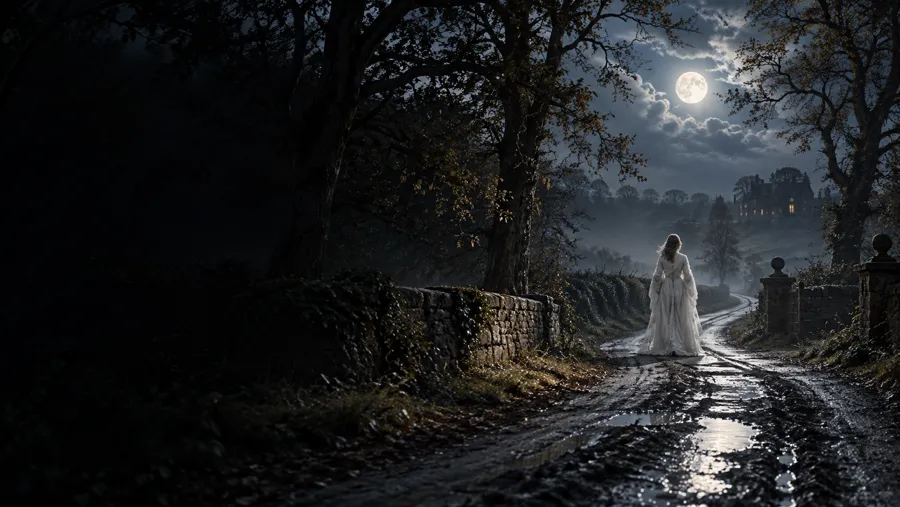
1859–60. Collins’s other masterpiece: a mysterious woman in white on a moonlit road, a stolen identity and one of fiction’s great villains, Count Fosco.


Is The Moonstone worth reading today?
Absolutely, if you have a few evenings to spare. It is a long book, but the changing narrators keep it moving, and Betteredge and Miss Clack are genuinely funny. Collins wrote much of it while ill and in great pain, dictating parts of it, yet the plot is one of the tightest of its century. We won’t say anything about who took the diamond.
The novel opens with the storming of Seringapatam in India in 1799, where the diamond is plundered, and the story is shaped by British imperialism. Collins is more sympathetic to the three Indian guardians who follow the stone than many writers of his day, but the book still reflects the attitudes of its time, and modern readers will notice them.
Where to go next
To meet Collins’s other great novel, read Did you know The Woman in White caused a merchandise craze?, and for the American story of where detective fiction began, Did you know Edgar Allan Poe invented the detective story?. Did you know most Victorian novels were published in instalments? explains how readers first met The Moonstone, and Sherlock Holmes in order follows the detective who inherited Cuff’s crown.
Then settle in with Betteredge, his pipe and his Robinson Crusoe. The Moonstone is long, but very few readers who start it fail to finish.
Questions readers ask
What is the first detective novel?
The Moonstone by Wilkie Collins (1868) is often called the first English detective novel. Earlier detective fiction exists, notably Poe’s short stories and Émile Gaboriau’s French novels, so the title depends on how you define it.
Who is the detective in The Moonstone?
Sergeant Cuff of Scotland Yard, a dry, rose-loving professional partly inspired by the real detective Jonathan Whicher. Several other characters also investigate.
Is The Moonstone hard to read?
It is long, but not difficult. The story is told by a series of lively narrators, which keeps the pace up, and the chapters suit reading in instalments, as its first readers did.
 No Name680 pages · $27.99
 Armadale754 pages · $29.99
 The Dead Secret350 pages · $18.99
 Man and Wife576 pages · $24.99