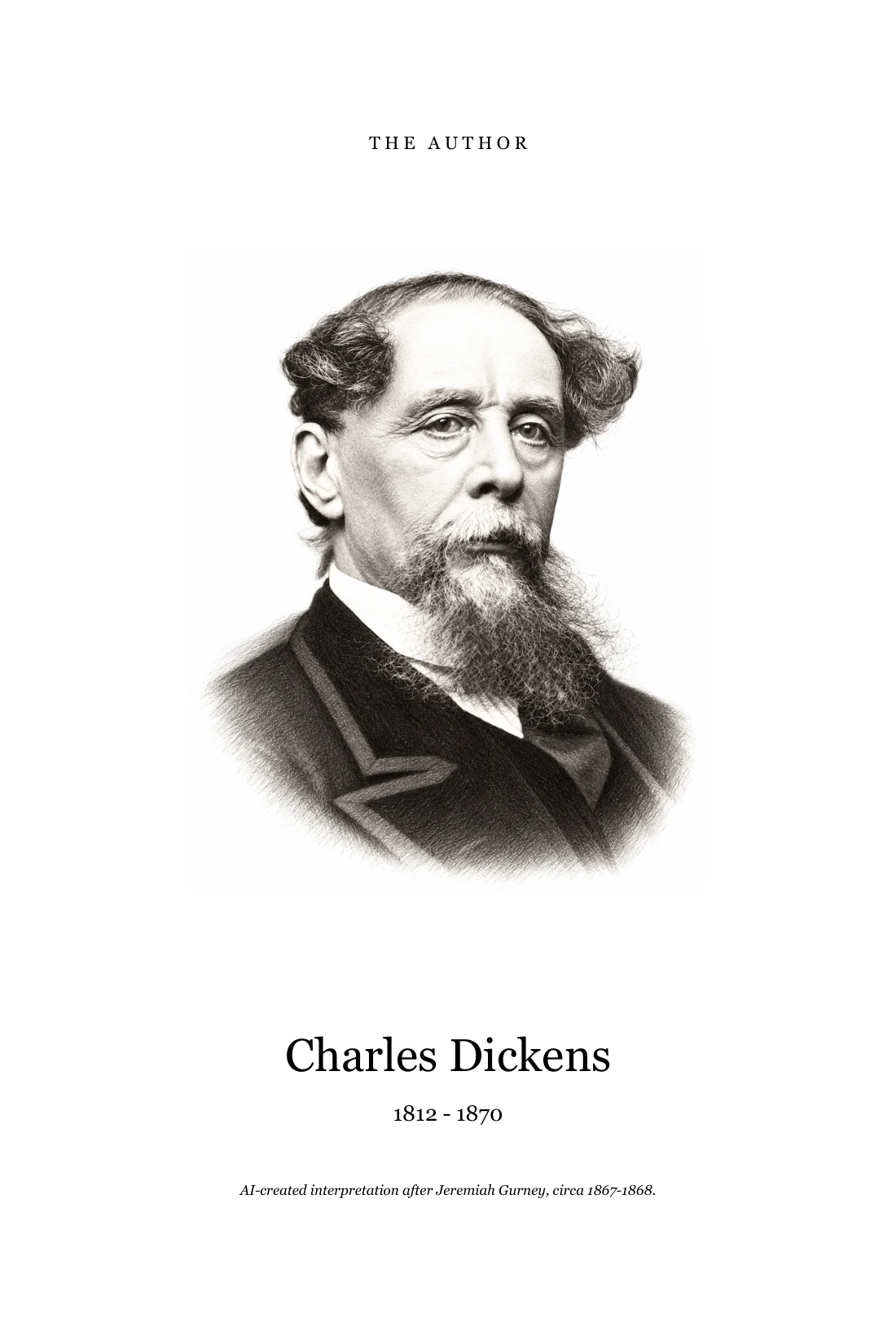
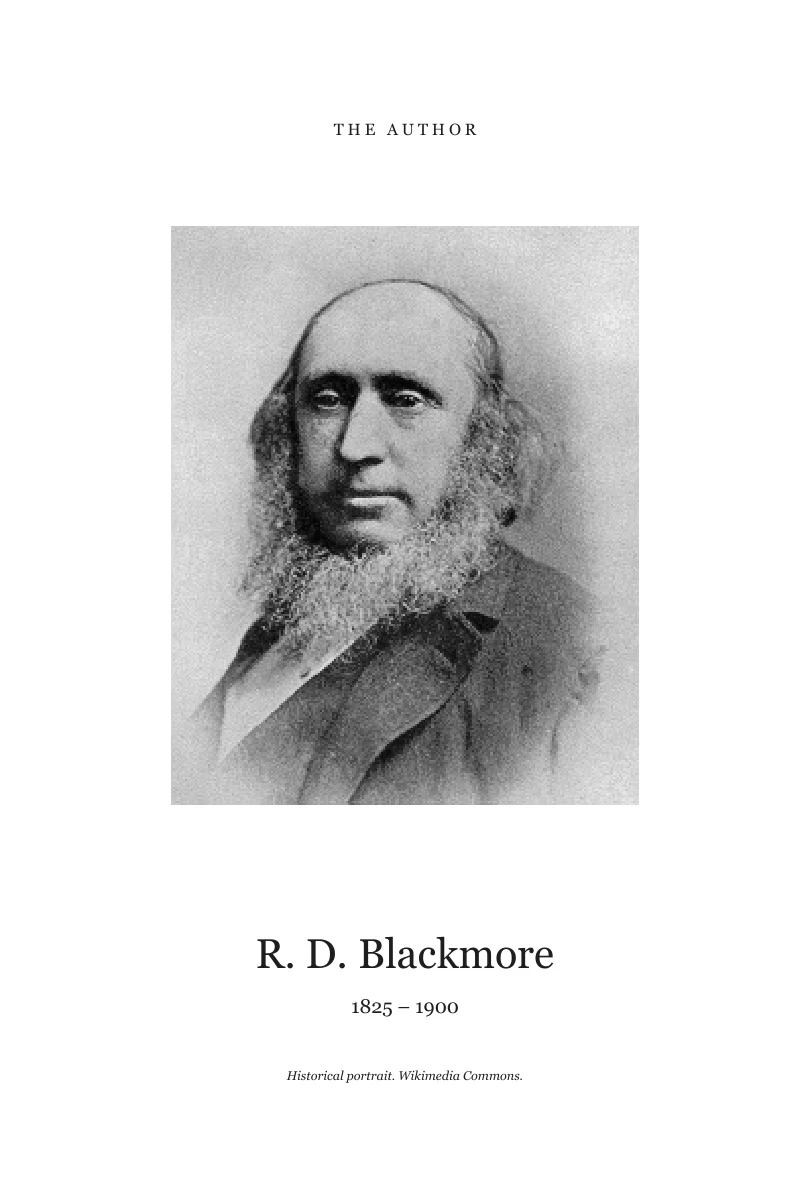
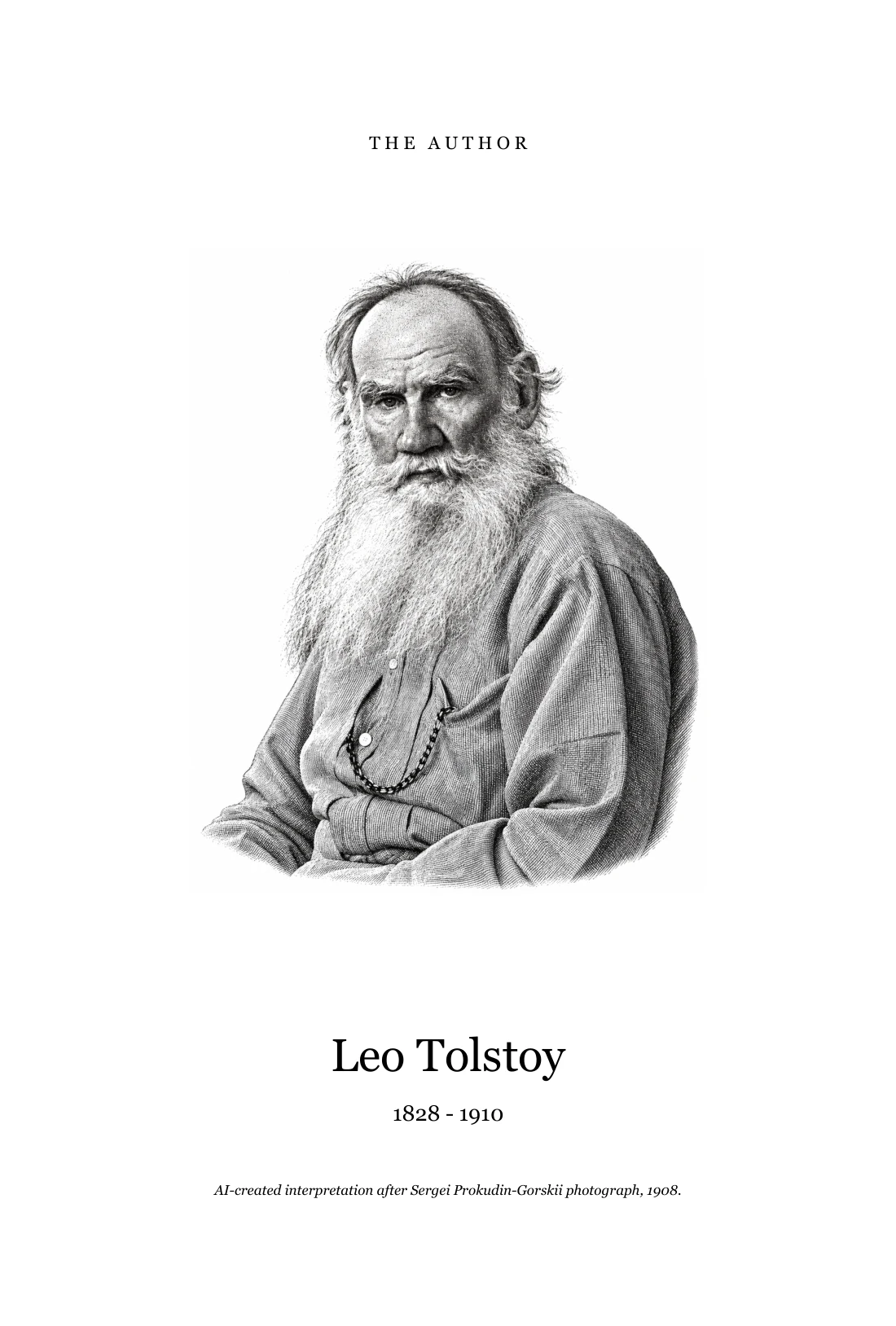
The longest classic novel in our library is a dead heat. David Copperfield and Ann Radcliffe’s The Mysteries of Udolpho run to exactly the same length in our editions, with The Pickwick Papers, Lorna Doone, Anna Karenina and The Brothers Karamazov close behind. Dickens alone claims three of the top ten.
We ranked these by the page count of our own editions, which you can see on each card. Page counts depend on type size and layout, so treat this as a ranking of our shelves rather than an official measure. We have kept to novels in the main list and gathered a few long books that aren’t novels at the end.
The longest classic novels, ranked
- $29.99
David Copperfield
1849–50. Dickens called it his favourite child. The story of a boy’s growth from a miserable childhood to a writer’s life, with Mr Micawber, Uriah Heep and Betsey Trotwood along the way.
- $29.99
The Mysteries of Udolpho
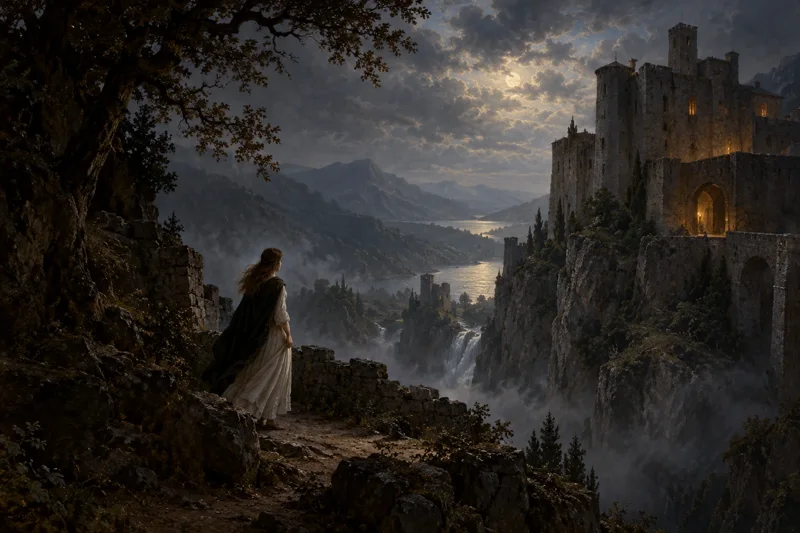
1794. Ann Radcliffe’s Gothic blockbuster, all mountain scenery, locked rooms and a sinister Italian castle. The book Catherine Morland can’t put down in Northanger Abbey.
- $29.99
The Pickwick Papers
1836–37. Dickens’s first novel began as a series of comic sketches and became a sensation. Mr Pickwick and his servant Sam Weller made the young author famous.
- $29.99
Lorna Doone
1869. R. D. Blackmore’s romance of Exmoor in the late seventeenth century, told by John Ridd, a Somerset farmer who falls for Lorna, raised among the outlaw Doones.
- $29.99
Anna Karenina
1878. Tolstoy sets a doomed love affair against a happy marriage and a farmer’s search for meaning. Long, but never slow.
- $29.99
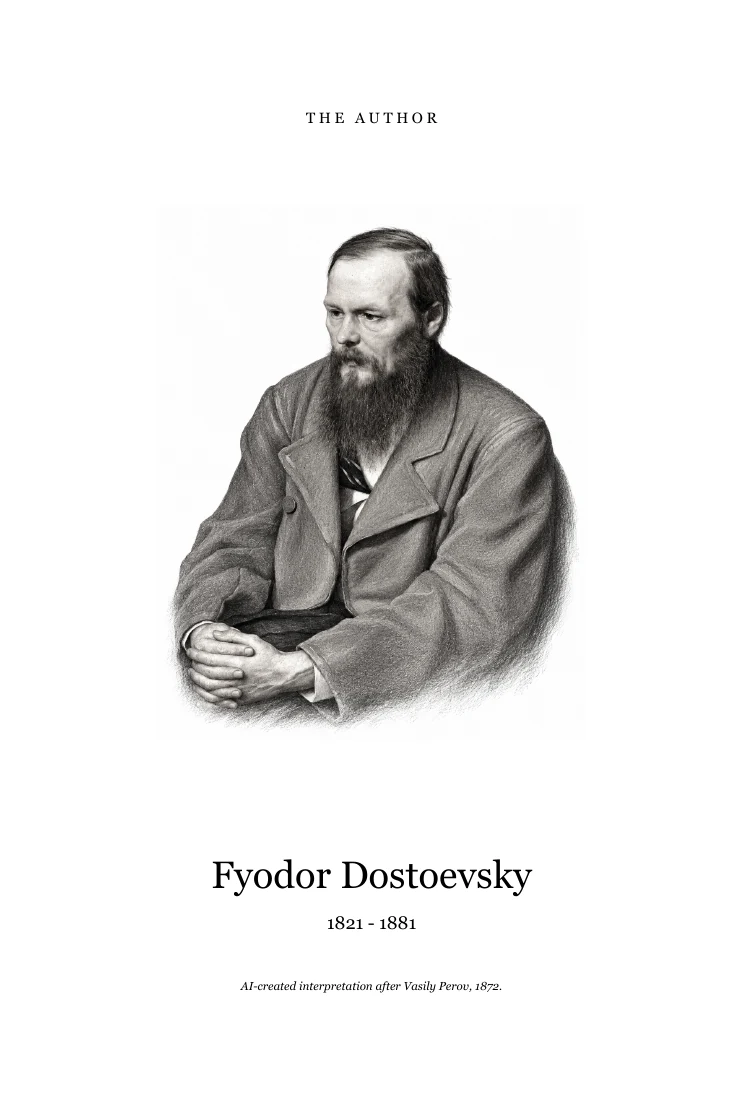
The Brothers Karamazov
1880. Dostoevsky’s last novel: a murder, three brothers and every question about God and freedom he could fit in. He died the following year.
- $29.99
Bleak House
1852–53. A lawsuit that has outlived everyone who started it, a fog that covers London, and one of the first detectives in English fiction.
- $29.99
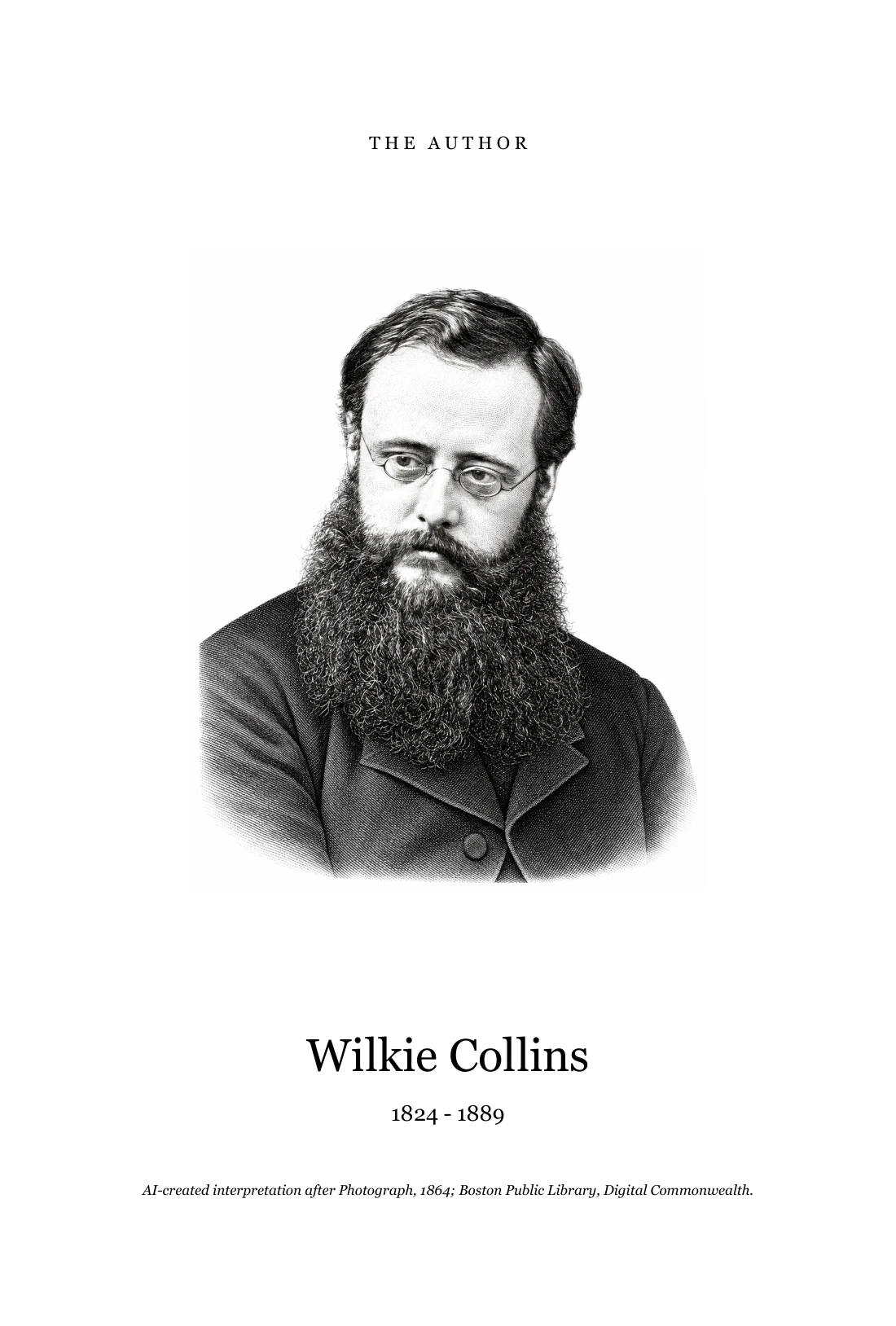
Armadale
1864–66. Wilkie Collins’s most twisting plot, with a magnificent villainess in Lydia Gwilt. A sensation novel to binge.
- $29.99
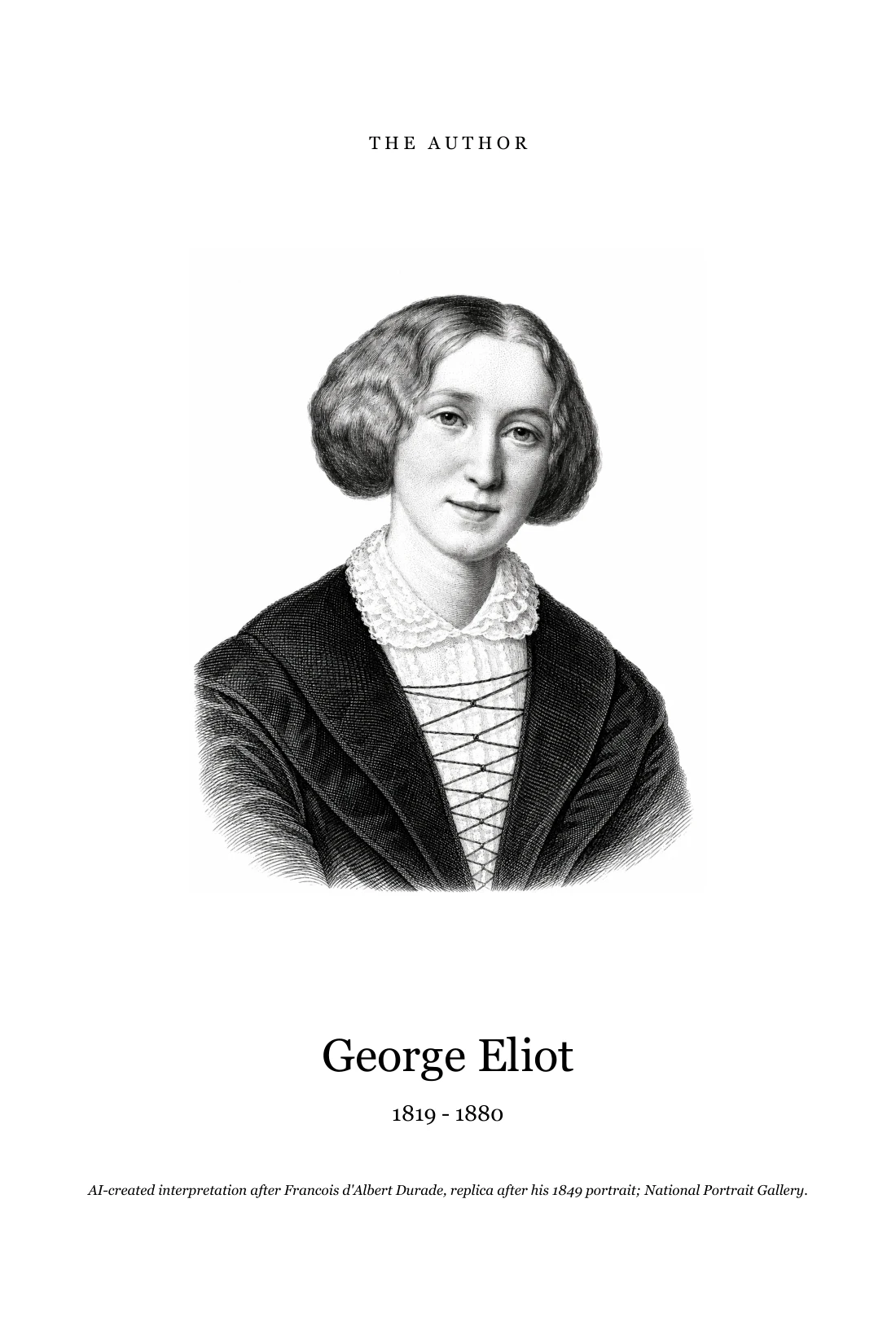
Middlemarch
1871–72. George Eliot’s portrait of a Midlands town, often named as the greatest English novel. It first appeared in eight parts.
- $28.99
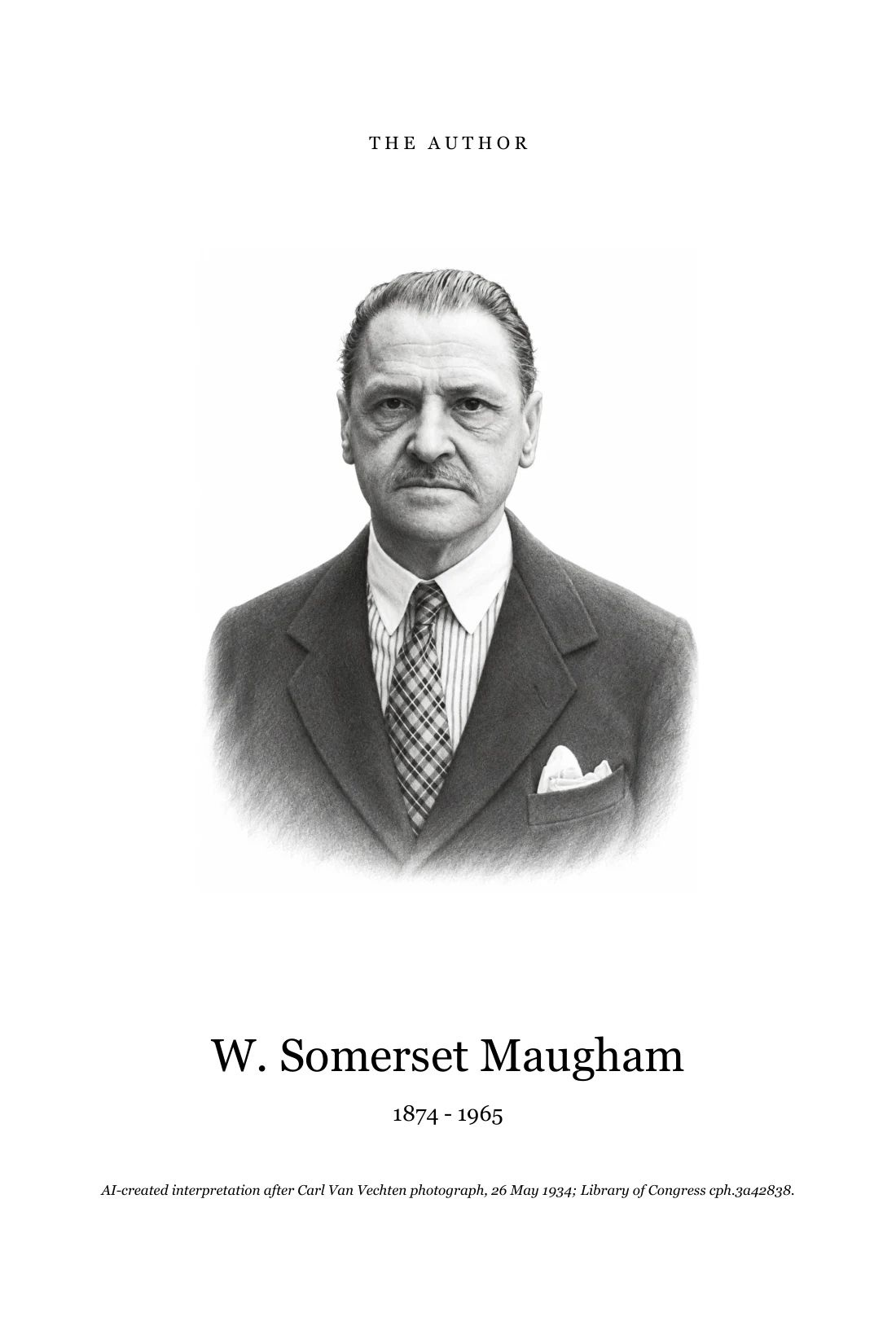
Of Human Bondage
1915. W. Somerset Maugham’s largely autobiographical novel of Philip Carey, a young man with a club foot, finding his way through art, medicine and an obsessive love.
- $28.99
Wives and Daughters
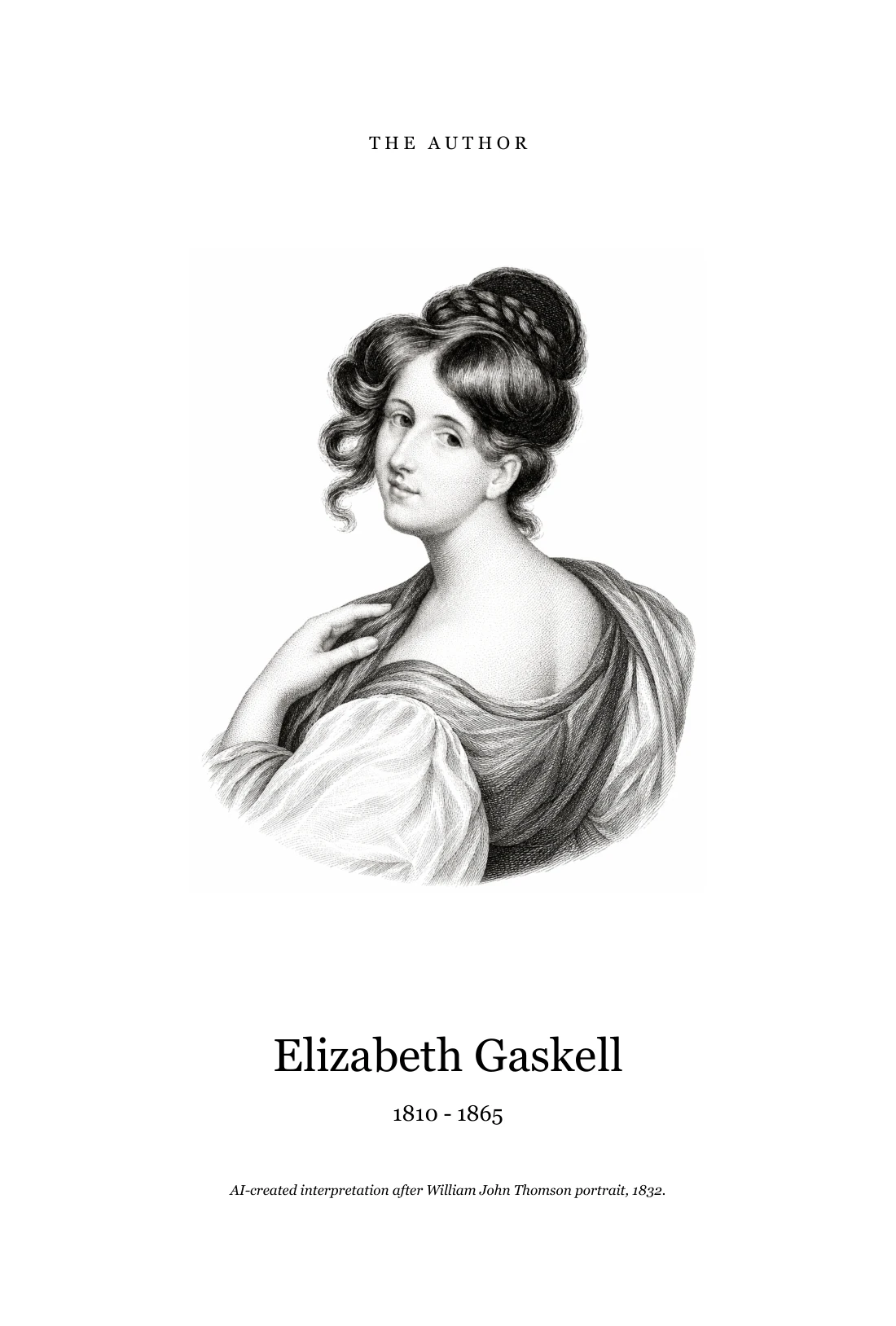
1864–66. Elizabeth Gaskell’s warmest novel, following Molly Gibson into adulthood. Gaskell died before writing the final chapter.


Why are classic novels so long?
Many of these books were never meant to be read in one block. Dickens published his novels in monthly instalments, usually spread over a year and a half, and Collins, Eliot, Gaskell and Tolstoy all serialised their work in parts or in magazines. A novel written to be read over many months could afford subplots, large casts and long detours, because readers had time to live with them.
Victorian publishers also favoured the ‘three-decker’, a novel in three volumes sold mainly to circulating libraries, which rewarded length. Radcliffe’s Udolpho came out in four volumes in 1794. For more on how this shaped the books, see Victorian serial novels.
Long books that aren’t novels
These three would sit high in the ranking if we counted them, but strictly they belong on a different list.
The Decameron
Boccaccio’s fourteenth-century collection of a hundred tales, told by ten young Florentines sheltering from the plague.
The Education of Henry Adams
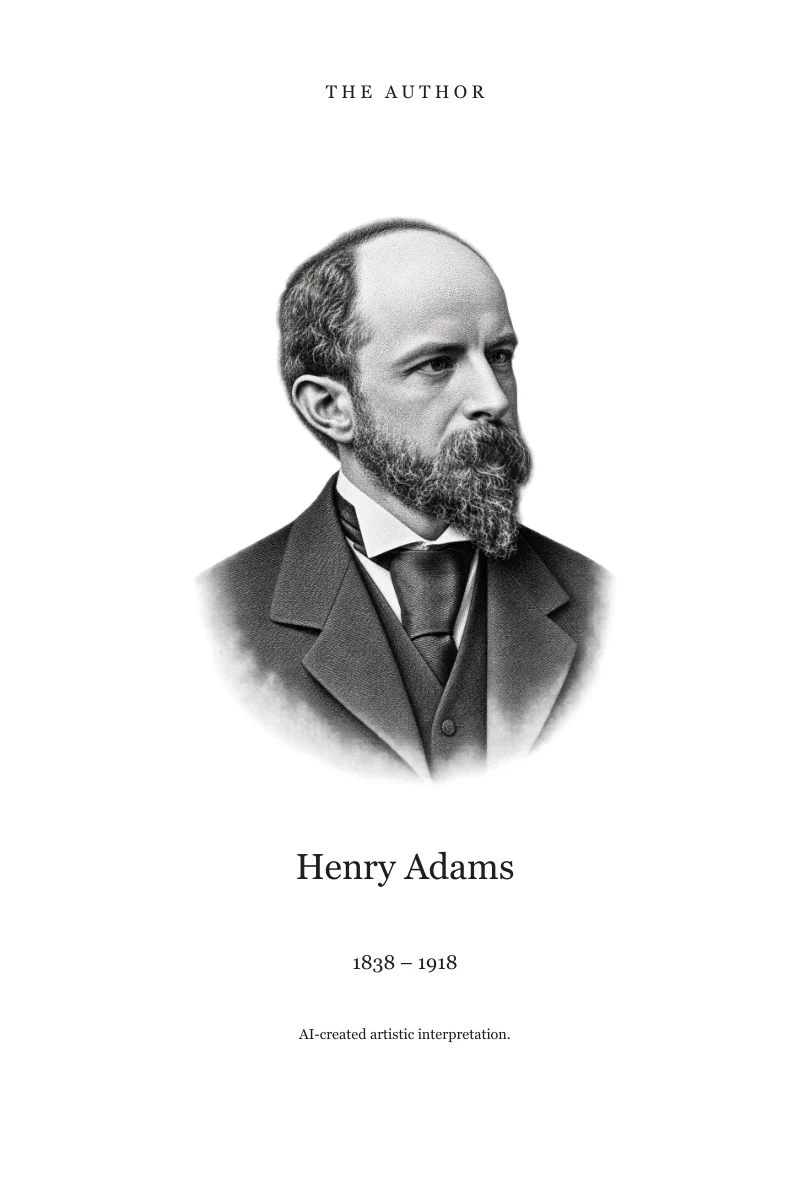
Henry Adams’s autobiography, written in the third person. Privately printed in 1907 and published after his death in 1918, it won a Pulitzer Prize.
Sketches by Boz, Illustrative of Every-Day Life and Every-Day People
Dickens’s first book, a collection of sketches of London life published in 1836 under his early pen name, ‘Boz’.


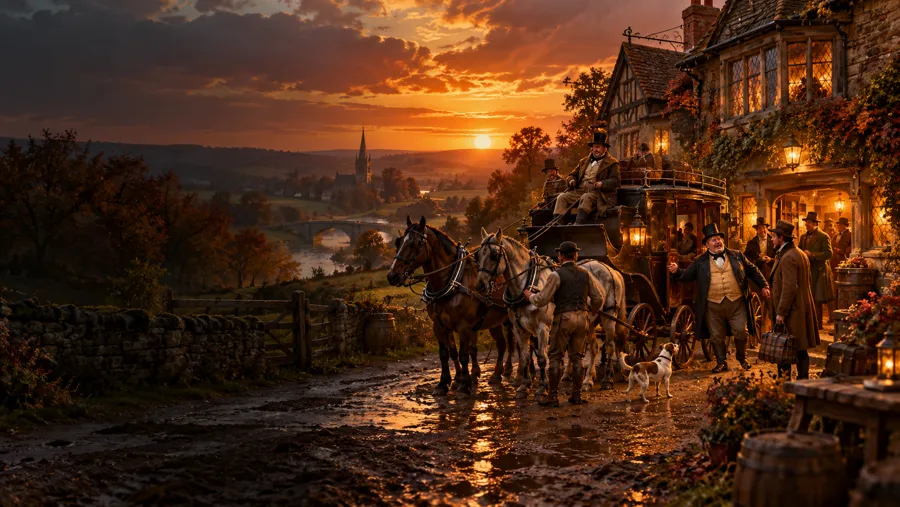
How to read a very long classic
- Read it the way it was published. Many of these novels divide neatly into the original instalments; a few chapters a day for a few months is how their first readers met them.
- Keep a note of the characters. Dickens and Tolstoy have large casts, and a bookmark with names on it saves a lot of flicking back.
- Pick the right first one. Anna Karenina and David Copperfield are the most gripping; Middlemarch is the most rewarding once you settle in.
- Alternate with something short. Our list of classics you can read in one evening makes a good palate cleanser.
If you are choosing one long novel for the winter, make it David Copperfield. It is warm, funny and full of people you will miss when it ends, and if it hooks you, our guide to where to start with Dickens will tell you where to go next.
Questions readers ask
What is the longest classic novel?
In our library, David Copperfield and The Mysteries of Udolpho tie as the longest classic novels. Among famous classics generally, books such as Clarissa and Les Misérables are longer still.
Is Anna Karenina longer than Middlemarch?
Yes, in our editions Anna Karenina is a little longer than Middlemarch, though both are big books best read over several weeks.
Why are Victorian novels so long?
Many were first published in monthly or weekly instalments over a year or more, and publishers favoured multi-volume novels for circulating libraries. Both encouraged long, sprawling stories.