Was Dracula the first vampire novel? It is the question most people ask, and the answer is no, not by nearly eighty years. When Bram Stoker’s book appeared in May 1897, the vampire had been a fixture of English fiction since 1819, and of the London stage and the penny press for most of the century in between. What Stoker did was gather everything that had come before into a single, unforgettable shape.
That makes the classic vampire novels a family tree, and a short one. Read the books below in order and you can watch the vampire change from a cold aristocrat into a monster, then a seducer, and then, after Stoker, into something people were starting to question.
The vampire before Dracula
- 1819
John Polidori’s “The Vampyre” appears in the New Monthly Magazine, falsely billed as a tale by Lord Byron.
- 1845–47
Varney the Vampire runs as a weekly penny dreadful, giving its vampire fang-like teeth and two wounds on the neck.
- 1871–72
Sheridan Le Fanu’s Carmilla is serialised in The Dark Blue: a female vampire in a lonely castle in Styria.
- May 1897
Dracula is published by Archibald Constable in London.
- 1902
Mary E. Wilkins Freeman’s “Luella Miller”, collected in book form the next year, imagines a New England vampire who never drinks a drop of blood.
- 1909
Stoker returns to the theme in The Lady of the Shroud.
- 1914
Florence Stoker publishes Dracula’s Guest, two years after her husband’s death.
- 1922
F. W. Murnau’s unauthorised film Nosferatu; Florence Stoker sues and a court orders the copies destroyed.
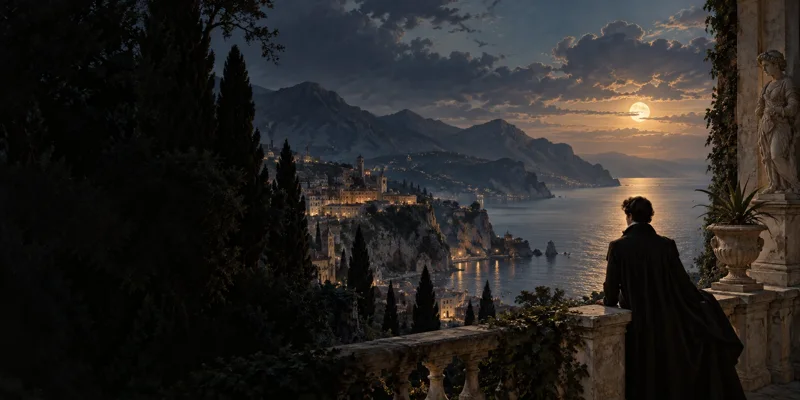
Lord Ruthven: the vampire as a gentleman
Polidori’s vampire is not a peasant corpse from folklore but a man of fashion, admired in London drawing rooms for his very coldness. The first description of him, at a society party, already contains the type:
Some attributed it to the dead grey eye, which, fixing upon the object’s face, did not seem to penetrate, and at one glance to pierce through to the inward workings of the heart; but fell upon the cheek with a leaden ray that weighed upon the skin it could not pass.
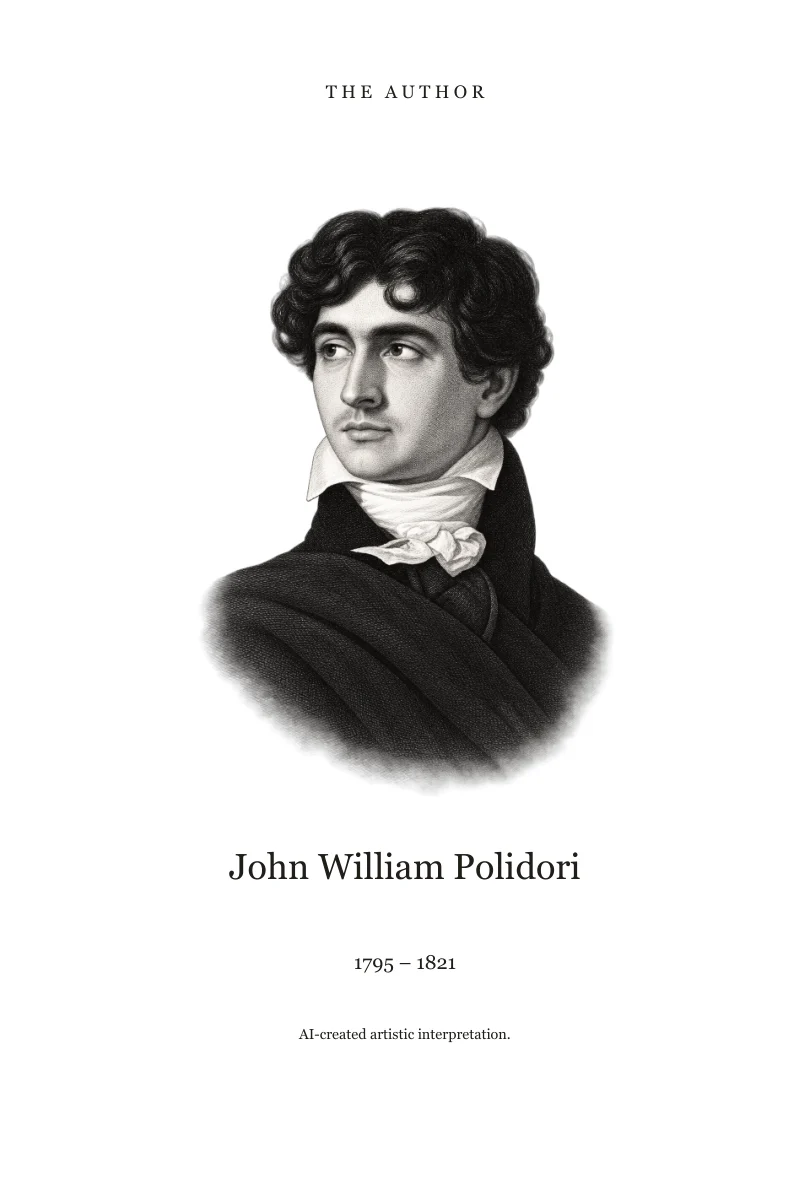
John William Polidori, The Vampyre (1819)
Readers assumed Byron had written it, which helped make it a sensation, as we tell in Did you know a vampire story was a bestseller 78 years before Dracula? By 1820 the story had been turned into stage melodramas in Paris and at the Lyceum Theatre in London.
The two great Victorian vampire stories between Polidori and Stoker are not in our library, but you should know them. Varney the Vampire is a sprawling, bloody serial often credited with giving the vampire fangs and the two puncture marks. Carmilla, by the Irish writer Sheridan Le Fanu, is something finer: a short novel narrated by a lonely young woman, Laura, whose new friend is far too affectionate. It predates Dracula by twenty-five years, and is widely seen as one of Stoker’s influences.
Dracula and its lost beginning
Dracula
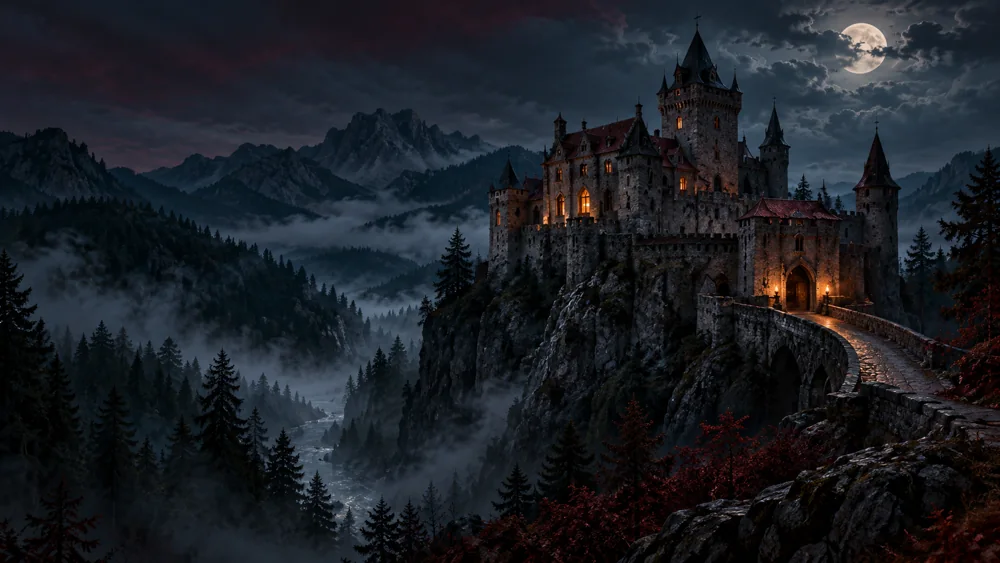
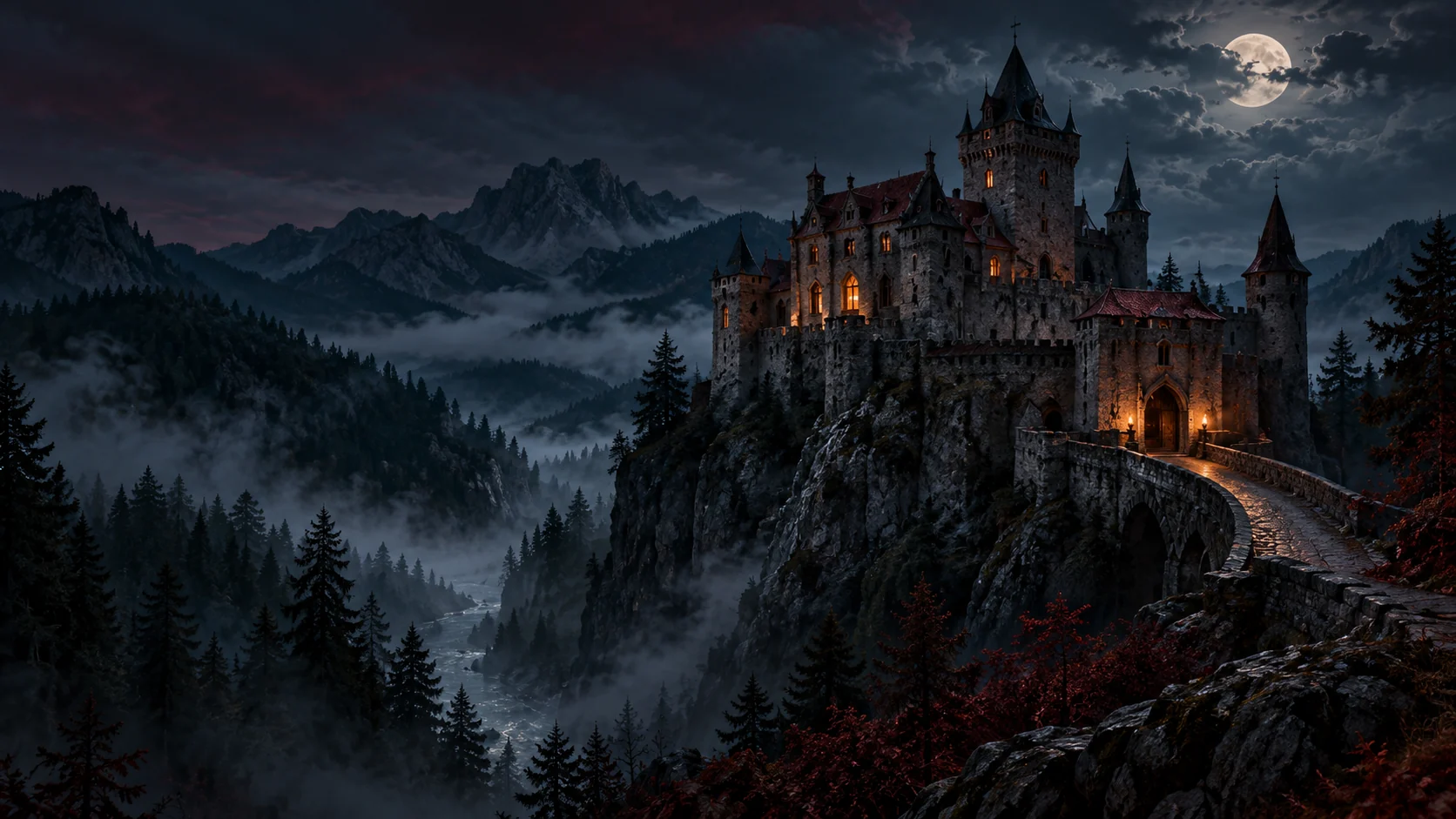
1897. A young solicitor travels to a castle in the Carpathians, and what he finds there follows him home to England. Told entirely through journals, letters, telegrams and newspaper cuttings.
Dracula's Guest
1914. The title story sends an Englishman out alone on Walpurgis Night near Munich, to a tomb with a stake driven through it. The rest are Stoker’s strange short tales, gathered by his widow.


When Jonathan Harker, at the castle door, asks whether he is speaking to Count Dracula, the reply is a model of sinister courtesy: “I am Dracula; and I bid you welcome, Mr. Harker, to my house.” Stoker’s great idea was to bring that courtesy, the Ruthven manner, into contact with the modern world of typewriters, phonographs and railway timetables, which is why the book still feels so strange. For how the documents fit together, see Did you know Dracula is told entirely through diaries, letters and other documents? The tomb in “Dracula’s Guest” belongs to a countess “of Gratz in Styria”, the same Austrian province where Le Fanu had set Carmilla. Whether the story was ever part of the novel is discussed in Did you know Dracula has a “lost” first chapter?
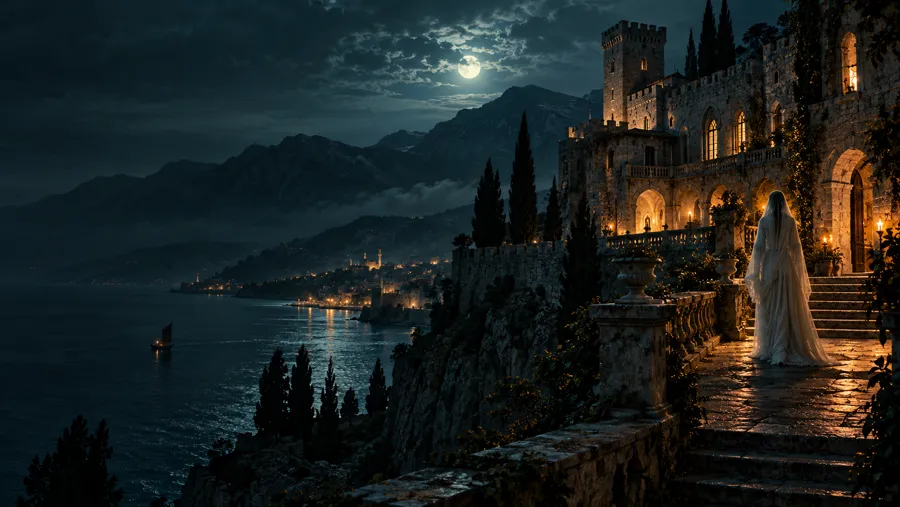
After Dracula
The Lady of the Shroud
1909. Rupert Saint Leger inherits a castle on the Adriatic coast and is visited at night by a silent woman in a burial shroud. Stoker’s other novel steeped in vampire legend, though it plays a longer game than Dracula.
The Wind in the Rose-Bush, and Other Stories of the Supernatural
1903. Ghost stories from rural New England, including “Luella Miller”, about a beautiful young widow who never lifts a finger, and whose devoted friends and relations, one after another, simply fade away and die.


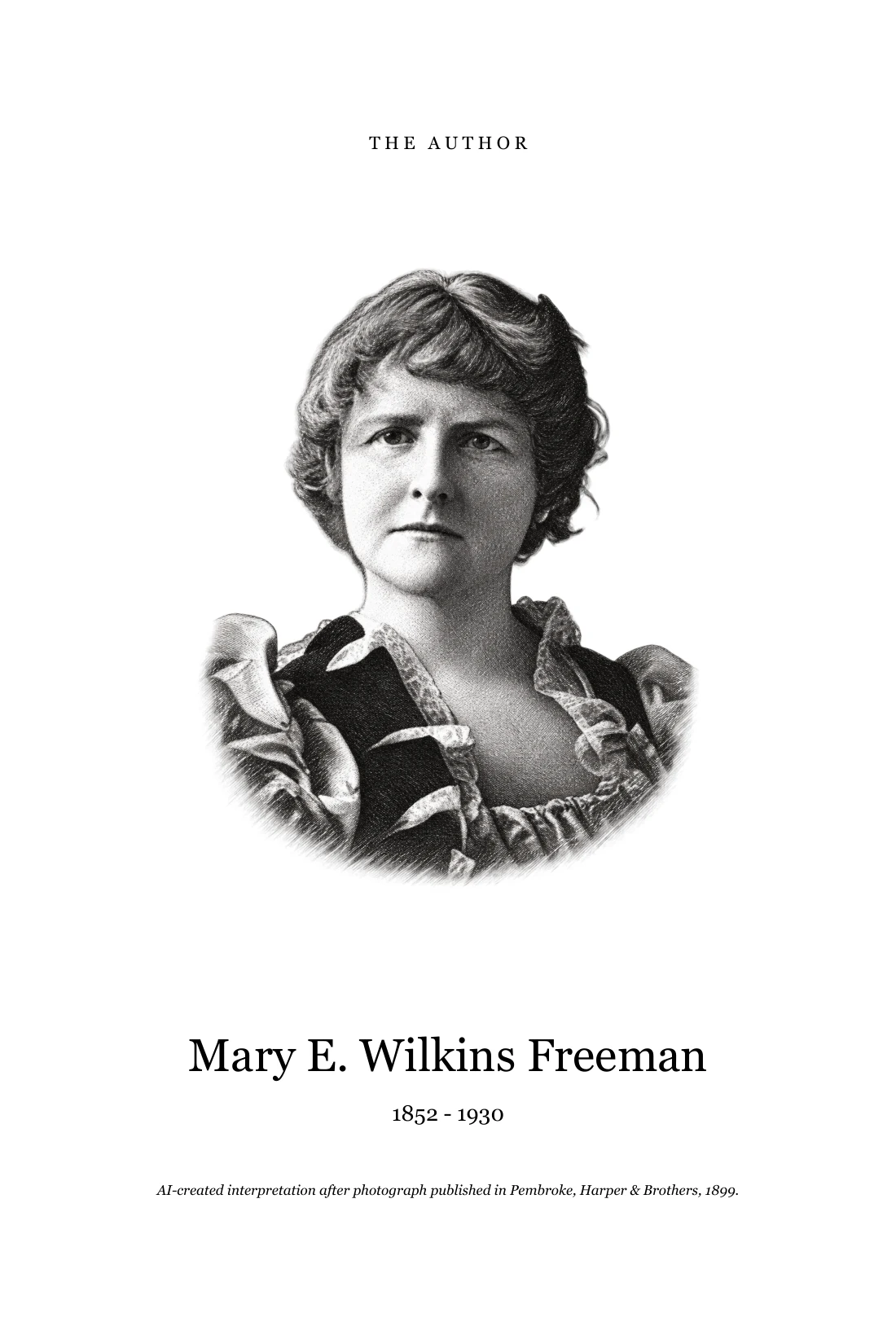
Mary E. Wilkins Freeman’s Luella Miller is the most original vampire on this page. She has no fangs and drinks no blood. The people who look after her simply grow weaker. It is a story about need and selfishness that reads like folklore and works like a case study, and it shows how quickly writers began to turn the vampire into a metaphor once Stoker had made it famous.
Which classic vampire novel should you read first?
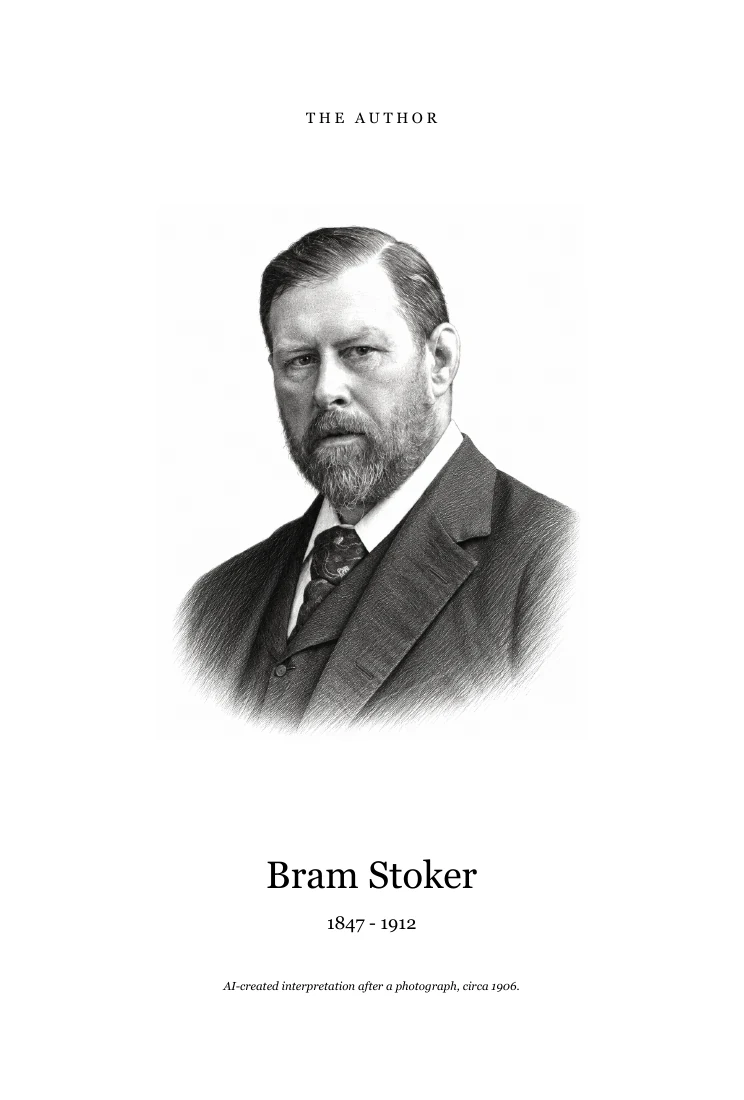
Start with The Vampyre, which takes an hour, and then read Dracula, which takes a fortnight of dark evenings. If you enjoy those, Dracula’s Guest and The Lady of the Shroud show Stoker trying out the same territory in different ways. For more of his work, see Bram Stoker wrote much more than Dracula.
Or begin with the original. Open The Vampyre, meet Lord Ruthven at his first London party, and notice how little has changed in two hundred years.
Questions readers ask
What was the first vampire novel?
The first vampire story in English prose is usually said to be John Polidori’s “The Vampyre” (1819). The serial Varney the Vampire (1845–47) and Sheridan Le Fanu’s Carmilla (1871–72) also came well before Dracula (1897).
Was Carmilla written before Dracula?
Yes. Carmilla was serialised in 1871–72, twenty-five years before Dracula was published in 1897, and it is widely seen as an influence on Stoker.
Did Bram Stoker write other vampire books?
Dracula is his only full vampire novel, but the short story “Dracula’s Guest” (published 1914) is closely linked to it, and The Lady of the Shroud (1909) also plays with vampire legend.
 The Jewel of Seven Stars230 pages · $14.99
 The Lair of the White Worm168 pages · $13.99
 The Man298 pages · $16.99
 The Mystery of the Sea436 pages · $20.99