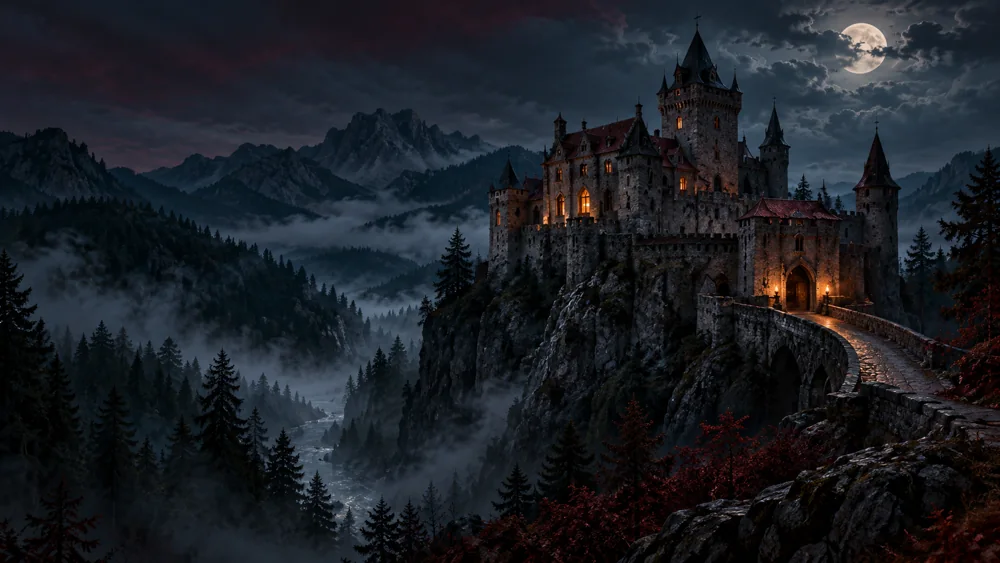
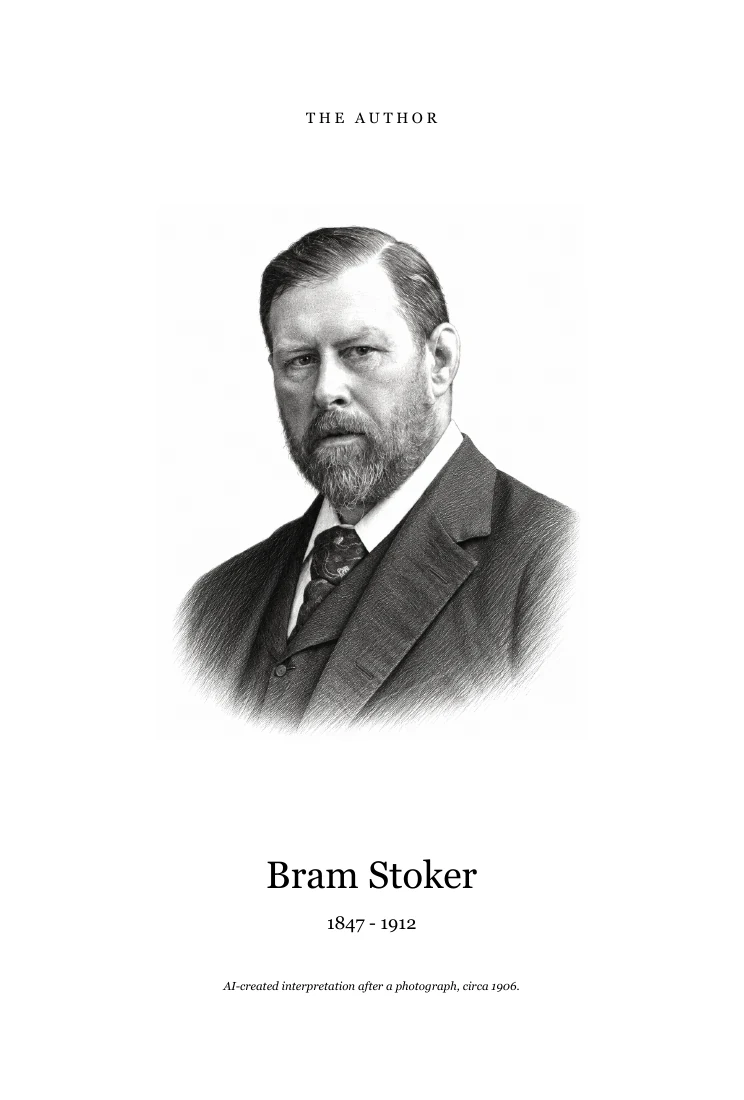
Bram Stoker’s novel has been adapted many times, and those versions have their own guide in Dracula on screen. This one is about the other kind of Dracula film: the spin-offs, sequels, homages and comedies that take one thread of the book and run with it. Knowing where each thread starts is half the fun of watching them.
Dracula’s Daughter (1936): the chapter Stoker cut
Universal’s sequel to its 1931 Dracula begins minutes after the first film ends, with Van Helsing under arrest for destroying the Count. Its heroine, Countess Marya Zaleska, played by Gloria Holden, is a vampire who longs to be cured.
On paper the film is based on Dracula’s Guest, a story published in 1914, two years after Stoker’s death, and widely believed to be an episode cut from the novel’s opening. The film takes little from it beyond a woman vampire. The story itself, in which an Englishman bound for Transylvania wanders into a deserted village on Walpurgis Night, opens the collection Dracula’s Guest.
The Last Voyage of the Demeter (2023): one chapter, one ship
André Øvredal’s horror film expands the captain’s log in Chapter VII, a few pages describing the voyage that brings the Count from Varna to Whitby while the crew vanish one by one. Stoker never shows the Count at sea; the film does, and invents a crew to face him. We look at the chapter in detail in The Last Voyage of the Demeter.
Renfield (2023): is Renfield in the Dracula book?
He is. In the novel R. M. Renfield is a patient in Dr Seward’s asylum who eats flies, then spiders, then sparrows, and waits for a master he will not name. Seward slowly works out what his patient is doing: trying, in Seward’s words, “to absorb as many lives as he can”. His case notes are among the most unsettling pages in the book.
Chris McKay’s Renfield imagines him a century later in New Orleans, still serving the Count (Nicolas Cage) and at last trying to break free. Its opening restages moments from the 1931 Dracula with Cage and Nicholas Hoult in place of Bela Lugosi and Dwight Frye, a tribute to the film in which Renfield, rather than Jonathan Harker, makes the journey to Transylvania.
Shadow of the Vampire (2000): the film about the film
E. Elias Merhige’s film is inspired by Dracula at one remove. It is a fiction about the shooting of Nosferatu, the unauthorised 1922 adaptation, in which Willem Dafoe’s Max Schreck turns out to be a real vampire and John Malkovich’s Murnau will do anything to finish his picture. The true story of how Nosferatu borrowed Stoker’s book, and nearly paid for it, is in Nosferatu: the unauthorised Dracula.
’Salem’s Lot: what if Dracula came to Maine?
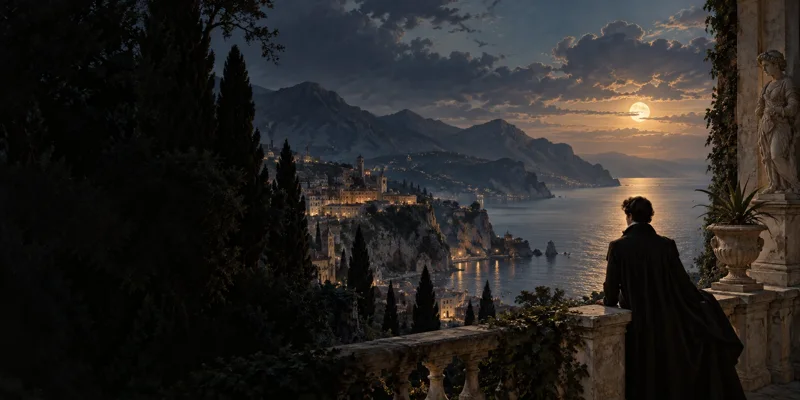
Stephen King has often said that his second novel, ’Salem’s Lot (1975), grew from a question about Dracula: what would happen if the Count came to a small American town? The parallels are deliberate. A stranger buys an old house above the town, a crate is delivered, and a vampire works through the place one household at a time, opposed by a small band of friends. Tobe Hooper’s 1979 television version even made its vampire, Barlow, look like Murnau’s Orlok.
Parodies and family films
Comedy found the Count early. Love at First Bite (1979) dropped George Hamilton’s Dracula into New York, and Mel Brooks’s Dracula: Dead and Loving It (1995) sent up the 1931 and 1992 films, with Leslie Nielsen as the Count and Brooks himself as Van Helsing. Hotel Transylvania (2012) turned Dracula into an overprotective father running a resort for monsters, and slipped in a nod to the novel: the young human who stumbles into his castle is called Jonathan.
Even the cape and evening dress these films poke fun at come from the stage and the 1931 film rather than the book. Stoker’s Count is an old man with a long white moustache, “clad in black from head to foot”, with hair growing in the palms of his hands.
Where to start
Every one of these films is more fun once you know the original. Read the novel and you will catch the borrowings and the in-jokes, from the ship’s log to the man who ate flies.
Dracula
1897. The source of them all: Harker’s journal, the Demeter’s log, Renfield’s case notes and the hunt for the Count.
Dracula's Guest
1914. The collection behind Dracula’s Daughter, opening with the Walpurgis Night episode thought to be cut from the novel.
The Vampyre
1819. Polidori’s aristocratic vampire, Lord Ruthven, an ancestor of every elegant screen Count.


There is more about Bram Stoker on his author page, and more vampires and haunted houses on our gothic shelf. Begin with Dracula, and every film above will have a little more bite.
Questions readers ask
What movies are inspired by Dracula?
Besides direct adaptations, films inspired by Dracula include Nosferatu (1922), Dracula’s Daughter (1936), Shadow of the Vampire (2000), Hotel Transylvania (2012), The Last Voyage of the Demeter (2023) and Renfield (2023).
Is Renfield in the Dracula book?
Yes. R. M. Renfield is a patient in Dr Seward’s asylum who eats flies, spiders and birds and serves the Count. He never travels to Transylvania in the novel; that change comes from the stage play and the 1931 film.
Is Dracula’s Daughter based on a book?
It is nominally based on Dracula’s Guest, a short story by Bram Stoker published in 1914, two years after his death, though the film borrows little from it.
 The Jewel of Seven Stars230 pages · $14.99
 The Lair of the White Worm168 pages · $13.99
 The Man298 pages · $16.99
 The Lady of the Shroud330 pages · $17.99