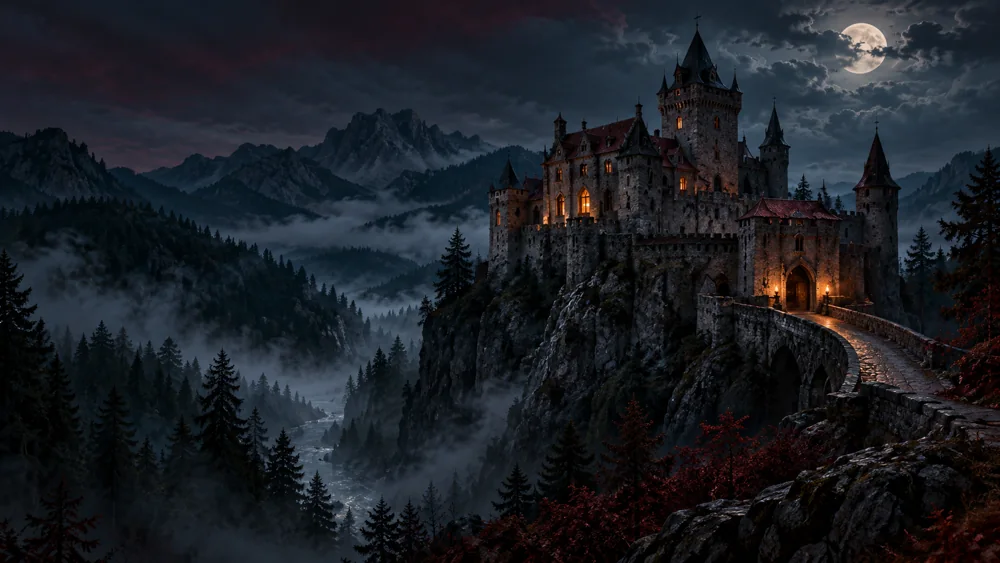
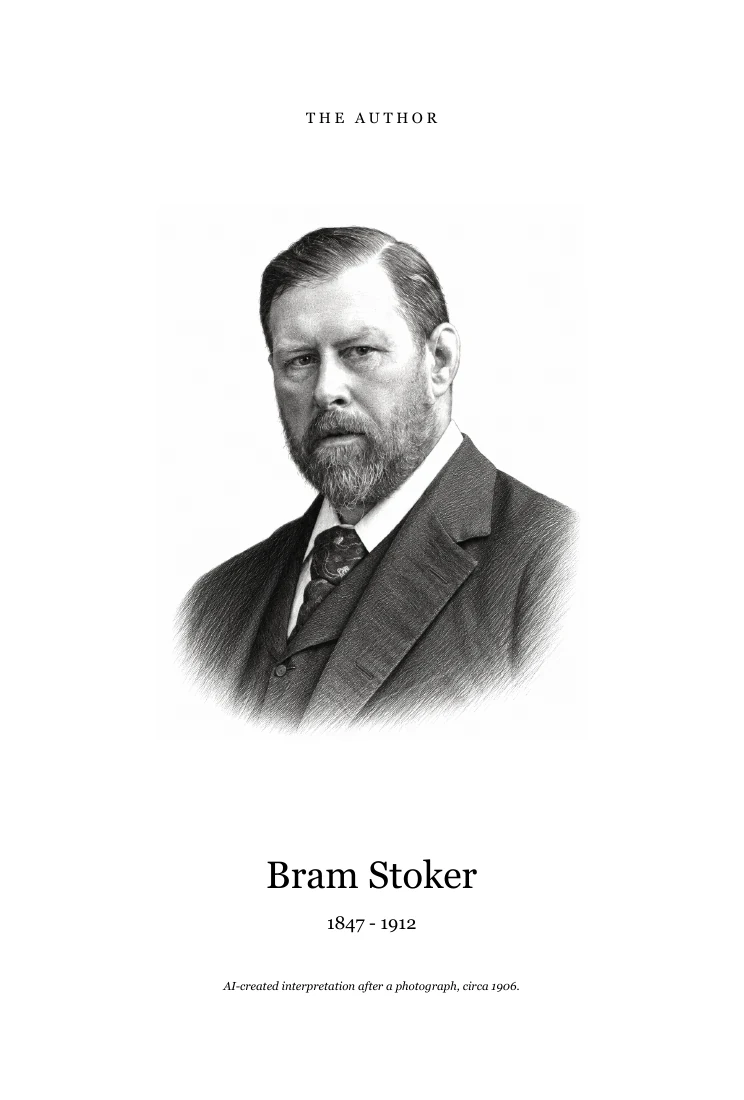
Open Dracula and the first thing you read is not a story but a journal entry: Jonathan Harker, a young English solicitor, noting the trains and the food on his way to Transylvania. From that page to the last, the novel is an epistolary one, assembled from documents written by the characters themselves. There is no all-seeing narrator to reassure you, and Count Dracula never tells his side at all.
Bram Stoker published the novel in 1897. He even opens it with a short note explaining that the papers have been put in order and that every record was written at the time, by the people involved, as if handing you a dossier of evidence rather than a work of fiction.
How these papers have been placed in sequence will be made manifest in the reading of them.
Bram Stoker, Dracula (1897)
Is Dracula an epistolary novel?
Yes, and an unusually varied one. Strictly speaking it is not only letters and diaries. Stoker’s cast record what happens in almost every form available to a late-Victorian reader:
- Jonathan Harker’s journal of his stay in the Count’s castle, kept partly in shorthand.
- Mina Murray’s journal and her letters to her friend Lucy Westenra, and Lucy’s replies.
- Dr John Seward’s diary, which he records on a phonograph.
- Telegrams, a doctor’s notes and memoranda passed between the hunters.
- The log of the Demeter, the ship that brings a strange cargo to Whitby.
- Newspaper cuttings reporting a storm, an escaped wolf and children lured away at night.
Inside the story, it is Mina who gathers all of this, types it up and puts it in date order, so that the hunters can see the pattern none of them could see alone. The novel you are holding is, in effect, her file.
Why the letters-and-diaries format works so well
Each writer knows only what they have seen. So you, the reader, often understand far more than the characters do, and you watch them miss warning signs you have already spotted. It is a slow, delicious kind of dread. When Mina writes calmly about Lucy’s sleepwalking in Whitby, you know what she does not.
The form also makes the book feel true. Stoker was not the first to use it this way; Wilkie Collins had told The Woman in White through the written testimony of several witnesses nearly forty years earlier, and Dracula is often compared to it. But Stoker pushed the idea further, and the gaps between documents become places where the Count can hide.
There is a practical bonus for modern readers too. Because the novel is broken into dated entries, it is easy to read in short sittings, a few pages at a time. It is a long book, but rarely a slow one.
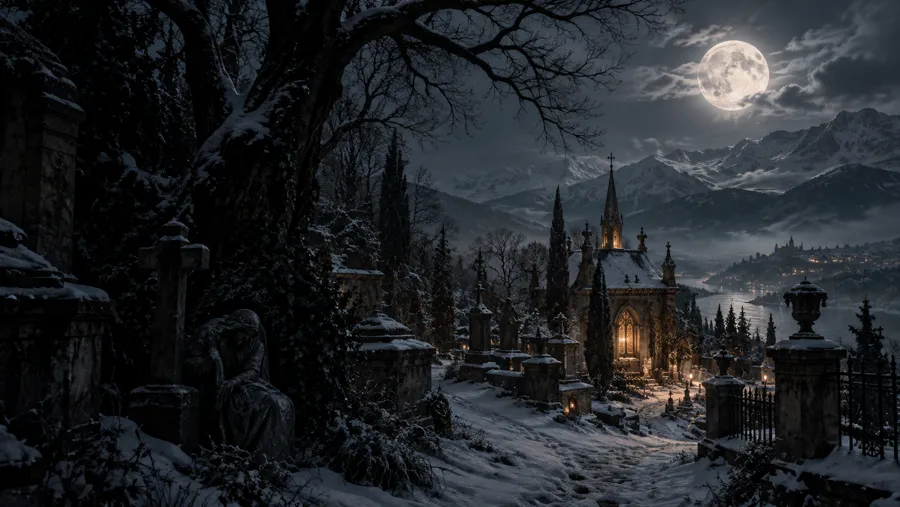
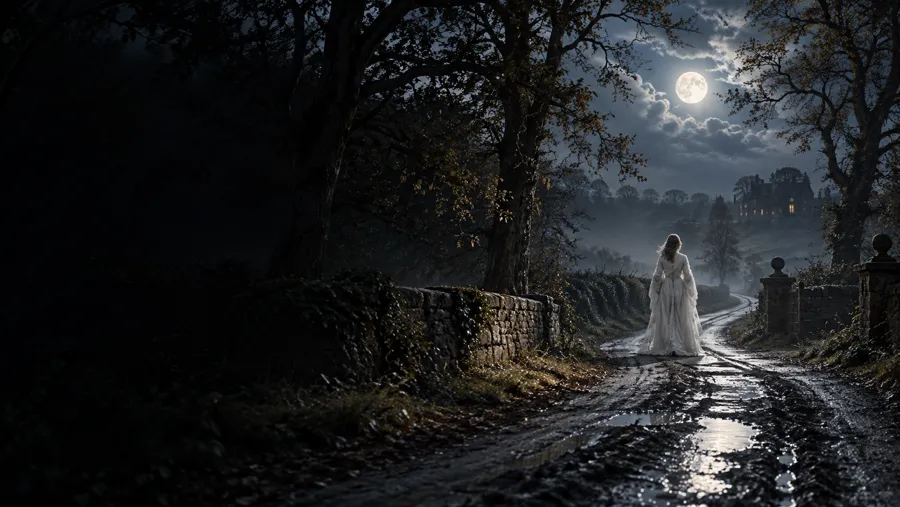
Stoker also drew on places he knew. He stayed in Whitby, on the Yorkshire coast, in 1890, and the town’s ruined abbey, its clifftop churchyard and the storm that drives the Demeter ashore give the middle of the novel its most famous scenes. It was in Whitby’s library, the story goes, that he came across the name Dracula in an old book about Wallachia. Visitors can still sit in the churchyard where Mina writes her journal and look out over the harbour.
Dracula
1897. Jonathan Harker’s business trip to Transylvania becomes a fight for the lives of everyone he loves. The novel that defined the vampire.
Dracula's Guest
1914. Published two years after Stoker’s death. His widow, Florence, described the title story as an episode cut from Dracula; scholars still debate exactly how it relates to the novel.


Who will enjoy Dracula today?
Anyone who likes a slow-burn thriller. The first few chapters in the castle are among the most frightening in English, and the middle of the book, set in Whitby and London, plays like a medical mystery. Readers who think they know the story from films will meet a Count who is older, stranger and more cunning, and a group of heroes who win by sharing information.
If you enjoy the documentary style, you might go on to Frankenstein, which is also framed by letters, or look out for our guide to epistolary novels. For the strange afterlife of that cut chapter, read our post on Dracula’s Guest, and for Stoker’s other books, see Bram Stoker beyond Dracula.
Best of all, read it the way it was meant to be read: as a stack of papers that someone has trusted you with. Start with Harker’s first entry in Dracula, and keep the lights on.
Questions readers ask
Is Dracula an epistolary novel?
Yes. Dracula is told entirely through documents written by its characters: diaries, letters, telegrams, a ship’s log and newspaper cuttings. There is no separate narrator.
Who narrates Dracula?
Several characters take turns, chiefly Jonathan Harker, Mina Harker, Dr Seward and Lucy Westenra, along with letters and reports from others. Count Dracula himself never narrates.
Why did Bram Stoker write Dracula in letters and diaries?
Stoker did not explain the choice at length, but the effect is clear: the documents make the story feel like real evidence, and because each writer knows only part of the truth, the reader sees the danger before the characters do.
 The Jewel of Seven Stars230 pages · $14.99
 The Lair of the White Worm168 pages · $13.99
 The Man298 pages · $16.99
 The Lady of the Shroud330 pages · $17.99