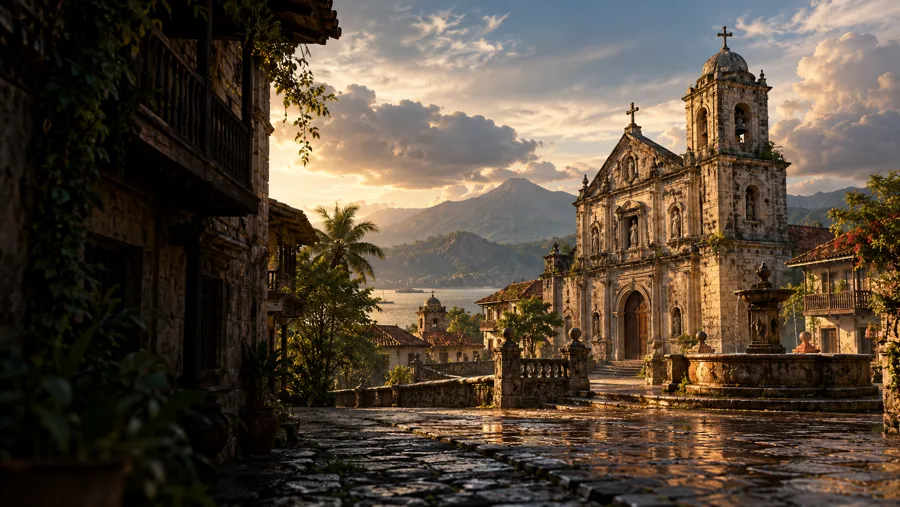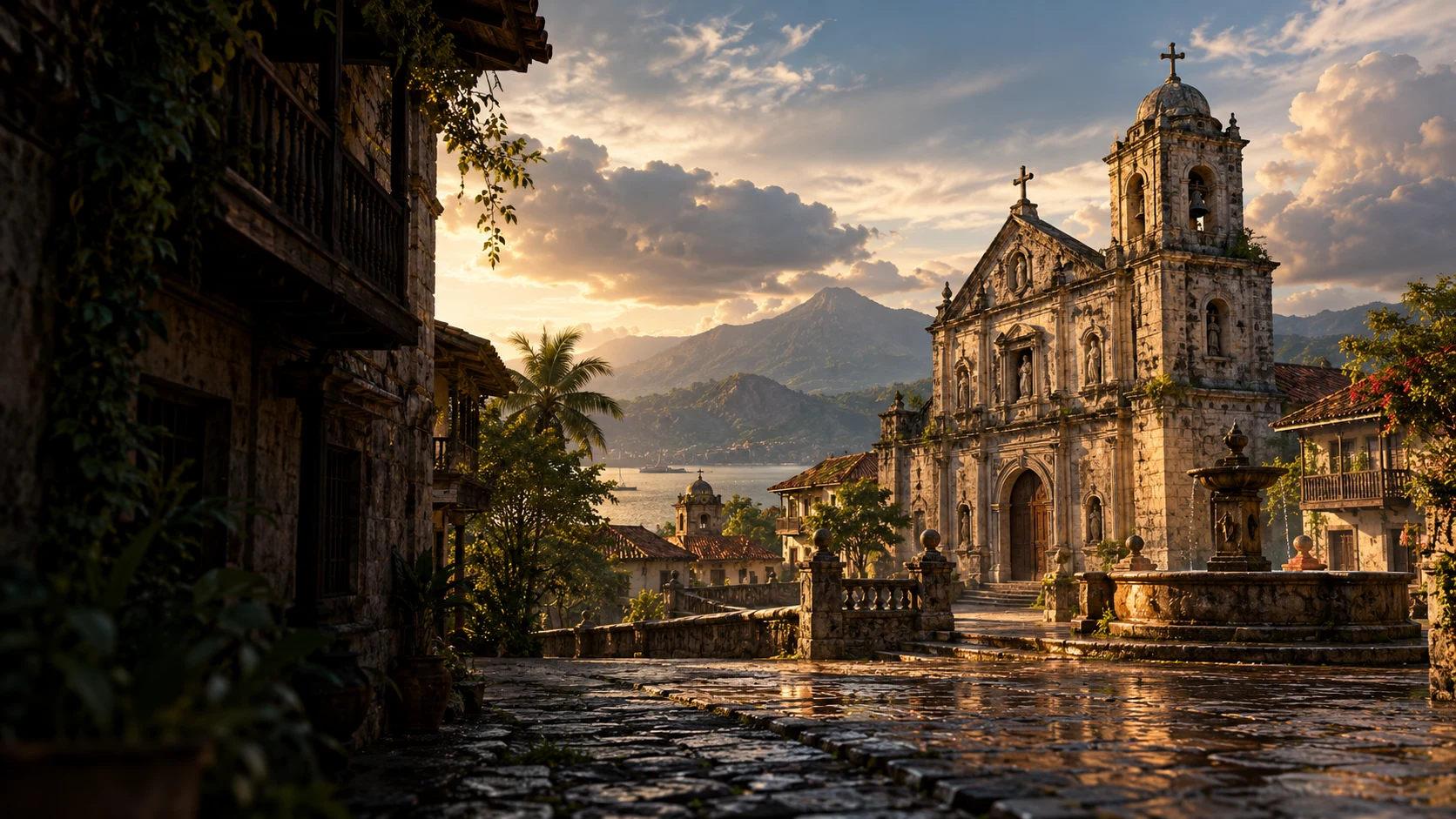
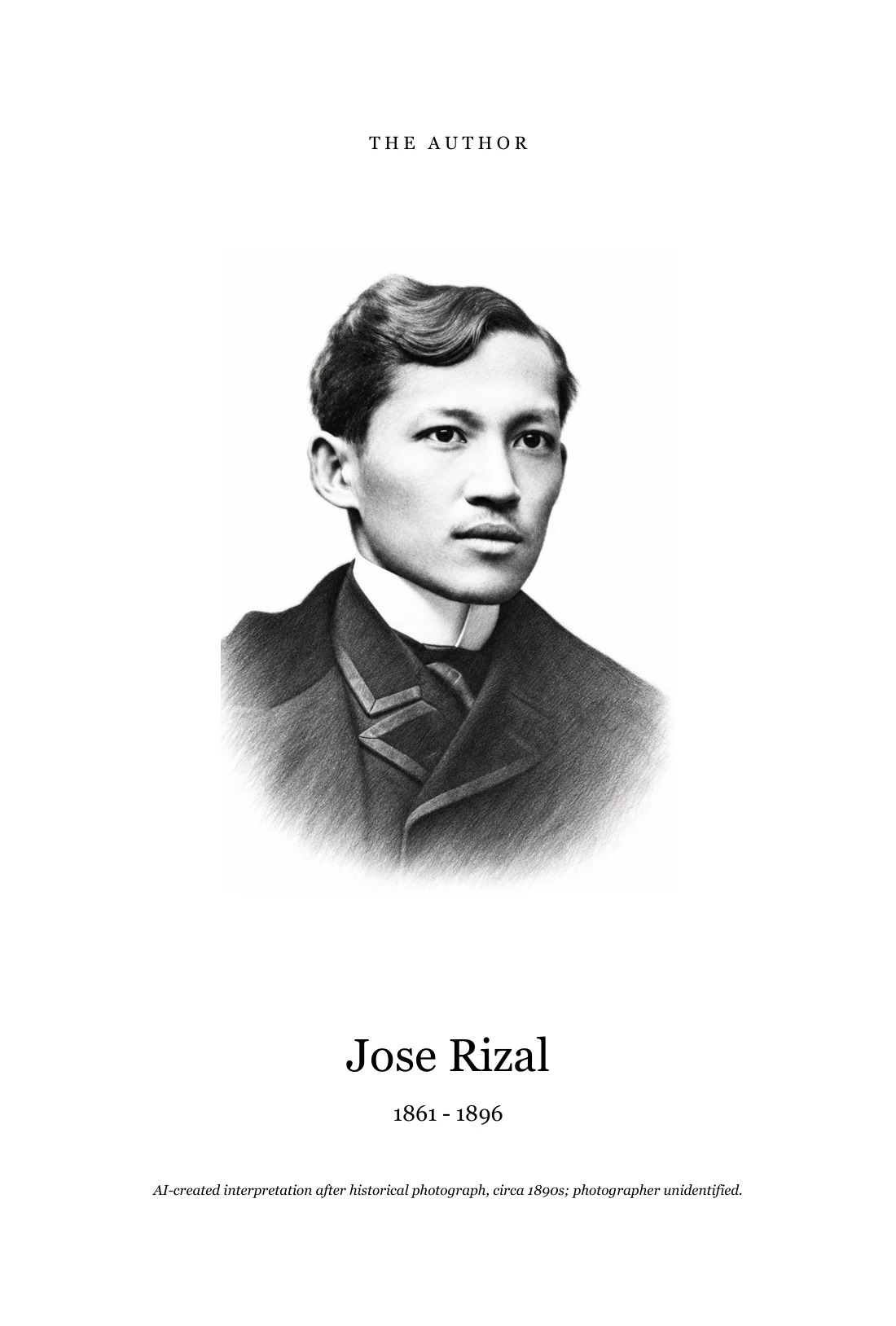
Noli Me Tangere is the novel that José Rizal wrote, in Spanish, about life in the Philippines under Spanish rule. Published in Berlin in 1887, it exposed the abuses of colonial officials and the powerful religious orders so vividly that it was condemned and banned at home. Read in secret, it helped shape the national consciousness that burst into the Philippine Revolution of 1896.
Rizal did not call for armed revolt. He wanted reform, and he paid for his words with his life all the same. His novel and its sequel, El Filibusterismo, are still studied by Filipino students today — and they are also, quite simply, gripping fiction.
What is Noli Me Tangere about?
Crisóstomo Ibarra, a wealthy young Filipino educated in Europe, comes home to the town of San Diego full of plans to found a school. He is engaged to the beautiful María Clara and believes progress is possible. Then he learns how his father died, and finds himself up against Padre Dámaso, a bullying friar, and a whole system built to keep people like him in their place.
Around Ibarra, Rizal draws an entire colonial society: corrupt officials, social climbers who ape Spanish manners, a mysterious boatman named Elías, and the heartbreaking Sisa, a mother driven to despair when her two sons fall foul of the parish. The tone moves from sharp comedy to melodrama to tragedy, sometimes in a single chapter.
How did Noli Me Tangere inspire the Philippine Revolution?
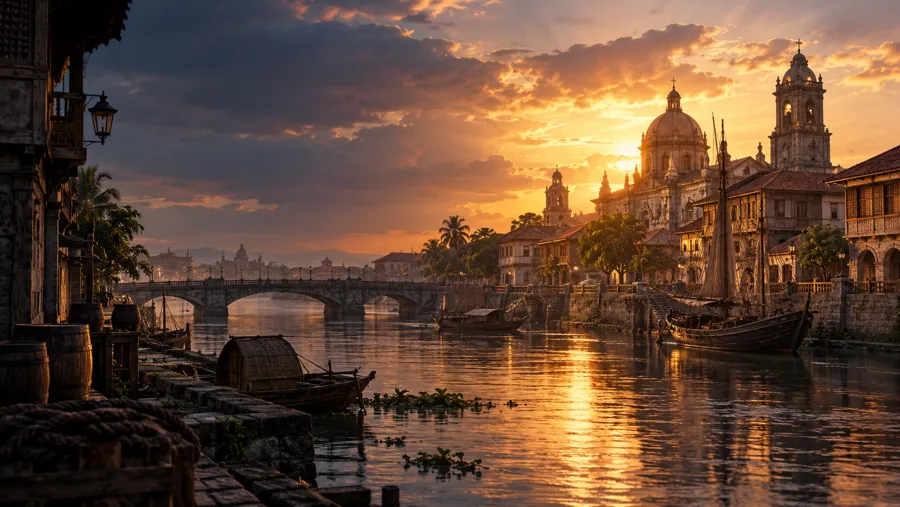
The book was printed in a small run, with a friend’s help paying for it, and copies soon reached Manila. The religious orders and colonial authorities denounced it as subversive and heretical, and possessing it became dangerous. That only sharpened readers’ appetite. Copies passed from hand to hand, and Rizal became a hero to young Filipinos who had never seen their grievances in print before.
In 1891 he published the darker sequel, El Filibusterismo, dedicated to three Filipino priests executed in 1872 after a mutiny they were accused of inspiring. In 1892 Rizal returned to Manila, founded a reformist society, and was promptly arrested and exiled to Dapitan in Mindanao. That same summer, Andrés Bonifacio and others founded the Katipunan, a secret society dedicated to independence by force. Its members revered Rizal, though he never joined them and later rejected their uprising.
When the revolution broke out in August 1896, the Spanish authorities blamed him anyway. Rizal was arrested on his way to serve as a volunteer doctor in Cuba, tried for rebellion, and shot by firing squad in Manila on 30 December 1896. His execution made him a martyr and gave the revolution a cause it could not lose. The day is still a national holiday in the Philippines.
- $22.99
The Social Cancer: A Complete English Version of Noli Me Tangere
1887. Noli Me Tangere, under the title of an early English translation. Ibarra comes home from Europe with hopes that his town is not ready to forgive.
- $17.99
The Reign of Greed
1891. El Filibusterismo. Thirteen years later, a rich jeweller named Simoun arrives in Manila with a hidden past and a terrible plan.


Should you read El Filibusterismo too?
Yes, but in order. El Filibusterismo picks up characters from the first book and is much angrier: where Noli hopes for reform, the sequel asks whether reform is possible at all. Reading them together is like watching a writer lose patience with the world in real time. Our edition of the sequel uses an early English title, The Reign of Greed.

What is Noli Me Tangere like to read today?
More entertaining than its school-syllabus reputation suggests. Rizal had read widely in European fiction — Uncle Tom’s Cabin is often said to have been among his inspirations — and his novel has the big set pieces of the nineteenth-century classics: a fiesta, a picnic by the lake, a chase across the water, and sharp satire of pompous officials and grasping social climbers. It is a long novel, but chapters are short and the plot keeps moving.
It suits readers who loved Les Misérables or Uncle Tom’s Cabin, and anyone curious about the history of empire told from the colonised side. For another novel that shook a nation, read Did you know Uncle Tom’s Cabin was the best-selling novel of the 19th century?, and for more books that authorities tried to suppress, see our list of banned classic books. We cover Rizal’s life and writing in more depth in José Rizal’s novels.
Begin with the dinner party that opens Noli Me Tangere, where half of Manila society has turned out, and a bad-tempered friar is already holding forth before Ibarra arrives.
Questions readers ask
Why is Noli Me Tangere important?
It was one of the first novels to expose abuses of Spanish colonial rule in the Philippines from a Filipino point of view. It was banned, read in secret, and helped inspire the national movement that led to the 1896 revolution.
What does Noli Me Tangere mean?
It is Latin for “touch me not”, from the Gospel of John. Rizal used it to suggest a social disease so painful that no one dared touch it.
Did José Rizal support the Philippine Revolution?
Not the armed uprising. Rizal campaigned for peaceful reform and distanced himself from the 1896 revolt, but the Spanish authorities executed him for rebellion that December.
Should I read Noli Me Tangere or El Filibusterismo first?
Read Noli Me Tangere first. El Filibusterismo is a sequel set thirteen years later and depends on characters and events from the first book.