

Publishers do not expect much from a book of prose poems. When Alfred A. Knopf brought out Kahlil Gibran’s The Prophet in 1923, the first year’s sales ran to roughly twelve hundred copies by most accounts. Then something unusual happened. Demand doubled the next year, and doubled again the year after, and it simply never stopped.
The Prophet has been in print continuously ever since. It sold its millionth copy in 1957, rode a second wave with the American counterculture of the 1960s, and has been translated into more than a hundred languages. Estimates of its total sales vary wildly, and the figure of 100 million copies that is often quoted is a guess rather than an audited count. But even the cautious numbers put it among the best-selling books of poetry ever published.
What is The Prophet about?
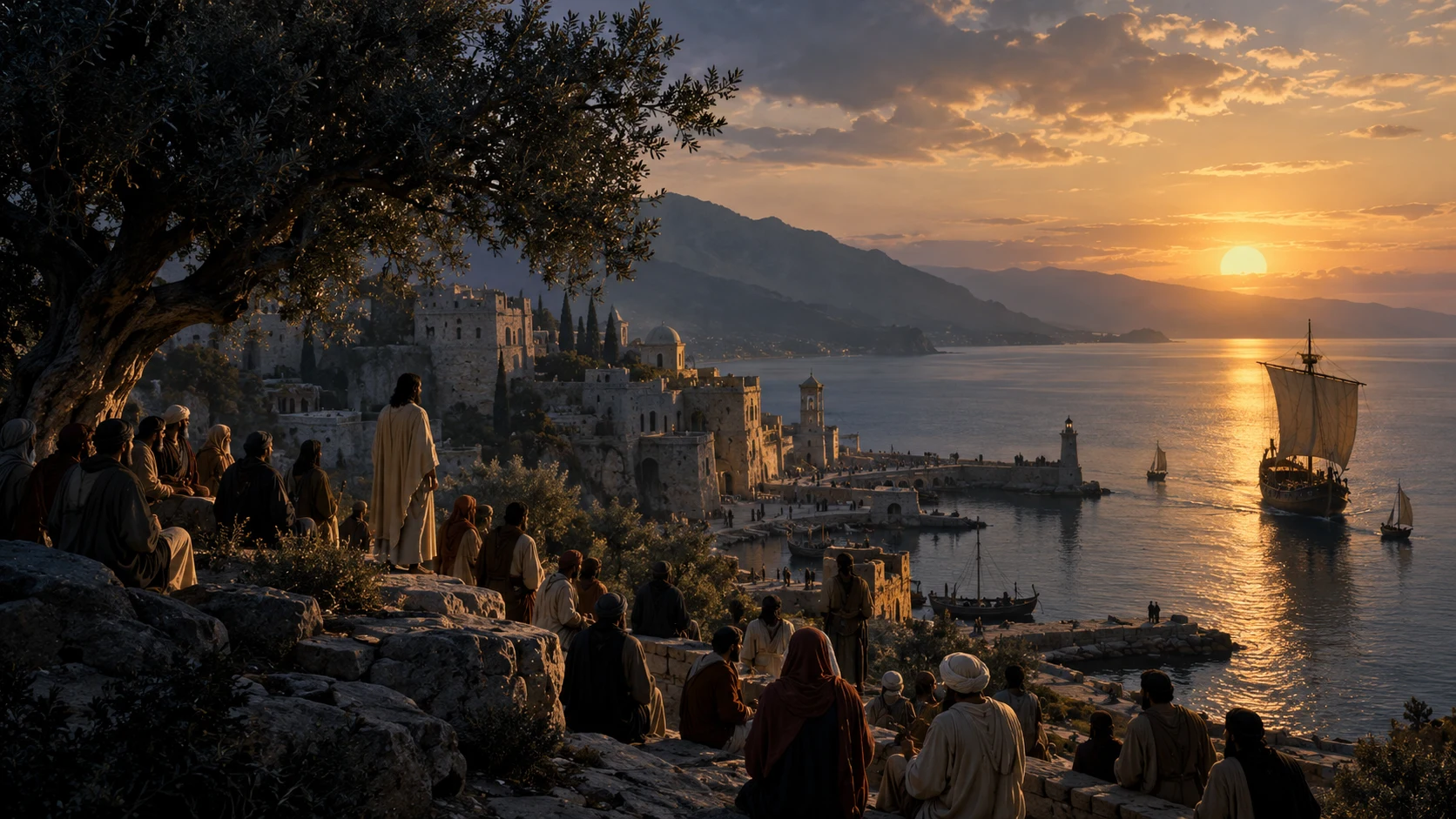
The frame is simple. Almustafa, “the chosen and the beloved”, has spent twelve years in the city of Orphalese, waiting for the ship that will carry him home to the island of his birth. One day he sees it coming in with the mist. When he comes down into the city, the people crowd round him and beg him to stay, and a seeress named Almitra, the first to believe in him, asks him to share his truth before he goes.
What follows are twenty-six short sermons, each begun by someone from the crowd asking about one part of life: love, marriage, children, giving, eating and drinking, work, joy and sorrow, and on through houses, laws, freedom, pain, friendship, time and beauty to death. Then the ship takes him away. The whole book can be read in an evening, and almost nobody reads it only once.
But let there be spaces in your togetherness, / And let the winds of the heavens dance between you.
Kahlil Gibran, The Prophet, “On Marriage”

Why has Kahlil Gibran’s The Prophet never gone out of print?
Partly because it is so easily used. Each sermon is short enough to read aloud, and the subjects are the ones people meet at the big moments of a life. The passage on marriage turns up in wedding vows, and others are read at funerals. A book that keeps being read aloud in public keeps being bought.
Partly, too, because of its voice. Gibran writes in balanced, repeating phrases, with an almost biblical cadence, but his teaching is undogmatic. Almustafa belongs to no named religion, and his paradoxes leave room for readers to bring their own beliefs. “Your children are not your children,” he tells a mother with a baby at her breast. “They are the sons and daughters of Life’s longing for itself.” Lines like that carry across languages and creeds, which goes some way to explaining all those translations.
Who was Kahlil Gibran?
Gibran was born in 1883 in Bsharri, in the mountains of what is now Lebanon, and came to Boston with his mother and siblings in 1895, when he was about twelve. He studied art in Paris from 1908 to 1910, wrote first in Arabic, and only later turned to English. His first English book, The Madman, appeared from Knopf in 1918. His friend and patron Mary Haskell supported him for years and edited his English writing, The Prophet included.
He began work on The Prophet around 1912, more than a decade before it appeared. He died in New York in 1931, at forty-eight, and was buried in Bsharri, where the old monastery that holds his grave is now a museum to him. A companion volume, The Garden of the Prophet, was published after his death in 1933.
- 1883
Gibran is born in Bsharri, Mount Lebanon
- 1895
His family settles in Boston’s South End
- 1918
The Madman, his first book in English, is published by Knopf
- 1923
The Prophet is published, with twelve of his own drawings
- 1931
Gibran dies in New York and is buried in Bsharri
- 1957
The Prophet sells its millionth copy
- 2014
An animated film of the book is released, produced by Salma Hayek

The best way to read The Prophet
Once straight through, in a single sitting, so that you feel the shape of the arrival and the departure. After that, the book becomes something to dip into. Many readers keep it by the bed and open it at random, or turn to a single sermon when a particular question is pressing.
The Prophet
1923. Twenty-six sermons on love, work, freedom and death, spoken by a departing teacher. An evening to read, a lifetime to finish.
Gitanjali
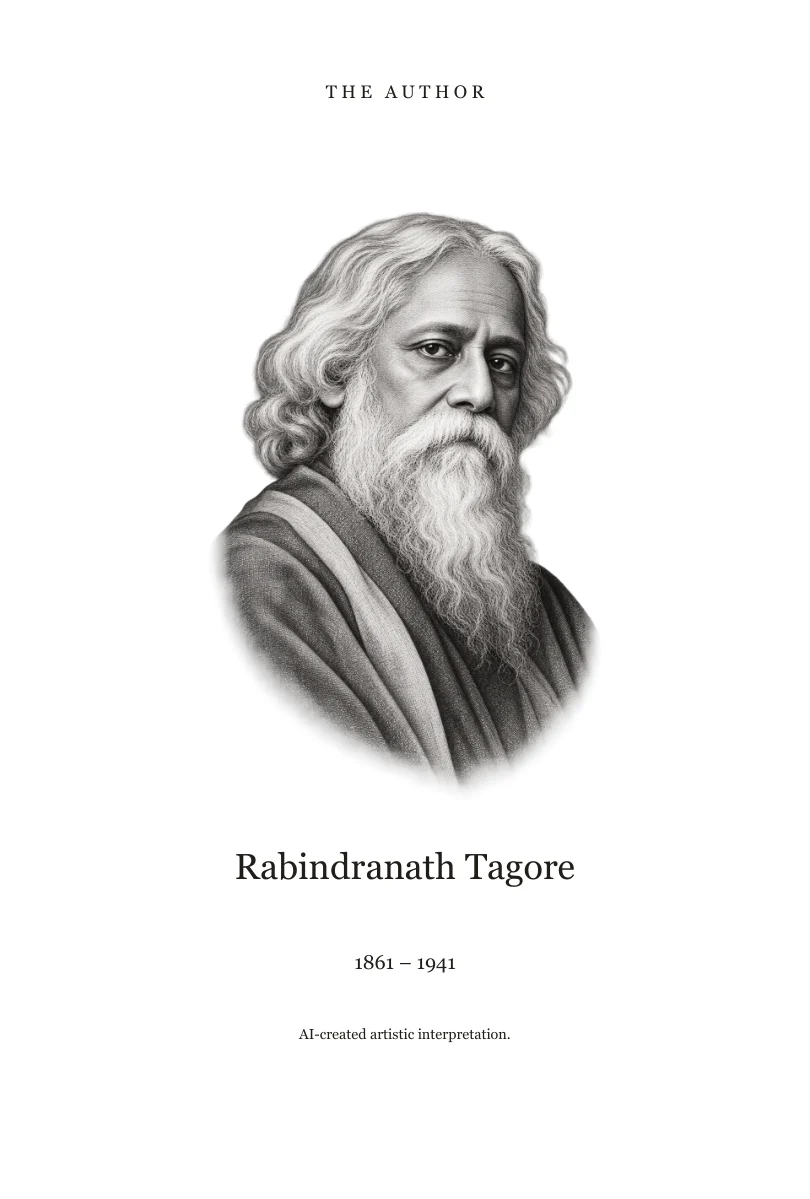
Rabindranath Tagore’s own English versions of his devotional songs, published in London in 1912. A year later he became the first non-European to win the Nobel Prize in Literature.
Meditations
A Roman emperor’s private notes on how to live. Plainer and sterner than Gibran, but another book many readers keep within reach rather than on the shelf.


If you love The Prophet
For more books to read in small doses, try Classic poetry collections to keep by the bed, and if you want to get more out of Gibran’s rhythms, How to read a poem: a beginner’s guide with classic examples. The emperor whose notebook became a bestseller is the subject of Did you know Marcus Aurelius never meant Meditations to be read?.
Begin where Almustafa does, on the hill above the harbour, with The Prophet: watch the ship come in with the mist, and read until it sails.
Questions readers ask
Has Kahlil Gibran’s The Prophet ever been out of print?
No. Kahlil Gibran’s The Prophet has been in print continuously since Alfred A. Knopf first published it in 1923, and it has been translated into more than 100 languages.
What is The Prophet by Kahlil Gibran about?
A prophet called Almustafa is about to sail home after twelve years in the city of Orphalese. Before he leaves, the townspeople ask him to speak on love, marriage, children, work, freedom, death and other subjects, and the book records his twenty-six answers.
Is The Prophet a religious book?
It is spiritual rather than religious. Gibran grew up a Maronite Christian and drew on many traditions, but Almustafa belongs to no named faith, which is part of why readers of every background use the book.
How long does it take to read The Prophet?
About two hours for our 96-page edition at fifty pages an hour, and less for a quick reader. The book is short, and each of its twenty-six sermons takes only a few minutes, so many readers return to it one sermon at a time.

