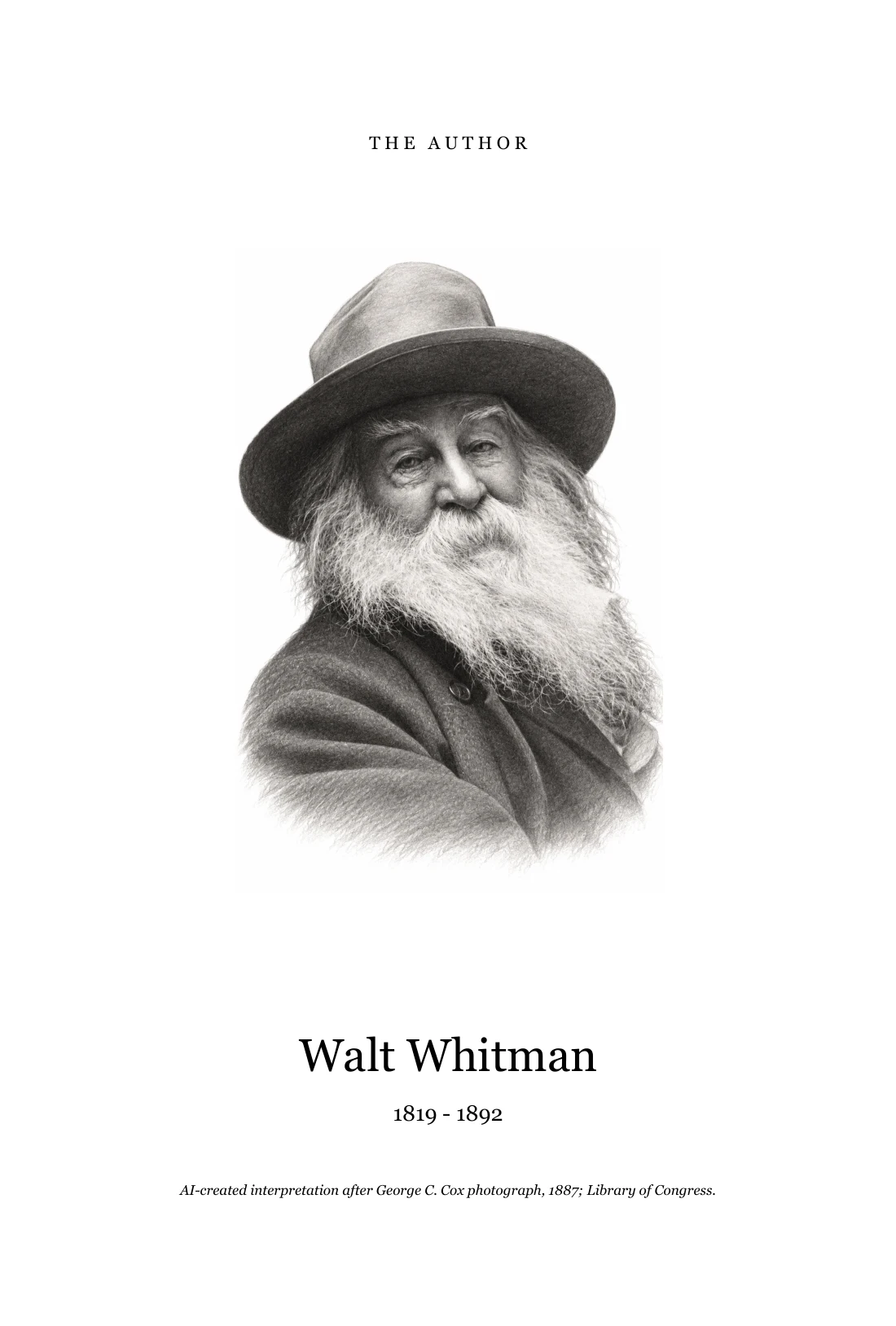
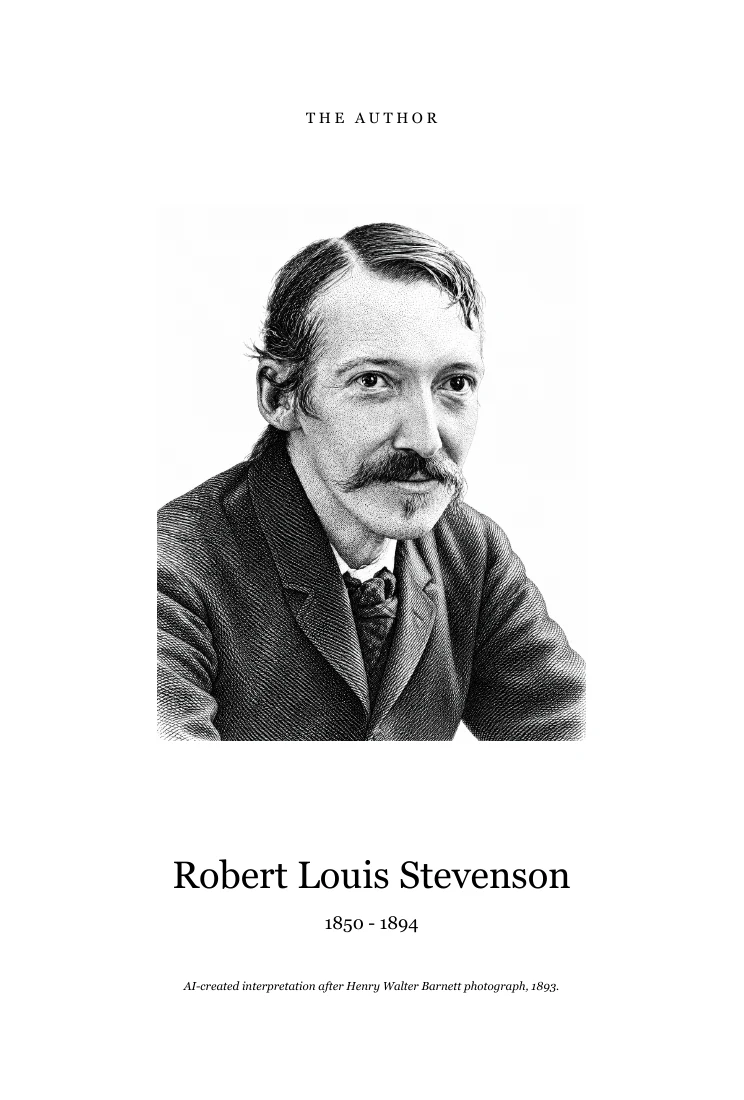
The best way to read classic poetry books is not cover to cover but a little at a time. Read one poem before you turn out the light, read it again the next night, and let the lines settle. Many of the collections here were themselves built that way, over years: Walt Whitman spent most of his life expanding Leaves of Grass, and Shakespeare’s sonnets were written over a long stretch before they were printed together.
We have chosen twelve classic poetry collections, mixing the essential names with a few that deserve to be better known. They range from the 1600s to 1922, from lullabies to war poetry, and from fourteen-line sonnets to a whole town of epitaphs.
The essential classic poetry books
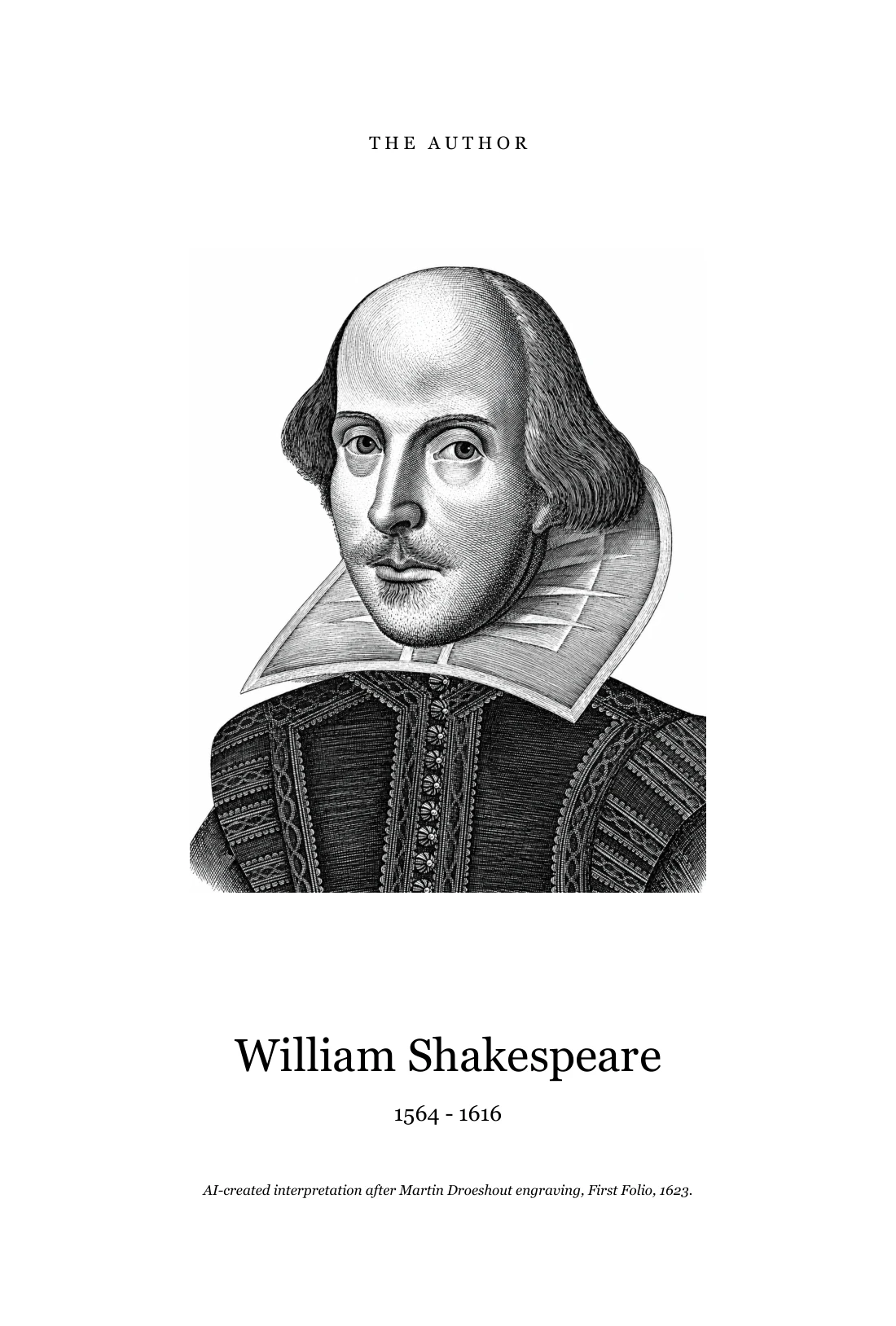
Shakespeare's Sonnets
1609. A hundred and fifty-four sonnets of love, time, jealousy and the power of verse to outlast death. Begin with “Shall I compare thee to a summer’s day?” and read outwards.
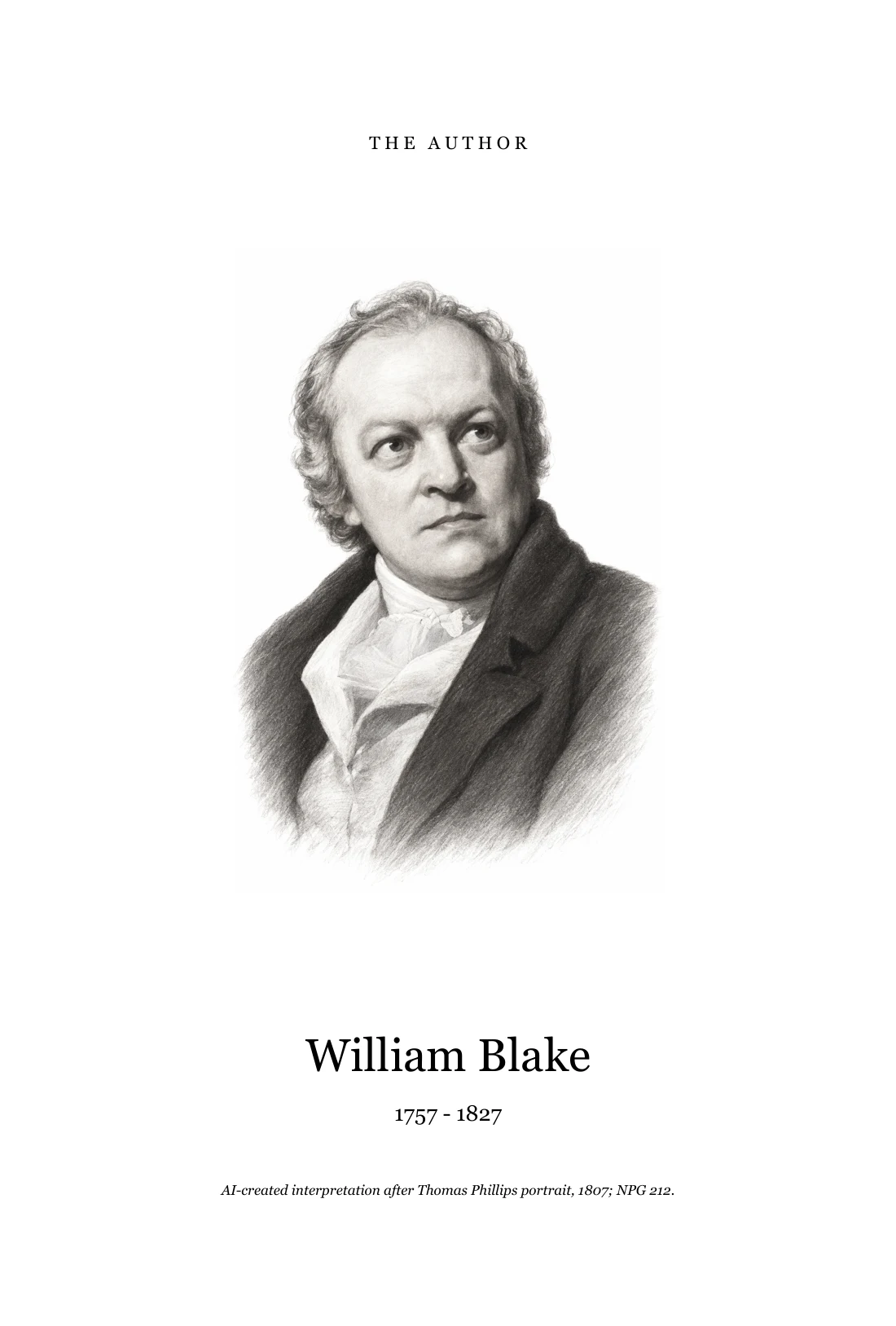
Songs of Innocence and of Experience
Blake’s paired songs of childhood innocence and adult experience: “The Lamb” and “The Tyger”, “The Chimney Sweeper” and “London”. Simple to read, endless to think about.
Leaves of Grass
Whitman’s vast, generous, free-verse celebration of himself, America and everyone in it. First published in 1855 and revised for the rest of his life.


Tyger, tyger, burning bright / In the forests of the night, / What immortal hand or eye / Could frame thy fearful symmetry?
William Blake, “The Tyger”, from Songs of Experience (1794)
William Blake printed his songs himself, etching the words and pictures together and colouring each copy by hand. Few were sold in his lifetime. Whitman, too, published the first Leaves of Grass at his own expense, with his name left off the title page.
Poems to read aloud
Some poems want to be heard. These are best read in a quiet voice to someone else, or to yourself.
A Child's Garden of Verses
1885. Stevenson’s poems of childhood: shadows, lamplighters, bed in summer and the land of counterpane. For reading to children, or remembering being one.
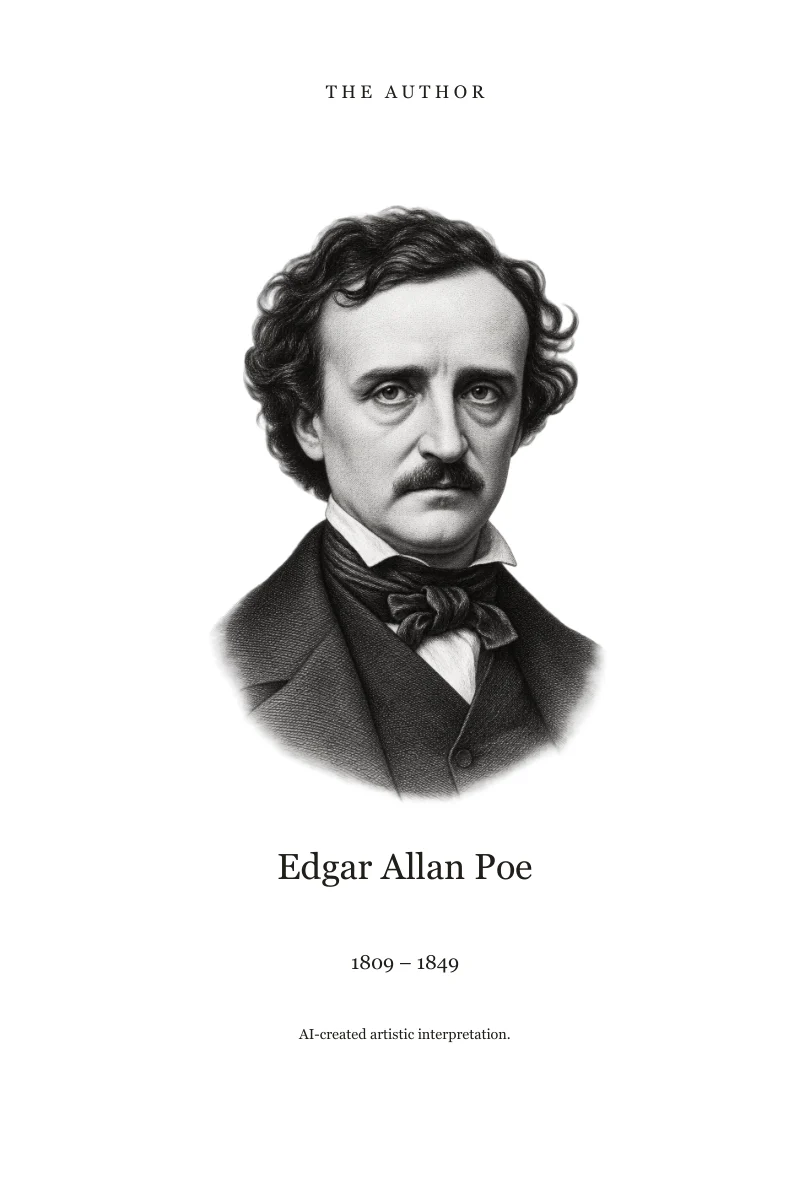
The Raven
1845. A grieving scholar, a midnight visitor and a single word repeated. The poem that made Edgar Allan Poe famous almost overnight.
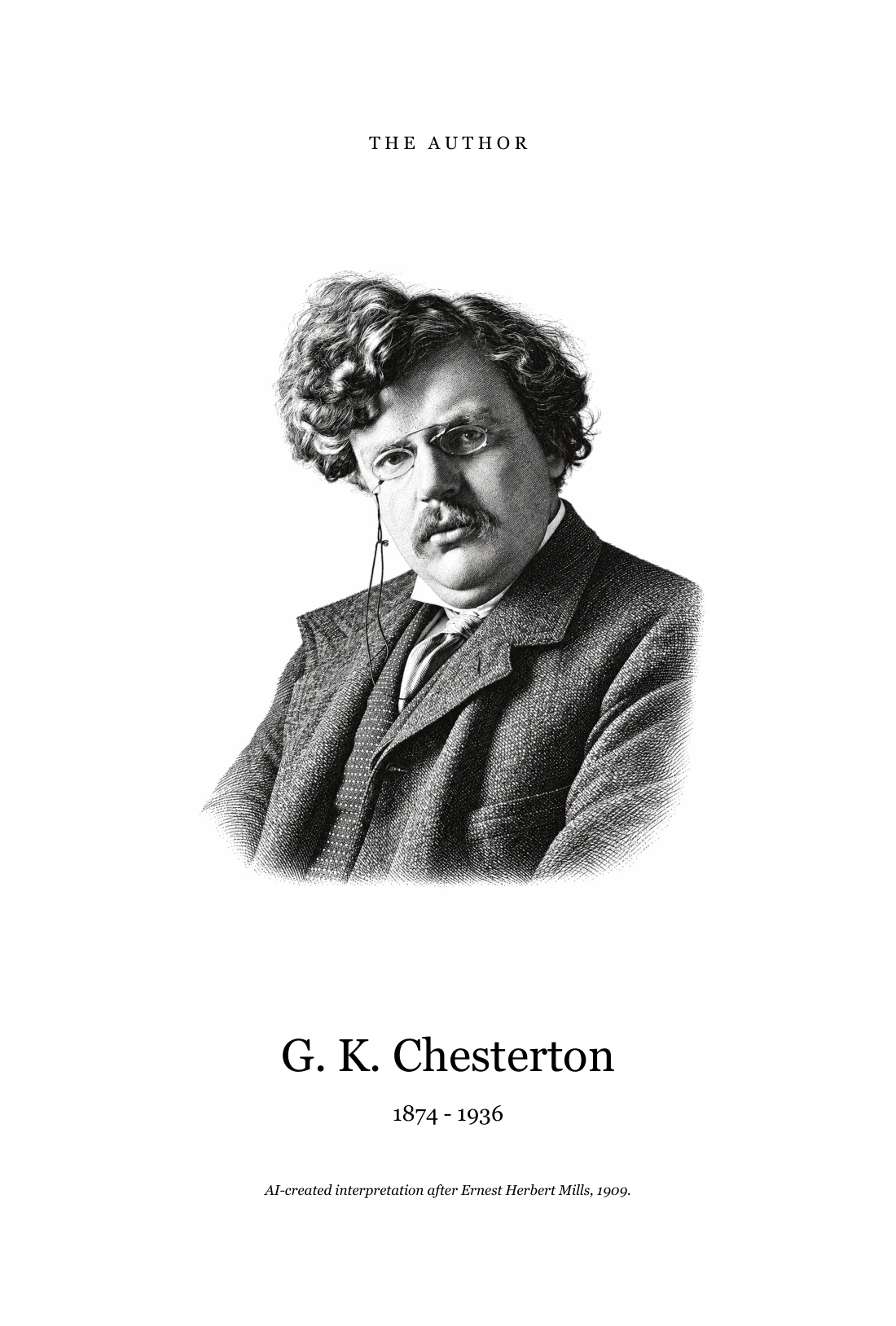
The Ballad of the White Horse
1911. G. K. Chesterton’s long ballad of King Alfred rallying the English against the Danes. Rousing, strange and made to be declaimed.


Poetry from India
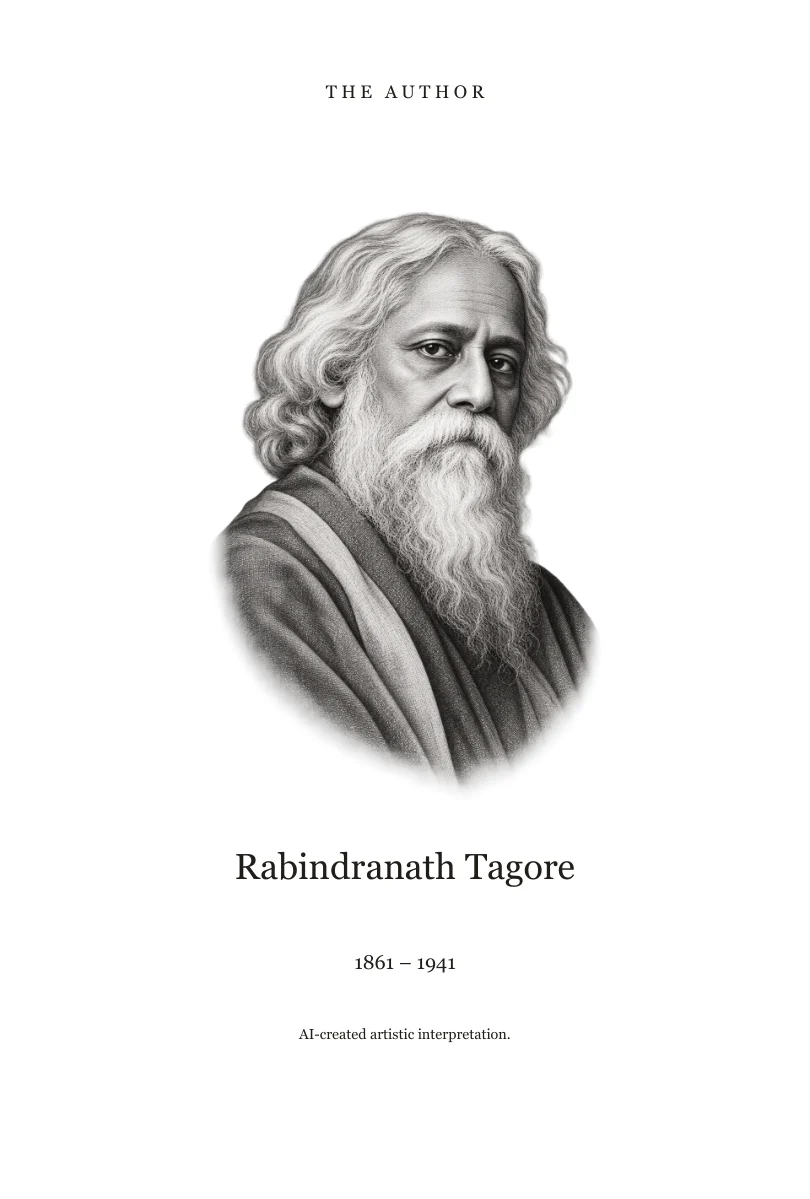
Gitanjali
Rabindranath Tagore’s songs of devotion, in his own English prose translations. Most are a paragraph long, perfect for one quiet minute.
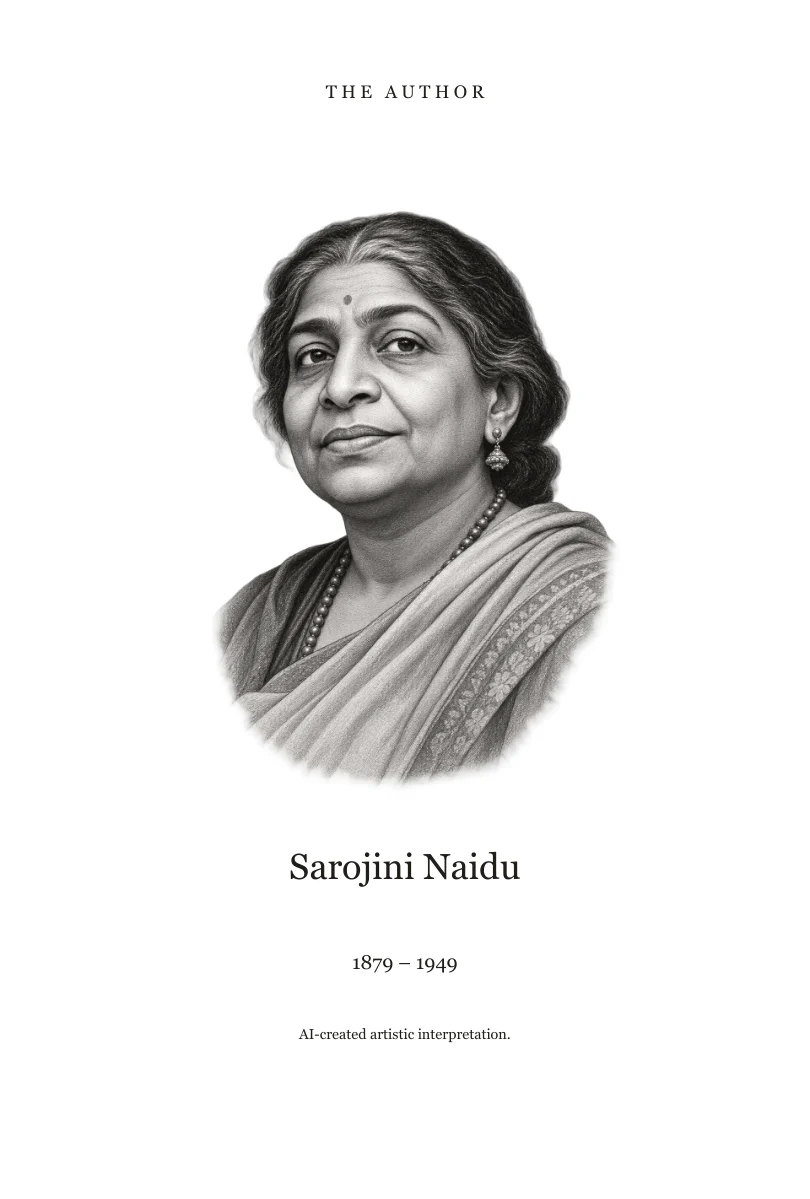
The Golden Threshold
1905. Sarojini Naidu’s richly coloured lyrics of Indian life, landscape and song. Naidu later became a leading figure in the independence movement.


Read more in Did you know Tagore was the first non-European Nobel laureate?
The poetry of war and loss
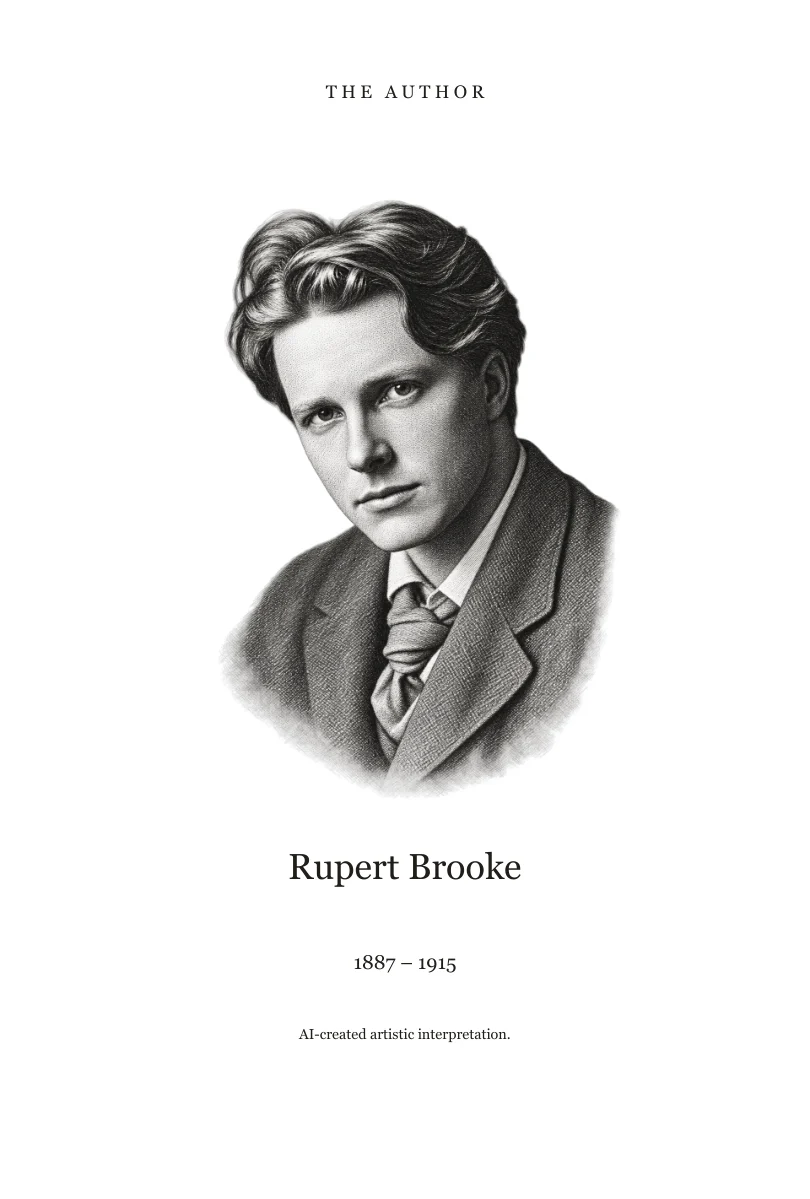
The Collected Poems of Rupert Brooke
Rupert Brooke’s poems, including the 1914 war sonnets that made him famous. He died on the way to Gallipoli in 1915, at twenty-seven.
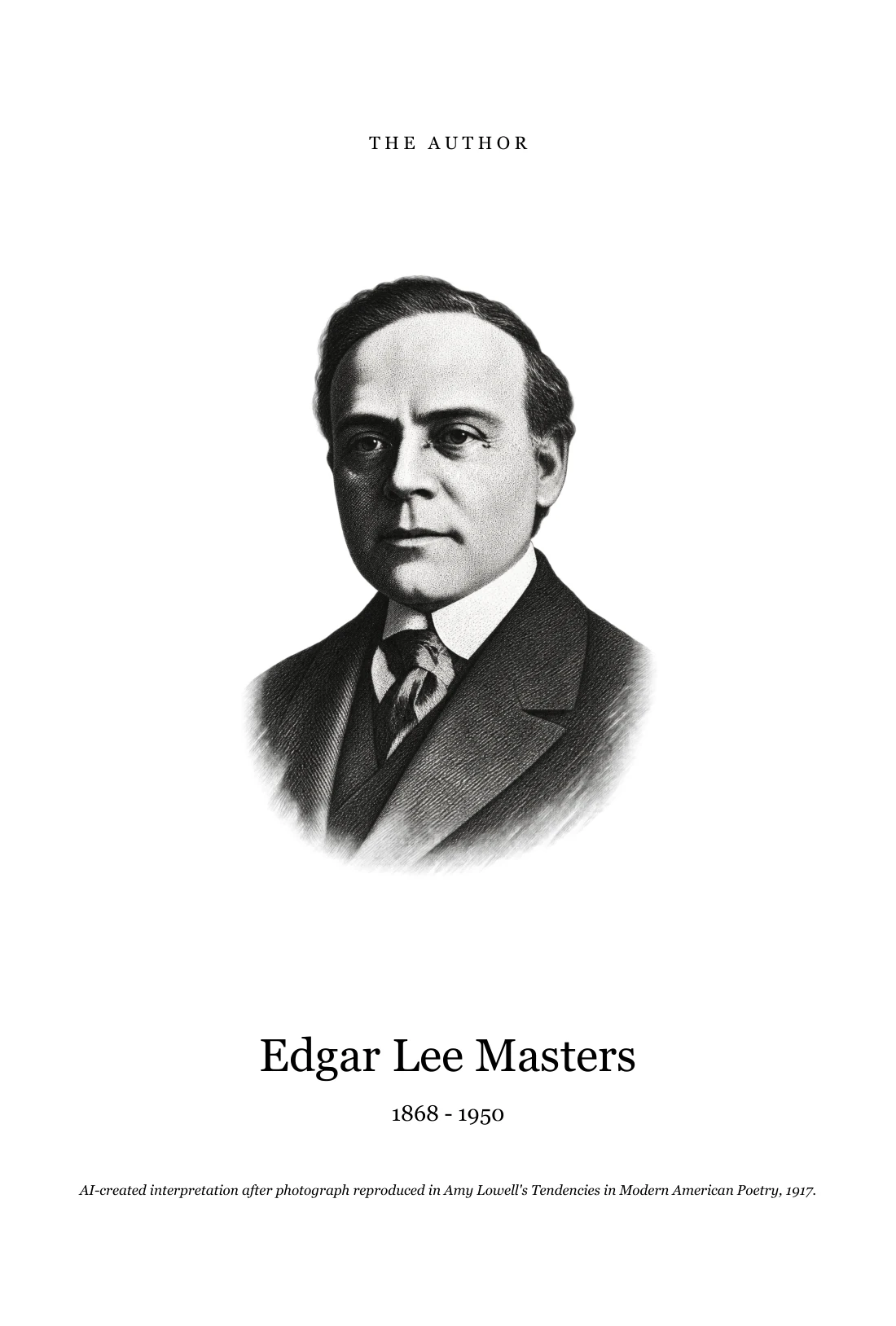
Spoon River Anthology
1915. The dead of a small Illinois town speak their own epitaphs in short free-verse poems, revealing the secrets they kept in life. Gossipy, sad and addictive.


Brooke’s most famous sonnet, “The Soldier”, begins “If I should die, think only this of me” and imagines his grave as “some corner of a foreign field / That is for ever England.” For prose from the same war, see our list of classic war novels.
Modern voices
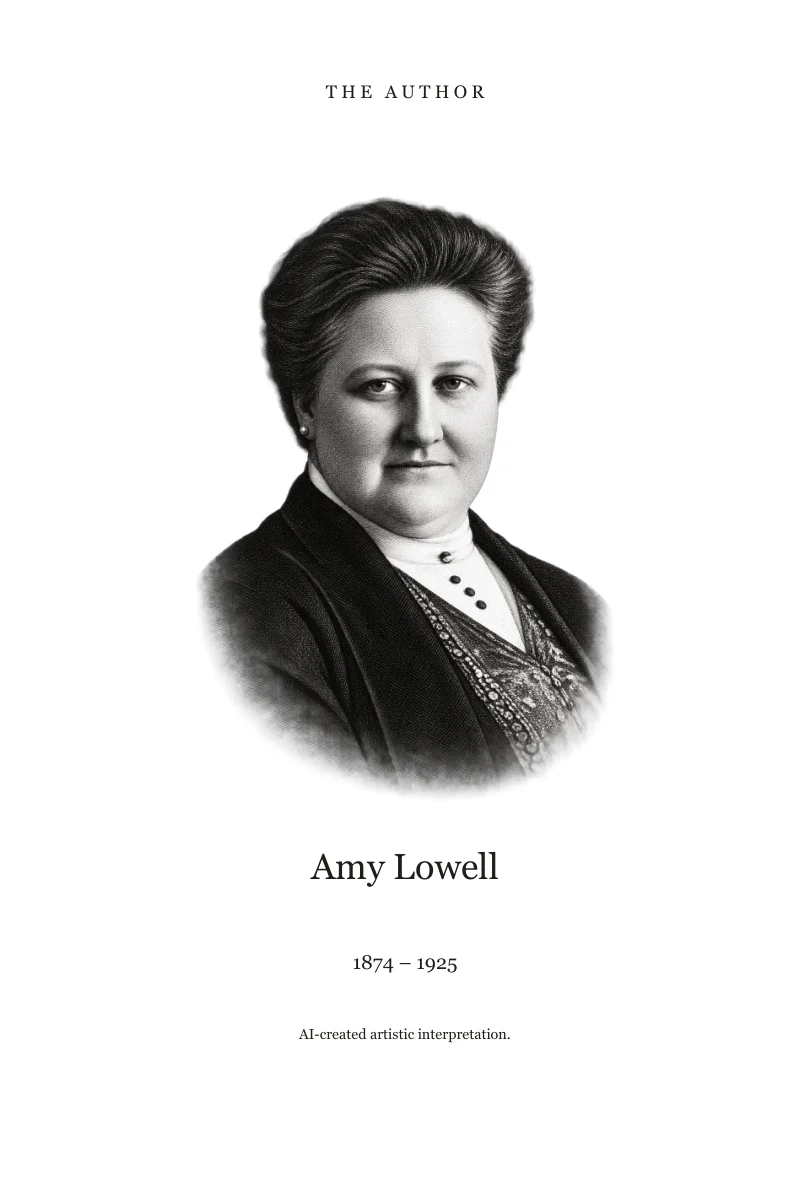
Men, Women and Ghosts
1916. Amy Lowell’s narrative poems and Imagist experiments, including “Patterns”, a woman’s monologue in a formal garden on the day she learns of a death.
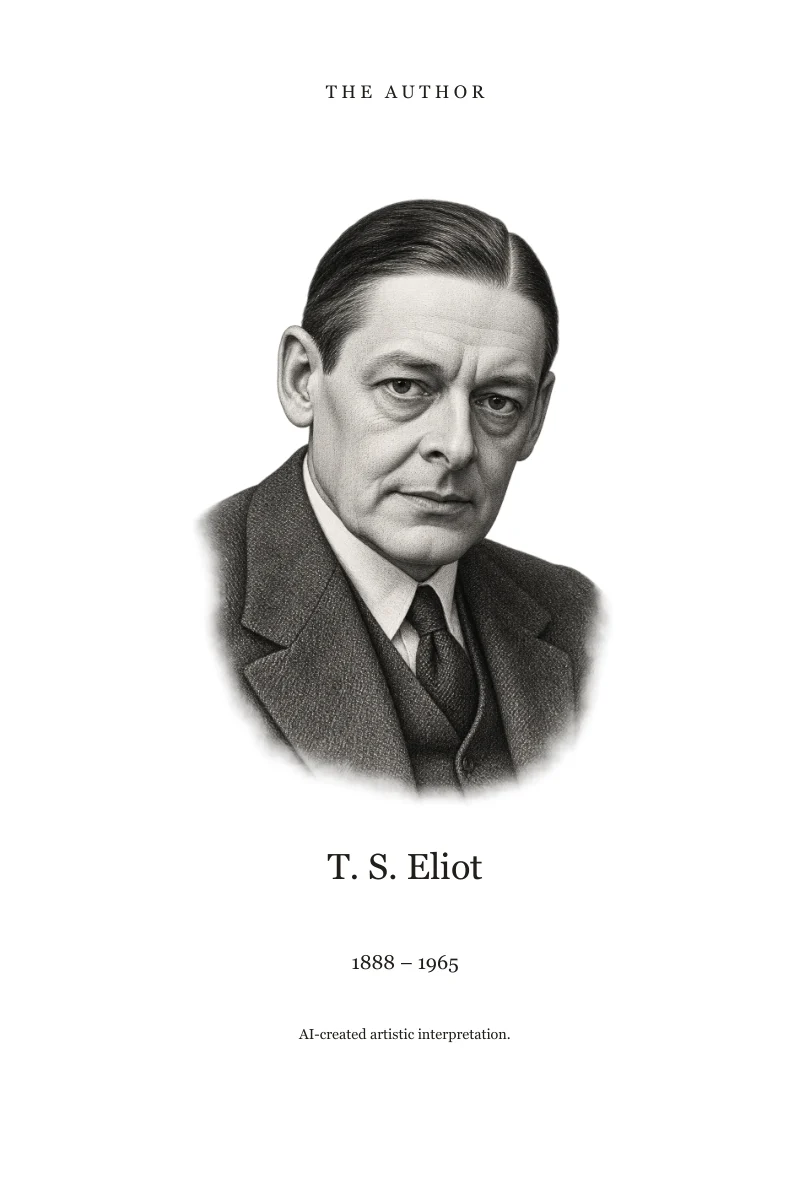
The Waste Land
1922. T. S. Eliot’s fractured, haunting long poem of a world after war, opening with “April is the cruellest month”. Short enough to read in one sitting, deep enough to last a lifetime.


Amy Lowell was a leading champion of Imagism, the movement for clear, concrete images in free verse, and she was awarded the Pulitzer Prize for poetry after her death. Edgar Lee Masters, by contrast, was a Chicago lawyer who drew Spoon River from the small Illinois towns of his youth.
How to choose a classic poetry book
If you are new to poetry, begin with Shakespeare’s Sonnets or Songs of Innocence and of Experience: the poems are short, the music is unmistakable, and many lines will already feel familiar. If you prefer a story, try Spoon River Anthology, which reads almost like a novel told in gravestones. And if you want something to read aloud with a child, nothing beats A Child’s Garden of Verses.
Shakespeare fans can take the plays next; our guide Which Shakespeare play to read first will help. Most of these collections are slim, and several appear on our list of classics you can read in one evening and the short reads shelf. Keep one by the bed tonight, and read a single sonnet before you sleep.
Questions readers ask
What are the best classic poetry books for beginners?
Shakespeare’s Sonnets, William Blake’s Songs of Innocence and of Experience and Robert Louis Stevenson’s A Child’s Garden of Verses are short and approachable. Spoon River Anthology is ideal if you prefer stories.
What is the most famous poetry collection of all time?
Shakespeare’s Sonnets and Walt Whitman’s Leaves of Grass are among the most famous in English. Tagore’s Gitanjali did most to win him the Nobel Prize in 1913.
How should I read a poetry collection?
Slowly, and not necessarily in order. Read one or two poems at a time, read them aloud if you can, and come back to the ones that stay with you.