
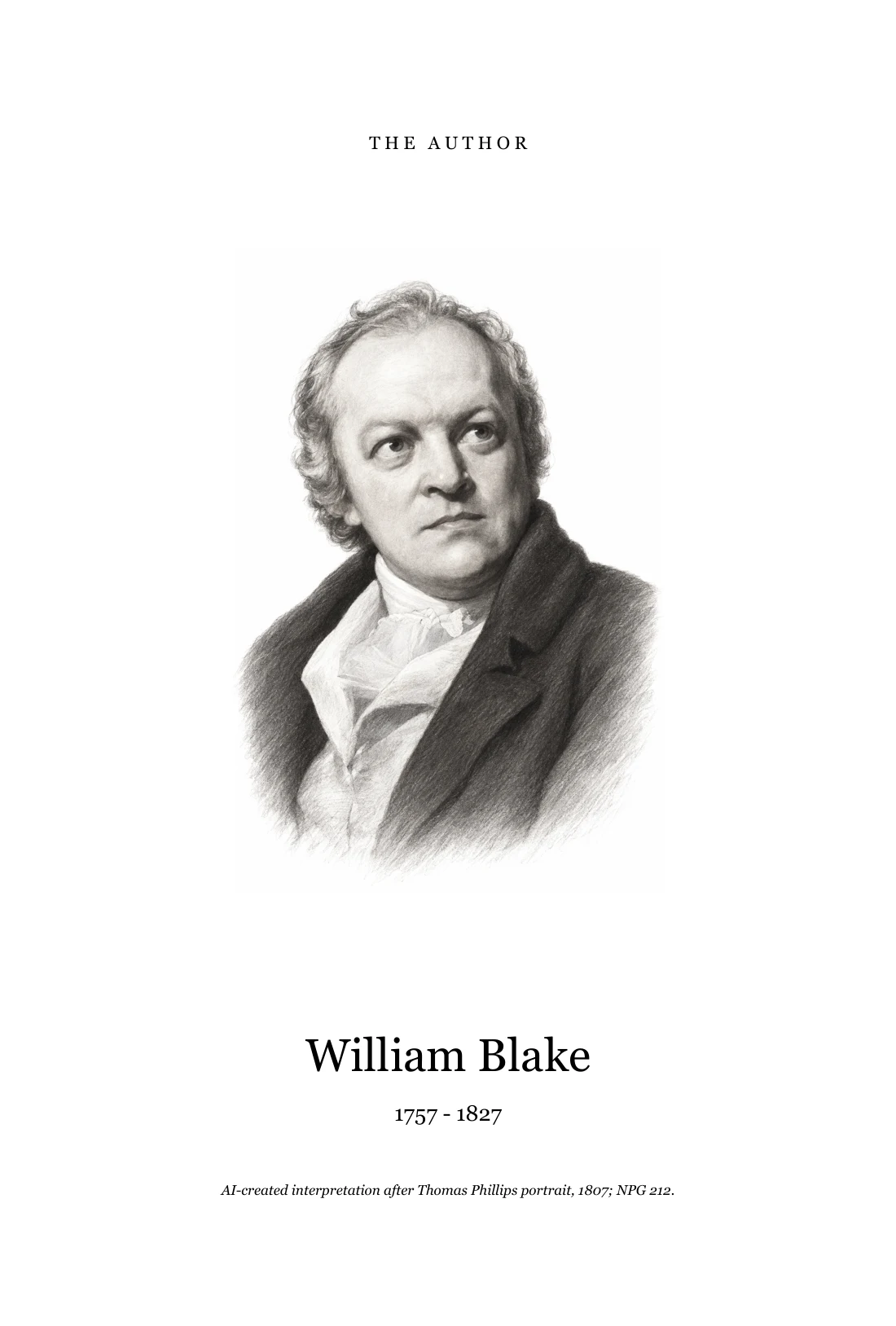
William Blake’s “The Tyger” begins and ends with almost the same four lines. Almost. In the first stanza the speaker asks what immortal hand or eye “Could frame thy fearful symmetry?” In the last, the question has become “Dare frame”. One word has changed, and the whole poem has moved from wonder to something closer to fear.
That small shift is the best lesson there is in how to read poetry. Poems reward attention to exactly this kind of detail: a repeated line, a changed word, a sentence that runs past the end of a line or stops dead in the middle of one. You don’t need technical vocabulary to notice those things. You need to read slowly, and preferably out loud.
How to read a poem: five habits
- Read it aloud, twice. The first time to hear it, the second to hear what you missed. Poetry was a spoken art long before it was a printed one, and its rhythm only fully appears in the voice.
- Follow the sentences, not the lines. Pause where the punctuation tells you to, not automatically at each line-end. Many apparently baffling poems turn out to be two or three ordinary sentences laid out in an unusual shape.
- Notice what repeats and what changes. Refrains, echoes and patterns are a poem’s way of underlining. A change in a pattern, like Blake’s “Could” and “Dare”, is usually where the meaning lives.
- Ask who is speaking, and to whom. A poem’s “I” is a voice, not necessarily the poet, and it is often talking to someone: a lover, a child, God, an animal or you.
- Look for the turn. Most short poems change direction somewhere, from question to answer, complaint to consolation or past to present. Find that hinge and you have found the poem’s argument.
Then stop. You do not have to say what a poem “means” in a sentence. If you can describe what happens in it and how it made you feel, you have read it properly.

Example one: a Shakespeare sonnet
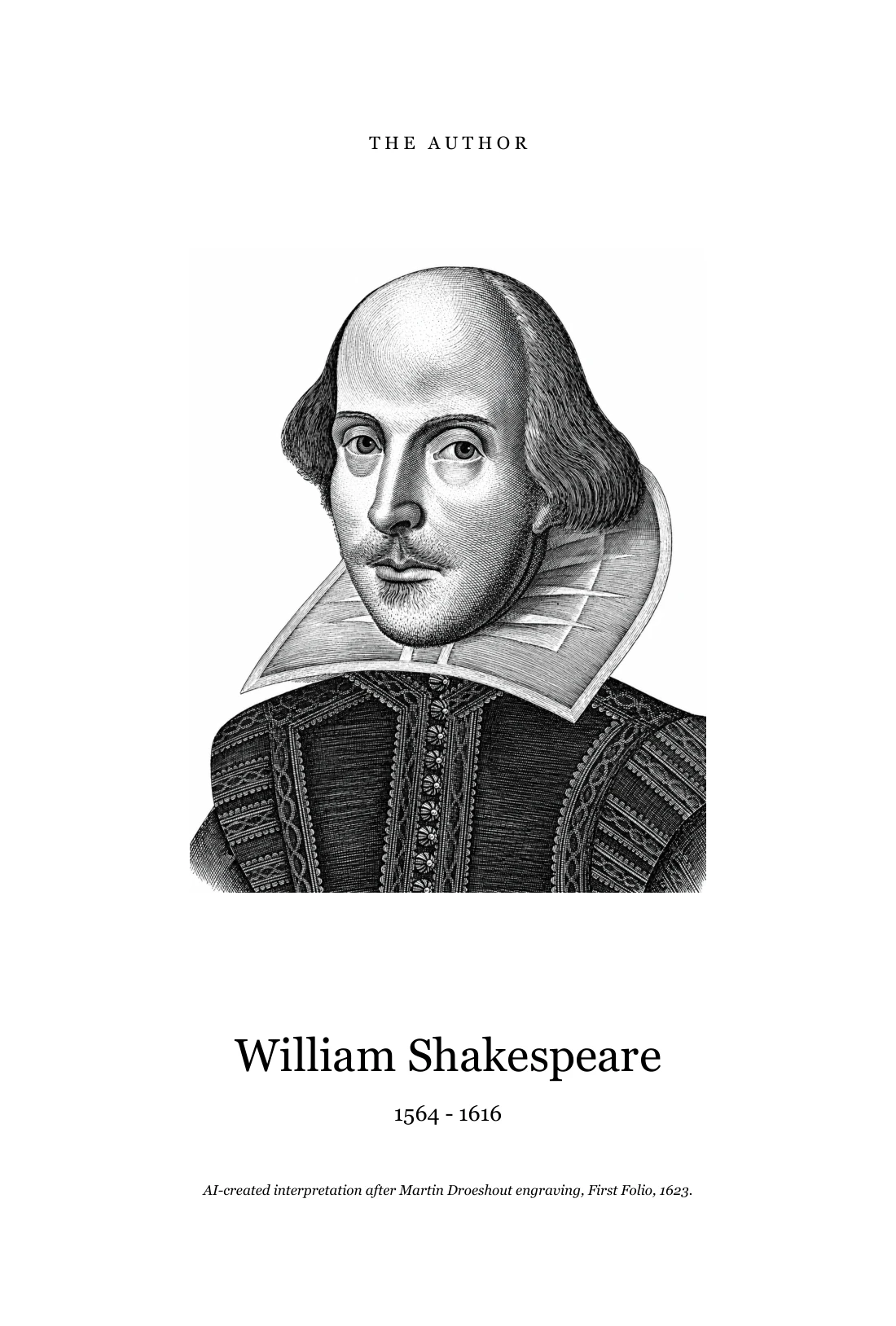
Shakespeare’s sonnets were first printed together in 1609, 154 of them in a single quarto. Each is fourteen lines long, usually arranged as three groups of four lines and a final rhyming pair. That structure is a gift to a new reader: it tells you where to look for the turn.
Sonnet 18 opens with the famous question, “Shall I compare thee to a summer’s day?”, and spends eight lines finding fault with summer, which is too windy, too hot, too short. Then line nine pivots on a single word: “But thy eternal summer shall not fade”. The beloved will not wither, the speaker claims, because the poem itself will keep them alive. The closing couplet makes the boast outright:
So long as men can breathe, or eyes can see, / So long lives this, and this gives life to thee.
William Shakespeare, Sonnet 18 (1609)
Read the sonnet aloud and listen to how the regular beat of the couplet clicks shut like a lid. That sense of closure is part of what it means.
Example two: two poems by Blake that answer each other
William Blake etched Songs of Innocence in 1789 and in 1794 combined it with Songs of Experience, so that many poems have a partner on the other side. Reading them in pairs is the easiest way into his work. “The Lamb” is a child’s gentle question to a lamb: “Little lamb, who made thee?” Its answer is simple and confident.
“The Tyger” asks the same question of a far more frightening creature and never gets an answer. Near the end it says out loud what a pair of poems has been asking all along:
Did He smile His work to see? / Did He who made the lamb make thee?
William Blake, “The Tiger”, Songs of Experience (1794)
Neither poem is the “right” one. Blake subtitled the combined book as showing two contrary states of the human soul, and the meaning is in the tension between them.

Example three: Whitman’s long lines
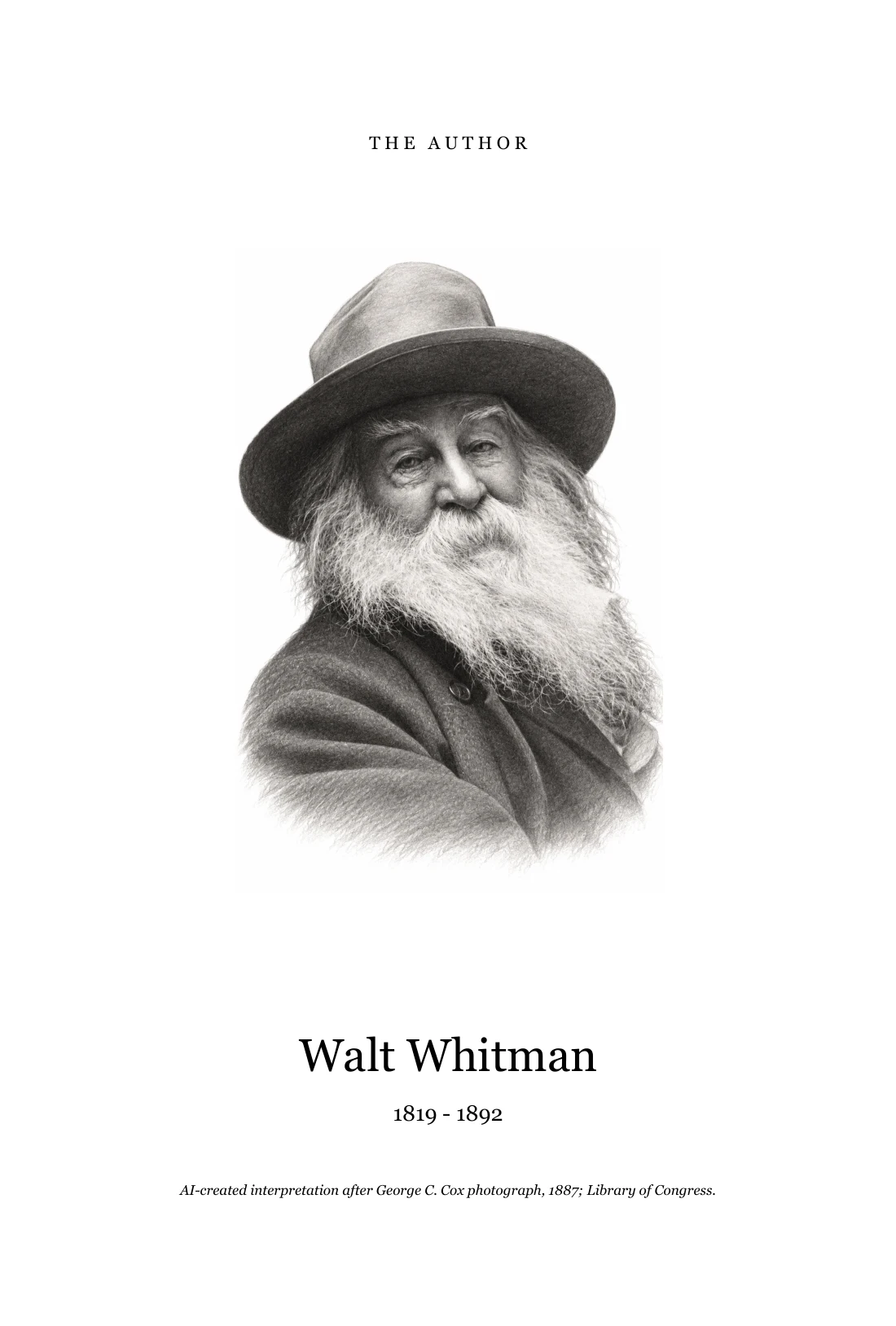
Walt Whitman self-published the first Leaves of Grass in 1855, a slim book of twelve untitled poems, and spent the rest of his life revising and expanding it until it held hundreds. His lines are long, loose and unrhymed, and they can look shapeless on the page. Read them aloud and they turn out to be shaped by breath: each line is roughly what a speaker can say before pausing.
I celebrate myself, and sing myself, / And what I assume you shall assume, / For every atom belonging to me as good belongs to you.
Walt Whitman, “Song of Myself”, Leaves of Grass
Here the habit to try is listening for lists. Whitman piles up people, places and trades, and the effect comes from accumulation rather than from any single line. Don’t hunt for the one important image. Let the catalogue wash over you.
Shakespeare's Sonnets
All 154 sonnets, from the poems urging a young man to marry to the bitter, funny verses to the “dark lady”. Read one a night and you have five months of poems.
Songs of Innocence and of Experience
Blake’s paired songs of childhood and its loss, including “The Lamb”, “The Tiger” and “London”. Short, strange, and best read in their pairs.
Leaves of Grass
Whitman’s lifelong book, grown from twelve poems to hundreds. Dip in anywhere, and read it aloud.


Where to go next
If you want more to practise on, Classic poetry collections suggests a dozen books made for one poem a night, and How to read Shakespeare carries the same habits into the plays. Families might start with Classic poems for children, which are made to be heard.
But the best way to learn is to begin with a pair. Open Songs of Innocence and of Experience, read “The Lamb” aloud, then turn to “The Tiger” and read that aloud too. Listen for the moment “Could” becomes “Dare”.
Questions readers ask
What is the best way to read poetry for beginners?
Read the poem aloud at least twice, follow its sentences rather than stopping at every line-end, and notice what repeats and what changes. Start with short poems, such as sonnets or Blake’s songs.
Do you have to understand every line of a poem?
No. Many poems keep part of their meaning open on purpose. If you can describe what happens in the poem and where it turns, you have understood a great deal.
Why should you read poetry out loud?
Because rhythm, rhyme and pauses are part of a poem’s meaning, and they only fully appear when the words are spoken. Long-lined poets like Walt Whitman make far more sense heard than seen.
What is the turn in a poem?
The turn, or volta, is the point where a poem changes direction. In many Shakespeare sonnets it comes at line nine, often signalled by a word like “But” or “Yet”.