An imagined setting inspired by The War of the Worlds
PIPCUB CINEMATIC EDITIONS / PAPERBACK BOOKS

The War of the Worlds

H. G. Wells

Martian invaders arrive in England, overturning human confidence as a narrator struggles to understand and survive the catastrophe.

$12.99

Printed for you. Shipping calculated at checkout.

Checkout opening soon. Shipping & delivery Returns
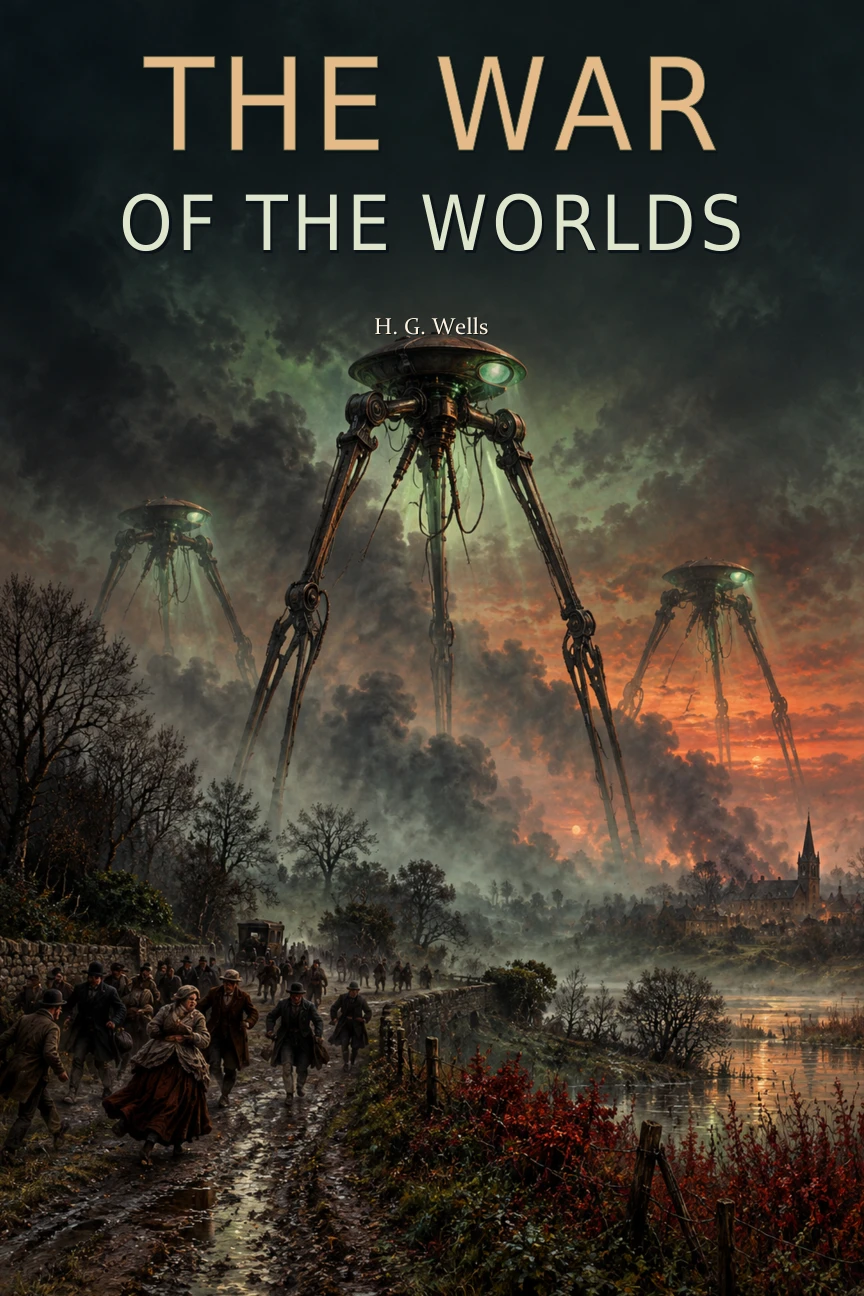
The War of the Worlds — actual Pipcub paperback cover
SCROLL INTO THE STORYAN IMAGINED WORLD · ORIGINAL AI ART
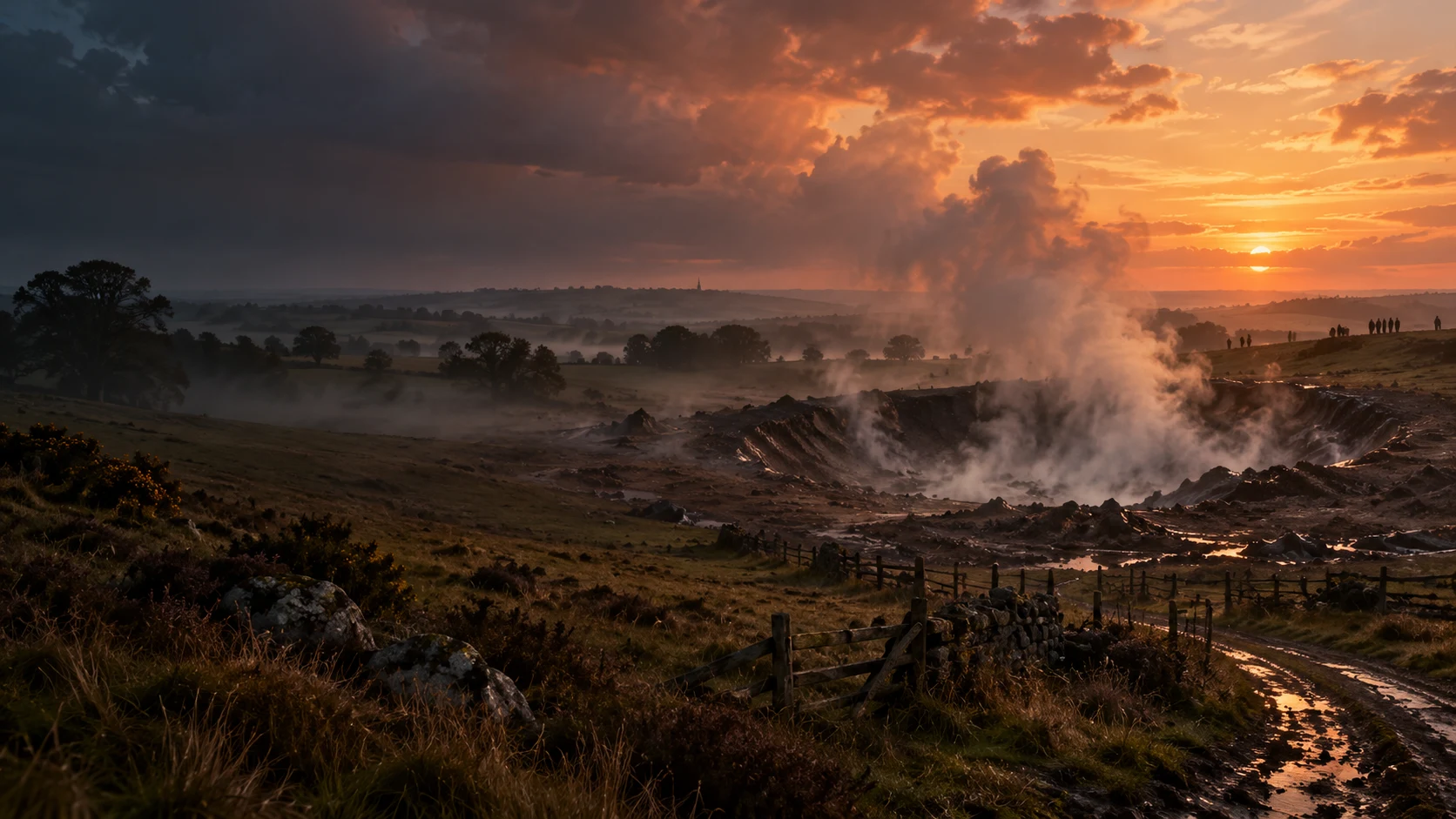
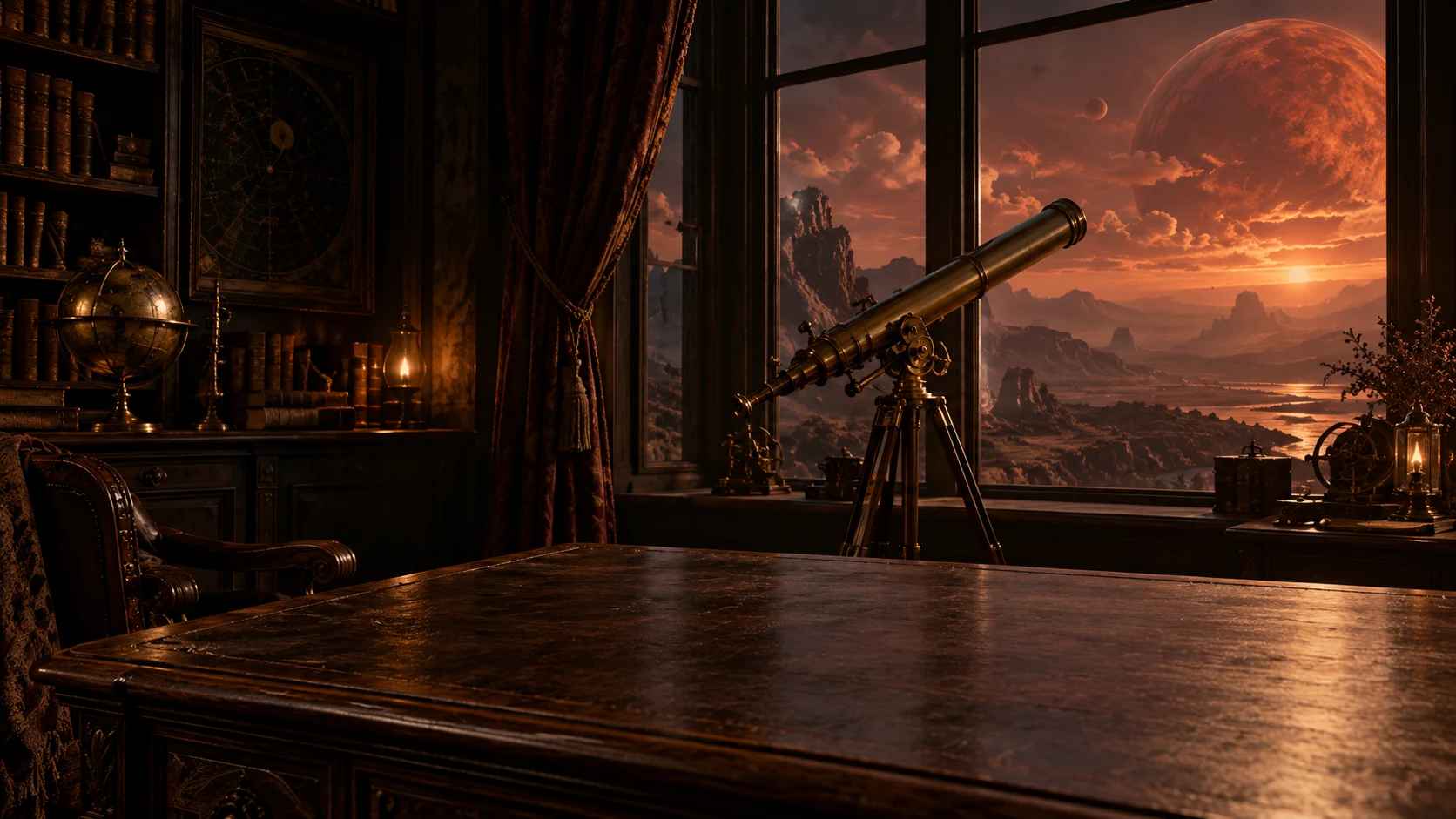
A Victorian English common at twilight with a mysterious smoking impact crater, abandoned lane and distant onlookers as tiny silhouettes

THE STORY

The familiar world breaks apart.

Martian invaders arrive in England, overturning human confidence as a narrator struggles to understand and survive the catastrophe.
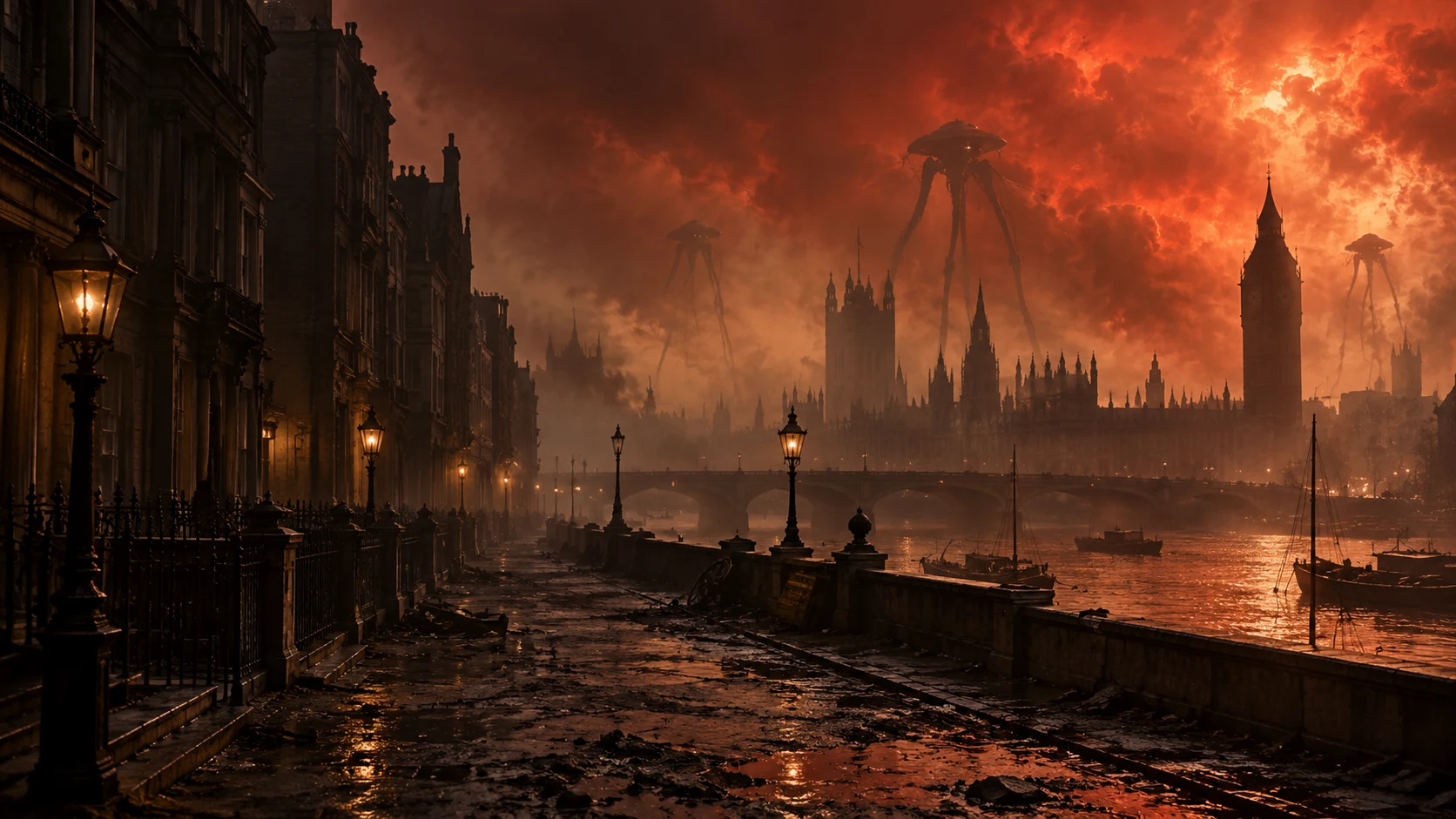
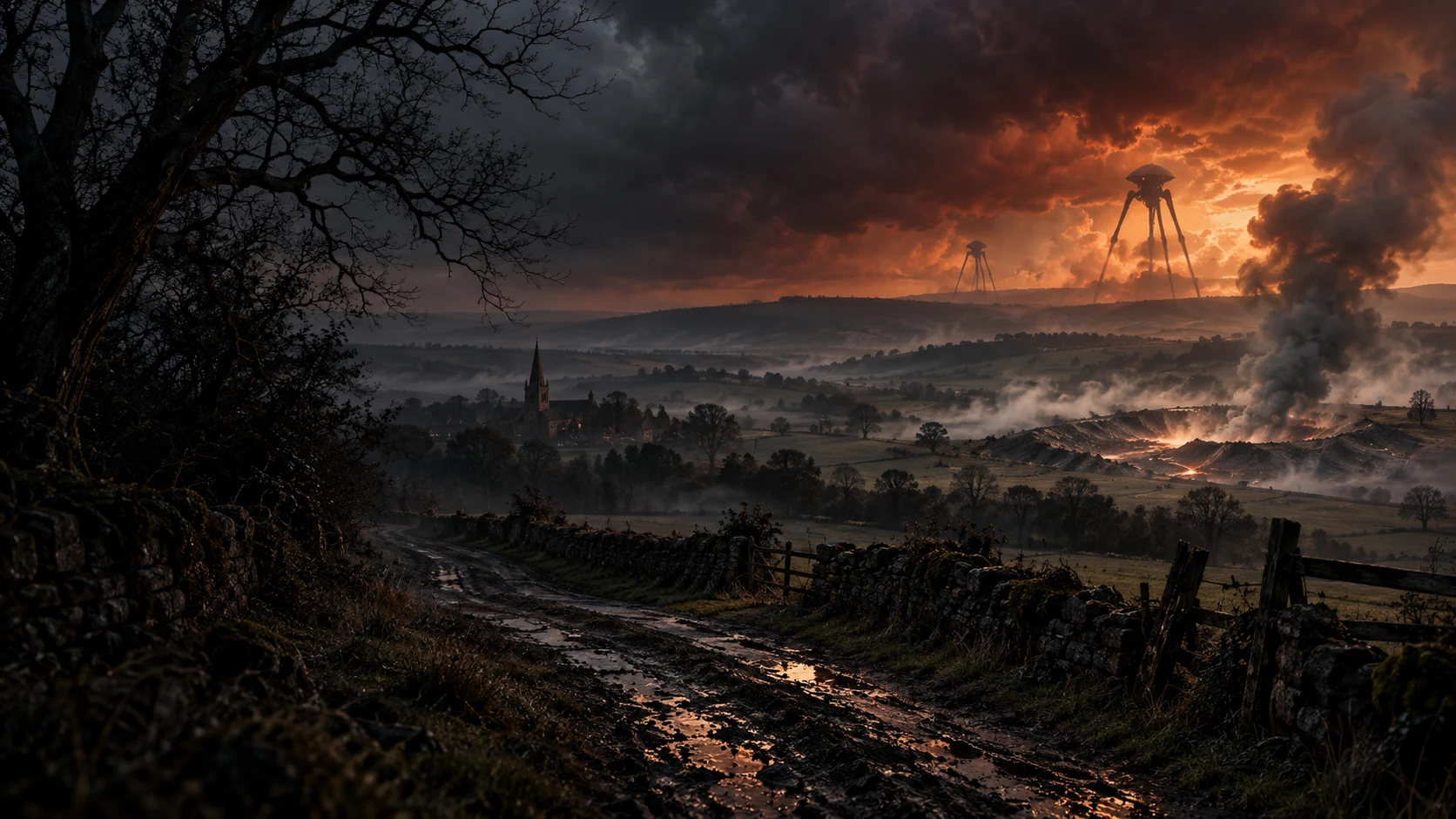
A deserted Victorian London street beneath distant original Martian tripod silhouettes, red storm sky, no modern film designs or gore

THE WORLD OF THE BOOK

Across a threatened landscape.

Ordinary towns and countryside become unfamiliar under a power that humanity cannot match.
The War of the Worlds front cover
Read the interior preview

LOOK INSIDE

Open a book.
Enter a world.

Preview six pages from this edition. Select a page to enlarge it, or use the arrows to keep reading.

Spread 1 of 3
The War of the Worlds · PDF page 6
Actual interior PDF page 6 of The War of the Worlds
Read accessible text

4 its earthly level. Nor was it generally understood that since Mars is older than our earth, with scarcely a quarter of the superficial area and remoter from the sun, it necessarily follows that it is not only more distant from time’s beginning but nearer its end. The secular cooling that must someday overtake our planet has already gone far indeed with our neighbour. Its physical condition is still largely a mystery, but we know now that even in its equatorial region the midday temperature barely approaches that of our coldest winter. Its air is much more attenuated than ours, its oceans have shrunk until they cover but a third of its surface, and as its slow seasons change huge snowcaps gather and melt about either pole and periodically inundate its temperate zones. That last stage of exhaustion, which to us is still incredibly remote, has become a present-day problem for the inhabitants of Mars. The immediate pressure of necessity has brightened their intellects, enlarged their powers, and hardened their hearts. And looking across space with instruments, and intelligences such as we have scarcely dreamed of, they see, at its nearest distance only 35,000,000 of miles sunward of them, a morning star of hope, our own warmer planet, green with vegetation and grey with water, with a cloudy atmosphere eloquent of fertility, with glimpses through its drifting cloud wisps of broad stretches of populous country and narrow, navy-crowded seas. And we men, the creatures who inhabit this earth, must be to them at least as alien and lowly as are the monkeys and lemurs to us. The intellectual side of man already admits that life is an incessant struggle for existence, and it would seem that this too is the belief of the minds upon Mars. Their world is far gone in its cooling and this world is still crowded with life, but crowded only with what they regard as inferior animals. To carry warfare sunward is, indeed, their only escape from the destruction that, generation after generation, creeps upon them. And before we judge of them too harshly we must remember what ruthless and utter destruction our own species has wrought, not only upon animals, such as the vanished bison and the dodo, but upon its inferior races. The Tasmanians, in spite of their human likeness, were entirely swept out of existence in a war of extermination waged by European immigrants, in the space of fifty years. Are we such apostles of mercy as to complain if the Martians warred in the same spirit? The Martians seem to have calculated their descent with amazing subtlety—their mathematical learning is evidently far in excess of ours—and to have carried out their preparations with a well-nigh

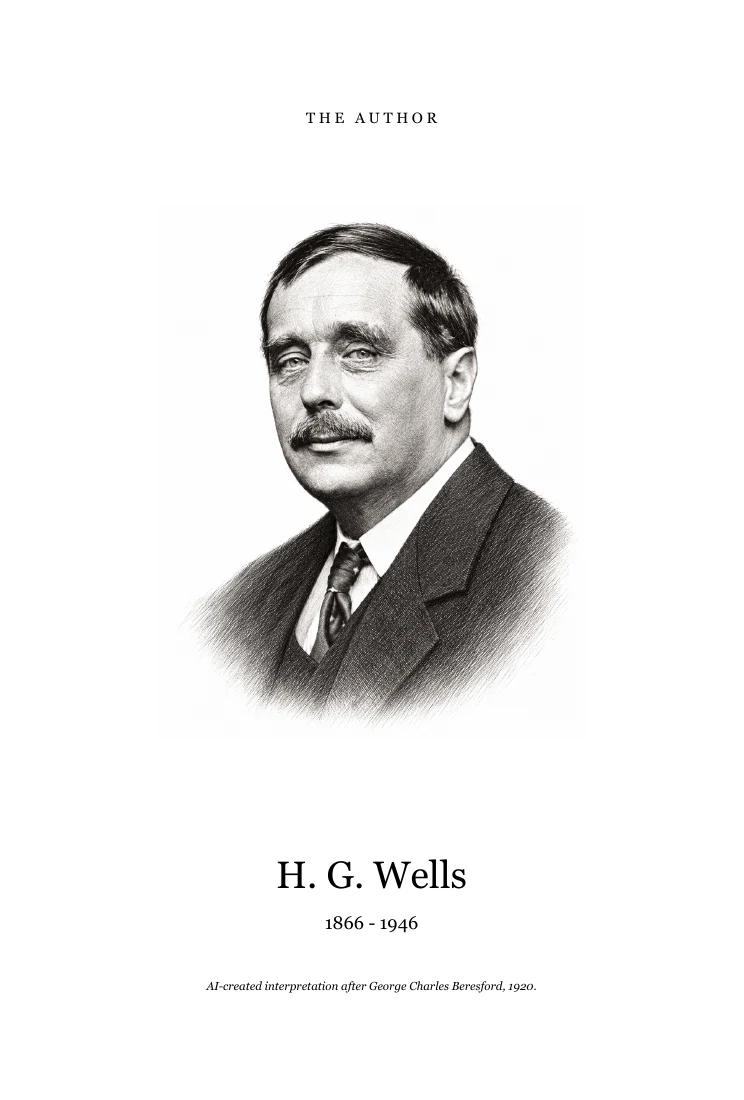
H. G. Wells portrait page from this edition

ABOUT THE AUTHOR

H. G. Wells

H. G. Wells was an English novelist, journalist and social commentator. His early training in biology helped shape a writing career concerned with change: changes in living things, in technology and in the ways people organise their societies.

More about the author ↗

Discover the author behind the story. This portrait and biography are included in your edition.

FREE TO READ

Take it with you.

The War of the Worlds is in the public domain, so its words belong to everyone. Download our edition free. No account needed.

Read it in your browser ↗
Add it to your reading app
iPhone & iPad
Tap download, then open the file from Safari’s downloads, tap Share and choose Books. It stays in your Apple Books library.
Android
Tap download, open the file and choose Google Play Books. Or, in Play Books, go to Library, tap ⋮ and choose Upload files.
Kindle
Send the file to your Kindle library with Amazon’s Send to Kindle.
Kobo, Moon+ Reader and other apps
Open the downloaded file with the app, or use the app’s import option.

KEEP BROWSING

More from the library.

The Wanderer of Liverpool cover

The Wanderer of Liverpool

John Masefield

The Wanderer's Necklace cover

The Wanderer's Necklace

H. Rider Haggard

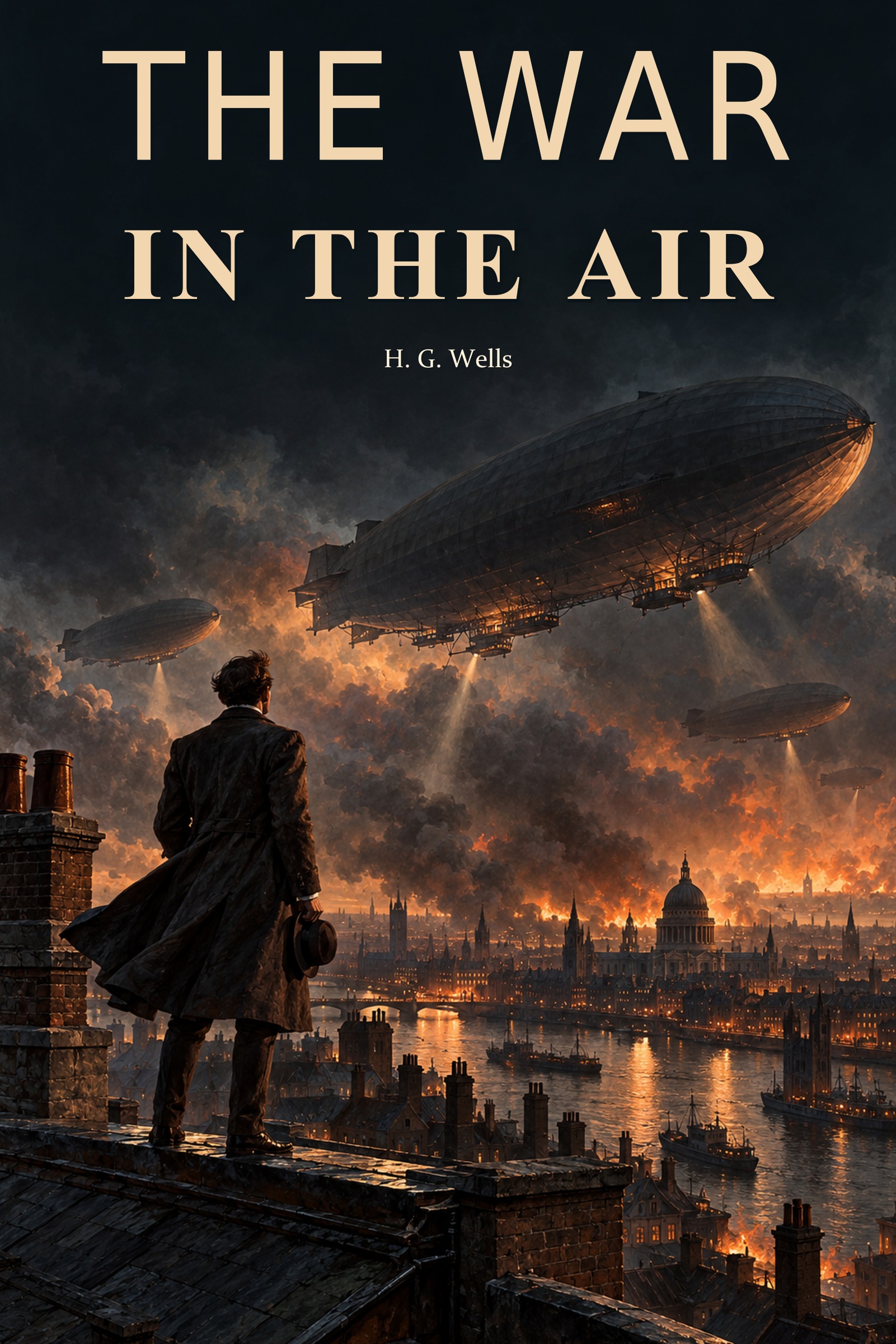
The War in the Air cover

The War in the Air

H. G. Wells

The Warden cover

The Warden

Anthony Trollope

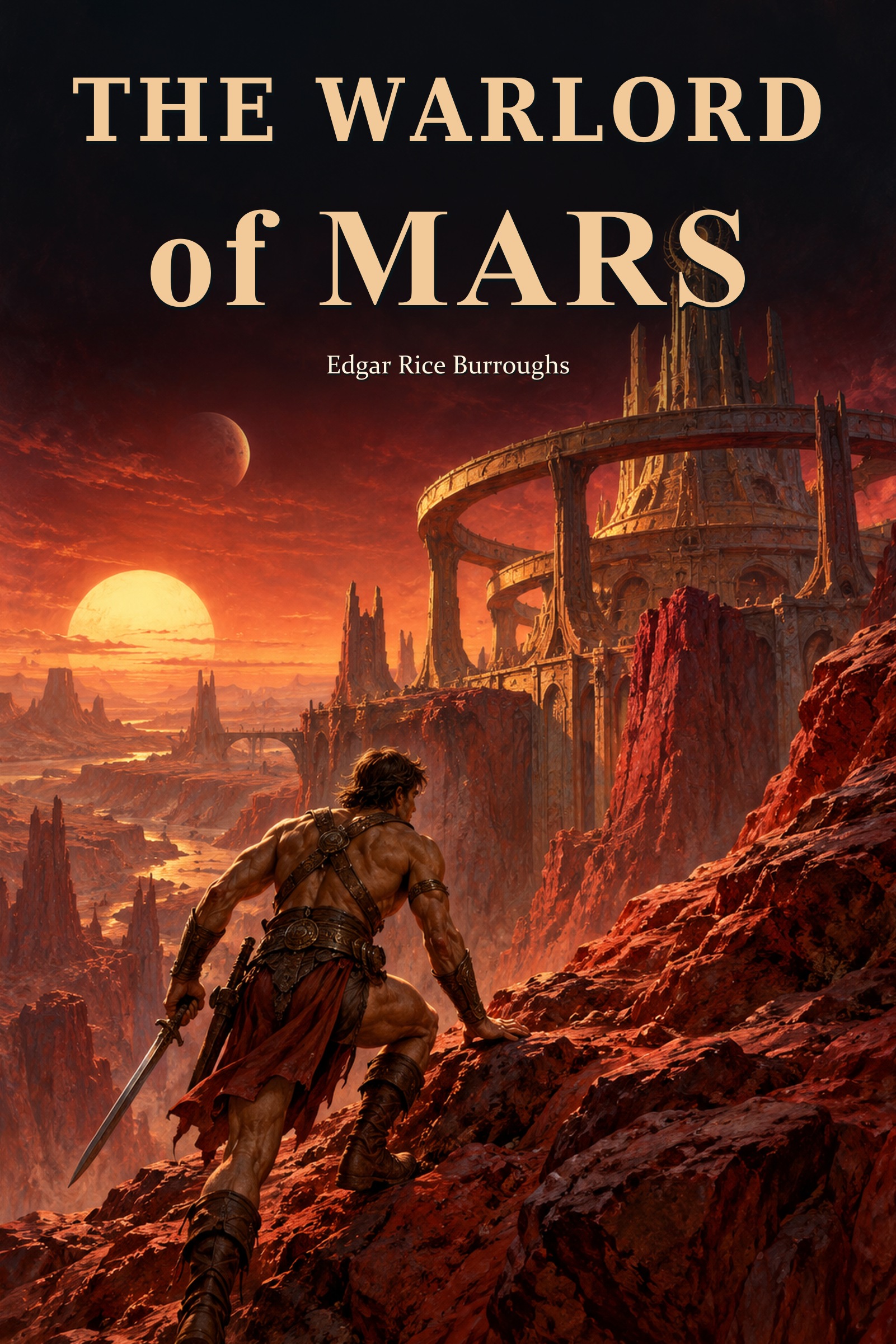
The Warlord of Mars cover

The Warlord of Mars

Edgar Rice Burroughs

The Waste Land cover

The Waste Land

T. S. Eliot

Browse the complete library ↗
YOUR NEXT CHAPTER

Your book bag 0

A little escape. A story to keep.

Loading your book bag…