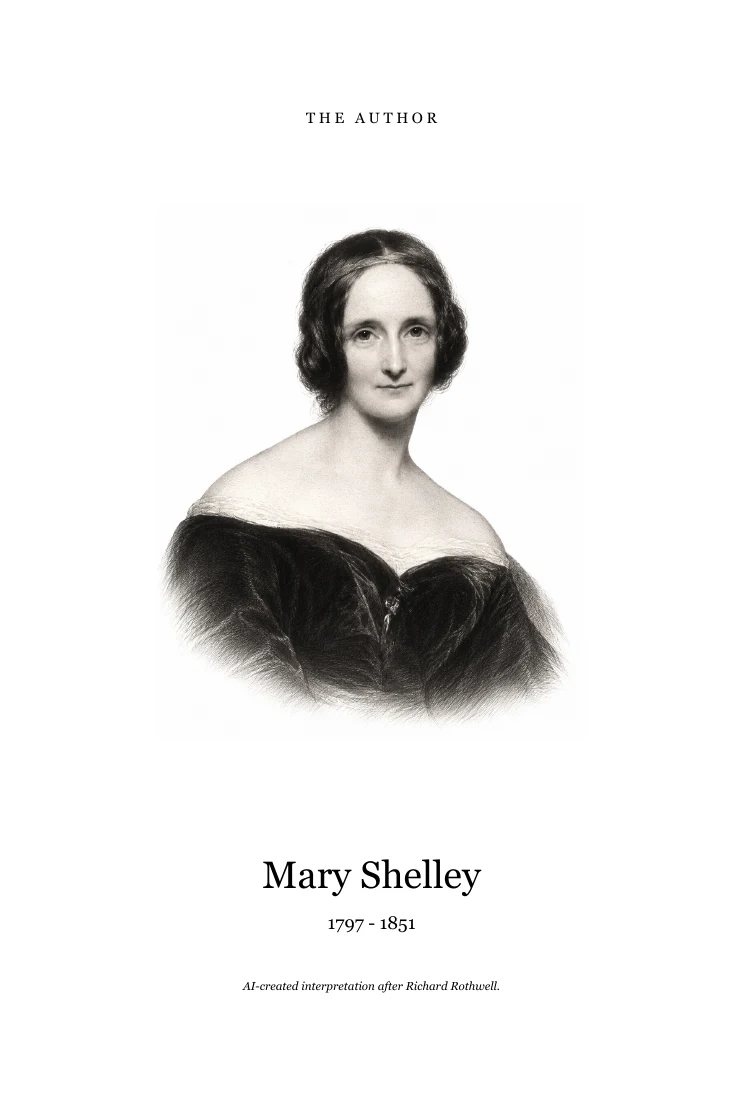
Frankenstein is one of the most famous novels ever written, and its author was still in her teens when she began it. Mary Shelley was born in August 1797. She began the story in June 1816, when she was eighteen, finished it the following year at nineteen, and saw it published in January 1818, aged twenty.
She was not yet Mary Shelley when she started. She was Mary Godwin, travelling in Switzerland with the poet Percy Bysshe Shelley, whom she married at the end of 1816. Her parents were the philosopher William Godwin and the writer Mary Wollstonecraft, who died days after her birth. Few teenagers have grown up surrounded by so many books and arguments, and it shows on every page.
How an 18-year-old came to write Frankenstein
The summer of 1816 was famously cold and wet across Europe, a year now often linked to the eruption of Mount Tambora the year before. Mary, Percy and Mary’s stepsister Claire Clairmont were staying near the Villa Diodati on Lake Geneva, which Lord Byron had rented with his young doctor, John Polidori. Kept indoors by the weather, the group read German ghost stories aloud in French translation, and Byron suggested they each write one of their own.
Mary struggled for days to think of anything. Then, by her own account, the idea arrived one night as a waking dream after the friends had been talking about experiments on the principle of life. In the introduction she wrote for the 1831 edition, she described what she saw:
I saw the pale student of unhallowed arts kneeling beside the thing he had put together.
Mary Shelley, introduction to Frankenstein (1831)
What began as a short tale grew, with Percy’s encouragement, into a full novel. Scholars have long examined Percy’s edits in the surviving manuscript; the occasional claim that he was the real author is not taken seriously by most of them. The book’s voice, structure and ideas are Mary’s. The whole story of that night is told in The ghost story contest that gave us Frankenstein and The Vampyre.
What is Frankenstein actually like to read?
If you know the monster only from films, the novel will surprise you. Victor Frankenstein is the scientist, not the creature, and the creature has no name. Far from grunting, he teaches himself to speak and read, works through Paradise Lost and Plutarch, and argues his case with an eloquence that leaves his maker floundering. Much of the book’s power lies in asking whose side you are on.
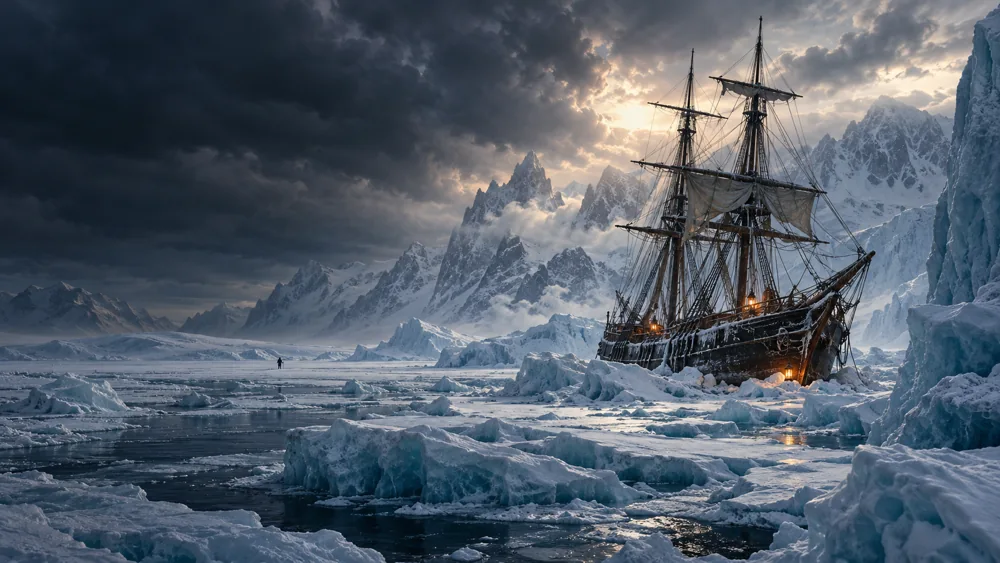
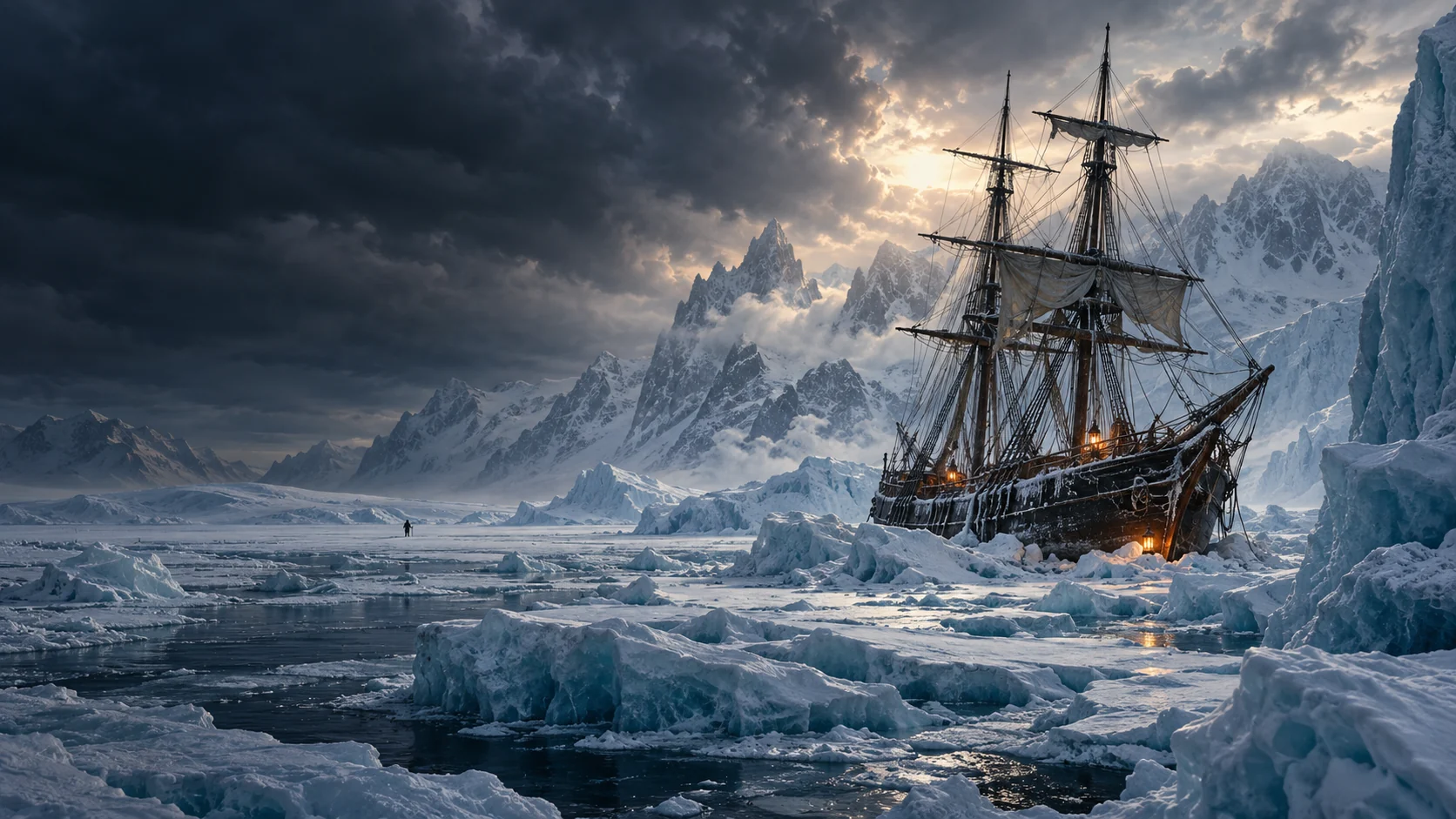
It is also built like a set of nesting boxes. An Arctic explorer, Robert Walton, writes letters to his sister; inside them Victor tells his story; inside Victor’s story the creature tells his. That layered structure makes it feel more like a confession than a horror story, and it moves quickly. Our edition runs to a little over two hundred pages. For how it compares with the famous films, see Frankenstein’s creature can talk: the book vs. the films.
Frankenstein
1818. Victor Frankenstein builds a living being and then abandons it. Often called the first science-fiction novel, and still one of the most unsettling.
The Last Man
1826. Shelley’s other great speculative novel: a plague slowly empties the world of the late twenty-first century. Darker, longer and strikingly ahead of its time.


Who should read Frankenstein?
Almost anyone. Its length and pace make it one of the friendliest Romantic-era novels, which is why it turns up on so many school reading lists. Readers who like gothic atmosphere will find glaciers, storms and midnight laboratories; readers who prefer ideas will find questions about ambition, responsibility and what we owe the things we make, questions that feel newer every year.
It also rewards a second visit. Read first for the story, then again for the creature’s chapters, which sit at the heart of the book and are easy to rush on a first reading.
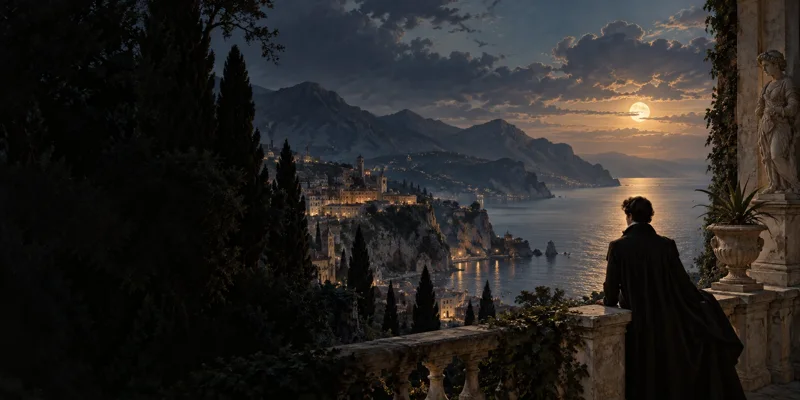
Where to go next
If Shelley’s imagination grips you, The Last Man is the obvious next step: a novel of pandemic and solitude written less than a decade after Frankenstein. For more of the 1816 circle, Polidori’s The Vampyre came out of the very same ghost-story challenge. And if you want the wider tradition of haunted castles and dark secrets, browse our gothic shelf or read the best gothic novels.
But begin with the book itself. Open Frankenstein at Walton’s first letter, and remember as you read that the person who imagined all of it was eighteen.
Questions readers ask
Who wrote Frankenstein?
Mary Shelley wrote Frankenstein. It was first published anonymously in London on 1 January 1818, and her name appeared on the title page from the second edition of 1823.
How old was Mary Shelley when she wrote Frankenstein?
She was eighteen when she began it in June 1816, nineteen when she finished it, and twenty when it was published in 1818.
Is Frankenstein the name of the monster?
No. Victor Frankenstein is the young scientist who creates the being. The creature is never given a name in the novel.
Did Percy Shelley write Frankenstein?
No. Percy Shelley edited parts of the manuscript and wrote the preface to the first edition, but scholars overwhelmingly agree that Mary Shelley is the author.