
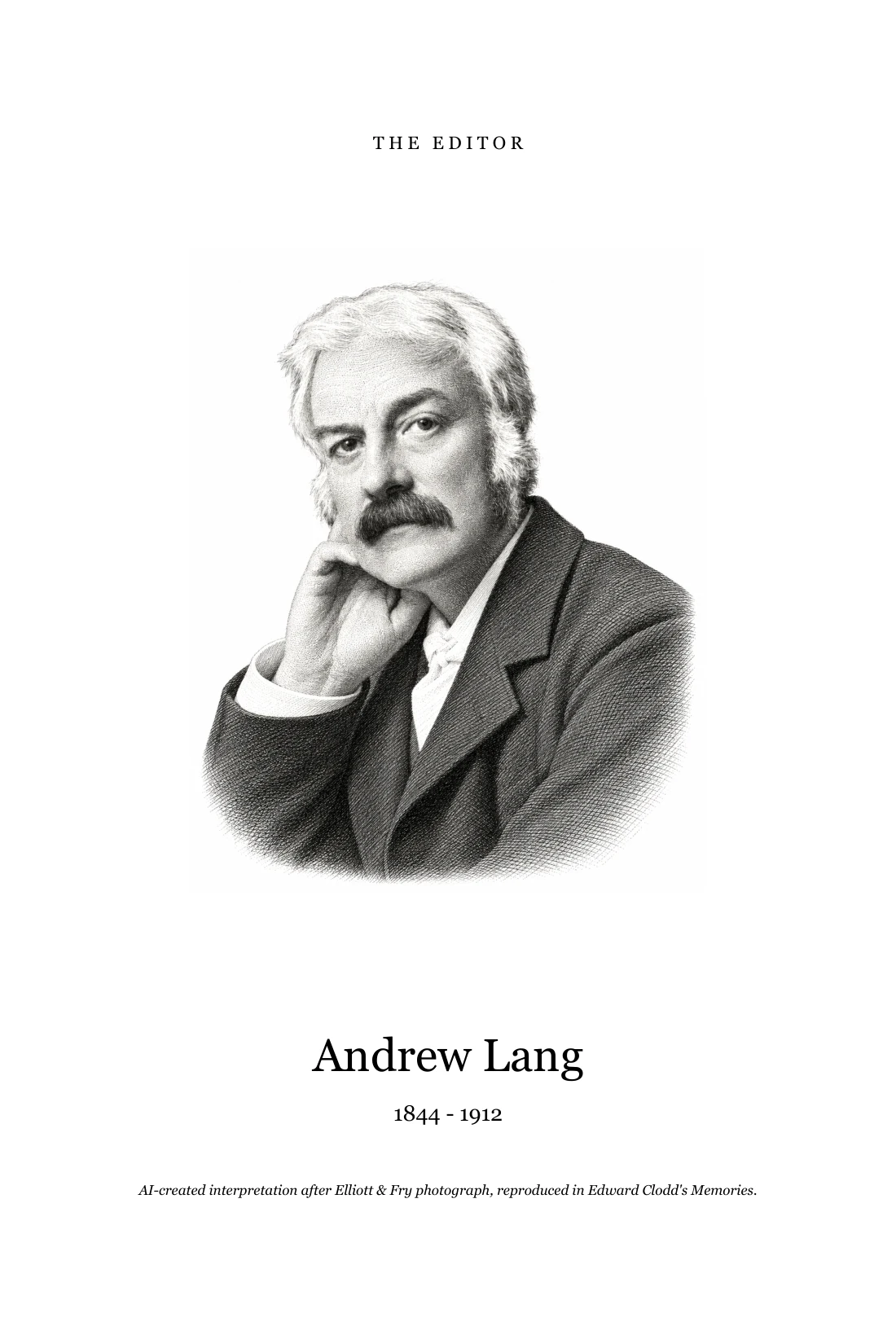
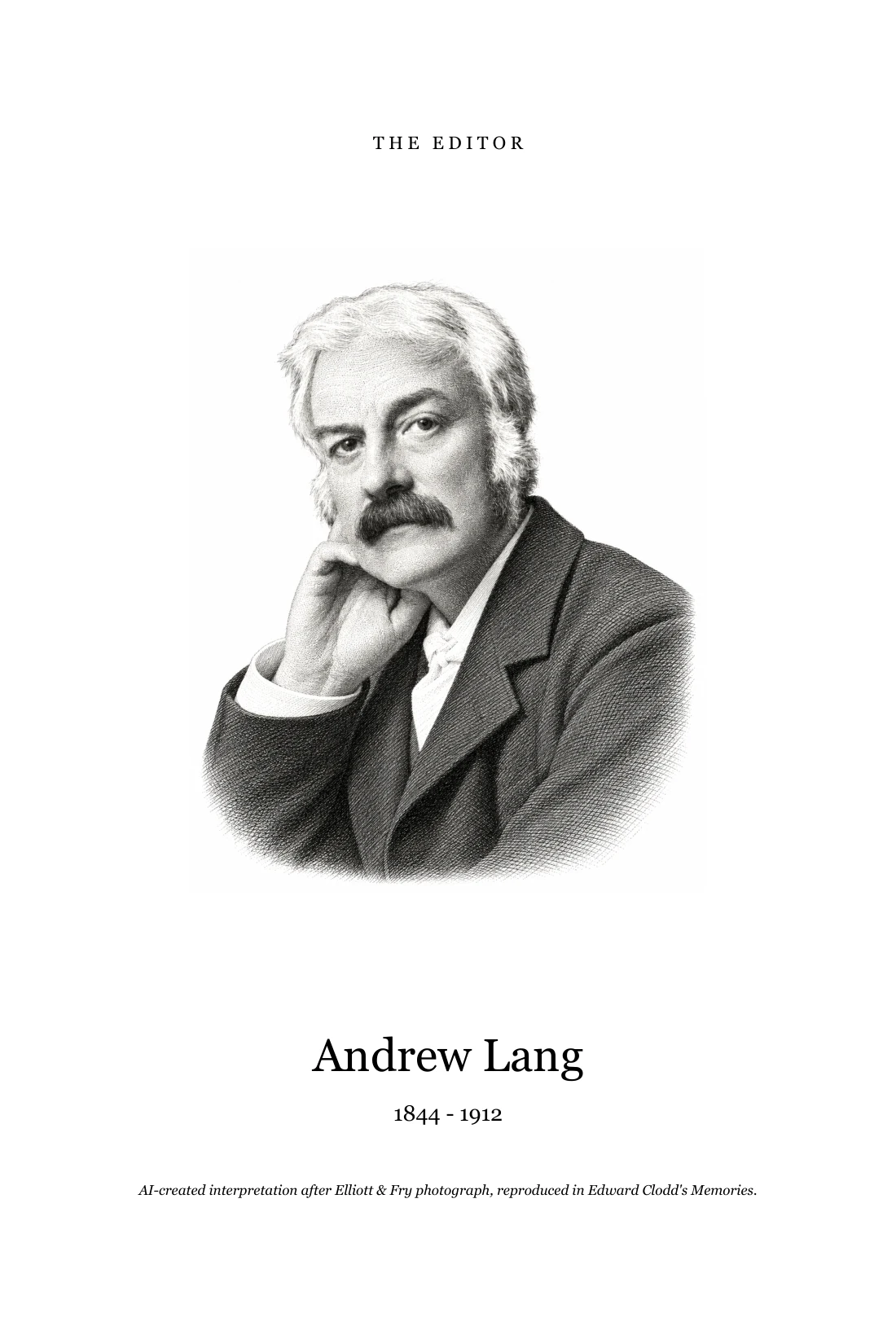
If you grew up with Cinderella, Rumpelstiltskin or East of the Sun and West of the Moon, there is a fair chance the version you know passed through one of Andrew Lang’s fairy books. Between 1889 and 1910 Lang edited twelve of them, each named for a colour, and together they became the great fairy-tale library of the English-speaking nursery.
The twelve, in order, are the Blue, Red, Green, Yellow, Pink, Grey, Violet, Crimson, Brown, Orange, Olive and Lilac Fairy Books. They do not need to be read in sequence, but there is a gentle logic to the order: the early books gather the most famous European tales, and the later ones travel further and further afield.
The Andrew Lang fairy books in order
- $18.99
The Blue Fairy Book
1889. The first and most famous, full of tales almost everyone knows: Cinderella, Aladdin, Beauty and the Beast, Puss in Boots and many more.
- $17.99
The Red Fairy Book
1890. More familiar favourites, including Jack and the Beanstalk and Rapunzel, alongside a retelling of the Norse story of Sigurd.
- $17.99
The Green Fairy Book
1892. Lang suggested in his preface that this would probably be the last. Readers disagreed, and the series continued.
- $16.99
The Yellow Fairy Book
1894. The fourth book, drawing on a wide range of European sources and a few literary tales alongside the folk stories.
- $15.99
The Pink Fairy Book
1897. A deliberately wide-ranging collection, with tales from Japan alongside Scandinavian and other European stories.
- $15.99
The Grey Fairy Book
1900. The first of the twentieth-century colours, with tales gathered from across Europe and beyond.
- $16.99
The Violet Fairy Book
1901. Tales from a wide spread of countries, including several from Eastern Europe.
- $15.99
The Crimson Fairy Book
1903. The eighth colour, drawn largely from European folk traditions.
- $15.99
The Brown Fairy Book
1904. Ranges well beyond Europe, gathering tales from several continents.
- $15.99
The Orange Fairy Book
1906. Another globe-spanning gathering, with stories from many different peoples.
- $14.99
The Olive Fairy Book
1907. Many of its tales come from beyond Europe, including Asia and the Middle East.
- $15.99
The Lilac Fairy Book
1910. The last of the twelve. Lang’s preface takes stock of the series and of the many hands that made it.



Who actually wrote the Lang fairy books?
Lang chose the tales, wrote the prefaces and lent the books his name, but the retelling was a family and team effort. His wife, Leonora Blanche Lang, translated and adapted a great many of the stories, and in his later prefaces Lang acknowledged that the books were largely her work. Other translators, many of them women, contributed too, working from French, German, Scandinavian and other sources.
Lang also made clear that he had not invented any of the stories himself. He thought of the books as a way of handing on tales that already existed, often in collections that English-speaking children could not read. For more on the people who first gathered these stories, see who collected the fairy tales?
Which Lang fairy book should you start with?
Start with The Blue Fairy Book. It holds the greatest concentration of famous tales, and it is the book that made the series. If you are reading aloud, it is a natural first choice: most of the stories are short, and children will recognise many of them.
The Red Fairy Book is the obvious second step. After that, choose by mood. The later books are less familiar and in some ways more rewarding, because they are full of stories most readers have never heard, from a far wider world than the Blue book’s.

Are the stories the original versions?
Not quite. Lang’s translators softened some of the harsher details for Victorian children, and they occasionally tidied plots and endings. They are still a good deal closer to their sources than most modern picture-book retellings, and some of the darker elements remain. If you are curious how much was softened over time, read Did you know the original fairy tales were darker?
The books also reflect their period. A few tales carry the stereotypes of the cultures they came from or the era they were translated in, and some retellings flatten very different traditions into the same nursery style. Most readers find them charming regardless, but a parent reading aloud may want to skim ahead.
How to read them
These are dipping books. Nobody needs to read all twelve in order, and few people ever have. Keep one by the bed, read a tale a night, and move to a new colour when you have found your favourites. For more ideas, see our list of classic bedtime stories to read aloud.
Wherever you go next, begin with the colour that started it all. The Blue Fairy Book has been opening children’s eyes to wonder since 1889, and it has not lost the knack.
Questions readers ask
How many Andrew Lang fairy books are there?
There are twelve coloured fairy books, published between 1889 and 1910: Blue, Red, Green, Yellow, Pink, Grey, Violet, Crimson, Brown, Orange, Olive and Lilac.
What order are the Andrew Lang fairy books in?
Blue (1889), Red (1890), Green (1892), Yellow (1894), Pink (1897), Grey (1900), Violet (1901), Crimson (1903), Brown (1904), Orange (1906), Olive (1907) and Lilac (1910).
Did Andrew Lang write the fairy tales himself?
No. Lang selected and edited the tales, which came from many published sources. His wife, Leonora, and a team of translators did much of the retelling.
Which Andrew Lang fairy book is best for children?
The Blue Fairy Book is the best start, because it contains the most familiar tales. The Red Fairy Book makes an ideal follow-up.