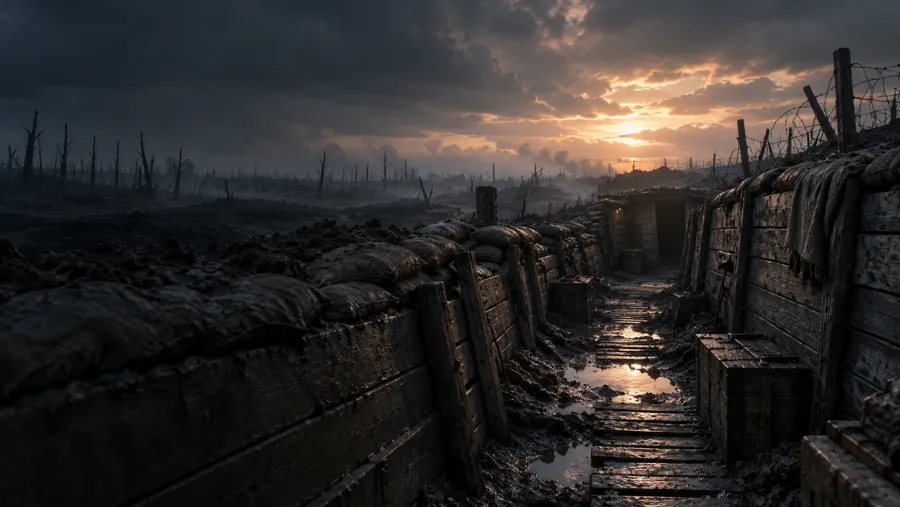
War has been literature’s subject since the beginning; one of the oldest stories in Western literature begins with a quarrel in an army camp. But the classic war novel as we know it — told from the ground, by an ordinary soldier, with the glory stripped away — took shape in the late nineteenth century and came of age after the First World War, when a generation of survivors tried to describe what they had seen.
This list gathers eleven classic war novels and books, from ancient Troy to the American Civil War and the Western Front. We have included stories of the front line and of the home front, a thriller and a nurse’s memoir, because war fiction is wider than the trenches. Some are harrowing; we note which.
Classic war novels of the First World War
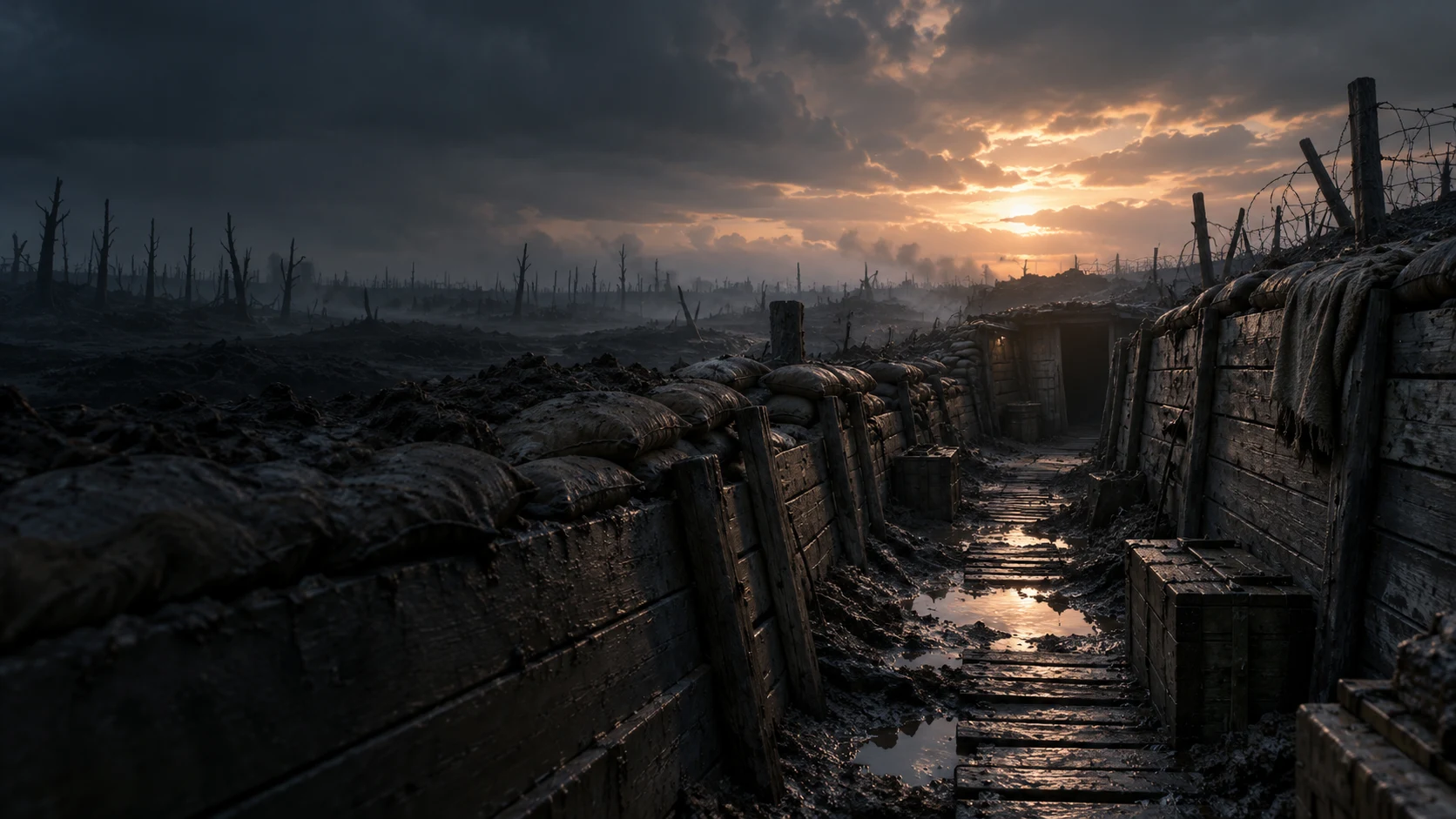
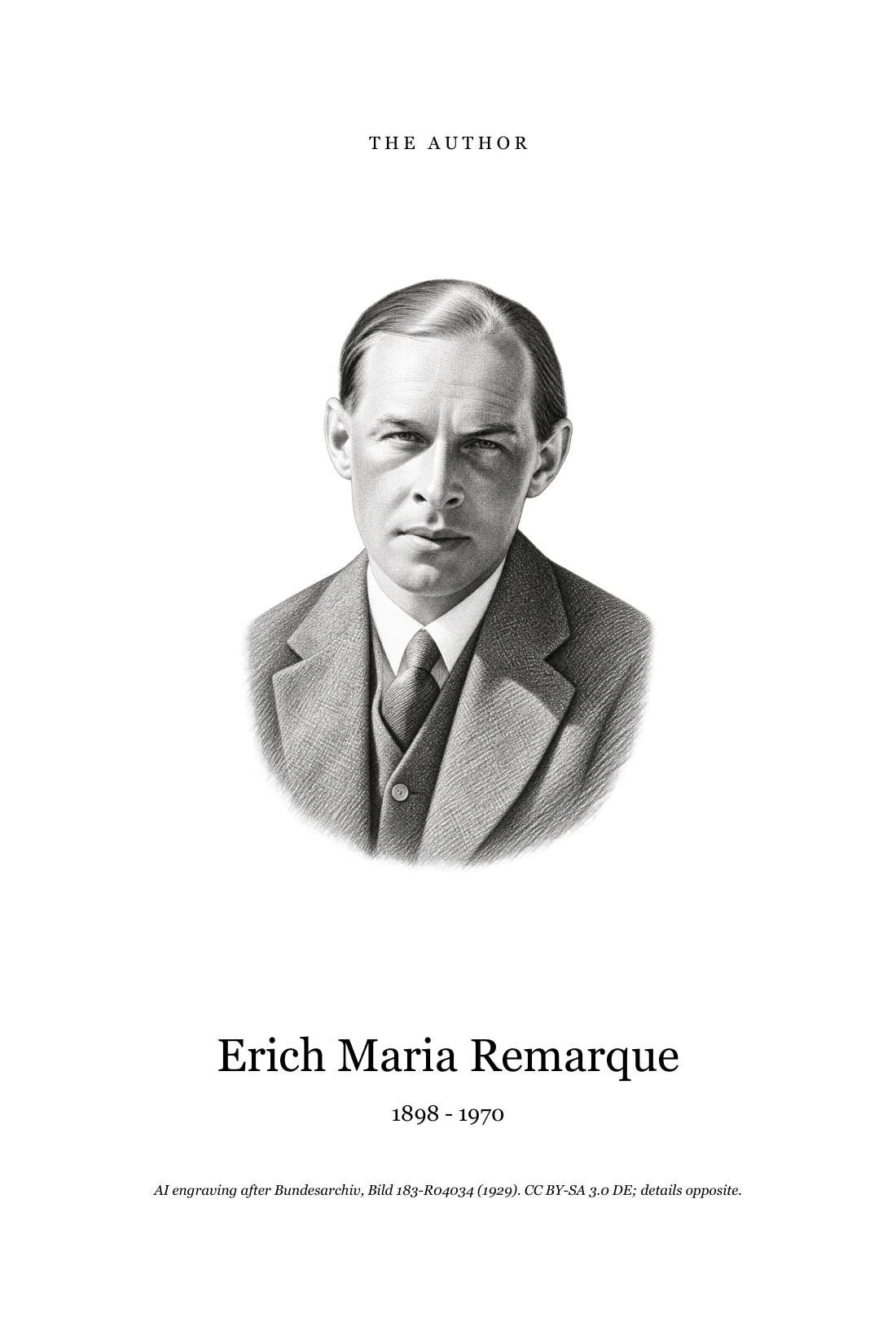
All quiet on the Western Front
1929. Paul Bäumer and his classmates go straight from school to the Western Front. Plain, devastating and perhaps the most famous anti-war novel ever written.
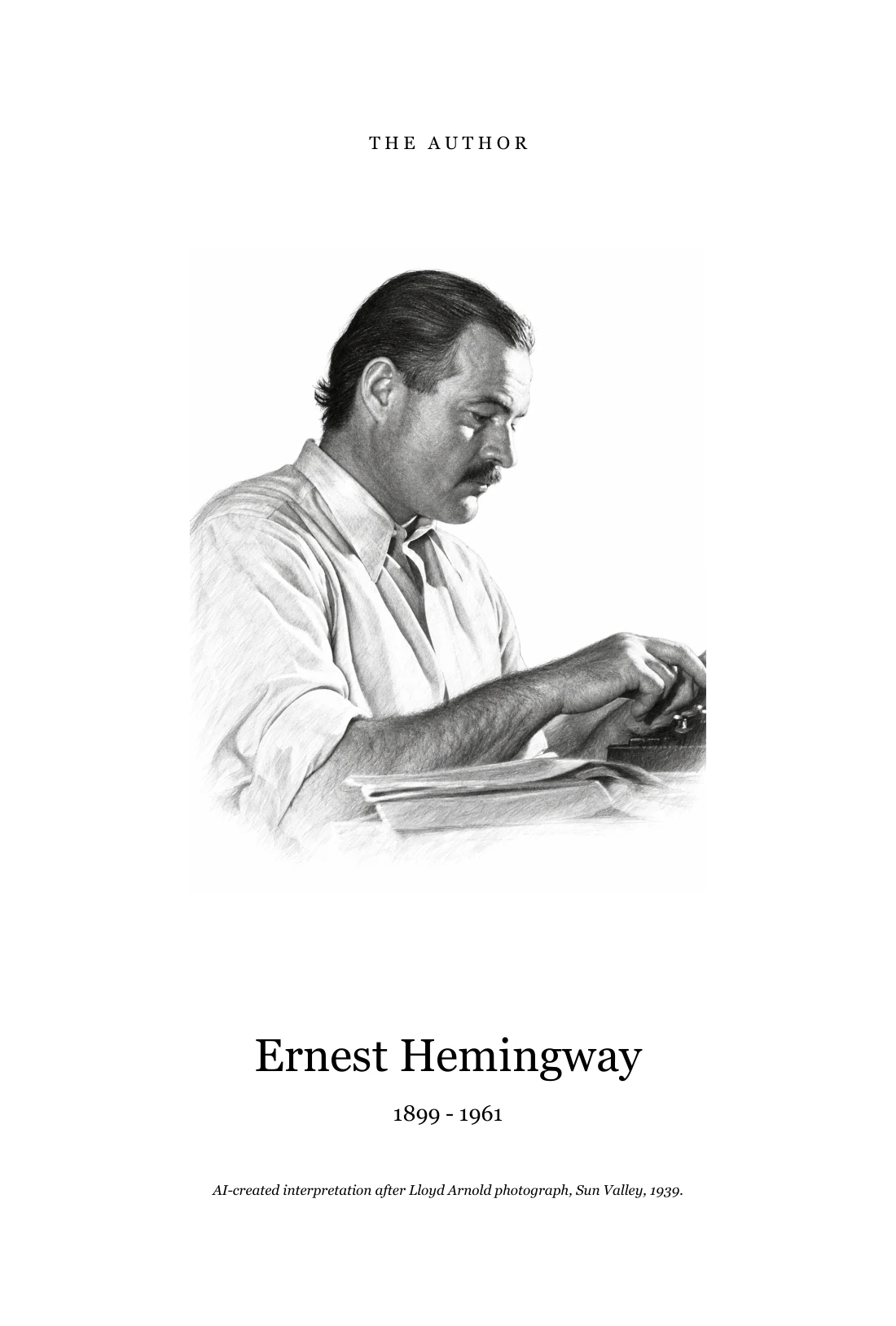
A Farewell to Arms
1929. An American ambulance officer on the Italian front falls in love with an English nurse, and tries to make a separate peace. Hemingway drew on his own wounding in Italy in 1918.
One of Ours
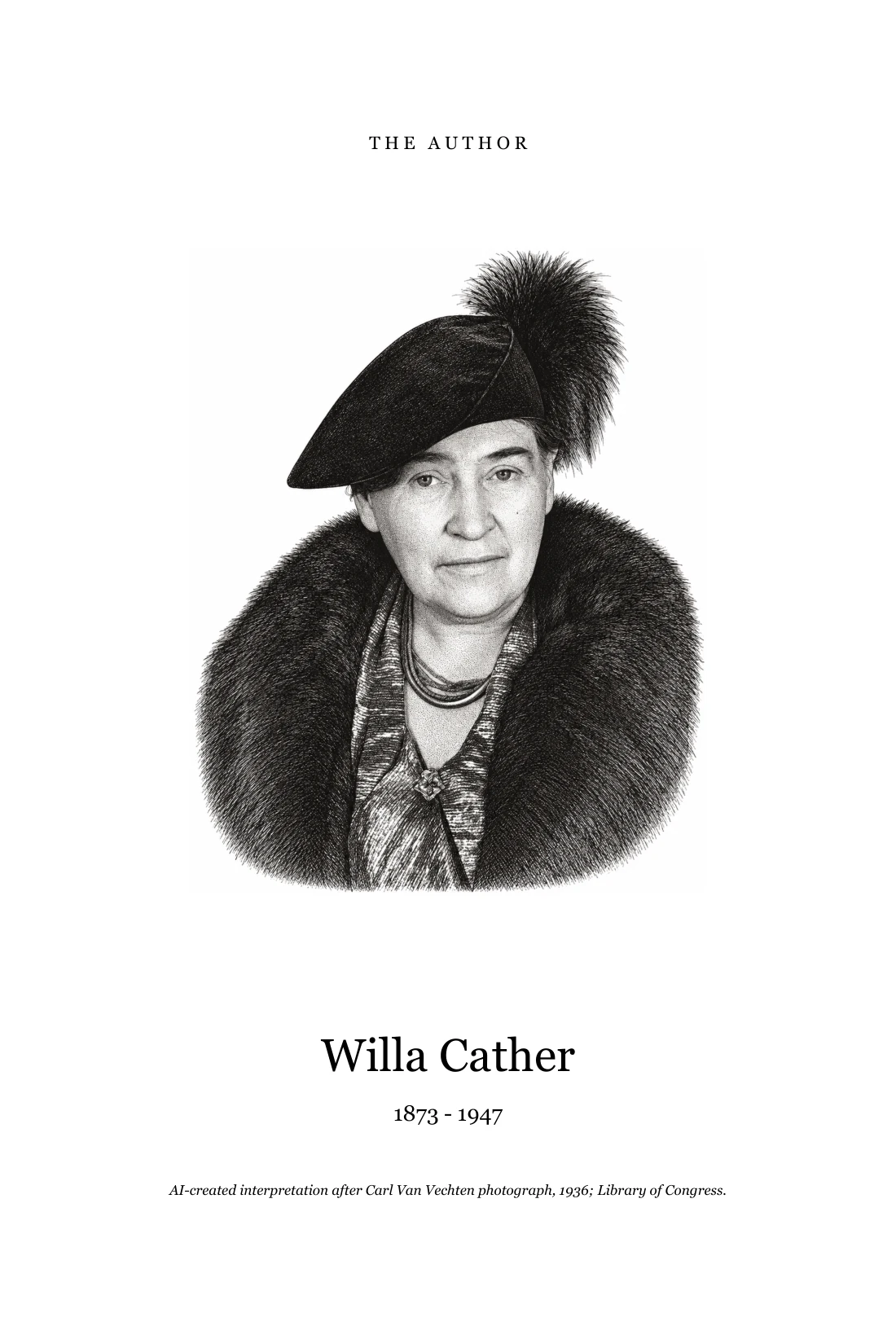
1922. A restless Nebraska farm boy finds a sense of purpose for the first time when he enlists and sails for France. Willa Cather won the Pulitzer Prize for it.


We tell that story in Did you know All Quiet on the Western Front was burned by the Nazis? Cather’s novel was inspired by a cousin of hers who was killed in France in 1918, and it divided critics on publication; Hemingway was among those who disliked it.
The home front and the aftermath
Some of the most moving war novels never go near a battle. They are about waiting, and about coming home.
Rilla of Ingleside
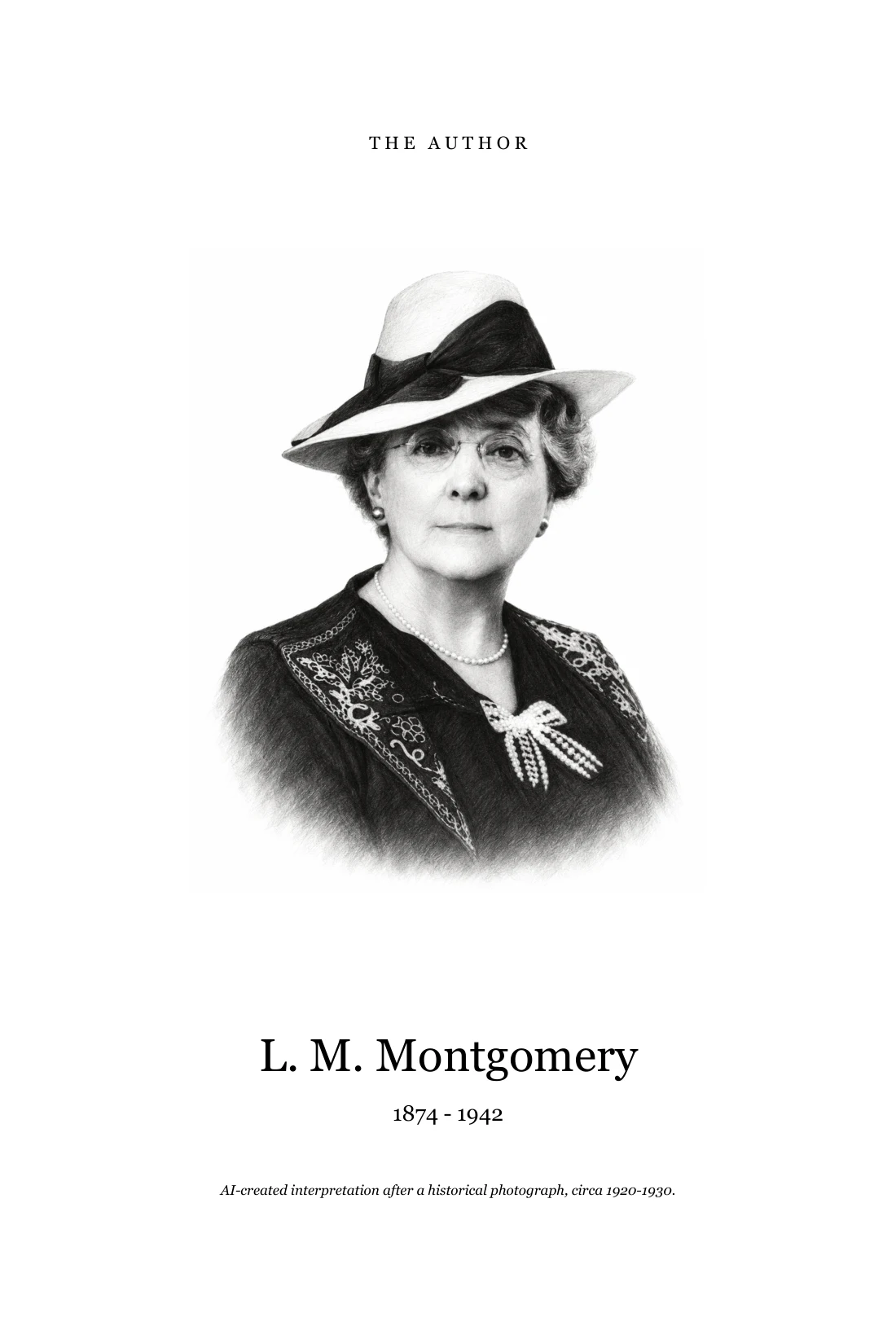
1921. Anne Shirley’s youngest daughter grows up fast as her brothers go to war and her Canadian village waits for news. A rare novel of the First World War home front, and one of L. M. Montgomery’s best.
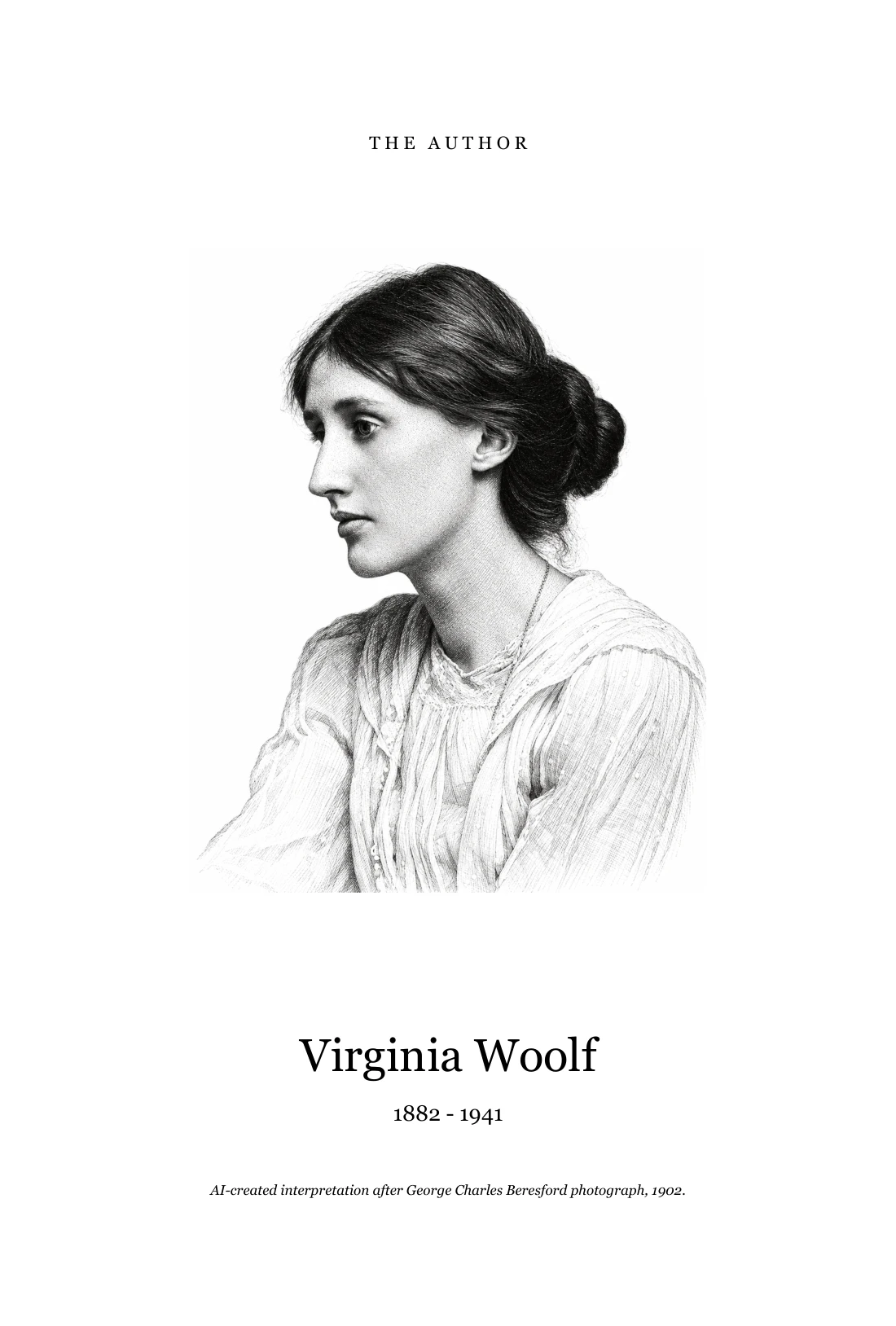
Mrs. Dalloway
1925. One June day in London, as a society hostess prepares for a party, a shell-shocked veteran sits in a park and struggles with what he saw. Virginia Woolf’s portrait of a city still haunted by the war.


The American Civil War
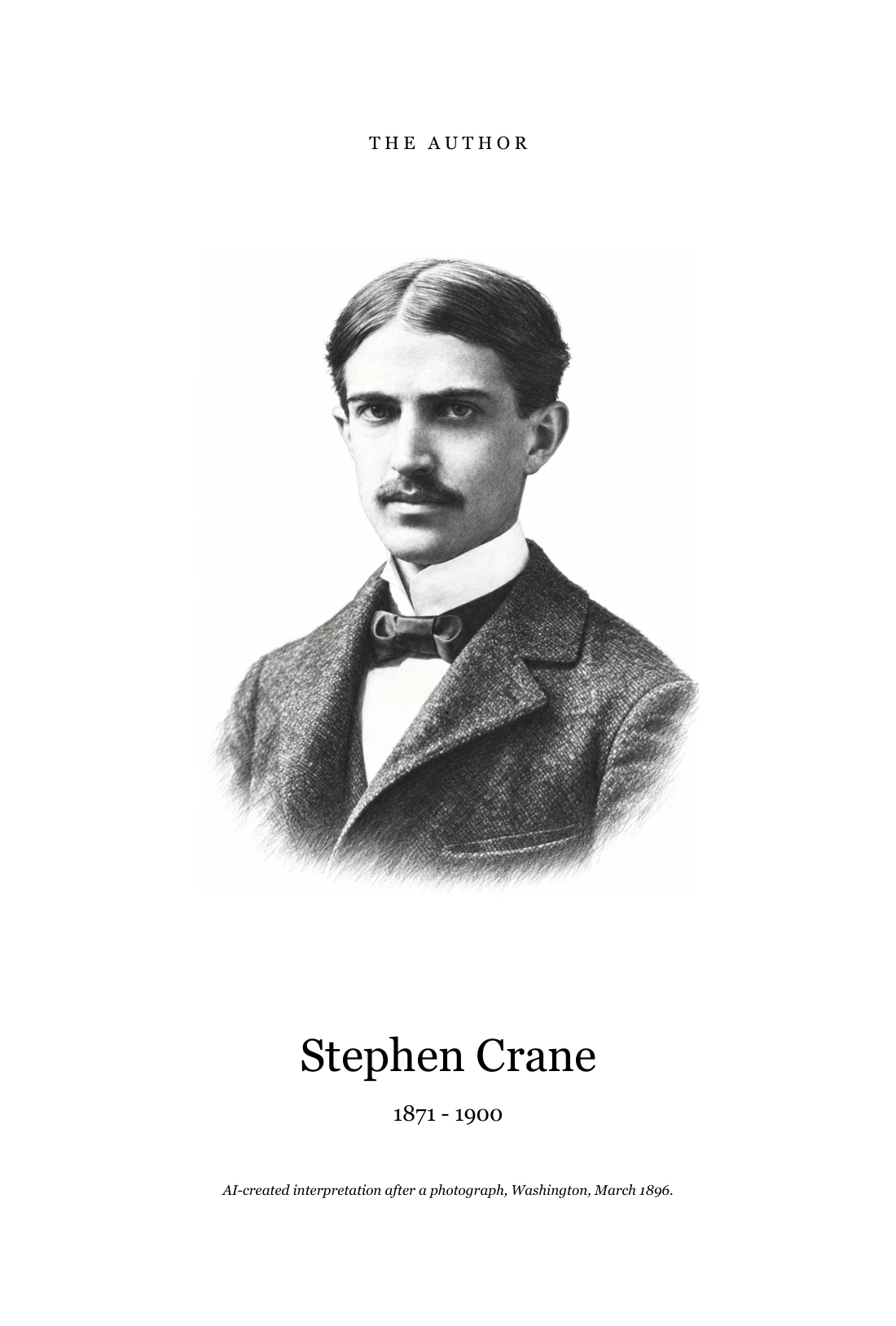
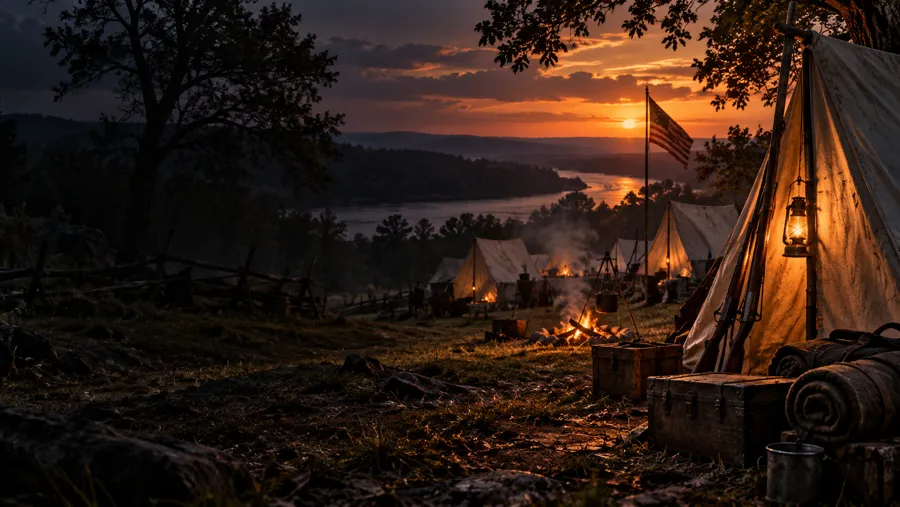
The Red Badge of Courage
1895. A young Union recruit runs from his first battle and spends the rest of the book trying to understand his own courage. Short, vivid and psychologically acute.
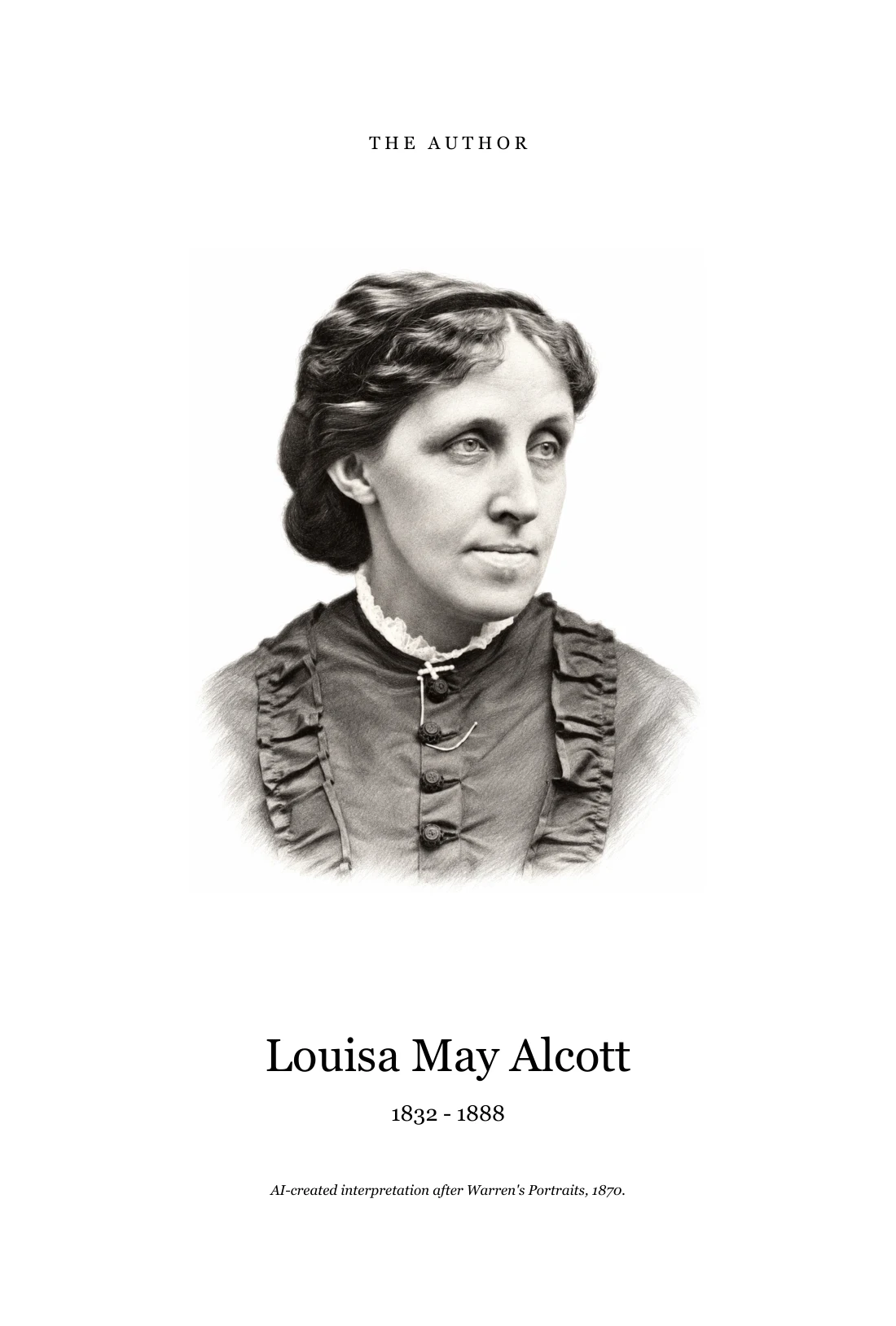
Hospital Sketches
1863. Louisa May Alcott’s sketches of her weeks as a nurse in a Union hospital in Washington, written five years before Little Women. Witty, compassionate and true.


Stephen Crane was born six years after the Civil War ended and had never seen a battle when he wrote The Red Badge of Courage; veterans were said to be astonished by its accuracy. Read more in Did you know Stephen Crane never saw a war?
War as adventure
Not every classic war novel is an anti-war novel. These two treat war as the backdrop for a thrilling story, though both have dark edges.
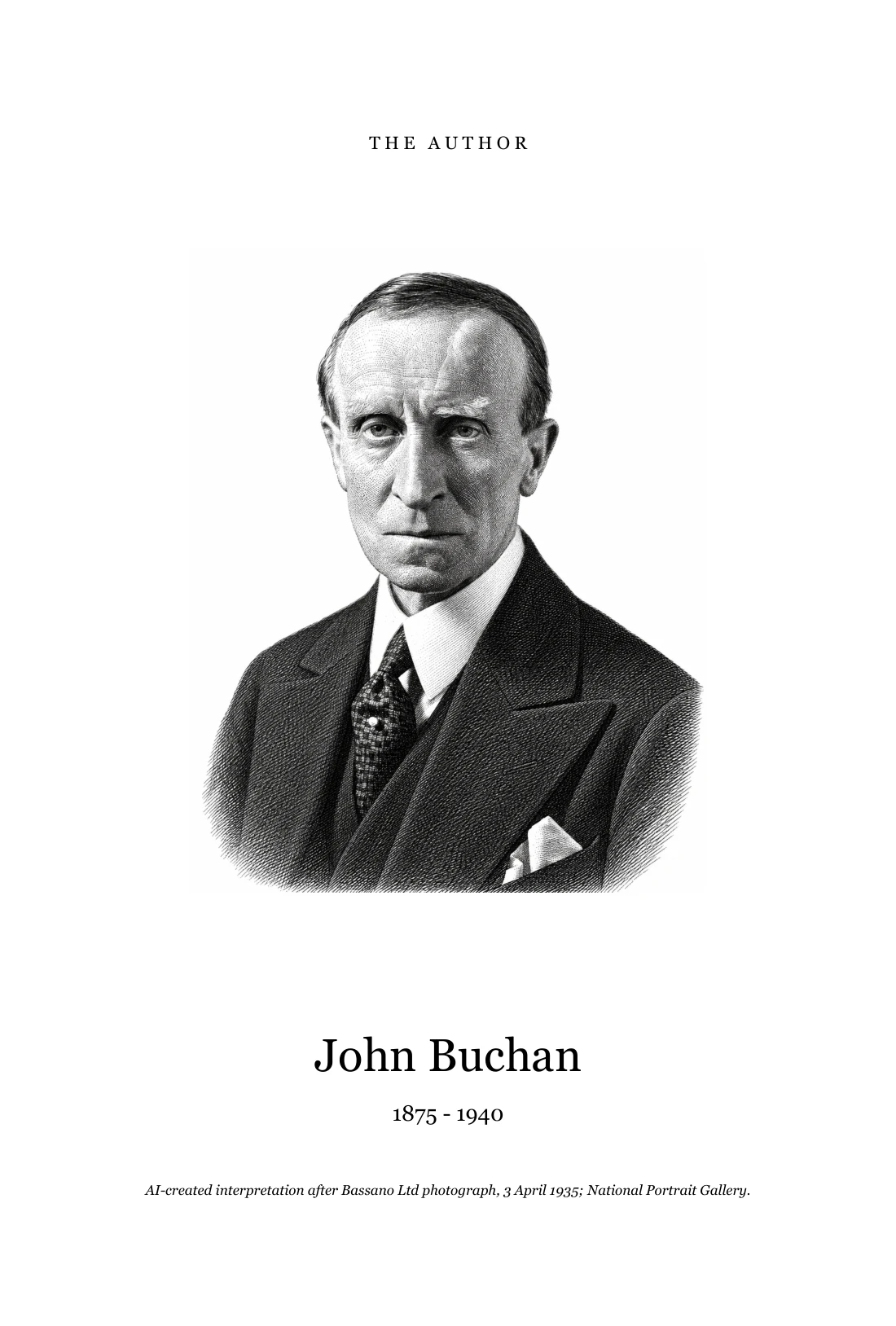
Greenmantle
1916. Richard Hannay is sent across wartime Europe to uncover a plot that could set the Middle East ablaze. Written during the war it describes, by a writer who worked in intelligence and propaganda.
The Four Feathers
1902. A young officer resigns his commission on the eve of a campaign in the Sudan and receives four white feathers for cowardice. He sets out to return each one.


For the full Hannay series, see The Richard Hannay books in order. The Four Feathers, like many imperial adventures, reflects the attitudes of its time towards the Sudan and its people.
The oldest war stories
The Iliad
Achilles’ quarrel with Agamemnon in the final year of the Trojan War, and its terrible consequences. Still the most unflinching war poem ever composed.
The Last of the Mohicans
1826. Two sisters, a British officer and the scout Hawkeye travel through the forests of the French and Indian War, during the siege of Fort William Henry. Exciting, but its portrayal of Native Americans is of its time.


Which classic war novel should I read first?
If you read only one, make it All Quiet on the Western Front. It is short, direct and as powerful now as it was in 1929. If you want a story you can finish in a day, choose The Red Badge of Courage. For something gentler that still breaks your heart, read Rilla of Ingleside. And if you would rather have an adventure with the war at its back, Greenmantle is a cracking read.
Poetry tells this story too. Rupert Brooke’s war sonnets and The Waste Land appear in our list of classic poetry collections. But begin with Paul Bäumer and his friends, sitting behind the lines with full stomachs for once, on a quiet day at the front.
Questions readers ask
What is the most famous war novel?
All Quiet on the Western Front by Erich Maria Remarque (1929) is the most famous war novel, and perhaps the most famous anti-war novel. The Red Badge of Courage and A Farewell to Arms are close behind.
What are the best classic war novels about the First World War?
All Quiet on the Western Front, A Farewell to Arms and Willa Cather’s One of Ours are classic First World War novels. Rilla of Ingleside and Mrs Dalloway show the war’s effects at home.
Did Stephen Crane fight in the Civil War?
No. Crane was born in 1871, six years after the war ended, and wrote The Red Badge of Courage from his reading and imagination.