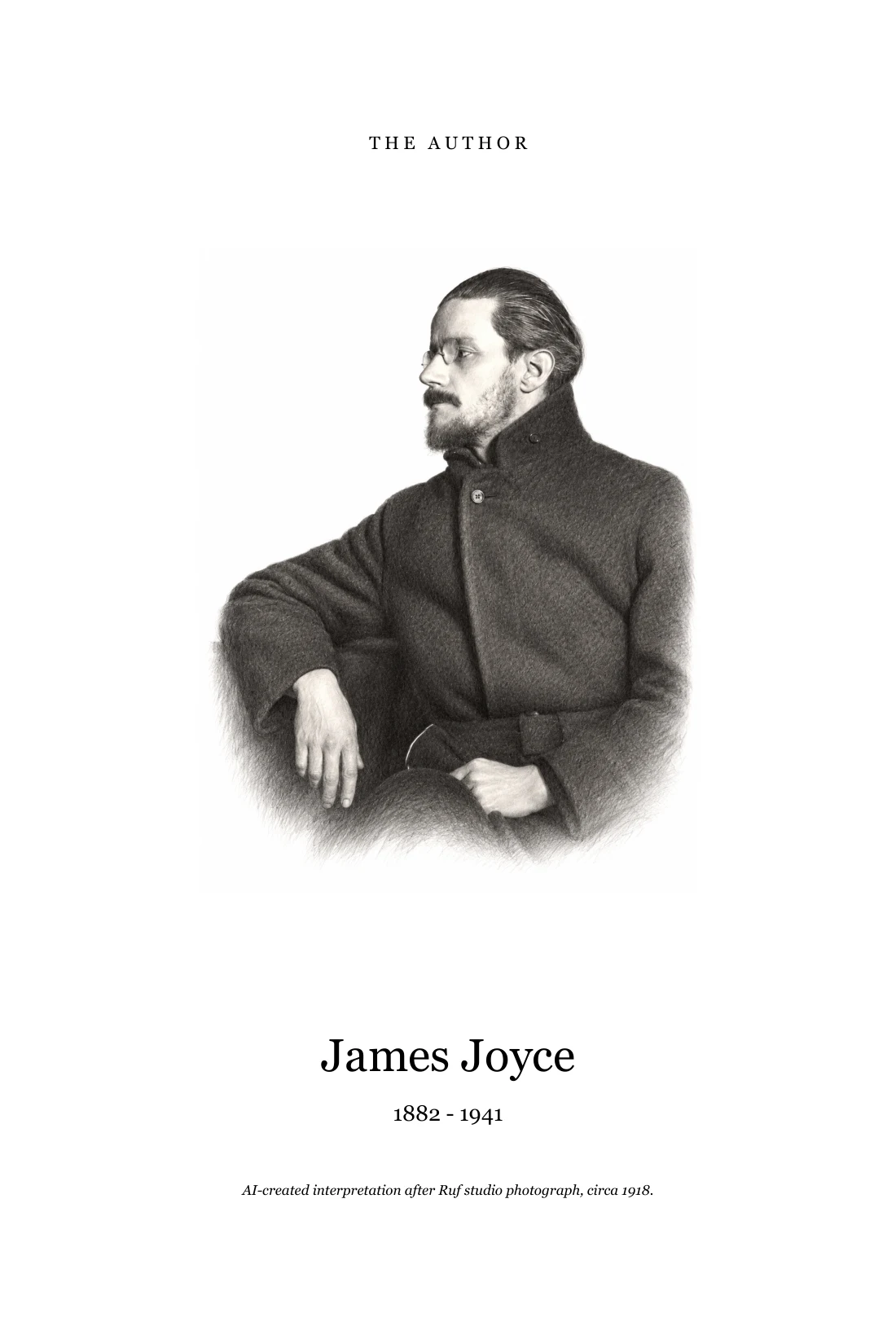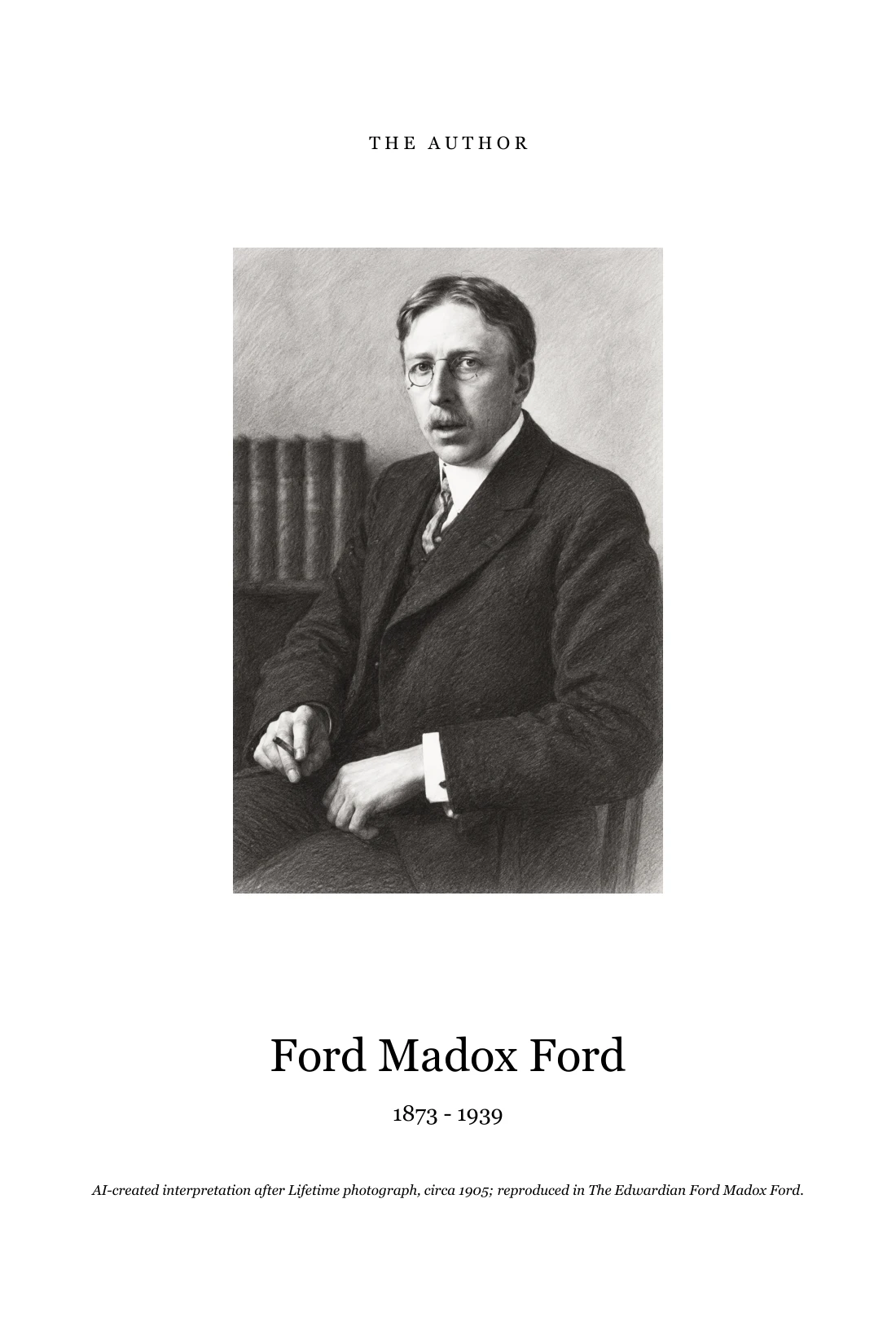
Ford Madox Ford wanted to call his 1915 novel The Saddest Story. His publisher, with Britain newly at war, asked for something else, and Ford suggested The Good Soldier, apparently in sarcasm. The title changed; the first sentence did not. It still opens the book like a confession overheard in a hotel lounge: “This is the saddest story I have ever heard.”
That is the trick of the best first lines in books. They are rarely the most beautiful sentences in the novel. They are the ones that set the terms. Below are the openings we would put at the top of any list, each copied word for word from the text, with a note on what it is quietly doing.
The best first lines in books, and why they work
It is a truth universally acknowledged, that a single man in possession of a good fortune must be in want of a wife.
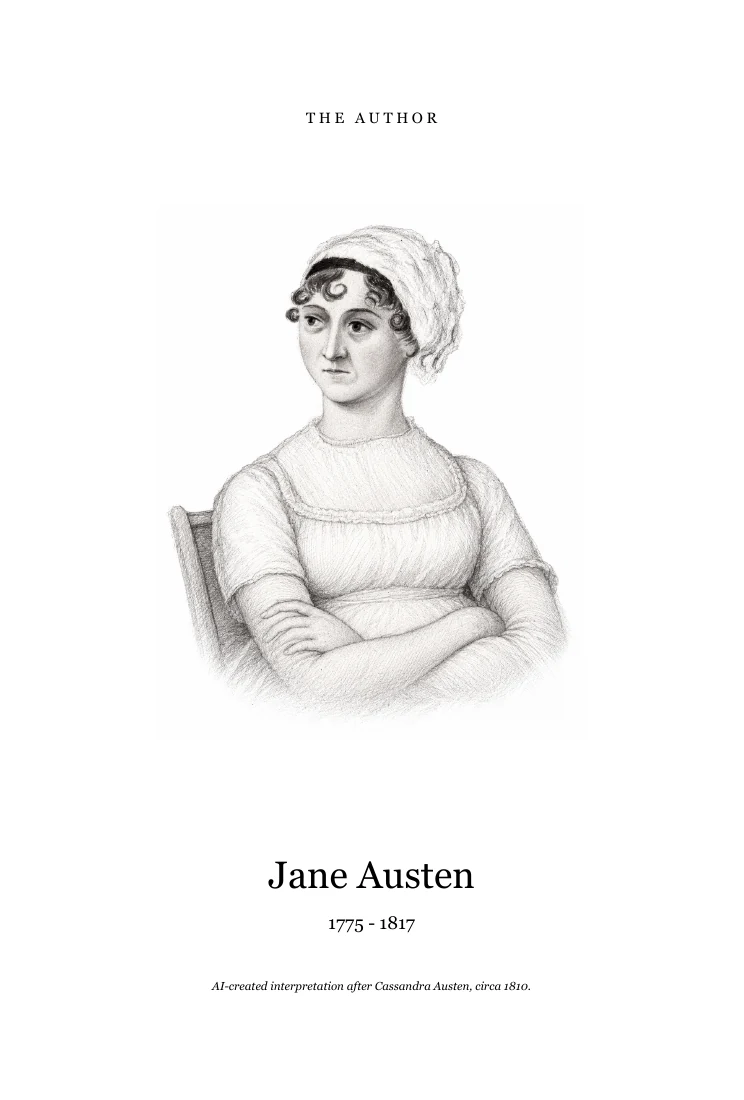
Jane Austen, Pride and Prejudice (1813)
People quote this as if it were wisdom. It is a joke, and the punchline arrives in the very next sentence, where the “truth” turns out to be fixed only “in the minds of the surrounding families”, who regard any rich newcomer as “the rightful property of some one or other of their daughters.” In two sentences Jane Austen has told you that this book will say one thing and mean another, and that you are being trusted to notice.
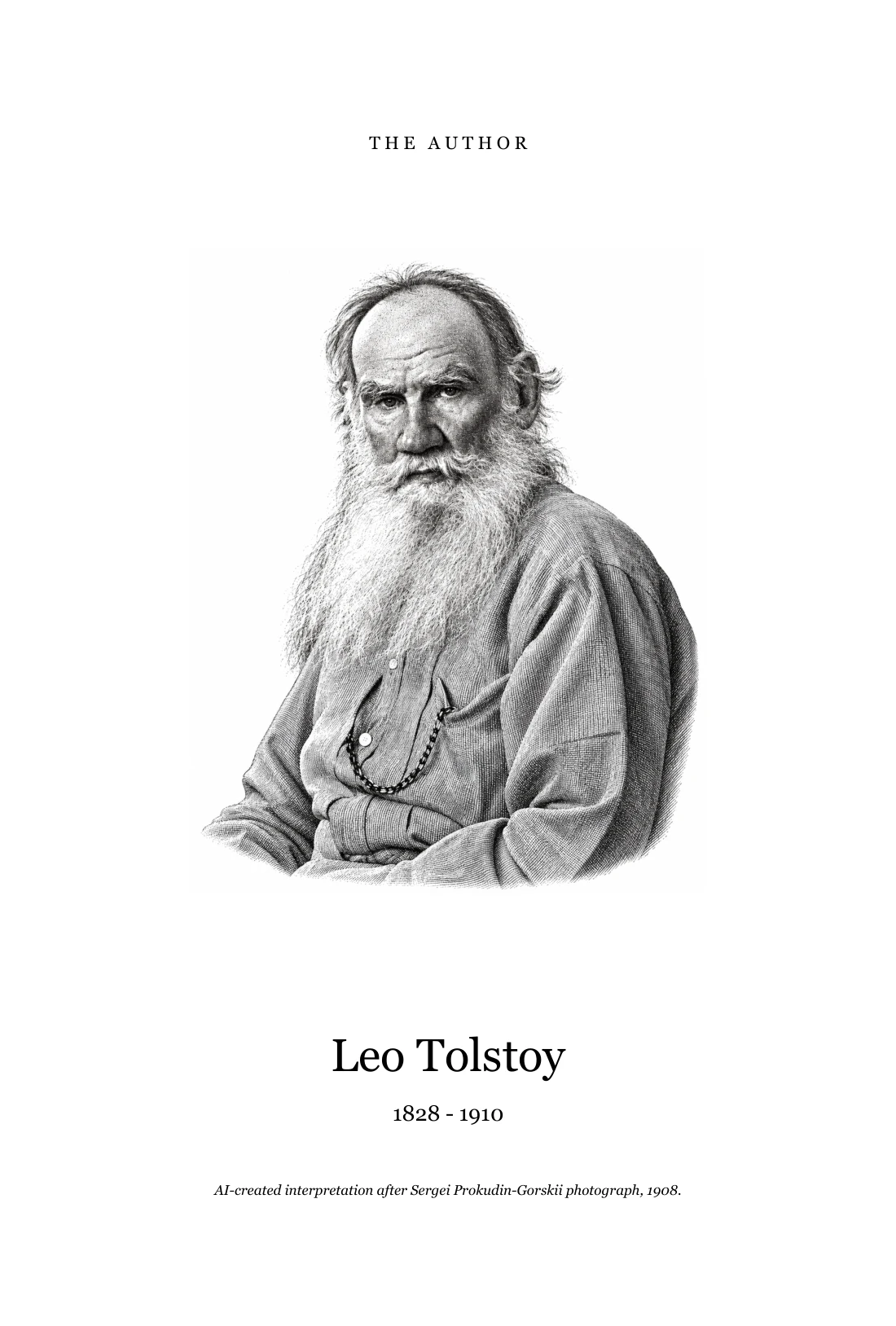
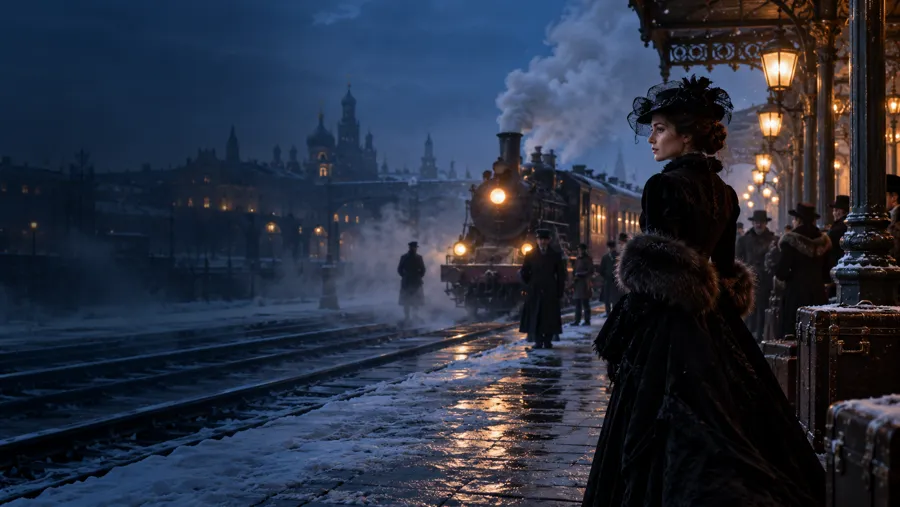
Happy families are all alike; every unhappy family is unhappy in its own way.
Leo Tolstoy, Anna Karenina, translated by Constance Garnett
Leo Tolstoy’s opening sounds like a proverb, but it works as a promise of scale. He will not give you one unhappy family but several, set side by side, and the novel’s first scene is not even about Anna: it is her brother’s household, thrown into chaos because he has been caught with the governess.
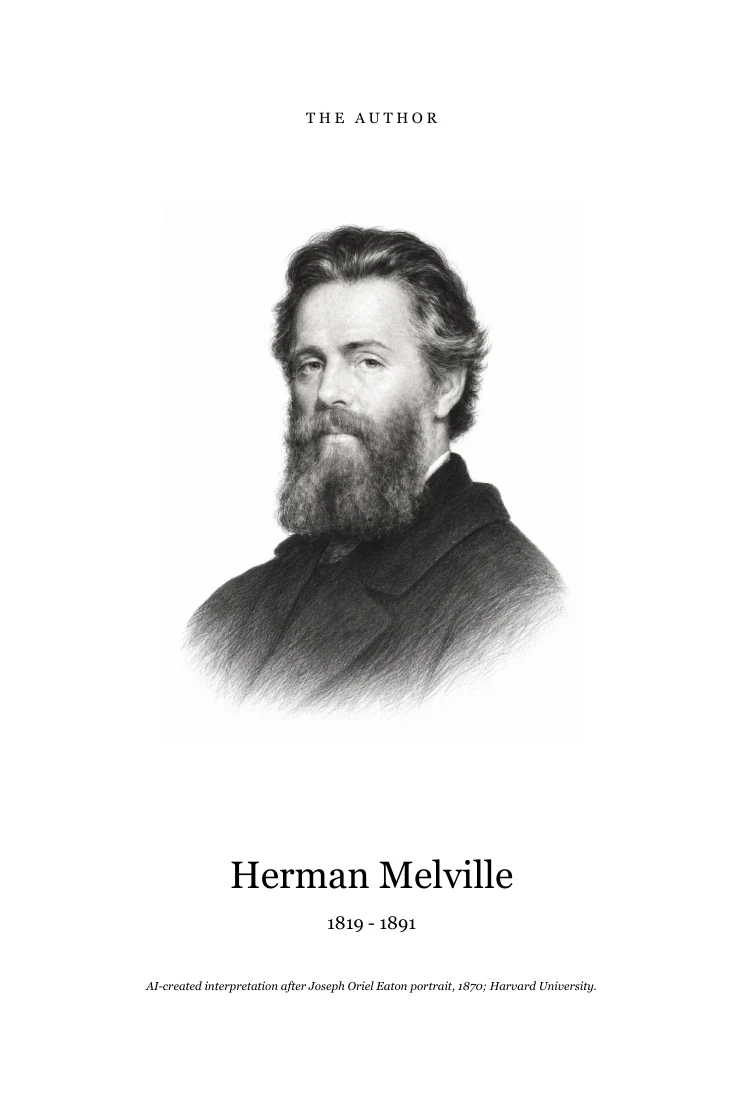
Call me Ishmael.
Herman Melville, Moby-Dick (1851)
Three words, and the most famous of them is a dodge. “Call me” is not quite “my name is”. The narrator of Herman Melville’s whale epic may or may not be telling the truth, and the sentence that follows — “Some years ago—never mind how long precisely” — keeps him slippery. He goes to sea, he tells us, as his substitute for “pistol and ball”.
It was the best of times, it was the worst of times, it was the age of wisdom, it was the age of foolishness…
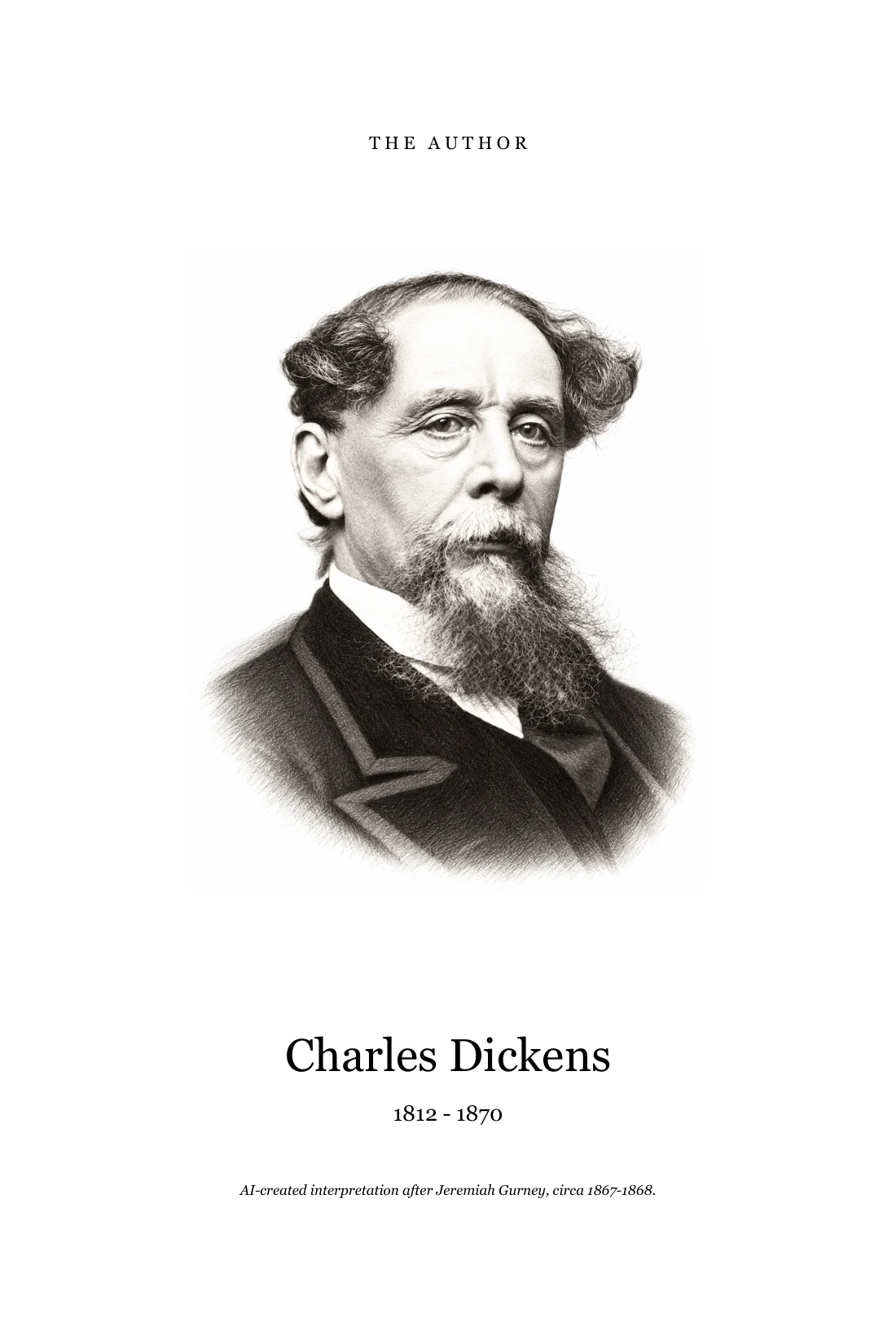
Charles Dickens, A Tale of Two Cities (1859)
Most people stop after the first pair of clauses. Read on and the sentence keeps swinging between opposites for another hundred words before it lands on a sly joke: the period was so like the present that its “noisiest authorities” insisted on describing it only in superlatives. Charles Dickens is mocking exactly the kind of grand pronouncement that readers have since lifted out of his paragraph.
Openings that hand you a voice
Some of the finest openings are less a statement than an introduction to the person talking. You hear them before you know anything about them.
- Great Expectations: “My father’s family name being Pirrip, and my Christian name Philip, my infant tongue could make of both names nothing longer or more explicit than Pip.” A grown man remembering how small he once was; the novel lives in that gap.
- Adventures of Huckleberry Finn: “You don’t know about me without you have read a book by the name of The Adventures of Tom Sawyer; but that ain’t no matter.” Mark Twain hands the book to a boy who corrects Mark Twain in the second sentence.
- David Copperfield: “Whether I shall turn out to be the hero of my own life, or whether that station will be held by anybody else, these pages must show.” A narrator unsure of his own importance: the most likeable way to begin a memoir.
- Mrs. Dalloway: “Mrs. Dalloway said she would buy the flowers herself.” Nine plain words, and the book is already inside her head, catching the small independence of an errand.
Stately, plump Buck Mulligan came from the stairhead, bearing a bowl of lather on which a mirror and a razor lay crossed.
James Joyce, Ulysses (1922)
A famously daunting novel begins with a man about to shave. James Joyce sets the scene on the roof of a Martello tower at Sandycove, on the morning of 16 June 1904, and Mulligan’s mock Latin over his shaving bowl turns the bathroom ritual into a parody of the Mass. Our guide to how to read Ulysses picks up from there.
Openings that already know the ending
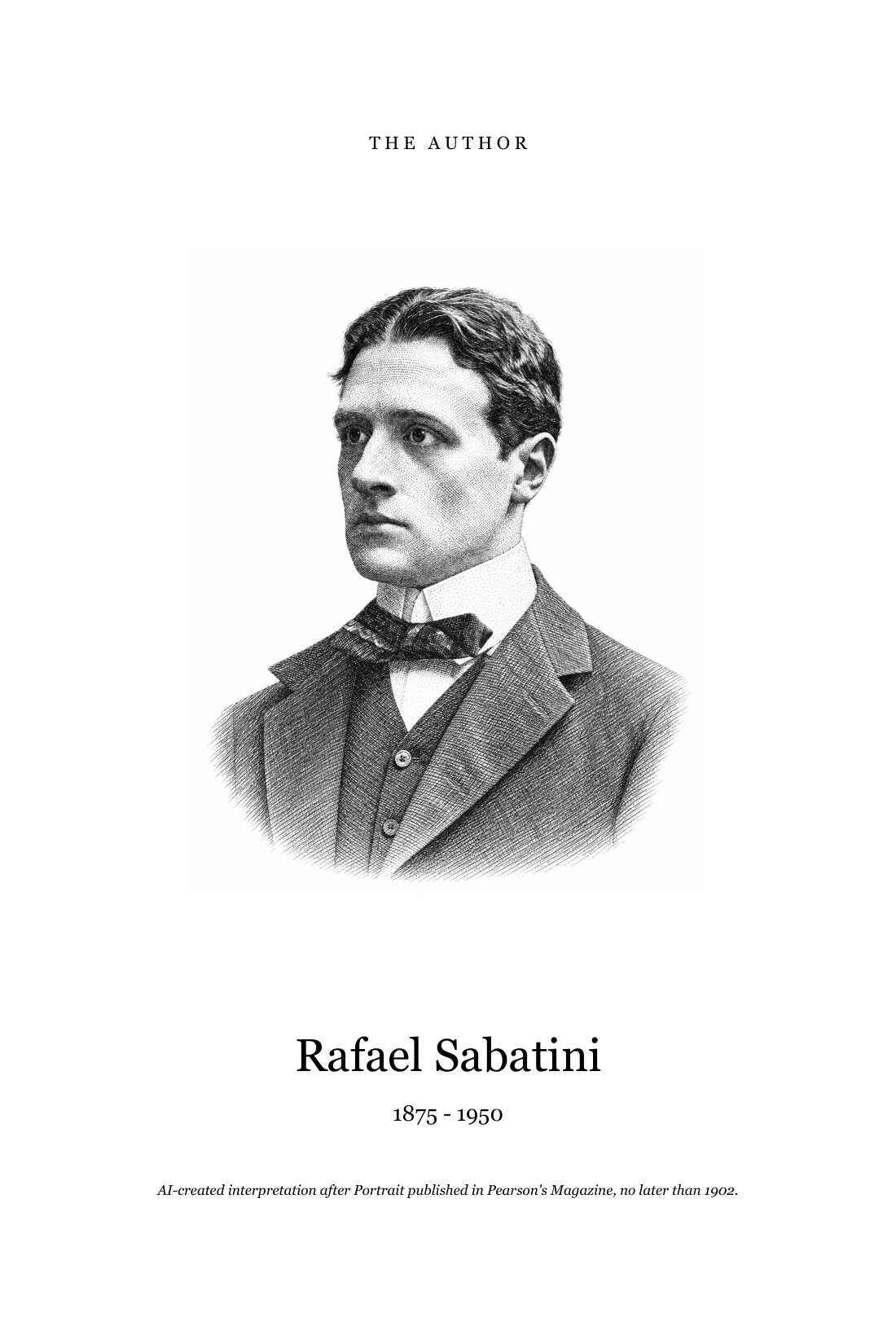
A few first lines carry the whole book folded inside them. Ford’s “saddest story” is one; you read on knowing that something has already gone wrong, and the pleasure lies in discovering how badly the narrator misread it. Rafael Sabatini’s Scaramouche is another: “He was born with a gift of laughter and a sense that the world was mad.” The line is inscribed on Sabatini’s gravestone in Switzerland, and carved into an archway at Yale.
The books behind the lines
Pride and Prejudice
1813. Austen first called it First Impressions. The opening sentence is a decoy: the book is about two people who are wrong about each other, and the comedy of finding out.
Anna Karenina
Serialised in The Russian Messenger from 1875, completed as a book in 1878. Two stories run side by side, Anna’s and Levin’s, and the famous first line explains why.
Moby-Dick
1851. First published in London as The Whale. Ishmael’s voice carries you through the whaling lore as well as the chase.
A Tale of Two Cities
1859. Serialised weekly in Dickens’s own magazine, All the Year Round. The opening is a balance of opposites, and so is the plot, which shuttles between London and Paris.
Great Expectations
Serialised from December 1860. Pip on the marshes, about to meet a convict among the graves: perhaps the best first chapter Dickens wrote.
Ulysses
Published in Paris on 2 February 1922, Joyce’s fortieth birthday. One Dublin day, starting with a razor and a bowl of lather.
The Good Soldier
1915. An American narrator pieces together nine years of friendship he never understood. The opening is the only thing in the book he gets entirely right.
Scaramouche
A swashbuckler of the French Revolution whose hero, trained as a lawyer, hides from the law on stage as a commedia clown. The opening line became its author’s epitaph.


What makes a great first line?
Look across these and a pattern appears. Hardly any of them describe weather, scenery or backstory. They either make a claim the book will test (Austen, Tolstoy, Dickens), introduce a voice you will live with for hundreds of pages (Melville, Twain, Woolf), or start mid-action with complete confidence that you will keep up (Joyce). The worst openings explain; the best ones assume.
If you want to see how much a single sentence can carry, read the first chapter of Pride and Prejudice and stop. Austen introduces a marriage, a rumour and a whole neighbourhood in the time it takes to make tea. For more on how the novel came to be, see Did you know Pride and Prejudice was first called First Impressions?, and if you want other places to start, try our guide to getting into classic literature.
Questions readers ask
What is the most famous first line in a book?
“It is a truth universally acknowledged, that a single man in possession of a good fortune must be in want of a wife,” from Pride and Prejudice, is among the most widely quoted, alongside “Call me Ishmael” from Moby-Dick and “It was the best of times, it was the worst of times” from A Tale of Two Cities.
What are the best first lines in books?
Classic favourites include the openings of Pride and Prejudice, Anna Karenina, Moby-Dick, A Tale of Two Cities, Mrs. Dalloway and The Good Soldier. Each sets out the tone or the central question of its book in a single sentence.
What is the opening line of Anna Karenina?
In Constance Garnett’s translation it reads: “Happy families are all alike; every unhappy family is unhappy in its own way.” Other translators word it slightly differently.