Paul Gauguin really was a stockbroker. He really did leave his wife and children to paint, and he really did end his life in the South Seas. But he did not do it the way Charles Strickland does in W. Somerset Maugham’s The Moon and Sixpence, which turns Gauguin’s story into a myth of genius as pure, ruthless appetite. Strickland is forty, a London broker with a comfortable family, when he walks out on all of it and tells the narrator why.
I tell you I’ve got to paint. I can’t help myself. When a man falls into the water it doesn’t matter how he swims, well or badly: he’s got to get out or else he’ll drown.
W. Somerset Maugham, The Moon and Sixpence (1919)
That compulsion is the subject of every great novel about an artist. German critics even have a word for the type, the Künstlerroman, or artist-novel: the story of how a writer, painter or musician comes to be. The four classics below are the best of them on our shelves, and they could hardly disagree more about whether the compulsion is a gift or a curse.
The best classic novels about artists
- $14.99
A Portrait of the Artist as a Young Man
1916. Stephen Dedalus, from nursery story to university, slowly discovering that he must leave family, church and country to write. The model of the modern artist-novel, and James Joyce’s own early life thinly disguised.
- $20.99
The Song of the Lark
1915. Thea Kronborg, a Swedish minister’s daughter from a small Colorado town, trains her voice in Chicago and becomes an opera singer in Dresden and New York. Willa Cather’s warmest portrait of talent.
- $14.99
The Moon and Sixpence
1919. A stockbroker abandons his family to paint in Paris and dies far away in Tahiti. Inspired by Gauguin, though Maugham’s painter is far crueller than the real one.
- $23.99
New Grub Street
1891. Novelists, critics and hacks in 1880s London, where the gifted writer starves and the adaptable one prospers. Perhaps the least sentimental novel about the writing life in English.


The artist as a young man
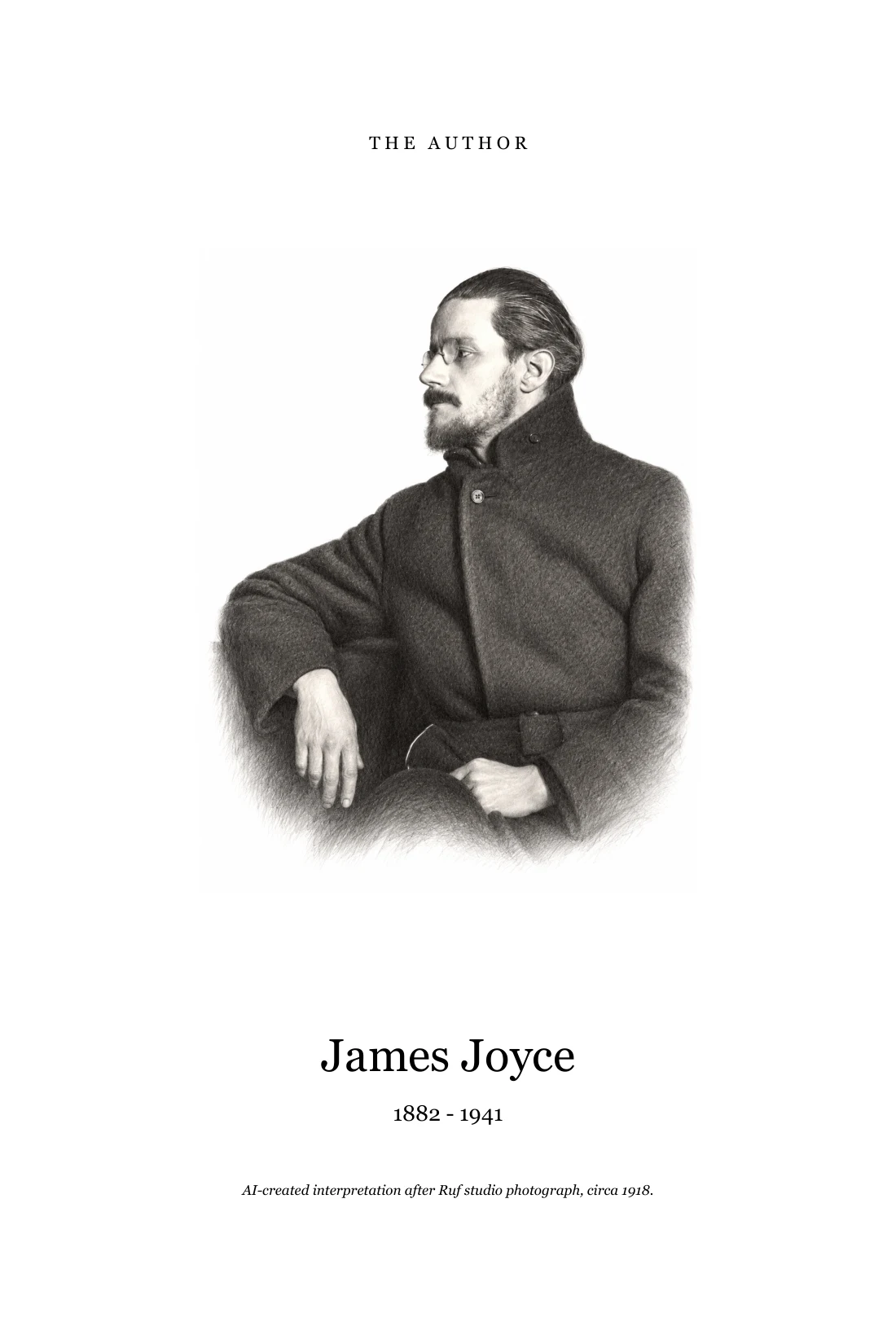
James Joyce’s A Portrait of the Artist as a Young Man sets the pattern for everything after it. Stephen grows up through a Jesuit school, a crisis of faith and a series of family arguments about Irish politics, and the prose changes as he does. By the end he has worked out his creed in three words:
I will not serve that in which I no longer believe, whether it call itself my home, my fatherland, or my church: and I will try to express myself in some mode of life or art as freely as I can and as wholly as I can, using for my defence the only arms I allow myself to use—silence, exile and cunning.
James Joyce, A Portrait of the Artist as a Young Man (1916)
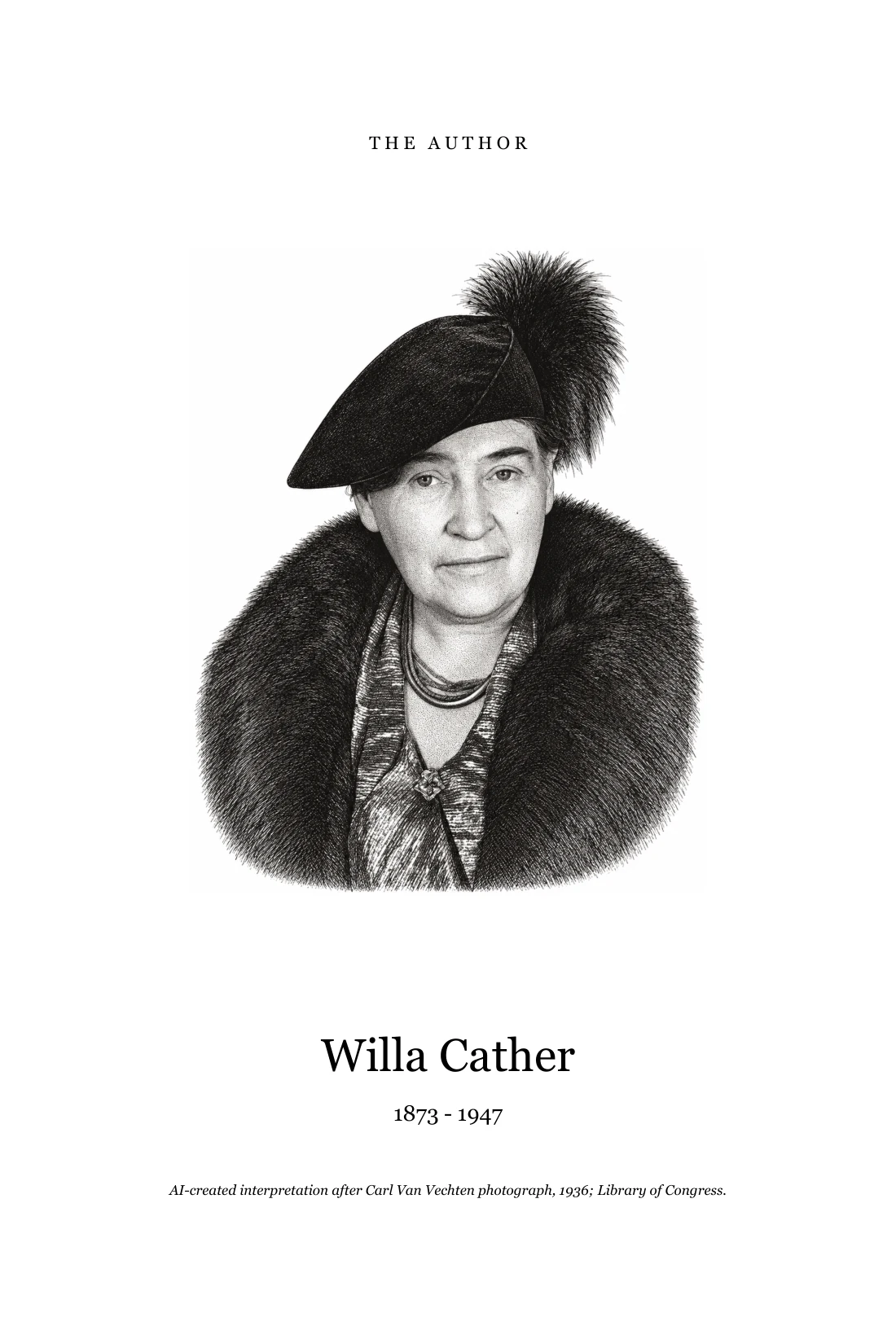
Read it alongside The Song of the Lark and the contrast is striking. Stephen has to break with everything to become an artist; Thea Kronborg has to work, practise, travel and survive. Willa Cather is interested less in rebellion than in labour, and her book is one of the few novels that make you feel how much effort a great voice takes. Even its title comes from art: Jules Breton’s painting of a country girl at dawn in the Art Institute of Chicago, which Thea runs upstairs to see because she believes it is “her picture”. More on Cather in Willa Cather’s prairie trilogy.
When art meets the market
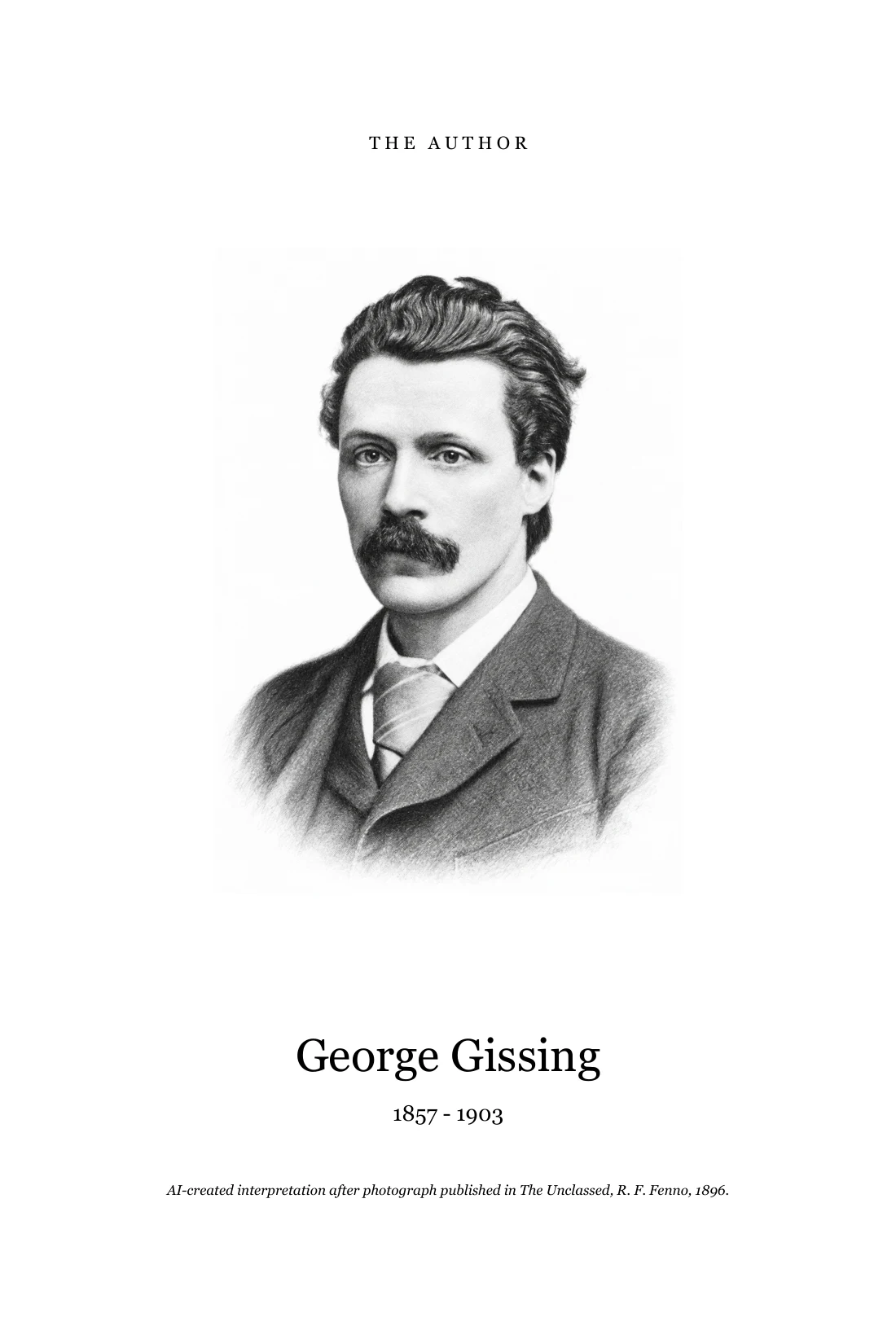
George Gissing’s New Grub Street is the antidote to every romantic idea about authors. Edwin Reardon has written good novels and cannot write another; his wife and his rent are both running out. Jasper Milvain writes whatever sells. In his worst moment Reardon calls it “the unpardonable sin” to make a trade of an art, and decides he is “rightly served for attempting such a brutal folly.” His wife’s answer, that art must be practised as a trade “at all events in our time”, is the argument the whole book has with itself.
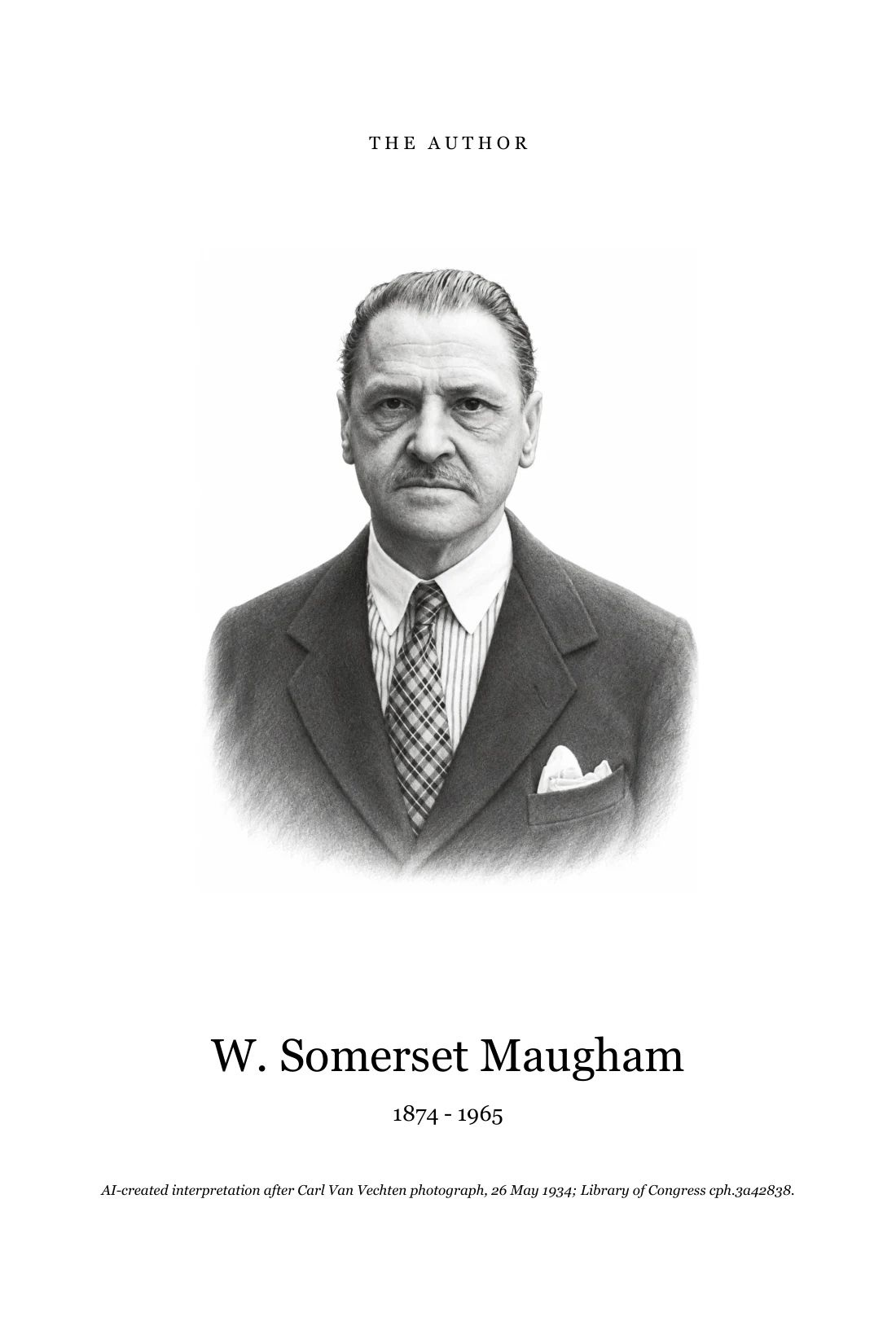
Maugham sits at the other extreme. W. Somerset Maugham’s Strickland never sells anything and does not care; he lives in squalor in Paris, takes what he wants from the people who help him, and paints. You are not meant to like him. You are meant to wonder whether the pictures are worth what they cost everyone else. For more of his work, see where to start with Somerset Maugham.
More novels about writers and artists
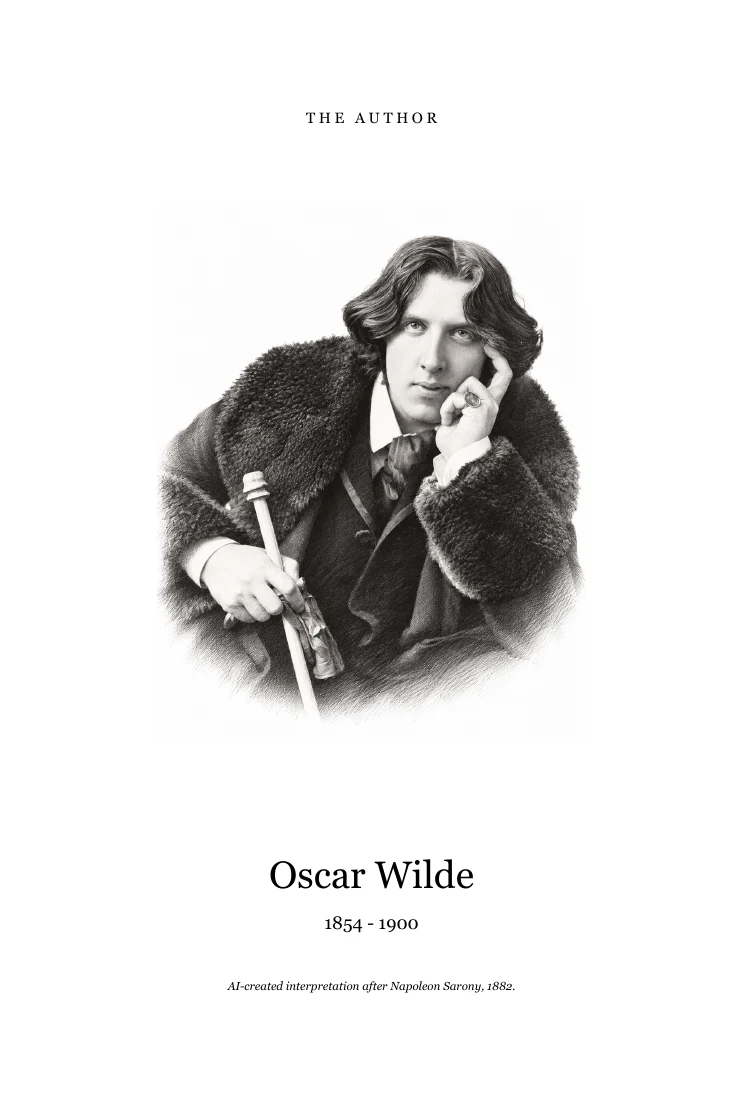
The Picture of Dorian Gray
1891. A painter, Basil Hallward, creates a portrait so perfect that its subject wishes it would age instead of him. Oscar Wilde’s novel is about beauty, influence and what art does to the people around it.
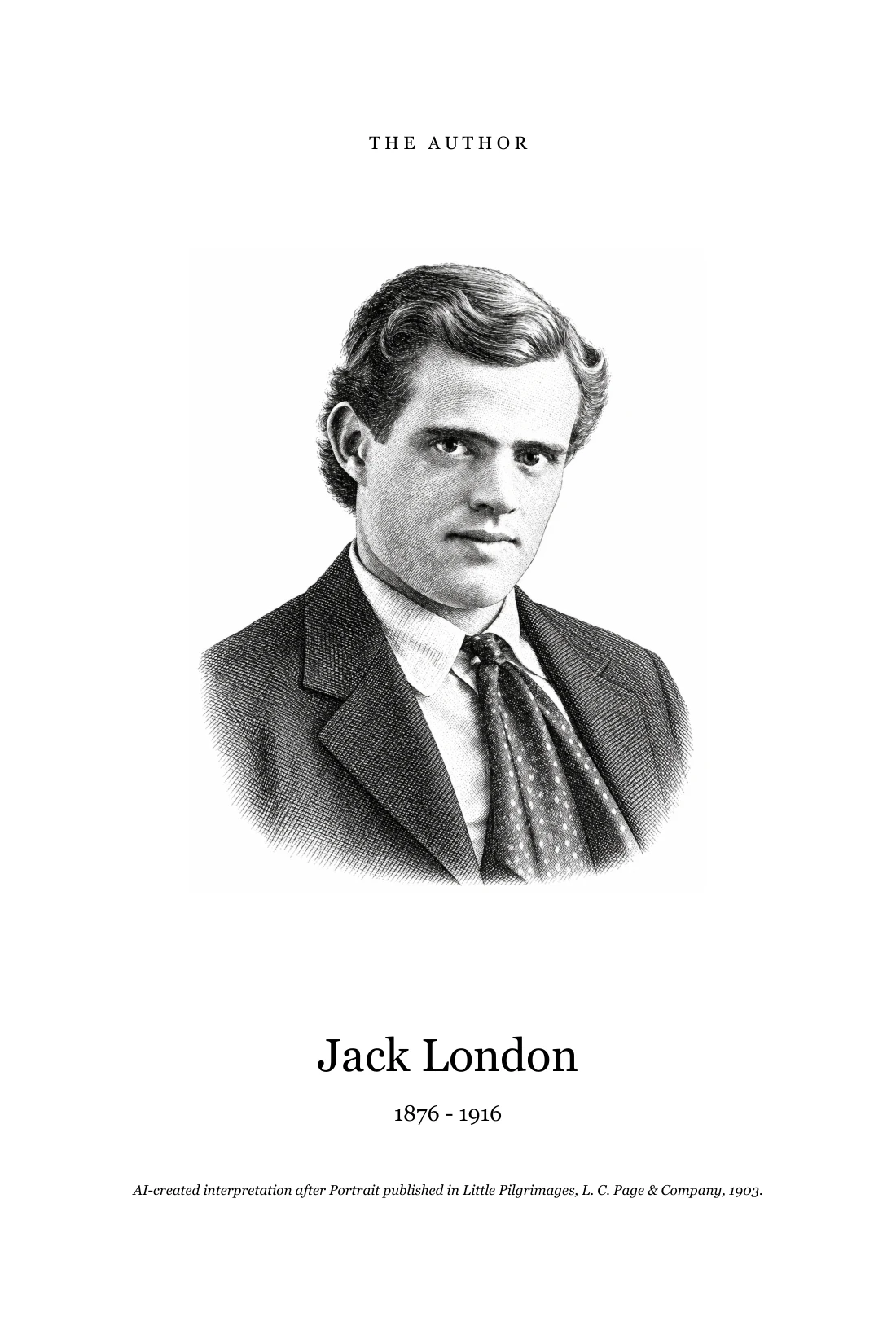
Martin Eden
1909. A rough young sailor teaches himself to write in order to win a refined young woman, and fights his way into print. Jack London denied it was autobiography, but much of it is drawn from his own climb.
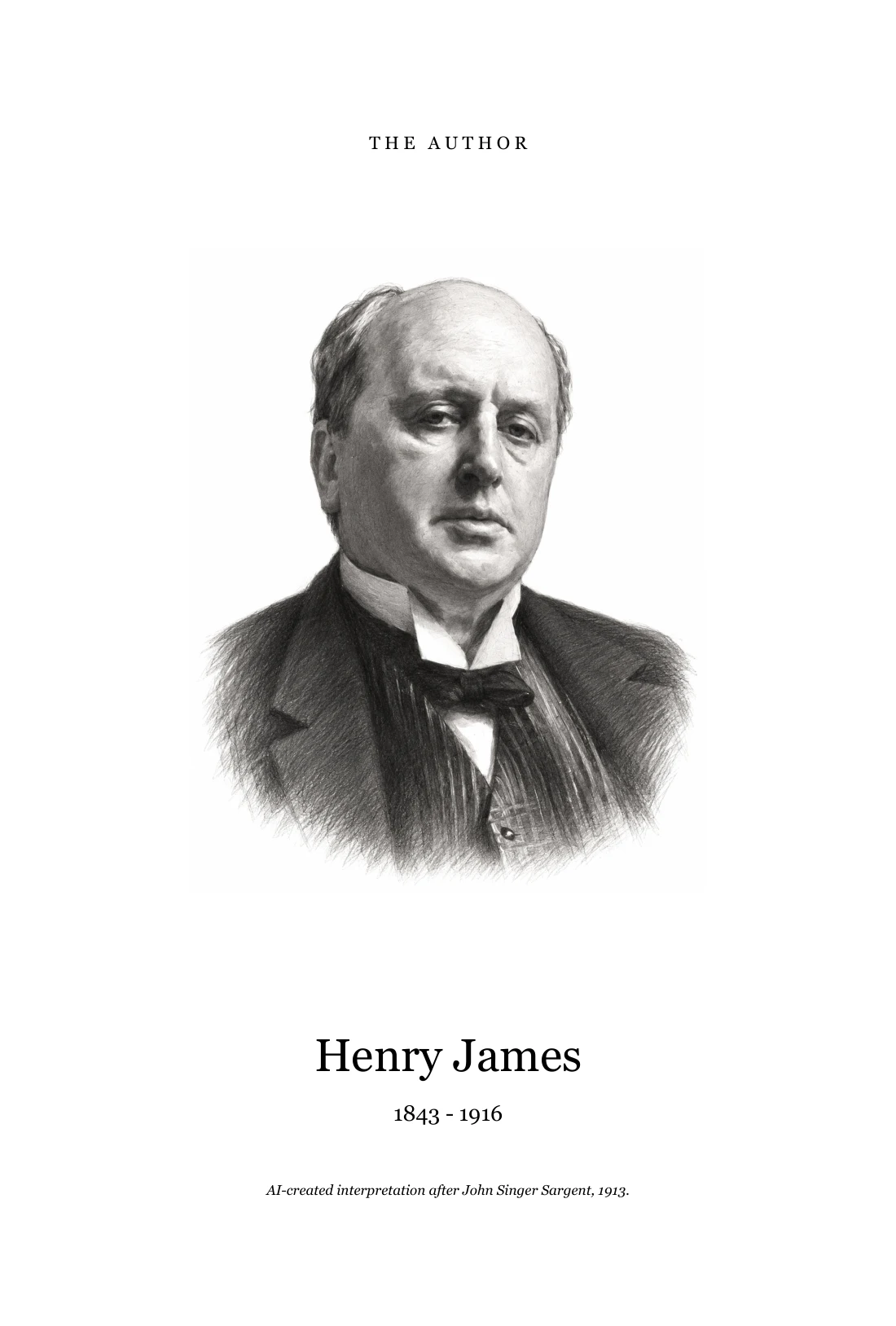
The Aspern Papers
1888. A literary scholar schemes his way into a Venetian palazzo to get at a dead poet’s love letters. Based on Shelley’s letters to Claire Clairmont, and a sly warning to biographers everywhere.


Where to begin
If you want to understand the form, start with A Portrait of the Artist as a Young Man; every novel about a young writer since has been in conversation with it. If you want a story you cannot put down, read The Moon and Sixpence. And if you are a writer yourself, read New Grub Street, and then read our guide to New Grub Street for the life of the man who wrote it.
Questions readers ask
What are the best classic novels about artists?
A Portrait of the Artist as a Young Man, The Song of the Lark, The Moon and Sixpence and New Grub Street are among the best. The Picture of Dorian Gray, Martin Eden and The Aspern Papers are also classic novels about painters and writers.
Is The Moon and Sixpence about Gauguin?
It is inspired by Paul Gauguin, who also left a career in finance and his family to paint and later moved to Tahiti. But Maugham’s Charles Strickland is a fictional character, and much harsher than the real painter.
What is a Künstlerroman?
A Künstlerroman is a novel about an artist’s growth to maturity. A Portrait of the Artist as a Young Man is the classic English example.