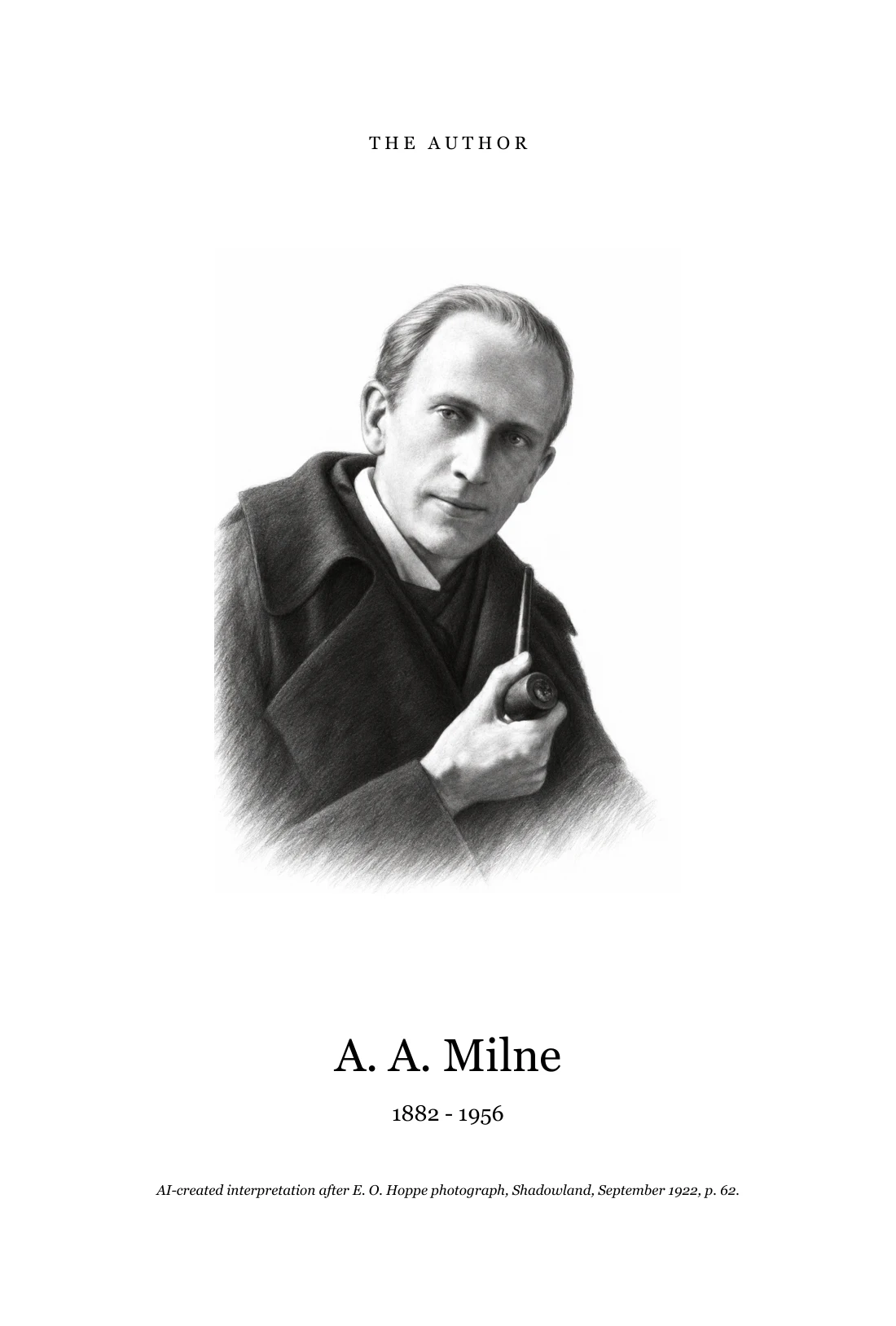
The most famous attack on the English whodunit singled out a book by the future creator of Winnie-the-Pooh. In “The Simple Art of Murder”, published in The Atlantic Monthly in December 1944, Raymond Chandler took apart The Red House Mystery, written in 1922 by A. A. Milne. Chandler conceded it was an agreeable book, light and amusing, then spent pages showing that its puzzle could never have worked in real life and that its police were absurdly obliging.
That argument is the best way into the Golden Age of detective fiction. The phrase describes the classic murder mysteries of the 1920s and 1930s, mostly British, in which an amateur or eccentric detective solves an ingenious crime in a closed world, usually a country house, a village or a train, and the reader is given a fair chance to beat him to it. Chandler, writing from the mean streets of Los Angeles, thought the whole thing unreal. Millions of readers did not mind in the least.
When did the Golden Age of detective fiction begin?
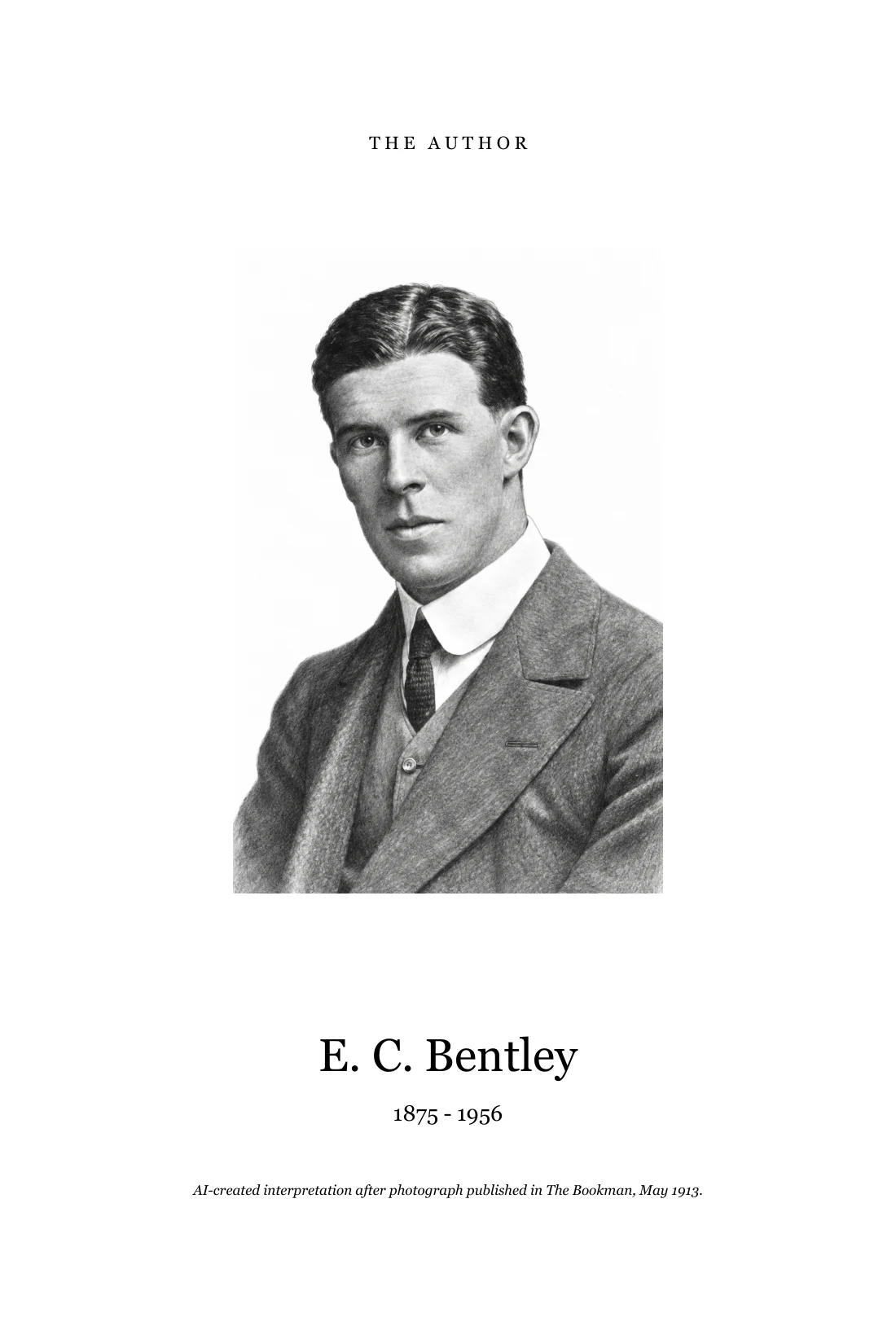
Historians usually date it from just after the First World War, though its roots go back further. A useful starting point is 1913, when E. C. Bentley published Trent’s Last Case. Bentley meant it partly as a send-up of the all-knowing Sherlock Holmes type, a detective who gets things wrong, yet it became one of the models for what followed. Agatha Christie later called it one of the three best detective stories ever written, and Dorothy L. Sayers said it shook the little world of the mystery novel like a revolution.
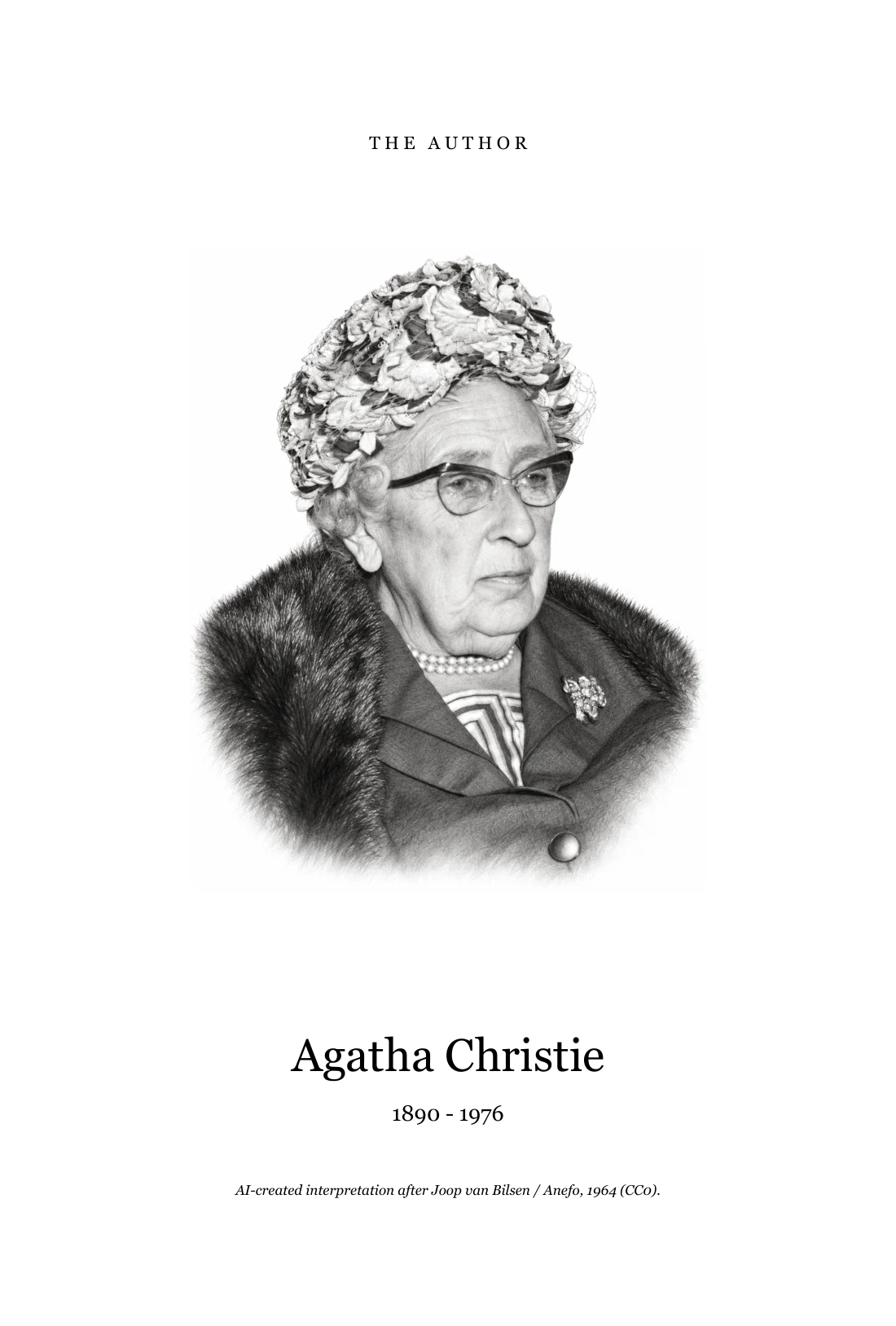
Christie herself began writing The Mysterious Affair at Styles in 1916, while working as a dispenser at a Red Cross hospital in Torquay, where she learned a great deal about poisons. Her Belgian detective, Hercule Poirot, owed something to the Belgian soldiers she had nursed and the refugees living in the town. Two publishers turned it down. It finally appeared in the United States in October 1920 and in Britain in January 1921, and the Golden Age had its first great star.
These little grey cells. It is ‘up to them’—as you say over here.
Hercule Poirot, *The Mysterious Affair at Styles*, chapter X
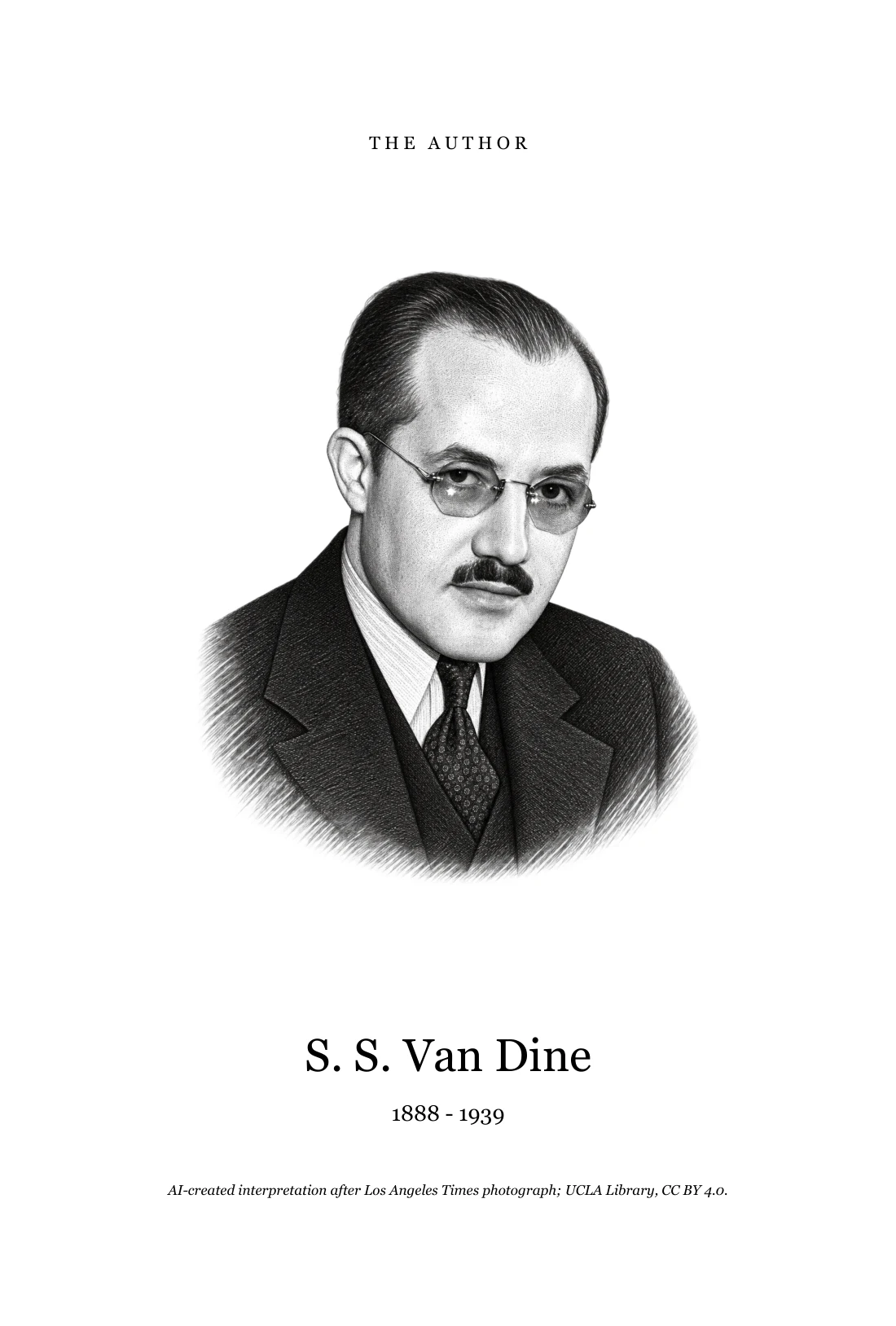
Within a few years the field was crowded. Milne’s Red House Mystery came in 1922. In 1923 Sayers introduced Lord Peter Wimsey in Whose Body?, which opens with an architect finding a stranger’s corpse in his bath, wearing nothing but a pair of pince-nez. In America, S. S. Van Dine’s Philo Vance arrived in 1926.

The rules of the game
What made the Golden Age distinctive was its sense of fair play. The detective could not rely on luck or hidden knowledge; the clues had to be on the page. Writers even published rules. In 1928 Van Dine set out twenty in The American Magazine, and in 1929 the priest and crime writer Ronald Knox offered a tongue-in-cheek “decalogue” of ten commandments. Among them:
- The criminal must be mentioned early in the story.
- Nothing supernatural is allowed.
- Not more than one secret room or passage.
- No undiscovered poisons, and no gadget that needs a long scientific explanation at the end.
- The detective must not commit the crime himself, and must share every clue he finds.
The best writers of the period treated these rules as a challenge to be met, or brilliantly bent. Christie in particular made a career of keeping strictly to the letter of fair play while leading readers firmly in the wrong direction.
Who belonged to the Golden Age?
Its founding members of the Detection Club included Christie, Sayers, Chesterton, Bentley, Milne, Baroness Orczy and Anthony Berkeley, who did most of the organising. Christie, Sayers, Margery Allingham and Ngaio Marsh came to be known as the Queens of Crime. Across the Atlantic, writers such as Van Dine and Ellery Queen worked in the same puzzle-box tradition, while Dashiell Hammett and, later, Chandler built the harder-edged American school in pulp magazines like Black Mask.
The Second World War is often taken as the beginning of the end. The light-hearted country-house puzzle came to seem out of step with the times, and crime fiction moved towards psychology and realism. But the form never died. Cosy mysteries, Midsomer Murders and every board game with a candlestick in the library are its descendants.

Golden Age mysteries to start with
Trent's Last Case
1913. The forerunner: a dead financier, a painter-detective and a solution that famously turns the genre on its head.
The Mysterious Affair at Styles
1920. Hercule Poirot’s first case, a poisoning at an Essex country house, with Hastings narrating and missing almost everything.
The Red House Mystery
1922. Milne’s classic whodunit, and almost his only crime novel: a country house, a missing host and a cheerful amateur sleuth.
Whose Body?
1923. Lord Peter Wimsey’s debut, with a body in the bath and a missing financier to account for.
The Benson Murder Case
1926. The first Philo Vance mystery, the American take on the Golden Age, all deduction and erudition.


For a longer reading list, see Golden Age detective novels to start with and books like Agatha Christie. Bentley’s joke at Holmes’s expense is explained in Trent’s Last Case was a parody, and Christie’s rocky start in Christie’s first novel was rejected.
The place to begin is where the Golden Age did. Open The Mysterious Affair at Styles by Agatha Christie, note every clue, and see whether your grey cells can beat Poirot’s.
Questions readers ask
What is the Golden Age of detective fiction?
It is the period, chiefly the 1920s and 1930s, when classic whodunits by writers such as Agatha Christie and Dorothy L. Sayers dominated crime fiction. The books share a puzzle-centred plot, a closed circle of suspects and the principle of fair play with the reader.
Who are the Queens of Crime?
Agatha Christie, Dorothy L. Sayers, Margery Allingham and Ngaio Marsh, the four women most closely associated with Golden Age detective fiction.
What is the Detection Club?
A society of British crime writers founded in 1930, with G. K. Chesterton as first president. Its members originally agreed to play fair with readers, and new members still take a ceremonial oath written by Dorothy L. Sayers.
What was the first Golden Age detective novel?
There is no single agreed first, but E. C. Bentley’s Trent’s Last Case (1913) is often seen as a forerunner, and Agatha Christie’s The Mysterious Affair at Styles (1920) as the book that launched the era.